

 Pregledaj u prostoru
 Pošalji
 Podeli
 Detalji o delu

 Преузми
 Slični predmeti
 Rendgenski snimak
 Slajdovi
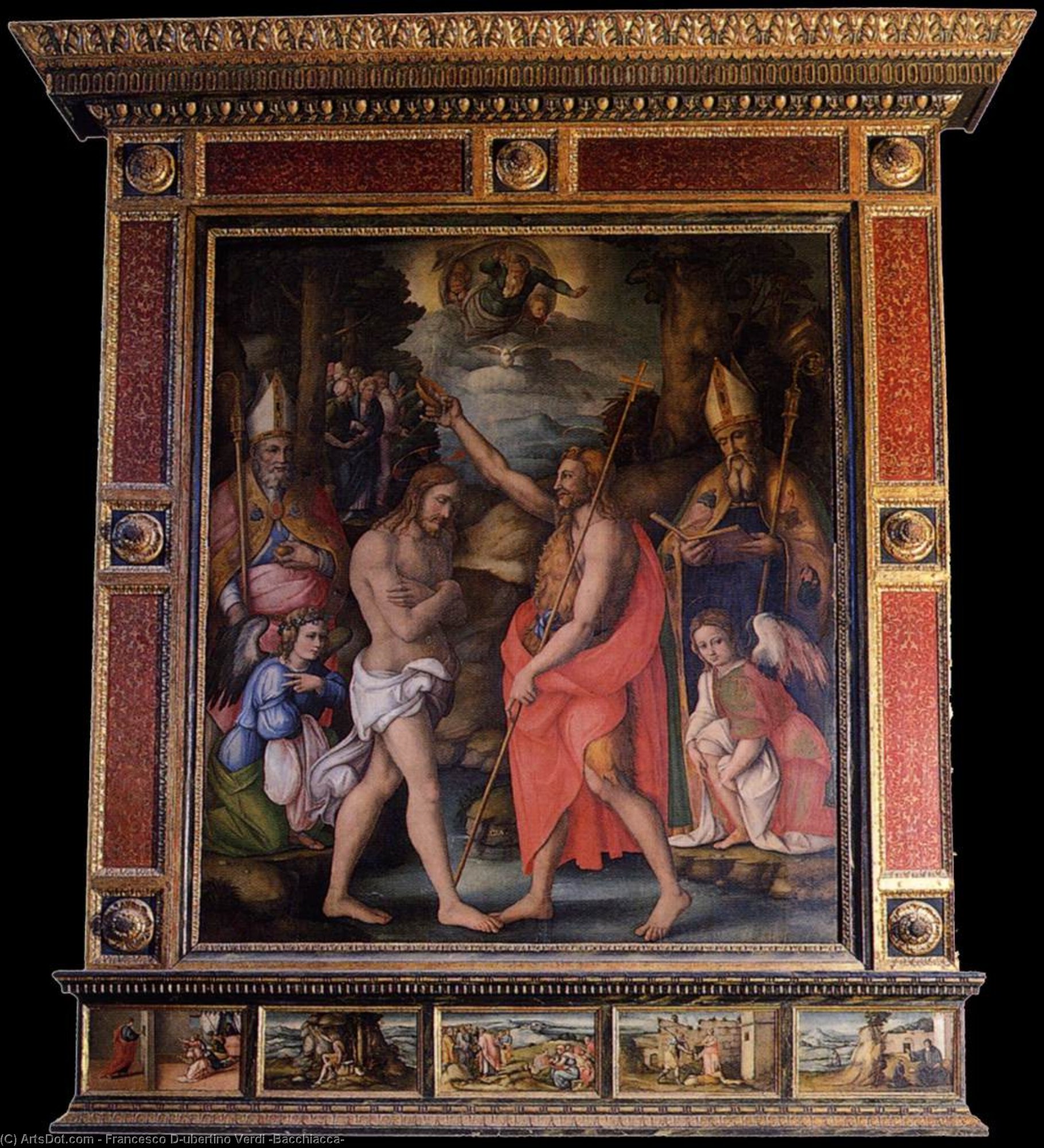
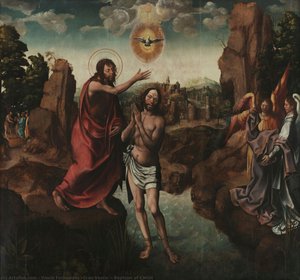
Baptism of Christ with Saints
 Oil On Panel
- Renaissance
 Renaissance
 248.0 x 213.0 cm
 Badia
Badia
 Pročitaj više
Kupite digitalnu sliku visoke rezolucije i poboljšanog kvaliteta, koja je znatno superiornija od onoga što vidite u online prikazu.
Svaka datoteka je pedantno pripremljena od strane naših stručnjaka koristeći napredne alate i profesionalnu ručnu retušu. Osiguravamo da svaka slika ima izuzetnu oštrinu, preciznu reprodukciju boja i fine detalje.
Konačna datoteka se dostavlja putem e-pošte u roku od 72 sata, optimizovana za neposrednu upotrebu u profesionalnim, izdavačkim i štamparskim okruženjima. To je isti kvalitet kojem veruju vrhunski studiji dizajna, izdavači i galerije.
Digitalna slika
Preuzmite datoteku visoke rezolucije za ličnu upotrebu, štampanje i kreativne projekte. ( Kupi print Kupi ručno naslikanu sliku)
Uključeno uz svaku porudžbinu digitalne slike
Profesionalna digitalna isporuka, zagarantovana
Kada odaberete ArtsDot.com, ne dobijate samo sliku – vi primate profesionalno unapređeno digitalno umetničko delo, izrađeno sa najvećom preciznošću i uz garanciju zadovoljstva. Evo svega što automatski dolazi uz vašu porudžbinu:

Brza dostava putem e-pošte
Vaša digitalna slika visoke rezolucije biće vam poslata putem e-pošte u roku od 72 sata od poručivanja – spremna za trenutnu upotrebu.

Digitalna datoteka unapređena veštačkom inteligencijom
Vaše umetničko delo je profesionalno optimizovano korišćenjem naprednih AI alata i ručne obrade, čime se osiguravaju maksimalni detalji, oštrina i preciznost boja.

Besplatna ponovna isporuka doživotno
Slučajno ste obrisali ili izgubili svoju datoteku? Ne brinite – poslaćemo vam je ponovo u bilo kom trenutku, potpuno besplatno.

Bez troškova uvoza – zauvek
Uživajte u svojim umetničkim delima trenutno, bez carine, dažbina ili troškova dostave – digitalni download je uvek bez poreza.

Garancija vernosti boja
Uz pomoć profesionalnih alata i upravljanja bojama, osiguravamo da vaša digitalna slika što vernije odražava originalne boje.

Garancija zadovoljstva u roku od 60 dana
Ako niste zadovoljni svojom digitalnom slikom, revidirat ćemo je ili vratiti 100% novca u roku od 60 dana – bez ikakvih pitanja.

100% garancija povrata novca
Niste zadovoljni? Obezbedite pun povrat novca u roku od 60 dana od trenutka kada ste primili svoju digitalnu datoteku – bez suvišnih pitanja.

Popusti na velike porudžbine
Kupite 3 slike, uštedite 10% - Kupite 5 slika, uštedite 15% - Kupite 10+ slika, uštedite 20%. Odlično za kreativne projekte, galerije i agencije.
A Divine Encounter in the Florentine Mannerist Tradition
In the grand tapestry of the Italian Renaissance, few moments resonate with as much spiritual gravity as the Baptism of Christ. This magnificent work by Francesco d’Ubertino Verdi, known affectionately to history as Bacchiacca, captures that pivotal theological instant with a breathtaking blend of drama and grace. As Jesus stands within the flowing waters of the River Jordan, the scene unfolds not merely as a historical recount, but as a celestial event. The composition is masterfully orchestrated around a pyramidal structure, with John the Baptist positioned to draw the viewer’s gaze upward toward the divine. Surrounded by the presence of bishops and ethereal angels, the painting invites us into a sacred space where the earthly and the divine intersect through a complex, layered arrangement of figures that dance across a stylized landscape.
The artistry of Bacchi and his Florentine contemporaries is evident in the sophisticated use of color and light. The palette is a rich, opulent symphony of deep crimsons, celestial blues, and shimmering golds that lend the piece an air of regal importance. Through the meticulous technique of oil on panel, the artist achieves a remarkable contrast in textures; the luminous, smooth porcelain of skin tones stands in striking opposition to the heavy, tactile folds of the liturgical robes and the rugged, atmospheric depth of the distant hills. This interplay of light and shadow—a hallmark of the transition from the High Renaissance to the more elongated, expressive Mannerist style—creates a sense of volume and movement that breathes life into every drapery fold and every ripple in the Jordan.
Symbolism and the Splendor of Detail
Beyond its visual splendor, the painting serves as a profound theological treatise. Every element is imbued with symbolic weight: John the Baptist represents the prophetic voice preparing the way, while the descent of the divine presence signifies Christ’s formal entry into his earthly ministry. The inclusion of bishops and the ornate, gilded border—adorned with intricate medallions—suggests that this work was intended for a space of immense prestige, perhaps a private chapel or a grand ducal hall. The heavy ornamentation does more than frame the scene; it elevates the subject matter, enveloping the viewer in an atmosphere of liturgical grandeur and historical permanence.
For the discerning collector or interior designer, this reproduction offers much more than a mere decorative element. It is an invitation to bring a sense of timelessness and intellectual depth into a contemporary environment. The painting’s ability to command attention through its complex composition and rich, warm tones makes it a centerpiece capable of anchoring a room with sophistication. Whether placed in a library filled with classical literature or as a focal point in a grand salon, this work evokes a sense of reverence and quiet contemplation, making it an exquisite choice for those who seek to surround themselves with the enduring beauty of the Italian masters.
Srodna umetnička dela
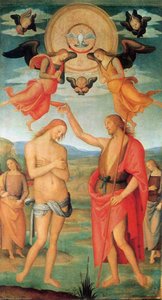
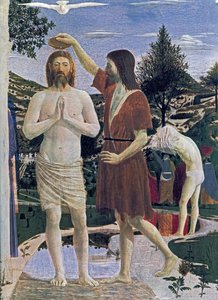
![Scrovegni - [23] - Baptism Of Christ — Đijoto Di Bondone, Early Renaissance](/media/artworks/images-thumb/17/af/17af47626cb93b2000ad3d13e045f189.jpg)
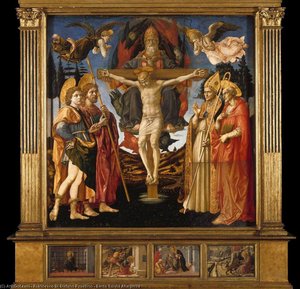
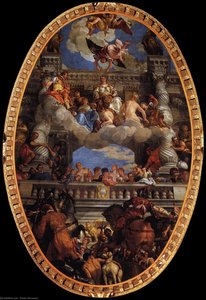
Biografija umetnika
Francesco d’Ubertino Verdi (Bacchiacca): A Florentine Master of Mannerist Elegance
Francesco Bacchiacca, born in Florence around 1494 and died there in 1557, stands as a pivotal figure within the Florentine Renaissance and Mannerist artistic landscape. His legacy rests on captivating portraits imbued with psychological depth alongside monumental religious compositions that exemplify the stylistic innovations of his era. Belonging to a family steeped in artistic tradition—his father Ubertino di Bartolomeo was a goldsmith—Bacchiacca’s formative years were marked by exposure to influential artists and intellectual currents shaping the burgeoning Renaissance spirit. He began his artistic journey under the tutelage of Pietro Perugino, absorbing Perugino's refined style and humanist sensibilities before collaborating closely with luminaries like Andrea del Sarto, Jacopo Pontormo, and Francesco Granacci on ambitious decorative projects for wealthy Florentine patrons.- Early Influences: Bacchiacca’s artistic education was profoundly impacted by Perugino's mastery of idealized form and harmonious composition—a cornerstone of Umbrian Renaissance painting.
- Collaboration with Masters: His partnership with Andrea del Sarto, Pontormo, and Granacci cemented his position at the forefront of Florentine Mannerism, fostering experimentation with perspective, color palettes, and expressive gestures.
The Decorative Patronage of Cosimo I de’ Medici and Artistic Innovation
Bacchiacca's career ascended to prominence during the reign of Duke Cosimo I de’ Medici (1537-1574), who recognized Bacchiacca’s talent and entrusted him with monumental commissions—primarily for the ducal palace. This patronage afforded Bacchiacca unparalleled access to artistic resources and intellectual discourse, propelling him into collaboration with Michelangelo Buonarroti and other leading artists of the time. Notably, Bacchiacca undertook the ambitious task of decorating Cosimo's private study with intricate botanical illustrations and landscapes—a testament to Cosimo’s fascination with scientific observation and a bold departure from traditional decorative conventions. This project showcased Bacchiacca’s technical prowess and his willingness to embrace innovative stylistic approaches, solidifying his reputation as a visionary artist pushing the boundaries of artistic expression.- The Studiolo Decoration: Bacchiacca's study decoration exemplifies Mannerist aesthetics—characterized by dynamism, illusionistic depth, and meticulous detail—reflecting Cosimo’s humanist ideals.
- Engagement with Michelangelo: Bacchiacca’s collaboration with Michelangelo fostered a dialogue between artistic traditions, resulting in groundbreaking visual narratives that captivated audiences.
Notable Paintings and Artistic Style
Bacchiacca's oeuvre comprises a diverse collection of paintings—predominantly portraits and religious scenes—that reveal his distinctive artistic style. Among his most celebrated works are ‘Baptism of Christ,’ housed in Berlin, and ‘Woman with a Cat,’ currently residing in the Metropolitan Museum of Art. These canvases demonstrate Bacchiacca’s masterful handling of color, light, and texture, capturing fleeting expressions of emotion and conveying profound spiritual contemplation. His compositions often incorporate asymmetrical arrangements and distorted perspectives—techniques characteristic of Mannerist art—creating visual ambiguity that challenges conventional notions of beauty and realism. Furthermore, Bacchiacca skillfully blended influences from Raphael and Michelangelo, integrating classical ideals with expressive dynamism to produce artworks imbued with both elegance and psychological complexity.- ‘Baptism of Christ’: This monumental altarpiece exemplifies Bacchiacca’s command of perspective and dramatic lighting—elements borrowed from Michelangelo’s frescoes in the Sistine Chapel.
- ‘Woman with a Cat’: Bacchiacca's portrait captures the sitter's gaze with remarkable intensity, reflecting Mannerist preoccupation with psychological realism.
Legacy and Historical Significance
Francesco Bacchiacca’s contribution to Florentine art transcends mere stylistic innovation; he embodies the spirit of humanist inquiry and artistic experimentation that defined the Renaissance. His paintings continue to inspire admiration for their technical brilliance, emotional resonance, and intellectual depth—serving as enduring emblems of Florentine artistic excellence. Bacchiacca's influence extended beyond his immediate contemporaries, shaping subsequent generations of artists and establishing him as a cornerstone of Mannerist art history. He remains an artist whose work embodies the transformative power of creativity and its capacity to illuminate the complexities of human experience.
francesco d'ubertino verdi (bacchiacca)
1494 - 1557 , Italy
Kratke činjenice
- Artistic Movement Or Style: Mannerist
- Artists Or Movements Influenced By This Artist:
- Andrea del Sarto
- Pontormo
- Artists Who Influenced This Artist:
- Pietro Perugino
- Michelangelo
- Date Of Birth: Florence, Italy (1494)
- Date Of Death: 1557
- Full Name: Francesco d'Uberto Verdi (Bacchiacca)
- Nationality: Italian
- Notable Artworks:
- Baptism of Christ
- Woman with a Cat
- Place Of Birth: Florence

