

 Pregledaj u prostoru
 Pošalji
 Podeli
 Detalji o delu

 Преузми
 Slični predmeti
 Rendgenski snimak
 Slajdovi
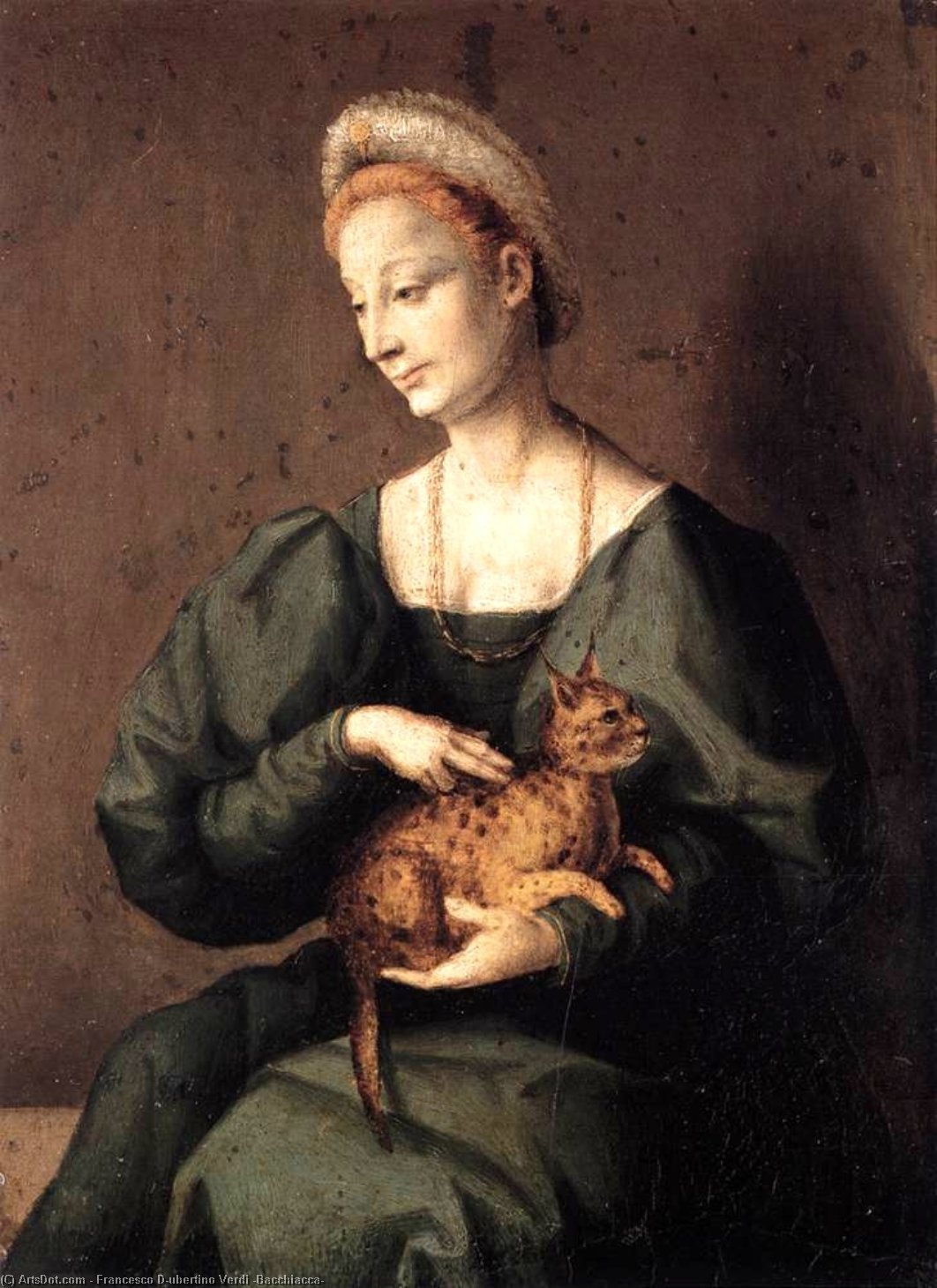
Woman with a Cat
 Acrylic On Canvas
- WallArt
- Florentine Mannerist Style
 1540
1540 26.0 x 19.0 cm
 Staatliche Museen zu Berlin
 Pročitaj više
Ručno rađena uljana reprodukcija
Ručno oslikano uljanim bojama na platnu u dimenzijama i okviru po vašem izboru, izrađeno po porudžbini od strane naših umetnika. ( Kupi print Kupi digitalnu sliku)




P118B $10

P118H $10

P118W $10

P438Z $10

P508JH $12

P508YH $12

P805H $10

P805Z $10

P919BZ $10

P919G $10

P919XJ $10

P959ZH $10

P968JZ $12

W106C $8

W218G $10

W218JH $8

W218Y $10

W307PJ $10

W316G $10

W316PJ $8

W316Y $10

W398PJ $8

W4111J $10

W500HY $15

W500JH $15

W692G $12

W849H $8

W940BG $15

W953PJ $8




Izaberite jednu od naših unapred definisanih veličina koje odgovaraju originalnim proporcijama umetničkog dela.

Можете унети сопствене димензије како бисте прилагодили дело одређеном оквиру или простору. Ако одабрана величина не одговара пропорцијама оригинала, слика ће бити исечена или проширена додатним елементима који се ручно насликавају. Дигитални prikaz ће вам бити послат на одобрење пре почетка производње.
Имајте на уму да преглед на екрану не одражава стварно исецање или проширење. Само приказ (mockup) ће тачно приказати коначну композицију.
Иако су доступне прилагођене величине, препоручујемо да одаберете димензију из дефинисане листе како бисте сачували оригиналне пропорције.
Nakon narudžbine, tim ArtsDot.com će klijentu putem e-pošte poslati uputstva i dostaviti prikaz predloženog rešenja
Isporuka širom sveta () za 3/4 nedelje umesto uobičajenih 5 nedelja. (27 август). Bez kompromisa po pitanju kvaliteta.

Besplatna ekspresna dostava širom sveta

Visokokvalitetno laneno platno

Kompletno osiguranje transporta

Garancija povraćaja carine i uvoznih dažbina

Garancija vernosti boja

Politika povrata u roku od 60 dana (samo u slučaju nedostataka)

Garancija povrata novca od 100%

Popust pri grupnoj kupovini
 Opcija sa staklom dostupna je samo za dimenzije manje od 110 cm

Woman with a Cat
Tehnika reprodukcije
Dimenzije reprodukcije
-


Konačna cena
$ 263
A Moment Frozen in Time: Exploring Francesco d’Ubertino Verdi's “Woman with a Cat”
The painting "Woman with a Cat" by Francesco d’Ubertino Verdi, completed around 1540, isn’t merely an image; it’s a carefully crafted distillation of Renaissance ideals—a testament to humanist observation and artistic mastery that continues to resonate centuries later. Held at the Staatliche Museen in Berlin, this oil on wood panel offers more than just visual pleasure; it invites contemplation about beauty, intimacy, and the enduring fascination with domestic life within the broader context of Florentine Mannerism.The Artist's Vision: Verdi Within the Mannerist Crucible
Francesco Bacchiacca (as Verdi was known), emerged from Florence’s artistic crucible during a period marked by stylistic experimentation—a conscious departure from the idealized forms of High Renaissance art toward a more psychologically nuanced approach. Influenced by artists like Pontormo and Granacci, Bacchiacca embraced a Mannerist aesthetic characterized by elongated figures, flattened perspectives, and an emphasis on expressive emotion rather than strict anatomical accuracy. This deliberate rejection of convention wasn’t born out of nihilism but from a profound desire to capture the complexities of human experience—a pursuit that finds its most poignant expression in works like “Woman with a Cat.” Bacchiacca's style prioritized conveying feeling over precise representation, aligning him squarely with the burgeoning humanist movement that championed individual subjectivity.A Portrait Steeped in Symbolism: Decoding the Composition
The painting’s visual narrative is deceptively simple—a woman seated calmly, cradling a cat—yet it overflows with symbolic significance. The woman herself embodies serenity and contemplation, her gaze downward suggesting introspection and an appreciation for quiet moments. Her dark dress symbolizes dignity and restraint, while her posture conveys grace and composure. Crucially, the cat serves as a potent emblem of domestic tranquility and maternal affection. In Renaissance iconography, cats frequently represented fertility and protection—a subtle allusion to the woman’s role as nurturer and guardian within the home. The muted color palette—dominated by earthy tones—contributes to the painting's atmosphere of understated elegance and reinforces its connection to the natural world.Technique and Texture: Verdi's Mastery of Oil Paint
Verdi’s skillful application of oil paint is evident in every brushstroke, creating a rich tapestry of texture and luminosity that elevates the artwork beyond mere visual depiction. The artist meticulously blended pigments to achieve subtle gradations of color—a technique honed through years of artistic practice—resulting in an illusionistic depth that draws the viewer into the scene. Verdi’s attention to detail extends to the rendering of fabrics, capturing their folds and creases with remarkable accuracy. Furthermore, he skillfully employed chiaroscuro—the dramatic interplay between light and shadow—to sculpt the figures and imbue them with a palpable sense of volume. This masterful technique underscores Bacchiacca's commitment to realism while simultaneously conveying an emotional resonance that transcends mere visual observation.Legacy and Emotional Resonance: An Enduring Appeal
“Woman with a Cat” continues to captivate audiences today because it speaks directly to our innate desire for beauty, tranquility, and connection—values that remain central to the human experience across cultures and eras. The painting’s understated elegance and psychological depth offer inspiration to interior designers seeking to create spaces imbued with warmth and serenity, while collectors appreciate its rarity and artistic significance as a cornerstone of Florentine Mannerist art. More than just an artwork; it's a window into a bygone era—a beautifully rendered snapshot of human emotion and domestic harmony that transcends time itself.Srodna umetnička dela
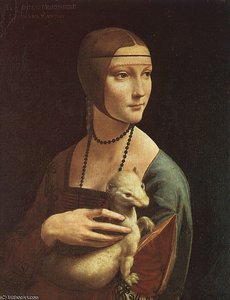
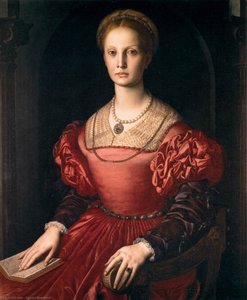
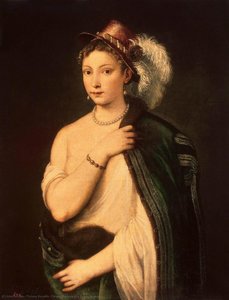
Biografija umetnika
Francesco d’Ubertino Verdi (Bacchiacca): A Florentine Master of Mannerist Elegance
Francesco Bacchiacca, born in Florence around 1494 and died there in 1557, stands as a pivotal figure within the Florentine Renaissance and Mannerist artistic landscape. His legacy rests on captivating portraits imbued with psychological depth alongside monumental religious compositions that exemplify the stylistic innovations of his era. Belonging to a family steeped in artistic tradition—his father Ubertino di Bartolomeo was a goldsmith—Bacchiacca’s formative years were marked by exposure to influential artists and intellectual currents shaping the burgeoning Renaissance spirit. He began his artistic journey under the tutelage of Pietro Perugino, absorbing Perugino's refined style and humanist sensibilities before collaborating closely with luminaries like Andrea del Sarto, Jacopo Pontormo, and Francesco Granacci on ambitious decorative projects for wealthy Florentine patrons.- Early Influences: Bacchiacca’s artistic education was profoundly impacted by Perugino's mastery of idealized form and harmonious composition—a cornerstone of Umbrian Renaissance painting.
- Collaboration with Masters: His partnership with Andrea del Sarto, Pontormo, and Granacci cemented his position at the forefront of Florentine Mannerism, fostering experimentation with perspective, color palettes, and expressive gestures.
The Decorative Patronage of Cosimo I de’ Medici and Artistic Innovation
Bacchiacca's career ascended to prominence during the reign of Duke Cosimo I de’ Medici (1537-1574), who recognized Bacchiacca’s talent and entrusted him with monumental commissions—primarily for the ducal palace. This patronage afforded Bacchiacca unparalleled access to artistic resources and intellectual discourse, propelling him into collaboration with Michelangelo Buonarroti and other leading artists of the time. Notably, Bacchiacca undertook the ambitious task of decorating Cosimo's private study with intricate botanical illustrations and landscapes—a testament to Cosimo’s fascination with scientific observation and a bold departure from traditional decorative conventions. This project showcased Bacchiacca’s technical prowess and his willingness to embrace innovative stylistic approaches, solidifying his reputation as a visionary artist pushing the boundaries of artistic expression.- The Studiolo Decoration: Bacchiacca's study decoration exemplifies Mannerist aesthetics—characterized by dynamism, illusionistic depth, and meticulous detail—reflecting Cosimo’s humanist ideals.
- Engagement with Michelangelo: Bacchiacca’s collaboration with Michelangelo fostered a dialogue between artistic traditions, resulting in groundbreaking visual narratives that captivated audiences.
Notable Paintings and Artistic Style
Bacchiacca's oeuvre comprises a diverse collection of paintings—predominantly portraits and religious scenes—that reveal his distinctive artistic style. Among his most celebrated works are ‘Baptism of Christ,’ housed in Berlin, and ‘Woman with a Cat,’ currently residing in the Metropolitan Museum of Art. These canvases demonstrate Bacchiacca’s masterful handling of color, light, and texture, capturing fleeting expressions of emotion and conveying profound spiritual contemplation. His compositions often incorporate asymmetrical arrangements and distorted perspectives—techniques characteristic of Mannerist art—creating visual ambiguity that challenges conventional notions of beauty and realism. Furthermore, Bacchiacca skillfully blended influences from Raphael and Michelangelo, integrating classical ideals with expressive dynamism to produce artworks imbued with both elegance and psychological complexity.- ‘Baptism of Christ’: This monumental altarpiece exemplifies Bacchiacca’s command of perspective and dramatic lighting—elements borrowed from Michelangelo’s frescoes in the Sistine Chapel.
- ‘Woman with a Cat’: Bacchiacca's portrait captures the sitter's gaze with remarkable intensity, reflecting Mannerist preoccupation with psychological realism.
Legacy and Historical Significance
Francesco Bacchiacca’s contribution to Florentine art transcends mere stylistic innovation; he embodies the spirit of humanist inquiry and artistic experimentation that defined the Renaissance. His paintings continue to inspire admiration for their technical brilliance, emotional resonance, and intellectual depth—serving as enduring emblems of Florentine artistic excellence. Bacchiacca's influence extended beyond his immediate contemporaries, shaping subsequent generations of artists and establishing him as a cornerstone of Mannerist art history. He remains an artist whose work embodies the transformative power of creativity and its capacity to illuminate the complexities of human experience.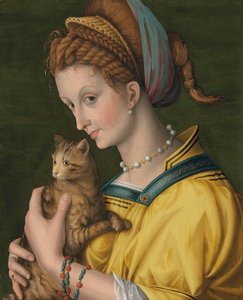
francesco d'ubertino verdi (bacchiacca)
1494 - 1557 , Italy
Osnovne informacije
- Artistic Movement Or Style: Mannerist
- Artists Or Movements Influenced By This Artist:
- Andrea del Sarto
- Pontormo
- Artists Who Influenced This Artist:
- Pietro Perugino
- Michelangelo
- Date Of Birth: Florence, Italy (1494)
- Date Of Death: 1557
- Full Name: Francesco d'Uberto Verdi (Bacchiacca)
- Nationality: Italian
- Notable Artworks:
- Baptism of Christ
- Woman with a Cat
- Place Of Birth: Florence
Povezani članci

The Enduring Legacy of Oil on Canvas: Technique, History & Aesthetic Impact
Explore the rich history & techniques of oil painting – from Renaissance masters to Impressionism. Discover pigments, layering methods, and why this timeless medium endures. Expert insights for artists & art enthusiasts.

Oil on Canvas: A Historical & Technical Exploration of a Timeless Artistic Medium
Explore the rich history & enduring techniques of oil painting on canvas. Discover the science behind its longevity, conservation practices, and contemporary relevance. Expert insights for art enthusiasts.

The Enduring Power of Painting: A Historical & Contemporary Exploration of Form and Emotion
Explore the rich history & enduring techniques of oil painting with ArtsDot. Discover masterpieces, learn about art collecting, and find authentic handmade reproductions crafted by skilled artists.

Trajnu Ostavština Uljanih Boja na Platnu: Tehnika, Istorija i Savremena Praksa
Istražite bogatu istoriju i savremene tehnike uljanog slikarstva. Saveti stručnjaka, analiza radova velikih majstora i vodiči za biranje kvalitetnih materijala. Otkrijte tajne očuvanja umetničkih dela!
Oil on Board Masters: 10 Paintings That Redefined Art | ArtsDot
Explore 10 legendary 'Oil on Board' masterpieces by Van Gogh, Monet & more! Discover art history, iconic styles like Impressionism, and find museum-quality reproductions to elevate your home decor. Explore the full collection online at ArtsDot.com.

