

 Pregledaj u prostoru
 Pošalji
 Podeli
 Detalji o delu

 Преузми
 Slični predmeti
 Rendgenski snimak
 Slajdovi
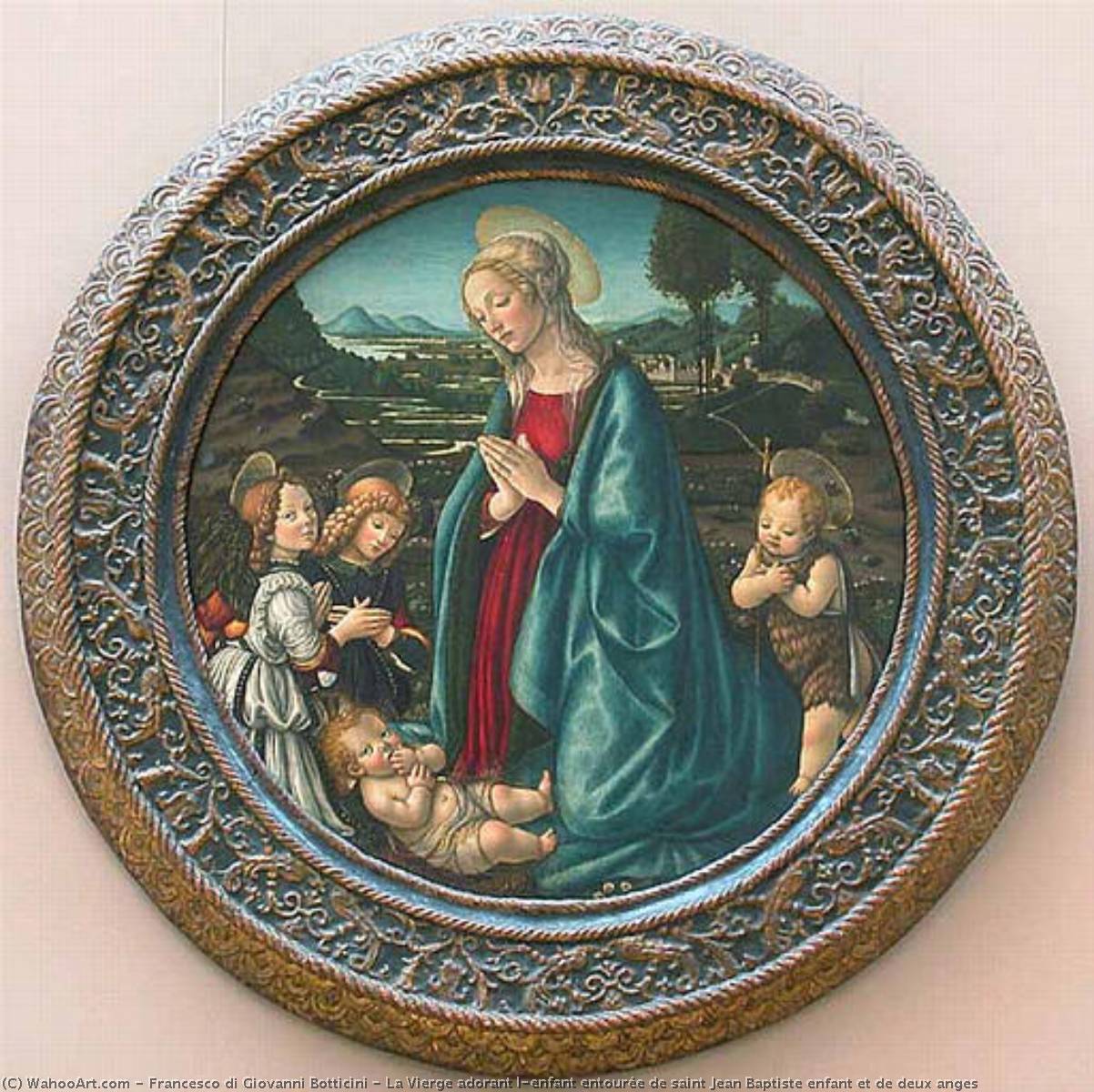
La Vierge adorant l'enfant entourée de saint Jean Baptiste enfant et de deux anges


 Pročitaj više
Kupite digitalnu sliku visoke rezolucije i poboljšanog kvaliteta, koja je znatno superiornija od onoga što vidite u online prikazu.
Svaka datoteka je pedantno pripremljena od strane naših stručnjaka koristeći napredne alate i profesionalnu ručnu retušu. Osiguravamo da svaka slika ima izuzetnu oštrinu, preciznu reprodukciju boja i fine detalje.
Konačna datoteka se dostavlja putem e-pošte u roku od 72 sata, optimizovana za neposrednu upotrebu u profesionalnim, izdavačkim i štamparskim okruženjima. To je isti kvalitet kojem veruju vrhunski studiji dizajna, izdavači i galerije.
Digitalna slika
Preuzmite datoteku visoke rezolucije za ličnu upotrebu, štampanje i kreativne projekte. ( Kupi print Kupi ručno naslikanu sliku)
Uključeno uz svaku porudžbinu digitalne slike
Profesionalna digitalna isporuka, zagarantovana
Kada odaberete ArtsDot.com, ne dobijate samo sliku – vi primate profesionalno unapređeno digitalno umetničko delo, izrađeno sa najvećom preciznošću i uz garanciju zadovoljstva. Evo svega što automatski dolazi uz vašu porudžbinu:

Brza dostava putem e-pošte
Vaša digitalna slika visoke rezolucije biće vam poslata putem e-pošte u roku od 72 sata od poručivanja – spremna za trenutnu upotrebu.

Digitalna datoteka unapređena veštačkom inteligencijom
Vaše umetničko delo je profesionalno optimizovano korišćenjem naprednih AI alata i ručne obrade, čime se osiguravaju maksimalni detalji, oštrina i preciznost boja.

Besplatna ponovna isporuka doživotno
Slučajno ste obrisali ili izgubili svoju datoteku? Ne brinite – poslaćemo vam je ponovo u bilo kom trenutku, potpuno besplatno.

Bez troškova uvoza – zauvek
Uživajte u svojim umetničkim delima trenutno, bez carine, dažbina ili troškova dostave – digitalni download je uvek bez poreza.

Garancija vernosti boja
Uz pomoć profesionalnih alata i upravljanja bojama, osiguravamo da vaša digitalna slika što vernije odražava originalne boje.

Garancija zadovoljstva u roku od 60 dana
Ako niste zadovoljni svojom digitalnom slikom, revidirat ćemo je ili vratiti 100% novca u roku od 60 dana – bez ikakvih pitanja.

100% garancija povrata novca
Niste zadovoljni? Obezbedite pun povrat novca u roku od 60 dana od trenutka kada ste primili svoju digitalnu datoteku – bez suvišnih pitanja.

Popusti na velike porudžbine
Kupite 3 slike, uštedite 10% - Kupite 5 slika, uštedite 15% - Kupite 10+ slika, uštedite 20%. Odlično za kreativne projekte, galerije i agencije.
La Vierge adorant l'enfant entourée de saint Jean Baptiste enfant et de deux anges: A Renaissance Reverie
Francesco Botticini’s “La Vierge adorant l’enfant entourée de saint Jean Baptiste enfant et de deux anges” stands as a cornerstone of Florentine Early Renaissance art, embodying the period’s profound spiritual yearning and masterful artistic innovation. Painted circa 1475-1476, this monumental tondo – a circular painting – transcends mere representation; it aspires to capture an idealized vision of divine motherhood and piety, cementing Botticini's place amongst the luminaries of his time.Subject Matter & Composition: A Symphony of Faith
The artwork depicts Mary cradling infant Jesus amidst a serene landscape bathed in soft, diffused light—a deliberate choice reflecting the prevailing humanist ideals that sought to reconcile faith with observation. Surrounding them are two angelic figures and Saint John the Baptist kneeling reverently, creating a harmonious tableau designed to inspire contemplation. Botticini’s compositional strategy prioritizes centrality, positioning Mary and Jesus at the heart of the scene, symbolizing their divine importance and reinforcing the narrative's core message: unwavering devotion to God’s grace. The distant landscape serves as a backdrop, subtly emphasizing the sanctity of the figures and grounding them in earthly reality—a hallmark of Renaissance artistic sensibility.Style & Technique: Botticini’s Delicate Touch
Botticini’s style exemplifies the hallmarks of Early Renaissance painting – characterized by meticulous realism combined with classical influences. He skillfully employs smooth, flowing lines to delineate drapery folds and facial features, achieving an unparalleled level of detail that captures the subtle nuances of human anatomy and expression. The artist utilizes a technique known as glazing—applying thin layers of translucent paint over underlying colors—to build up luminosity and depth, creating a captivating illusion of texture and volume. This meticulous layering contributes to the painting’s ethereal quality, mirroring the spiritual atmosphere it seeks to convey.Historical Context & Patronage: Florence Under Lorenzo de Medici
“La Vierge adorant l’enfant” was commissioned as the altarpiece for San Giovanni Decollato church in Modena during the reign of Lorenzo de Medici—the Magnificent—a period marked by artistic flourishing and humanist intellectualism. Botticini's work reflects the broader cultural landscape of Florence, where artists like Michelangelo and Leonardo da Vinci were reshaping European art with groundbreaking innovations. The patronage of influential families such as the Medici fueled creativity and ensured that masterpieces like this could be produced, securing Botticini’s legacy as a pivotal figure in Florentine artistic history.Symbolism & Emotional Impact: Reverence for Divine Grace
The painting overflows with symbolic elements designed to elevate its spiritual significance. The halos adorning Mary and Saint John the Baptist signify their holiness—a testament to Christian dogma—while the lily held by Mary symbolizes purity and virginity, embodying the Virgin Mother’s sanctity. Botticini's masterful depiction of emotion – particularly serenity and compassion – resonates deeply with viewers, inviting contemplation on themes of faith, love, and divine grace. The painting’s enduring beauty continues to inspire admiration centuries later, demonstrating its timeless appeal as a masterpiece of Renaissance art.Materials & Craftsmanship: A Testament to Artistic Skill
Botticini executed “La Vierge adorant l’enfant” on a wood panel using tempera paint—a technique known for its durability and luminous qualities. The smooth surface achieved through meticulous preparation and application underscores the artist's dedication to craftmanship, reflecting the highest standards of artistic excellence prevalent during his era. This enduring artwork stands as a testament to Botticini’s unparalleled skill and vision – securing his place among the most celebrated painters of the Renaissance.Srodna umetnička dela
Biografija umetnika
The Florentine Master: The Life and Legacy of Francesco Botticini
In the vibrant, sun-drenched streets of 15th-century Florence, amidst the burgeoning intellect of the Early Renaissance, lived a painter whose brush captured the profound spiritual essence of an era. Francesco di Giovanni Botticini, born around 1446, was far more than a mere contemporary to the giants of his age; he was a vital thread in the rich tapestry of Florentine art. While history often casts the spotlight on the monumental shadows of Leonardo da Vinci or Michelangelo, Botticini’s work offers a window into a period of exquisite transition, where the rigid structures of medieval devotion began to melt into the humanistic grace of the Renaissance.
Botticini’s journey into the heart of artistry was predestined by his lineage. Born into a family steeped in the traditions of the craft, he was the son of Giovanni di Domenico di Piero, a skilled painter of playing cards. This early exposure to the meticulous demands of pigment and design laid the groundwork for a career defined by precision and devotion. His formal education began in the prestigious workshop of Neri di Bicci, where, as an apprentice in 1459, he absorbed the foundational principles of fresco and the collaborative spirit of the Florentine studio system. However, it was his subsequent immersion in the atelier of the legendary Andrea del Verrocchio that truly transformed his vision. Within Verrocchio’s workshop—the same crucible that nurtured Leonardo da Vinci—Botticini learned to marry the sculptural depth of three-dimensional form with the ethereal beauty of tempera painting.
A Symphony of Devotion and Technique
The oeuvre of Botticini is a testament to his ability to evoke the divine through the tangible. His style, heavily influenced by the lyrical elegance of Botticelli and the structural clarity of Filippino Lippi, often centered on religious narratives that invited deep contemplation. One cannot discuss his mastery without reflecting on his monumental achievement, "The Assumption of the Virgin." This large-scale tempera on wood panel, now housed in the National Gallery in London, serves as a breathtaking display of his technical prowess. In this work, the heavens open to reveal a celestial hierarchy of angels, while the earthly realm is populated by disciples and donors, all rendered with a delicate balance of movement and stillness.
Botticini’s talent extended beyond grand altarpieces into the intimate realm of small-scale religious panels and portraits. His ability to manipulate light and shadow allowed him to create scenes of profound intimacy, such as his "Virgin and Child Enthroned," where the boundaries between the sacred and the human seem to dissolve. His technique often utilized the traditional medium of tempera, which lent a luminous, almost translucent quality to the skin of his holy figures, making them appear as though they were radiating an inner, spiritual light. Whether depicting the scholarly weight of Saint Jerome or the tender grace of the Madonna, Botticini possessed a unique gift for capturing the emotional gravity of his subjects.
Historical Significance and Rediscovery
The historical trajectory of Francesco Botticini is as poignant as the art he produced. For centuries, much of his contribution was obscured by the overwhelming legacies of his more famous peers. Many of his works were once attributed to other masters, lost in the shifting tides of art historical attribution. It is only through the meticulous efforts of modern scholars—reconstructing his oeuvre through stylistic analysis and archival research—that Botticini has been reclaimed as a significant voice of the Quattrocento.
Today, we recognize Botticini not merely as a student of Verrocchio or a follower of the Florentine tradition, but as an artist who contributed a distinct sense of serenity and spiritual depth to the Renaissance. His legacy resides in:
- The integration of sculptural form: Bringing a sense of weight and presence to religious figures through his training under Verrocchio.
- Mastery of the Florentine style: Contributing to the aesthetic language of grace, line, and luminosity that defined the era.
- Spiritual storytelling: Creating works that served as both educational tools for the faithful and profound objects of meditation.
As we gaze upon his surviving panels, we see more than just paint on wood; we see the enduring spirit of a master who, though he lived in the shadow of giants, left an indelible mark upon the soul of Florence.
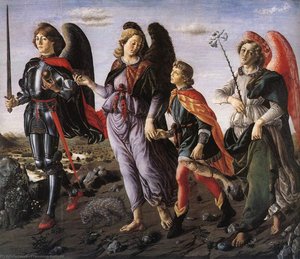
francesco di giovanni botticini
1446 - 1498
Kratke činjenice
- Artistic Movement Or Style: Early Renaissance
- Artists Who Influenced This Artist:
- Neri di Bicci
- Andrea del Verrocchio
- Date Of Death: 1498
- Full Name: Francesco di Giovanni Botticini
- Nationality: Italian
- Notable Artworks:
- Assumption of the Virgin
- Sacrament Tabernacle
- Saint Sebastian
- Saint Cecilia Between Saint Valerian and Saint Tiburtius with a Donor
- Place Of Birth: Florence, Italy

