

 Pregledaj u prostoru
 Pošalji
 Podeli
 Detalji o delu

 Преузми
 Slični predmeti
 Rendgenski snimak
 Slajdovi
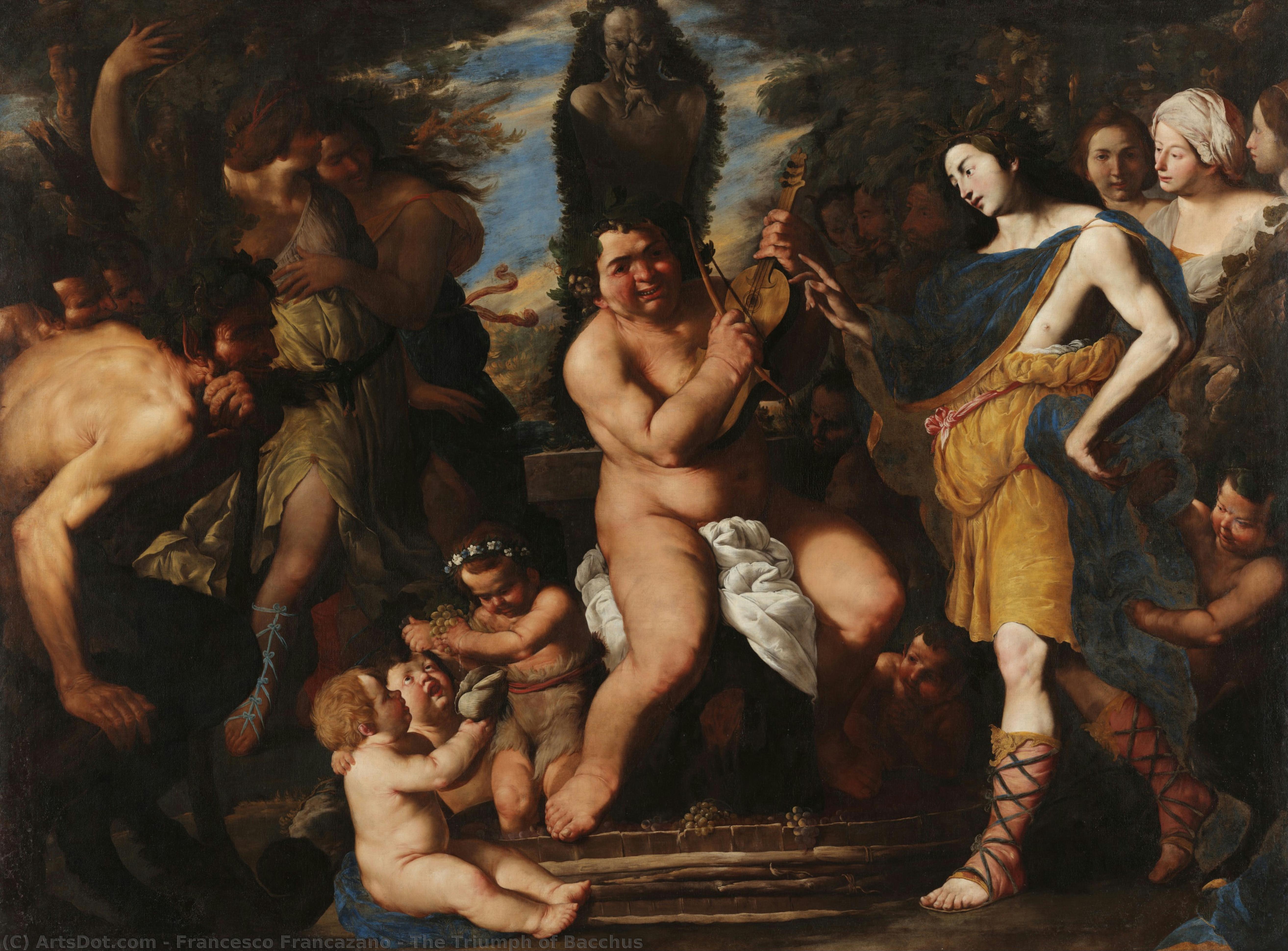
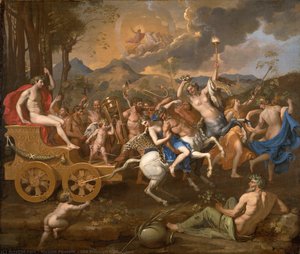
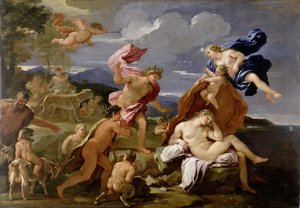
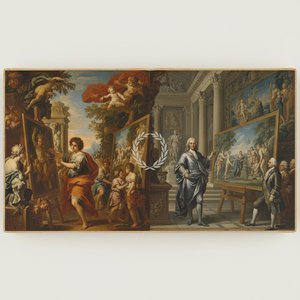
The Triumph of Bacchus


 Pročitaj više
Ručno rađena uljana reprodukcija
Ručno oslikano uljanim bojama na platnu u dimenzijama i okviru po vašem izboru, izrađeno po porudžbini od strane naših umetnika. ( Kupi print Kupi digitalnu sliku)




































Izaberite jednu od naših unapred definisanih veličina koje odgovaraju originalnim proporcijama umetničkog dela.

Можете унети сопствене димензије како бисте прилагодили дело одређеном оквиру или простору. Ако одабрана величина не одговара пропорцијама оригинала, слика ће бити исечена или проширена додатним елементима који се ручно насликавају. Дигитални prikaz ће вам бити послат на одобрење пре почетка производње.
Имајте на уму да преглед на екрану не одражава стварно исецање или проширење. Само приказ (mockup) ће тачно приказати коначну композицију.
Иако су доступне прилагођене величине, препоручујемо да одаберете димензију из дефинисане листе како бисте сачували оригиналне пропорције.
Nakon narudžbine, tim ArtsDot.com će klijentu putem e-pošte poslati uputstva i dostaviti prikaz predloženog rešenja
Isporuka širom sveta () za 3/4 nedelje umesto uobičajenih 5 nedelja. (29 август). Bez kompromisa po pitanju kvaliteta.

Besplatna ekspresna dostava širom sveta

Visokokvalitetno laneno platno

Kompletno osiguranje transporta

Garancija povraćaja carine i uvoznih dažbina

Garancija vernosti boja

Politika povrata u roku od 60 dana (samo u slučaju nedostataka)

Garancija povrata novca od 100%

Popust pri grupnoj kupovini
 Opcija sa staklom dostupna je samo za dimenzije manje od 110 cm

The Triumph of Bacchus
Tehnika reprodukcije
Dimenzije reprodukcije
-


Konačna cena
$ 388
Srodna umetnička dela
Biografija umetnika
The Dramatic Voice of Baroque Naples
Francesco Francazano, often recognized by his name Cesare, was a luminous figure within the Neapolitan Baroque school, a painter whose brush captured the very essence of seventeenth-century spiritual fervor and theatrical intensity. Born in 1605 in the Italian town of Bisceglie, he emerged from a lineage steeped in artistic tradition; his father, Alessandro, was a nobleman from Verona with Mannerist inclinations, ensuring that Francesco’s early years were saturated with the language of form and light. As a pivotal artist of the Neapolitan era, Francazano did not merely observe the world around him but sought to dramatize it, utilizing the profound emotional depth and technical mastery that defined the golden age of Italian Baroque painting.
The trajectory of his career was shaped by a series of profound encounters with the masters of his time. His formative training was deeply rooted in the study of Spagnoletto (Jusepe de Ribera), whose uncompromising naturalism and mastery of light provided the foundation for Francaziente's early explorations. This connection to the Caravaggist tradition allowed him to experiment with tenebrism—that striking, almost violent contrast between shadow and illumination—to create works that felt immediate and physically present. However, his vision was never confined to the darkness of a single style; he possessed a remarkable ability to synthesize the rugged realism of Ribera with the sweeping grandeur and idealized grace found in the works of Tintoretto, the Carracci brothers, and Guido Reni.
A Synthesis of Light and Grace
As his career progressed, Francazano’s palette and technique underwent a fascinating evolution, moving from the starker influences of his youth toward a more disciplined and academic elegance. In his earlier years, particularly during his time in Naples around 1630, one can observe a fascination with vibrant colors—brilliant reds and warm ochres—that suggest an awareness of the glowing, atmospheric qualities championed by artists like Van Dyck. His works from this period, such as his depictions of saints, often balance a sense of physical weight with a celestial luminosity, creating a tension between the earthly and the divine.
Later in life, particularly after 1640, his art began to reflect a more structured and refined sensibility. The influence of Massimo Stanzione brought a newfound discipline to his compositions, while the lyrical beauty of Guido Reni infused his later religious subjects with a sense of classical poise. This transition from the raw, emotive power of Caravaggism to a more sophisticated, academic style demonstrates an artist who was constantly in dialogue with the changing currents of European art. Whether working on large-scale frescoes for the vaults of Neapolitan churches or intimate canvases for noble palaces, his ability to command both scale and detail remained unparalleled.
Legacy and Artistic Significance
The historical significance of Francesco Francazano lies in his role as a bridge between the revolutionary naturalism of the early seventeenth century and the more refined, classical Baroque that followed. His legacy is preserved not only in the great collections of Naples and Rome but also in international institutions such as the Museo del Prado in Madrid, which houses his evocative depictions of human struggle. Through his work, we witness the transformation of Neapolitan art from a movement of shadow and grit into one of light, color, and sophisticated grace.
To reflect on the breadth of his contribution, one might consider the following pillars of his artistic identity:
- Mastery of Chiaroscuro: His ability to use dramatic light to sculpt form and evoke psychological depth.
- Stylistic Versatility: The seamless integration of Ribera’s realism with the elegance of Reni and the grandeur of Tintoretto.
- Cultural Impact: His role in enriching the artistic landscape of both Apulia and Naples, leaving a permanent mark on the churches and palaces of Southern Italy.
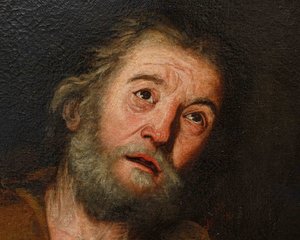
francesco francazano
1605 - 1651 , Italy
Osnovne informacije
- Artistic Movement Or Style: Caravaggism
- Artists Or Movements Influenced By This Artist: ['Van Dyck']
- Artists Who Influenced This Artist:
- Spagnoletto
- Ribera
- Tintoretto
- Carracci
- René
- Date Of Birth: 1605 Bisceglie, Italy
- Date Of Death: 1651 Barletta, Italy
- Full Name: Francesco Francazano
- Nationality: Italian
- Notable Artworks:
- Two Wrestlers
- St John the Baptist
- Place Of Birth: Bisceglie
Povezani članci

Cultivating Ambiance: A Curatorial Guide to Art Selection for Wine Cellars and Tasting Rooms – Enhancing Oenological Experience Through Landscape, Symbolism, and Interior Harmony
Elevate your wine cellar or tasting room with curated art! Expert guidance on landscape paintings, symbolism & lighting to enhance the oenological experience. Discover how art transforms spaces and tells your winery's story.

Барокна драма: Уношење величине и емоција у савремене ентеријере
Откријте барокну драму и унесите величину у ваш ентеријер! ArtsDot нуди ручно насликане репродукције, персонализоване портрете и стручне консултације за љубитеље класичне уметности. Потражите савршено дело већ данас!

Barok Majstor dela: Top 10 Umjetničkih Remeka za Vaš Dom
Otkrijte 10 remek dela koja su definisala baroknu umetnost! Karavagio, Bernini i više – istražite priče iza ovih ikoničnih slika. Inspiracija za vaš dom? Pogledajte kolekciju na ArtsDot.com!
Simon Vouet: A Baroque Master's Journey from Italian Influence to French Classicism
Explore the life & art of Simon Vouet, a pivotal French Baroque painter who introduced Italian styles to France. Discover his masterpieces and lasting influence on 17th-century art.

The Dramatic Flourish: Exploring the Baroque Movement's Enduring Legacy in Art History
Explore the dramatic world of Baroque art! Discover iconic artists like Caravaggio & Rubens, defining techniques, and its lasting impact on art history. Expert insights for collectors & enthusiasts at ArtsDot.

