

 Pregledaj u prostoru
 Pošalji
 Podeli
 Detalji o delu

 Преузми
 Slični predmeti
 Rendgenski snimak
 Slajdovi
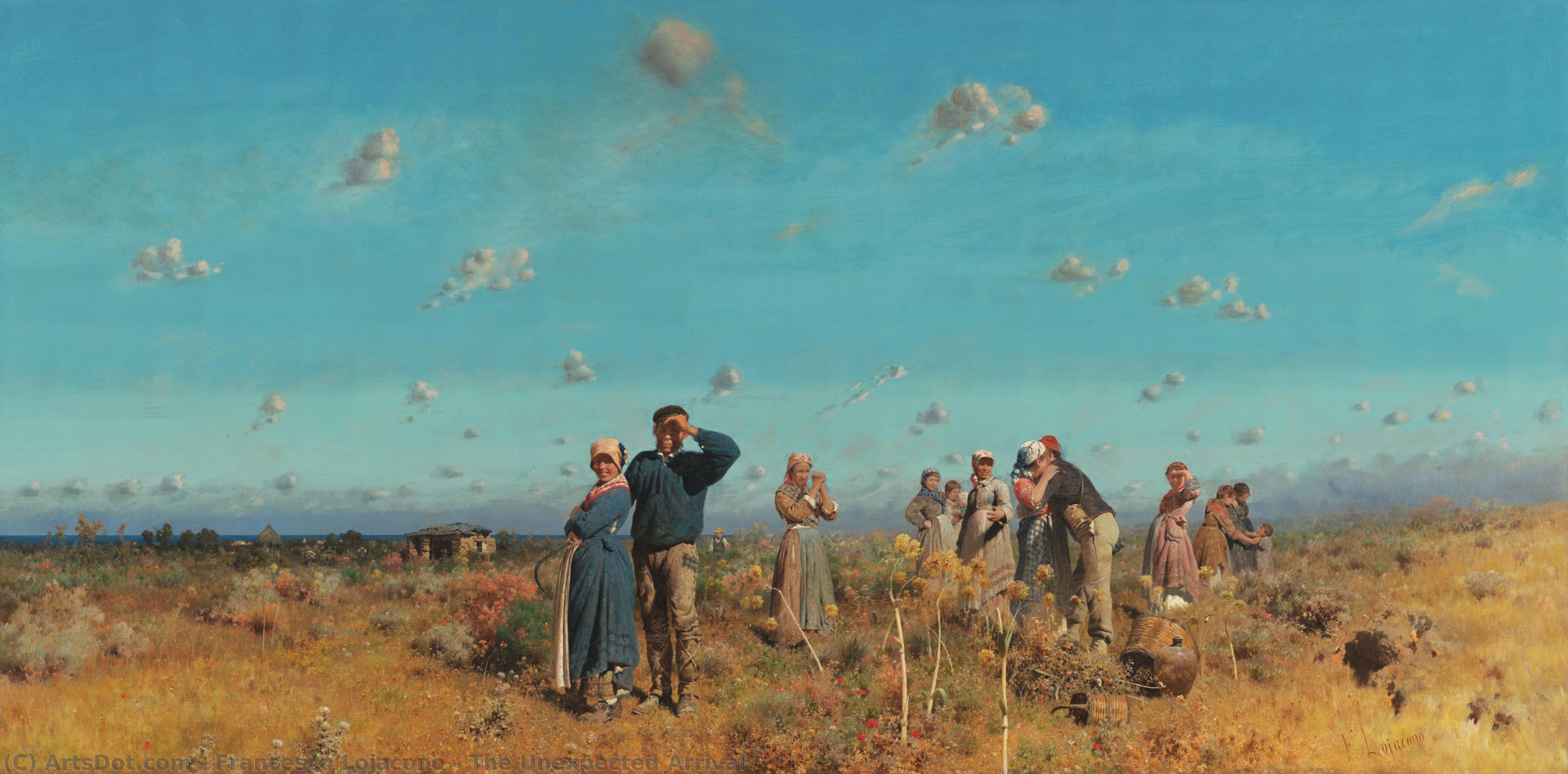
The Unexpected Arrival


 Pročitaj više
Kupite digitalnu sliku visoke rezolucije i poboljšanog kvaliteta, koja je znatno superiornija od onoga što vidite u online prikazu.
Svaka datoteka je pedantno pripremljena od strane naših stručnjaka koristeći napredne alate i profesionalnu ručnu retušu. Osiguravamo da svaka slika ima izuzetnu oštrinu, preciznu reprodukciju boja i fine detalje.
Konačna datoteka se dostavlja putem e-pošte u roku od 72 sata, optimizovana za neposrednu upotrebu u profesionalnim, izdavačkim i štamparskim okruženjima. To je isti kvalitet kojem veruju vrhunski studiji dizajna, izdavači i galerije.
Digitalna slika
Preuzmite datoteku visoke rezolucije za ličnu upotrebu, štampanje i kreativne projekte. ( Kupi print Kupi ručno naslikanu sliku)
Uključeno uz svaku porudžbinu digitalne slike
Profesionalna digitalna isporuka, zagarantovana
Kada odaberete ArtsDot.com, ne dobijate samo sliku – vi primate profesionalno unapređeno digitalno umetničko delo, izrađeno sa najvećom preciznošću i uz garanciju zadovoljstva. Evo svega što automatski dolazi uz vašu porudžbinu:

Brza dostava putem e-pošte
Vaša digitalna slika visoke rezolucije biće vam poslata putem e-pošte u roku od 72 sata od poručivanja – spremna za trenutnu upotrebu.

Digitalna datoteka unapređena veštačkom inteligencijom
Vaše umetničko delo je profesionalno optimizovano korišćenjem naprednih AI alata i ručne obrade, čime se osiguravaju maksimalni detalji, oštrina i preciznost boja.

Besplatna ponovna isporuka doživotno
Slučajno ste obrisali ili izgubili svoju datoteku? Ne brinite – poslaćemo vam je ponovo u bilo kom trenutku, potpuno besplatno.

Bez troškova uvoza – zauvek
Uživajte u svojim umetničkim delima trenutno, bez carine, dažbina ili troškova dostave – digitalni download je uvek bez poreza.

Garancija vernosti boja
Uz pomoć profesionalnih alata i upravljanja bojama, osiguravamo da vaša digitalna slika što vernije odražava originalne boje.

Garancija zadovoljstva od 100 dana
Ako niste zadovoljni svojom digitalnom slikom, izvršićemo reviziju ili ćemo vam vratiti 100% novca u roku od 100 dana – bez ikakvih pitanja.

100% garancija povrata novca
Niste zadovoljni? Dobijte puni povraćaj novca u roku od 100 dana od prijema digitalne datoteke – bez suvišnih pitanja.

Popusti na velike porudžbine
Kupite 3 slike, uštedite 10% - Kupite 5 slika, uštedite 15% - Kupite 10+ slika, uštedite 20%. Odlično za kreativne projekte, galerije i agencije.
A Golden Moment in Italian Realism
In the vast, sun-drenched expanse of Francesco Lojacono’s 1883 masterpiece, The Unexpected Arrival, the viewer is immediately transported to a moment of profound stillness within the Italian countryside. This monumental oil on canvas serves as more than just a landscape; it is a window into the soul of the late 19th-century rural experience. The composition is defined by an immense, reverberating brightness, where a brilliant light blue sky, punctuated by soft, drifting clouds, meets a sea of undulating golden fields. As the eye wanders across the horizon, one encounters a group of figures—likely laborers or farmers—whose presence provides a poignant human anchor to the overwhelming scale of nature. The painting captures a sense of quietude and shared experience, evoking a mood that oscillates between peaceful contemplation and a subtle, lingering melancholy.
The historical significance of this work is as grand as its physical scale. Originally purchased by the sovereigns of Italy in 1883 during the Fine Arts Exhibition in Rome for the prestigious Savoy collections, the painting was destined for the Royal Villa of Monza before eventually finding its place in the Quirinal Palace. This lineage of ownership underscores the artist's standing within the Italian art canon; Lojacono, a master of his craft, was even honored with the title of Commander of the Crown of Italy. Often referred to by critics as a subject of the Risorgimento—or more evocatively as The Return of the Conscript—the work carries the weight of national identity, reflecting the social shifts and the enduring spirit of the Italian peasantry during a transformative era in European history.
Mastery of Light and Texture
Technically, Lojacono demonstrates an extraordinary command over the medium of oil paint, utilizing a meticulous approach to realism that breathes life into every blade of grass and fold of fabric. The artist employs a sophisticated palette of muted earth tones—deep browns, soft greys, and weathered blues—which harmonize beautifully with the vibrant gold of the harvest and the ethereal azure of the sky. There is a deliberate play between the horizontal dominance of the landscape and the subtle verticality found in the figures and distant structures, creating a balanced, rhythmic composition that guides the viewer’s gaze through the depth of the field. The texture of the painting is particularly captivating; through visible yet controlled brushstrokes, Lojacono creates a tactile sensation of the rough grasses and the heavy, sun-warmed clothing of the subjects.
For the discerning collector or interior designer, The Unexpected Arrival offers an unparalleled opportunity to introduce a sense of historical grandeur and atmospheric depth into a space. The painting’s ability to command attention through its sheer scale and luminous quality makes it a breathtaking centerpiece for any curated collection. Whether placed in a formal gallery setting or used to anchor a sophisticated contemporary room, the artwork provides a timeless connection to the beauty of the natural world and the dignity of human labor. It is an evocative piece that does not merely decorate a wall but invites a continuous dialogue between the viewer and the golden light of a bygone era.
Srodna umetnička dela
Biografija umetnika
William Keith: A Pioneer of California Tonalism
Born in Oldmeldrum, Aberdeenshire, Scotland, on November 18, 1838, William Keith’s artistic journey took him from the rugged landscapes of his homeland to the sun-drenched vistas of California. His early life was marked by a swift emigration with his family to New York City in 1850, where he apprenticed as an engraver – a skill that would later inform his meticulous attention to detail and tonal control. This initial training provided a foundation for his evolving artistic style, yet it was his relocation to San Francisco in 1859 that truly ignited his passion for painting. Keith’s lineage, claiming descent from the Scottish Clan Keith, added an intriguing layer to his identity, though this claim remains largely anecdotal.
Initially struggling to secure work as a painter, Keith quickly established himself through commissions and, crucially, by embracing a distinctly American aesthetic. He sought guidance from Samuel Marsden Brookes in 1863, absorbing elements of the burgeoning Tonalist movement – an approach emphasizing subtle gradations of tone and atmospheric effects over sharp outlines and detailed representation. This influence is evident in his early watercolors depicting Yosemite Valley and other High Sierra scenes, capturing not just the visual appearance but also the *feeling* of these majestic landscapes. His work during this period demonstrates a remarkable sensitivity to light and shadow, anticipating the later developments of American Barbizon painters who sought to emulate the French masters’ focus on tonal harmony.
European Studies and Artistic Evolution
Recognizing the need for broader artistic experience, Keith embarked on two significant study trips to Europe – first in 1867-68, then again in 1879. These journeys profoundly shaped his artistic development. He spent time in Paris, immersing himself in the works of artists like Jean-Baptiste Camille Corot and Gustave Courbet, absorbing their techniques for capturing atmospheric effects and rendering natural forms with subdued colors. His return to America brought a renewed confidence and a more refined approach to composition and color palette. The influence of these European experiences is particularly noticeable in his later landscapes, which retain the tonal qualities of his earlier work while exhibiting a greater sense of spatial depth and formal structure.
Keith’s artistic practice wasn't confined solely to landscape painting. He also produced portraits and genre scenes, often depicting rural life with a quiet dignity and understated charm. His subjects – farmers, laborers, and families – were rendered with a remarkable empathy, reflecting his own connection to the land and its people. He was particularly interested in capturing the essence of ordinary individuals, eschewing dramatic poses or elaborate settings in favor of simple, intimate scenes.
California Landscapes and Tonalist Principles
Keith’s career truly flourished in California, where he established a studio in San Francisco and became one of the state's leading landscape painters. He developed a distinctive style characterized by its subtle tonal harmonies, atmospheric perspective, and evocative sense of place. His paintings are not merely representations of scenery; they are meditations on light, color, and mood – capturing the spirit of the California wilderness with remarkable sensitivity. Keith’s commitment to Tonalism is evident in his deliberate avoidance of harsh contrasts and his preference for blending colors seamlessly to create a sense of unity and tranquility.
Keith's artistic philosophy was deeply personal. He famously stated, “My subjective pictures are the ones that come from the inside. I feel some emotion and I immediately paint a picture that expresses it.” He believed that true art should not rely on external influences or objective observation but rather on an artist’s inner experience. This conviction shaped his approach to painting, leading him to prioritize emotional expression over technical virtuosity. His work is imbued with a quiet introspection and a profound appreciation for the beauty of the natural world.
Legacy and Historical Significance
William Keith's contribution to American art lies primarily in his pioneering role as a Tonalist painter in California. He helped establish this movement’s foothold on the West Coast, influencing generations of artists who followed. His paintings are now recognized for their atmospheric qualities, emotional depth, and understated beauty. Keith’s work stands as a testament to the power of observation, empathy, and artistic vision – a reminder that true art is not simply about depicting reality but about capturing its essence.
He died in 1911, leaving behind a substantial body of work that continues to resonate with viewers today. His paintings are held in numerous public and private collections, including the Smithsonian American Art Museum and the California Palace of Fine Arts Collection. William Keith’s legacy endures as a significant figure in the history of American art, a quiet giant who shaped the landscape of California painting.
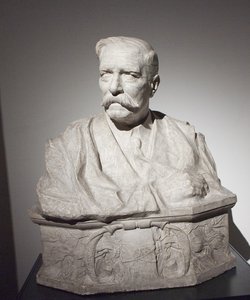
francesco lojacono
1838 - 1915
Kratke činjenice
- Artistic Movement Or Style: Genre, Landscape
- Artists Or Movements Influenced By This Artist: ['American Society']
- Artists Who Influenced This Artist: ['National Academy']
- Date Of Birth: March 20, 1838
- Date Of Death: 1918
- Full Name: William Magrath
- Nationality: Irish
- Notable Artworks:
- Cotton Plantation
- Levee, New Orleans
- Place Of Birth: Cork, Ireland