 Pregledaj u prostoru
 Pošalji
 Podeli
 Detalji o delu

 Преузми
 Slični predmeti
 Rendgenski snimak
 Slajdovi
The Parable of the Workers in the Vineyard


 Pročitaj više
Ručno rađena uljana reprodukcija
Ručno oslikano uljanim bojama na platnu u dimenzijama i okviru po vašem izboru, izrađeno po porudžbini od strane naših umetnika. ( Kupi print Kupi digitalnu sliku)




P118B $10

P118H $10

P118W $10

P438Z $10

P508JH $12

P508YH $12

P805H $10

P805Z $10

P919BZ $10

P919G $10

P919XJ $10

P959ZH $10

P968JZ $12

W106C $8

W218G $10

W218JH $8

W218Y $10

W307PJ $10

W316G $10

W316PJ $8

W316Y $10

W398PJ $8

W4111J $10

W500HY $15

W500JH $15

W692G $12

W849H $8

W940BG $15

W953PJ $8




Izaberite jednu od naših unapred definisanih veličina koje odgovaraju originalnim proporcijama umetničkog dela.

Можете унети сопствене димензије како бисте прилагодили дело одређеном оквиру или простору. Ако одабрана величина не одговара пропорцијама оригинала, слика ће бити исечена или проширена додатним елементима који се ручно насликавају. Дигитални prikaz ће вам бити послат на одобрење пре почетка производње.
Имајте на уму да преглед на екрану не одражава стварно исецање или проширење. Само приказ (mockup) ће тачно приказати коначну композицију.
Иако су доступне прилагођене величине, препоручујемо да одаберете димензију из дефинисане листе како бисте сачували оригиналне пропорције.
Nakon narudžbine, tim ArtsDot.com će klijentu putem e-pošte poslati uputstva i dostaviti prikaz predloženog rešenja
Isporuka širom sveta () za 3/4 nedelje umesto uobičajenih 5 nedelja. (26 август). Bez kompromisa po pitanju kvaliteta.

Besplatna ekspresna dostava širom sveta

Visokokvalitetno laneno platno

Kompletno osiguranje transporta

Garancija povraćaja carine i uvoznih dažbina

Garancija vernosti boja

Politika povrata u roku od 60 dana (samo u slučaju nedostataka)

Garancija povrata novca od 100%

Popust pri grupnoj kupovini
 Opcija sa staklom dostupna je samo za dimenzije manje od 110 cm

The Parable of the Workers in the Vineyard
Tehnika reprodukcije
Dimenzije reprodukcije
-


Konačna cena
$ 438
Opis umetničkog dela
A Masterpiece of Baroque Compassion
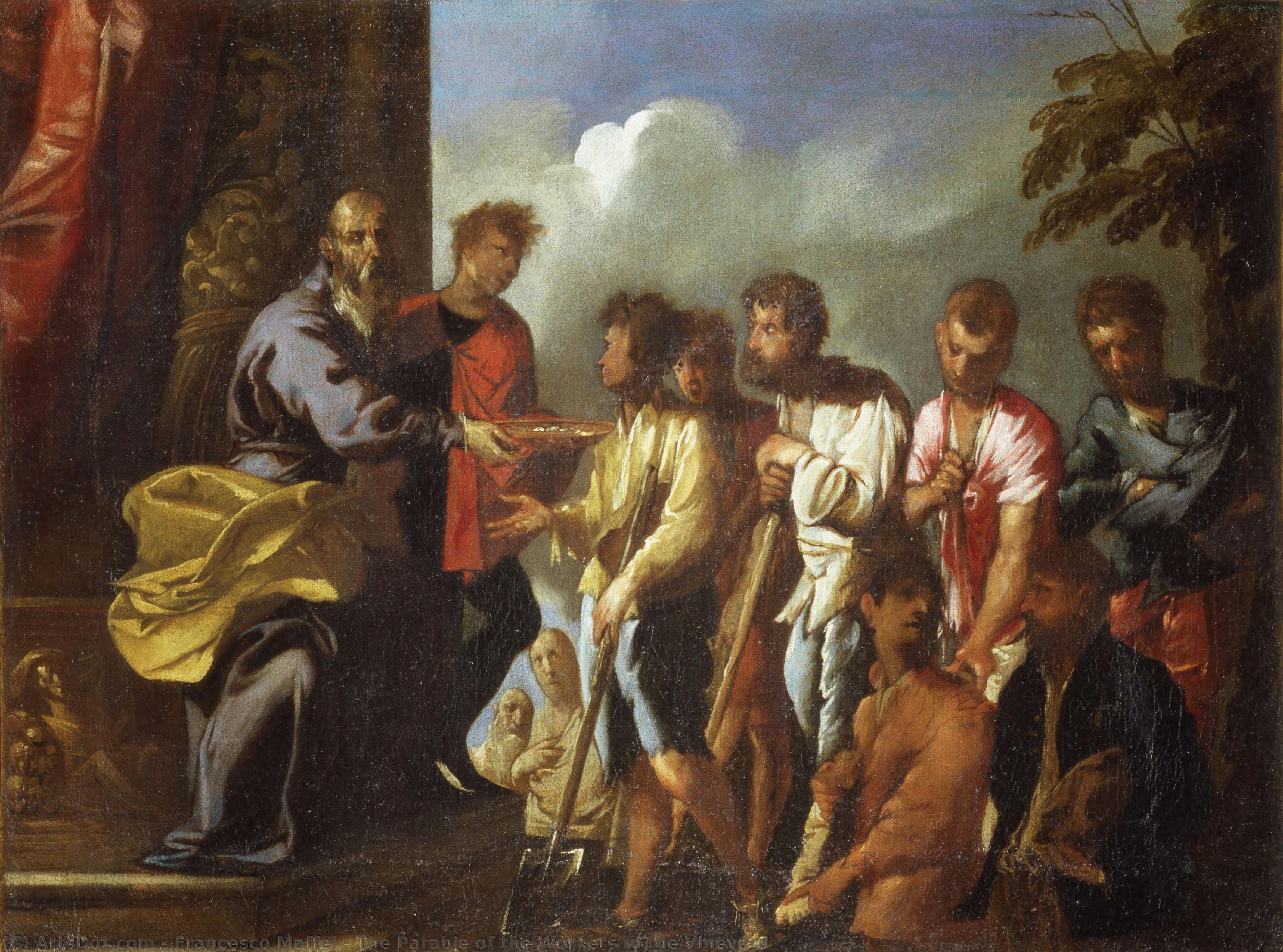
In the profound depths of Francesco Maffei’s 1645 masterpiece, The Parable of the Workers in the Vineyard, viewers are transported into a world where the divine meets the earthly through an act of profound generosity. This Baroque-style oil painting serves as more than just a depiction of a biblical narrative; it is a theatrical stage of human emotion and spiritual grace. At its heart, the composition centers on a moment of quiet charity, featuring an elderly, bearded figure who offers sustenance to a group of the most vulnerable members of society. The arrangement of the figures follows a masterful pyramidal structure, providing a sense of classical stability that simultaneously guides the eye through a dynamic, sweeping movement across the canvas.
The painting’s visual power is anchored by its dramatic use of chiaroscuro, a hallmark of the Baroque era. Maffei employs intense contrasts between light and shadow to sculpt the figures from the darkness, lending them a palpable, three-dimensional presence. A sudden, heavenly shot of light piercles through the clouds in the background, illuminating the sky and casting a celestial glow upon the peasants below. This interplay of light does not merely illuminate; it sanctifies the scene, turning a simple act of feeding the hungry into a monumental display of divine providence. The way the light catches the textures of weathered skin, coarse clothing, and the delicate edges of the clouds creates an immersive atmosphere that feels both intimate and epic.
Technique, Texture, and Chromatic Vitality
Recent restoration efforts have breathed new life into Maffei’s palette, revealing a hidden vibrancy that had long been suppressed by aged varnishes. The painting possesses a remarkable chromatic vitality, where tender hues of yellow, soft blue, and delicate pink emerge from the darker, architectural shadows. These colors dance against a more somber background, creating a tension between the earthly toil of the workers and the ethereal beauty of the heavens. The artist’s technique is characterized by smooth, deliberate brushstrokes that render textures with breathtaking realism—from the heavy, worn fabric of the peasants' rag shoes to the intricate, decorative flourishes found on the base of the composition.
For the discerning collector or interior designer, this artwork offers a sophisticated balance of drama and serenity. The color palette, dominated by deep blues and earthy browns but punctuated by touches of gold and red, allows it to integrate seamlessly into both classical and contemporary luxury settings. The painting’s ability to command attention through its scale and emotional weight makes it an ideal focal point for a curated gallery or a grand living space. It is a piece that invites long periods of contemplation, rewarding the viewer with new details—a sketched figure in the periphery, a shift in light, or a subtle change in shadow—each time they encounter it.
Symbolism and Lasting Emotional Resonance
Beyond its technical brilliance, The Parable of the Workers in the Vineyard is a profound meditation on human responsibility and the concept of grace. The act of donation depicted here transcends mere physical feeding; it symbolizes the distribution of divine mercy to all, regardless of their station in life. The contrast between the darker, structured architecture and the bright, expansive sky serves as a metaphor for the boundary between our mortal struggles and the infinite promise of the spiritual realm. Maffei captures a sense of solemnity that is deeply moving, evoking feelings of empathy, reverence, and hope.
Owning a high-quality reproduction of this work allows one to bring this narrative of compassion into the modern home. It serves as a constant reminder of the beauty found in selfless acts and the enduring power of light over darkness. Whether viewed as an exploration of 17th-century Italian mastery or as a timeless moral lesson, Maffei’s work remains a captivating testament to the ability of art to elevate the human spirit and transform a space into a sanctuary of reflection.
Srodna umetnička dela




Biografija umetnika
Johannes Stradanus: A Florentine Master of the Sixteenth Century
Born in Bruges around 1523 and passing away in Florence in 1605, Johannes Stradanus – also known as Jan van der Straet or Giovanni Stradano – stands as a pivotal figure bridging the artistic currents of the Northern Renaissance with the burgeoning dynamism of Italian Mannerism. His life was one of constant movement, a testament to his ambition and intellectual curiosity, ultimately establishing him as a remarkably versatile artist active across Flanders, Italy, and beyond. Stradanus wasn’t merely a painter; he was a designer, printmaker, tapestry weaver, and even a decorator for the Medici court – a true polymath whose influence resonated throughout Europe.
Stradanus's early training occurred within the workshop of his father, a Flemish painter, followed by studies with Pieter Aertsen in Antwerp. This exposure to the established artistic traditions of Flanders instilled in him a solid foundation in composition and technique. However, it was his relocation to Florence that truly ignited his creative spirit and propelled him towards a distinctly Mannerist style. The vibrant atmosphere of the Florentine art scene, coupled with his encounters with leading artists like Rosso Fiorentino and Pontormo, profoundly shaped his artistic vision. He embraced the Italian penchant for elongated figures, complex spatial arrangements, and an emphasis on emotional expression – characteristics that distinguished him from the more restrained Northern Renaissance aesthetic.
A Court Artist and Designer of Grandeur
Stradanus quickly established himself as a sought-after artist within the Florentine court. His talent was recognized by the Medici family, who commissioned him for numerous projects, including elaborate altarpieces for prominent churches like Santa Felicita and San Lorenzo. These monumental works showcased his mastery of fresco painting, employing intricate designs and dramatic narratives to convey religious themes. Beyond painting, Stradanus’s skills extended to tapestry design – a highly valued profession at the time – creating opulent fabrics adorned with mythological scenes and allegorical representations for the Medici palace. His ability to seamlessly blend these diverse artistic disciplines cemented his position as a leading figure in Florentine courtly culture.
His influence wasn't limited to Florence; Stradanus traveled extensively, working on commissions throughout Italy, including Rome and Naples. He became involved with the Accademia e Compagnia delle Arti del Disegno, one of the earliest artistic academies established in Florence, reflecting his commitment to professionalizing art practice. He also played a crucial role in the development of printmaking, collaborating with engravers and publishers to disseminate his designs across Europe. His innovative approach to combining engraving and etching on a single plate became increasingly popular, contributing significantly to the spread of Mannerist imagery.
Style and Technique: A Synthesis of Influences
Stradanus’s artistic style is characterized by a sophisticated synthesis of Northern and Italian influences. He retained elements of Flemish realism – particularly in his rendering of figures and details – while embracing the dynamism, elegance, and psychological depth associated with Mannerism. His compositions are often complex and layered, featuring elongated figures, dramatic gestures, and intricate decorative patterns. He skillfully employed color to create a sense of atmosphere and emotional intensity, utilizing subtle gradations and contrasting hues to heighten visual impact.
His printmaking was equally innovative. Stradanus’s engravings were renowned for their precision, detail, and expressive quality. He demonstrated a remarkable ability to capture the nuances of human emotion and movement in his prints, often drawing inspiration from classical mythology and religious subjects. He wasn't simply reproducing existing images; he was actively shaping artistic trends through his designs.
Legacy and Historical Significance
Johannes Stradanus’s legacy extends far beyond his individual works. He served as a crucial bridge between the Northern and Southern Renaissance, facilitating the exchange of ideas and techniques across Europe. His versatility as an artist – encompassing painting, tapestry design, printmaking, and decorative arts – exemplifies the interconnectedness of artistic practices during the 16th century. Stradanus’s contributions to the development of Mannerism and printmaking are particularly noteworthy, shaping the course of European art history. He remains a testament to the dynamism and intellectual curiosity that defined the era, leaving behind a rich body of work that continues to captivate viewers today.
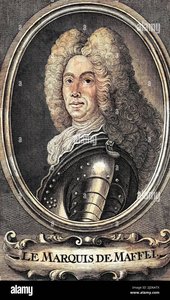
francesco maffei
1605 - 1660 , Italy
Osnovne informacije
- Artistic Movement Or Style: Renaissance, Baroque
- Artists Or Movements Influenced By This Artist: ['Romanists']
- Artists Who Influenced This Artist: ['Pieter Aertsen']
- Date Of Birth: 1523
- Date Of Death: 1605
- Full Name: Johannes Stradanus
- Nationality: Flemish
- Notable Artworks:
- Landscape with fishermen
- Portrait of Cardinal Agucchi
- A Virgin with a Unicorn
- Place Of Birth: Bruges, Flanders
Povezani članci

The Dramatic Flourish: Exploring the Baroque Movement's Enduring Legacy in Art History
Explore the dramatic world of Baroque art! Discover iconic artists like Caravaggio & Rubens, defining techniques, and its lasting impact on art history. Expert insights for collectors & enthusiasts at ArtsDot.
Decoding Baroque Grandeur: A Guide to the Drama and Emotion of 17th-Century Art
Explore the breathtaking drama of 17th-century Baroque art. Our expert guide decodes the use of chiaroscuro, emotional intensity, and historical grandeur to help you appreciate and curate timeless masterpieces for your collection.

Baroque Classicism: Reconciling Drama & Order in 17th-Century Art
Explore the captivating world of Baroque Classicism! Discover its history, key artists like Caravaggio & Rubens, and defining characteristics. Expert insights & high-quality reproductions at ArtsDot.

The Visceral Stage: Exploring Dramatic Narratives & Emotional Intensity in Baroque Art
Explore the dramatic world of Baroque art! Discover iconic masters like Caravaggio & Rembrandt, their techniques, and the movement's lasting impact. Expert insights for collectors & enthusiasts at ArtsDot.

Barok Majstor dela: Top 10 Umjetničkih Remeka za Vaš Dom
Otkrijte 10 remek dela koja su definisala baroknu umetnost! Karavagio, Bernini i više – istražite priče iza ovih ikoničnih slika. Inspiracija za vaš dom? Pogledajte kolekciju na ArtsDot.com!