

 Pregledaj u prostoru
 Pošalji
 Podeli
 Detalji o delu

 Преузми
 Slični predmeti
 Rendgenski snimak
 Slajdovi
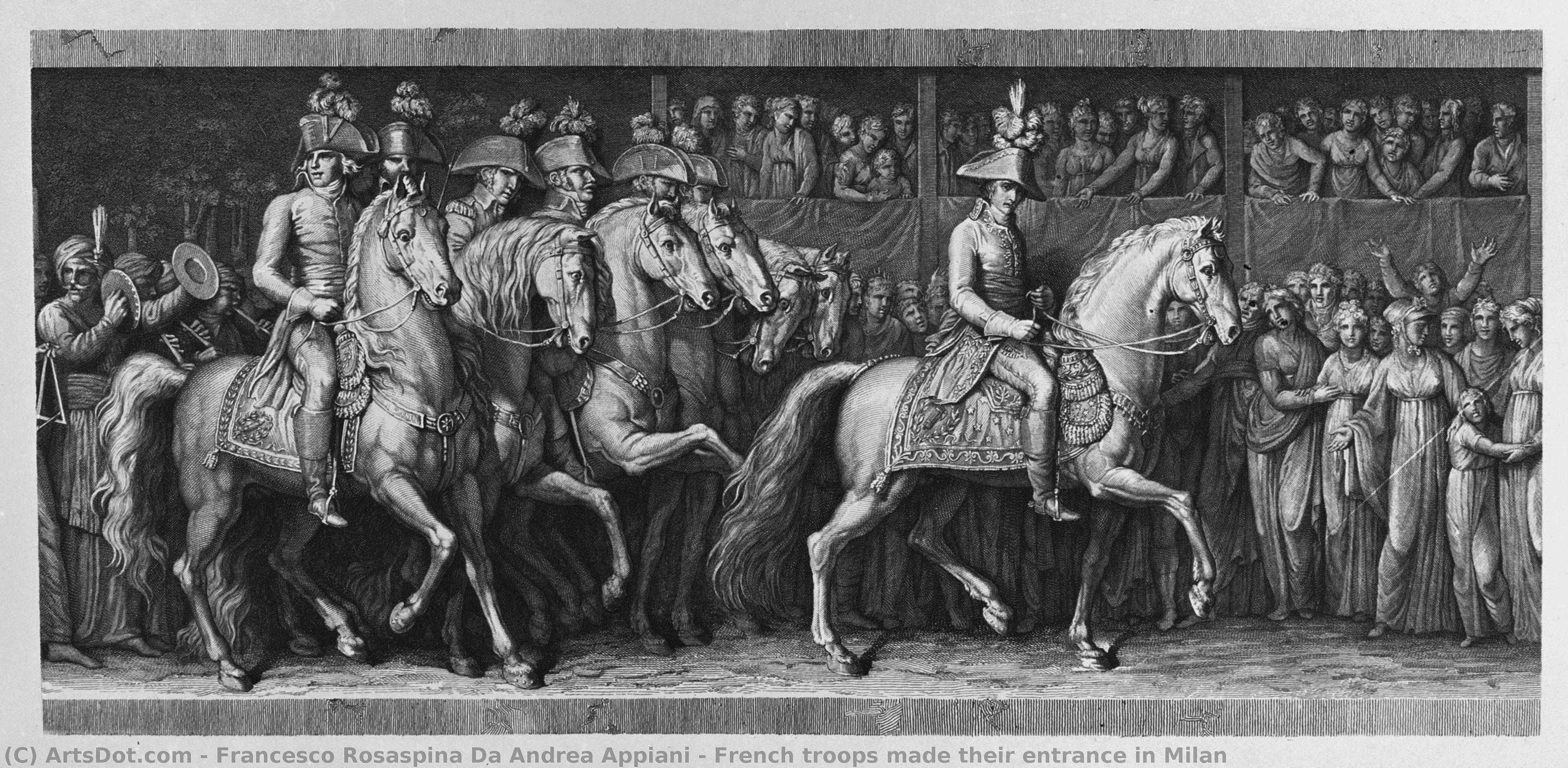
French troops made their entrance in Milan

 Pročitaj više
Kupite digitalnu sliku visoke rezolucije i poboljšanog kvaliteta, koja je znatno superiornija od onoga što vidite u online prikazu.
Svaka datoteka je pedantno pripremljena od strane naših stručnjaka koristeći napredne alate i profesionalnu ručnu retušu. Osiguravamo da svaka slika ima izuzetnu oštrinu, preciznu reprodukciju boja i fine detalje.
Konačna datoteka se dostavlja putem e-pošte u roku od 72 sata, optimizovana za neposrednu upotrebu u profesionalnim, izdavačkim i štamparskim okruženjima. To je isti kvalitet kojem veruju vrhunski studiji dizajna, izdavači i galerije.
Digitalna slika
Preuzmite datoteku visoke rezolucije za ličnu upotrebu, štampanje i kreativne projekte. ( Kupi print Kupi ručno naslikanu sliku)
Uključeno uz svaku porudžbinu digitalne slike
Profesionalna digitalna isporuka, zagarantovana
Kada odaberete ArtsDot.com, ne dobijate samo sliku – vi primate profesionalno unapređeno digitalno umetničko delo, izrađeno sa najvećom preciznošću i uz garanciju zadovoljstva. Evo svega što automatski dolazi uz vašu porudžbinu:

Brza dostava putem e-pošte
Vaša digitalna slika visoke rezolucije biće vam poslata putem e-pošte u roku od 72 sata od poručivanja – spremna za trenutnu upotrebu.

Digitalna datoteka unapređena veštačkom inteligencijom
Vaše umetničko delo je profesionalno optimizovano korišćenjem naprednih AI alata i ručne obrade, čime se osiguravaju maksimalni detalji, oštrina i preciznost boja.

Besplatna ponovna isporuka doživotno
Slučajno ste obrisali ili izgubili svoju datoteku? Ne brinite – poslaćemo vam je ponovo u bilo kom trenutku, potpuno besplatno.

Bez troškova uvoza – zauvek
Uživajte u svojim umetničkim delima trenutno, bez carine, dažbina ili troškova dostave – digitalni download je uvek bez poreza.

Garancija vernosti boja
Uz pomoć profesionalnih alata i upravljanja bojama, osiguravamo da vaša digitalna slika što vernije odražava originalne boje.

Garancija zadovoljstva od 100 dana
Ako niste zadovoljni svojom digitalnom slikom, izvršićemo reviziju ili ćemo vam vratiti 100% novca u roku od 100 dana – bez ikakvih pitanja.

100% garancija povrata novca
Niste zadovoljni? Dobijte puni povraćaj novca u roku od 100 dana od prijema digitalne datoteke – bez suvišnih pitanja.

Popusti na velike porudžbine
Kupite 3 slike, uštedite 10% - Kupite 5 slika, uštedite 15% - Kupite 10+ slika, uštedite 20%. Odlično za kreativne projekte, galerije i agencije.
Srodna umetnička dela







Biografija umetnika
Early Life and Formation in Bologna
Francesco Rosaspina was born on January 2, 1762, in the small town of Montescudo, near Rimini, Italy. His father, Giovanni Battista Rosaspina, held a respected position as a notary and magistrate, providing a stable environment for young Francesco’s early development. However, it wasn't long before the family relocated to Bologna, a city steeped in artistic tradition that would profoundly shape his future path. His initial foray into the world of art began with an apprenticeship under Giovanni Fabbri, where he honed his skills as an engraver. This foundational training proved crucial, setting him on a course dedicated to reproducing and interpreting the works of established masters. Rosaspina quickly demonstrated a remarkable aptitude for capturing detail and nuance, but it was his emulation of Francesco Bartolozzi’s style—characterized by its dense crosshatching and delicate rendering—that truly defined his early aesthetic. He immersed himself in the local art scene, securing commissions to engrave copies of Bolognese artworks, a practice that not only refined his technical abilities but also introduced him to the rich artistic heritage of the region. This dedication culminated in *The Gallery of Bologna*, an ambitious project featuring engravings created by Rosaspina and his pupils, showcasing over a hundred paintings from the Pinacoteca—a testament to his growing reputation and collaborative spirit.A Rising Engraver and Academic Recognition
Rosaspina’s talent did not go unnoticed within the Bolognese artistic community. In 1789, he was appointed as a docent at the prestigious Accademia Clementina, solidifying his position as an emerging figure in the world of engraving. This appointment provided him with access to valuable resources and opportunities for further study and collaboration. It was during this period that he forged significant friendships with prominent artists like Andrea Appiani, Giovanni Battista Bodoni—a renowned typographer—and Giuseppe Zauli, fostering a network of intellectual exchange and artistic inspiration. His work increasingly reflected the Neoclassical ideals gaining prominence across Europe, emphasizing clarity, precision, and a return to classical forms. Rosaspina’s engravings weren't merely reproductions; they were interpretations imbued with his own sensibility, capturing not only the visual likeness but also the spirit of the original artworks. He became highly sought after for commissions, establishing himself as a leading engraver in Bologna and beyond.The Influence of Appiani and Historical Commissions
The friendship with Andrea Appiani proved particularly influential on Rosaspina’s career trajectory. Appiani, a celebrated painter known for his elegant portraits and historical scenes, shared a similar aesthetic sensibility and encouraged Rosaspina to explore new avenues of artistic expression. This connection led to significant commissions that broadened the scope of Rosaspina's work beyond simple reproductions. He began to undertake engravings of more complex compositions, including historical events and allegorical subjects. One notable example is his engraving *French Troops Made Their Entrance in Milan*, a piece that captures a pivotal moment in European history with remarkable detail and dramatic flair. These commissions not only showcased Rosaspina’s technical prowess but also demonstrated his ability to convey narrative and emotion through the medium of engraving. His work became increasingly recognized for its historical accuracy, artistic merit, and subtle commentary on contemporary events.Legacy and Artistic Contributions
Francesco Rosaspina's contributions extended beyond his own engravings; he was a dedicated teacher who nurtured the talents of numerous pupils, including Pietro Tomba, Antonio Marchi, and Gaetano Guadagnini—the latter eventually succeeding him as professor at the Bolognese Academy. His daughter, Enrichetta Rosaspina, further cemented his artistic legacy through her marriage to Giuseppe Asioli, another of his students whose son, Luigi Asioli, would become a prominent painter in his own right. While perhaps not as widely celebrated as some of his contemporaries, Rosaspina played a vital role in disseminating artistic knowledge and preserving the cultural heritage of Bologna during a period of significant social and political change. His engravings remain valuable historical documents and testaments to his skill, offering insights into the art, society, and events of 18th-century Italy. He died on September 2, 1841, leaving behind a body of work that continues to be admired for its technical brilliance, artistic sensitivity, and enduring legacy.A Master of Engraving: Style and Technique
- Bartolozzi’s Influence: Rosaspina's early style was heavily influenced by Francesco Bartolozzi, particularly his use of dense crosshatching to create tonal variations and a sense of depth. This technique allowed him to achieve remarkable realism in his engravings.
- Neoclassical Ideals: As his career progressed, Rosaspina embraced the principles of Neoclassicism, emphasizing clarity, precision, and a return to classical forms. His compositions became more balanced and harmonious, reflecting the aesthetic ideals of the era.
- Historical Accuracy: His engravings often depicted historical events with meticulous attention to detail, demonstrating his commitment to accuracy and authenticity. He researched his subjects thoroughly, ensuring that his work was both artistically compelling and historically informative.
- Narrative Power: Rosaspina wasn’t merely a technical reproducer of images; he possessed the ability to convey narrative and emotion through his engravings, capturing the spirit of the original artworks and adding his own artistic interpretation.
- Subtle Commentary: Some of his works hint at subtle commentary on contemporary events, reflecting his awareness of the social and political context in which he lived. This adds another layer of depth to his artistic legacy.
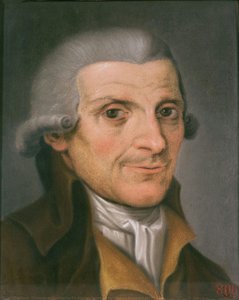
francesco rosaspina da andrea appiani
1762 - 1841 , Italy
Kratke činjenice
- Artistic Movement Or Style: Neoclassical engraving
- Artists Who Influenced This Artist: ['Francesco Bartolozzi']
- Date Of Birth: January 2, 1762
- Date Of Death: September 2, 1841
- Full Name: Francesco Rosaspina da Andrea Appiani
- Nationality: Italian
- Notable Artworks:
- Portrait of Vincenzo Martinelli
- French Troops in Milan
- Place Of Birth: Montescudetto, Italy