

 Pregledaj u prostoru
 Pošalji
 Podeli
 Detalji o delu

 Преузми
 Slični predmeti
 Rendgenski snimak
 Slajdovi
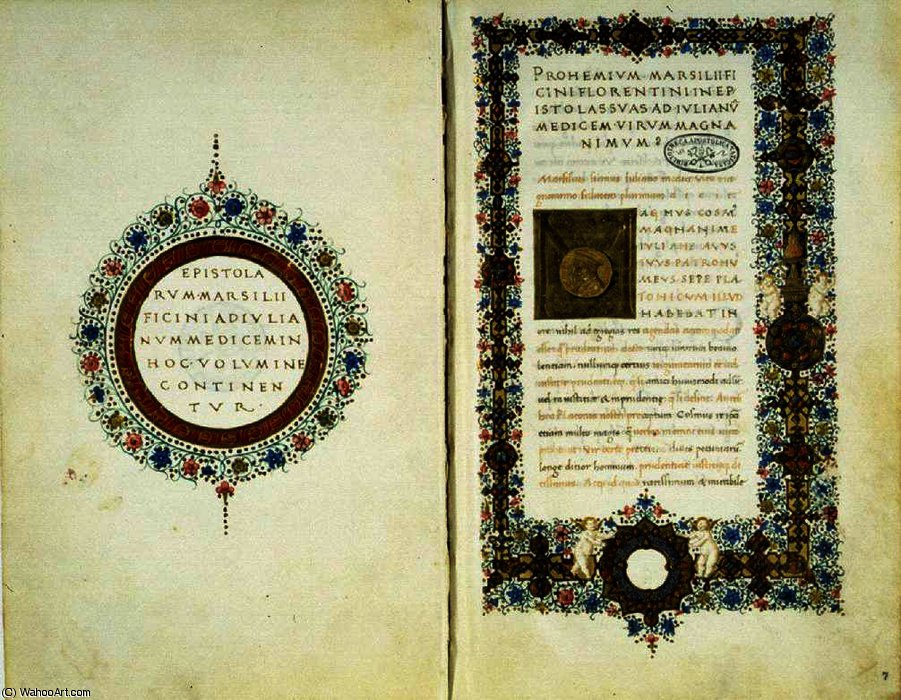
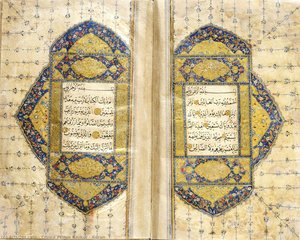
Marsilio ficino's letters
 Pročitaj više
Ručno rađena uljana reprodukcija
Ručno oslikano uljanim bojama na platnu u dimenzijama i okviru po vašem izboru, izrađeno po porudžbini od strane naših umetnika. ( Kupi print Kupi digitalnu sliku)




































Izaberite jednu od naših unapred definisanih veličina koje odgovaraju originalnim proporcijama umetničkog dela.

Можете унети сопствене димензије како бисте прилагодили дело одређеном оквиру или простору. Ако одабрана величина не одговара пропорцијама оригинала, слика ће бити исечена или проширена додатним елементима који се ручно насликавају. Дигитални prikaz ће вам бити послат на одобрење пре почетка производње.
Имајте на уму да преглед на екрану не одражава стварно исецање или проширење. Само приказ (mockup) ће тачно приказати коначну композицију.
Иако су доступне прилагођене величине, препоручујемо да одаберете димензију из дефинисане листе како бисте сачували оригиналне пропорције.
Nakon narudžbine, tim ArtsDot.com će klijentu putem e-pošte poslati uputstva i dostaviti prikaz predloženog rešenja
Isporuka širom sveta () za 3/4 nedelje umesto uobičajenih 5 nedelja. (23 август). Bez kompromisa po pitanju kvaliteta.

Besplatna ekspresna dostava širom sveta

Visokokvalitetno laneno platno

Kompletno osiguranje transporta

Garancija povraćaja carine i uvoznih dažbina

Garancija vernosti boja

Politika povrata u roku od 60 dana (samo u slučaju nedostataka)

Garancija povrata novca od 100%

Popust pri grupnoj kupovini
 Opcija sa staklom dostupna je samo za dimenzije manje od 110 cm

Marsilio ficino's letters
Tehnika reprodukcije
Dimenzije reprodukcije
-


Konačna cena
$ 263
Srodna umetnička dela


Biografija umetnika
Alessandro di Mariano Filipepi: A Renaissance Visionary
Sandro Botticelli, a name synonymous with the ethereal beauty and delicate grace of the Italian Renaissance, was more than just a painter; he was a conduit for myth, allegory, and human emotion. Born Alessandro di Mariano di Vanni Filipepi around 1445 in the bustling heart of Florence, his early life hinted at both artistic promise and restless energy. His father, a tanner, provided a practical upbringing, but young Alessandro’s sharp intellect and unconventional spirit quickly led him away from traditional apprenticeships. Instead, he began with goldsmithing, a craft that honed his eye for detail and appreciation of decorative forms – skills that would profoundly influence his later artistic style. It was through the tutelage of Fra Filippo Lippi, a master known for his lyrical grace and innovative techniques, that Botticelli’s true artistic journey commenced. Lippi's emphasis on flowing lines and expressive figures laid the foundation for Botticelli’s distinctive approach, though he ultimately surpassed his teacher in both innovation and emotional depth. Botticelli’s early years were marked by a restless spirit; he was known for his wit, his love of practical jokes, and a tendency to disrupt established routines – qualities that perhaps fueled his creative fire but also led him away from formal schooling. This unconventional background, combined with his innate talent, shaped a unique artistic voice that would captivate generations.Early Works and Florentine Patronage
Botticelli’s early career unfolded within the vibrant artistic landscape of Florence, a city brimming with wealth, ambition, and artistic patronage. He began his professional life as a workshop assistant, diligently executing commissions for various clients – altarpieces, frescoes, and decorative panels. His apprenticeship under Lippi provided invaluable experience in fresco painting, a demanding technique requiring meticulous planning and execution. However, it was through his association with the influential Medici family that Botticelli truly ascended to prominence. The Medicis, renowned patrons of the arts, recognized Botticelli’s exceptional talent and commissioned him for numerous projects, including elaborate decorations for their palaces and villas. These commissions provided him with financial stability and access to a wider range of subjects – from religious scenes depicting the lives of saints and biblical figures to secular works exploring themes of love, beauty, and mythology. Notable early works include several depictions of the *Madonna and Child*, characterized by their serene grace and delicate rendering of human form. The *Adoration of the Magi* (1475), a monumental fresco in the Church of Santa Maria Novella, showcases Botticelli’s burgeoning skill in composition and his ability to imbue religious subjects with a sense of narrative drama.The Mythological Revolution
Around 1480, Botticelli embarked on a revolutionary shift in his artistic focus – a deliberate embrace of classical mythology. This marked a pivotal moment in his career and profoundly impacted the course of Renaissance art. His most celebrated mythological paintings, *The Birth of Venus* (c. 1482-85) and *Primavera* (c. 1478-80), are not merely decorative illustrations but complex allegorical statements brimming with symbolic meaning. *The Birth of Venus*, depicting the goddess Venus emerging from a seashell, is an iconic image of beauty and sensuality, while *Primavera* celebrates the arrival of spring with a procession of mythological figures – including Venus, Flora (goddess of flowers), Zephyrus (the west wind), and Mercury (messenger god). These works were commissioned by Lorenzo de' Medici, known as “Lorenzo the Magnificent,” who was captivated by Botticelli’s ability to fuse classical mythology with Renaissance ideals. The meticulous detail, vibrant colors, and graceful figures in these paintings demonstrate Botticelli’s mastery of technique and his profound understanding of humanist philosophy – a burgeoning intellectual movement that emphasized human potential and celebrated classical learning.The Later Years: Spirituality and Legacy
As the political landscape of Florence shifted dramatically during the 1490s, marked by the rise of Savonarola's fiery sermons and the expulsion of the Medici family, Botticelli’s artistic style underwent a subtle but significant transformation. His later works, such as *The Mystic Nativity* (1501), reflect a newfound intensity and spiritual depth, characterized by somber colors, dramatic lighting, and a heightened sense of emotional urgency. Some scholars interpret these paintings as expressions of Botticelli’s own anxieties about the turbulent times or as responses to Savonarola's call for repentance and religious reform. Despite this shift, Botticelli continued to produce works in both secular and religious genres throughout his life, demonstrating remarkable versatility and a sustained commitment to his craft. He spent time in Pisa (1474) and Rome (1481-82), working on commissions for the Papal court – experiences that broadened his artistic horizons and exposed him to new influences. Botticelli died in Florence in 1510, leaving behind a legacy of unparalleled beauty and enduring influence. His paintings, particularly *The Birth of Venus* and *Primavera*, have become synonymous with the Renaissance itself, captivating audiences for centuries with their ethereal grace, symbolic richness, and profound exploration of human experience.Botticelli’s Enduring Influence
Sandro Botticelli's impact on art history is immeasurable. His innovative use of line, his graceful figures, and his ability to infuse mythological subjects with emotional depth profoundly influenced generations of artists. The Pre-Raphaelites, a late 19th-century artistic movement that sought to revive the ideals of Renaissance painting, rediscovered Botticelli’s work and championed its beauty and expressive power. His paintings continue to inspire awe and admiration, serving as enduring symbols of the Italian Renaissance and testament to the genius of one of history's most beloved artists. His legacy extends beyond his individual works; he helped establish a new standard for artistic expression, demonstrating that art could be both beautiful and intellectually stimulating – a principle that remains central to our understanding of the Renaissance today.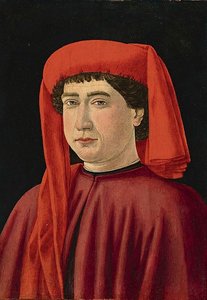
francesco rosselli
1445 - 1510 , Italy
Osnovne informacije
- Artistic Movement Or Style: Early Renaissance
- Artists Or Movements Influenced By This Artist: ['Pre-Raphaelites']
- Artists Who Influenced This Artist: ['Filippo Lippi']
- Date Of Birth: c. 1445
- Date Of Death: 1510
- Full Name: Alessandro di Mariano Filipepi
- Nationality: Italian
- Notable Artworks:
- Primavera
- The Birth of Venus
- Adoration of the Magi
- Place Of Birth: Florence, Italy

