

 Pregledaj u prostoru
 Pošalji
 Podeli
 Detalji o delu

 Преузми
 Slični predmeti
 Rendgenski snimak
 Slajdovi
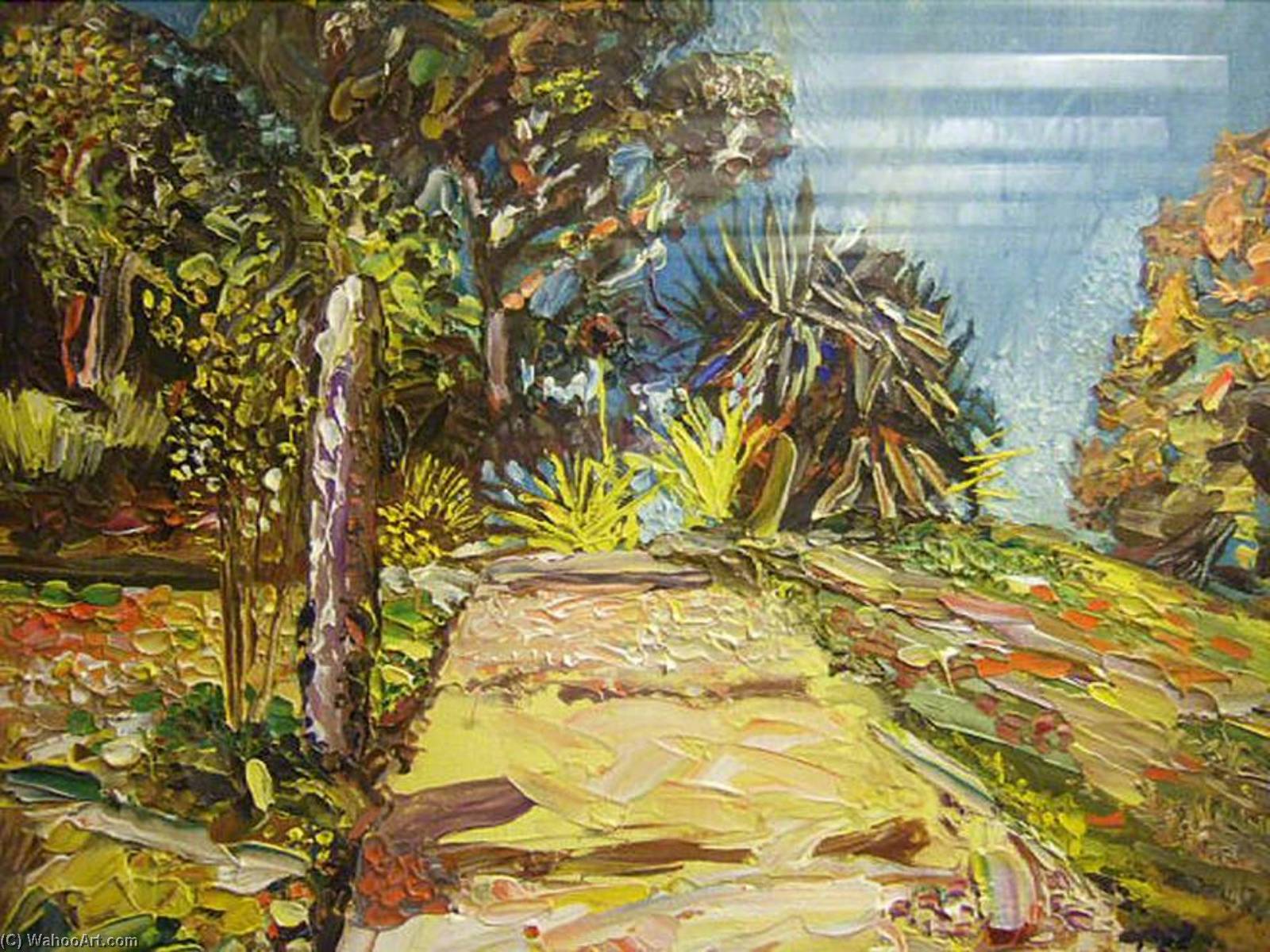
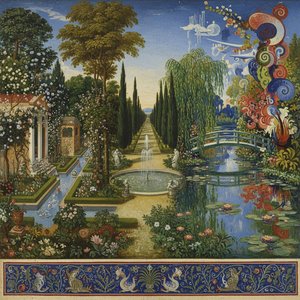
In a Portuguese Garden
 Impressionistic Realism
 1936
1936 50.0 x 60.0 cm
 Pročitaj više
Giclee štampa / Umetnički otisak
Giclée štampa ili print na platnu muzejskog kvaliteta uz brzu proizvodnju i fleksibilne opcije završne obrade. ( Kupi ručno naslikanu sliku Kupi digitalnu sliku)




































Izaberite jednu od naših unapred definisanih veličina koje odgovaraju originalnim proporcijama umetničkog dela.

Možete uneti sopstvene dimenzije kako biste umetničko delo prilagodili specifičnom okviru ili prostoru. Ako odabrani format ne odgovara proporcijama originalne slike, mi ćemo ili iscrtati deo dela ili proširiti sliku pomoću ogledane ivice ili jednobojnog popunjavanja. Digitalni prikaz će vam biti poslat na odobrenje pre početka proizvodnje.
Imajte na umu da pregled na ekranu ne odražava stvarno iscrtavanje ili proširivanje. Samo će prikaz (mockup) precizno pokazati finalnu kompoziciju.
Iako su prilagođene dimenzije dostupne, preporučujemo da odaberete dimenziju sa unapred definisane liste kako biste očuvali originalne proporcije.
Dostava širom sveta () za 2 nedelje umesto uobičajenih 4/5 nedelja. (24 август)

Besplatna ekspresna dostava širom sveta

Visokokvalitetno laneno platno

Kompletno osiguranje transporta

Garancija povraćaja carine i uvoznih dažbina

Garancija vernosti boja

Politika povrata u roku od 60 dana (samo u slučaju nedostataka)

Garancija povrata novca od 100%

Popust pri grupnoj kupovini
 Opcija sa staklom dostupna je samo za dimenzije manje od 110 cm

In a Portuguese Garden
Giclee štampa / Umetnički otisak
Dimenzije reprodukcije
-


Konačna cena
$ 62
Opis predmeta
Artist's Style and Technique
Francis Ferdinand Maurice Cook's style is characterized by his ability to capture the natural beauty of landscapes, as seen in In a Portuguese Garden. The painting features a pathway surrounded by trees and bushes, creating a sense of tranquility. The artist's use of oil on canvas allows for rich, vivid colors that bring the scene to life.Similar Artworks and Artists
Other notable artists whose works can be found on ArtsDot.com include Aleksandr Deyneka, known for his Realism style, and Oskar Kokoschka, a prominent figure in the Expressionist movement. Their paintings, such as Boredom and Nymphe, Nymph, Huile sur Toile, showcase their unique styles and techniques.- The Museum City Art Gallery (New Zealand) is another notable institution that features an impressive collection of artworks from various periods and movements.
- The National Gallery of Bulgaria (Sofia, Bulgaria) also houses a significant collection of oil on canvas paintings, including works by Иван Василев Ненов.
The painting In a Portuguese Garden by Francis Ferdinand Maurice Cook is a must-see for anyone who appreciates the beauty of oil on canvas artwork and the serenity of natural landscapes.
Srodna umetnička dela


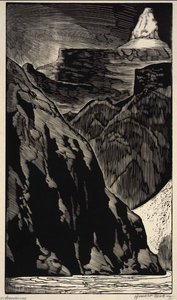
Biografija umetnika
Sir Francis Cook: Bridging Tradition and the Jersey Landscape
Sir Francis Ferdinand Maurice Cook, 4th Baronet (1907-1978), was more than simply a British artist; he was a custodian of a remarkable family legacy, a passionate advocate for Old Master painting, and a distinctive voice in the evolving landscape of 20th-century art. Born into privilege within one of Jersey’s most prominent families – inheriting the Cook Baronetcy in 1939 – his life unfolded as a fascinating blend of aristocratic heritage, artistic dedication, and a profound connection to the island he would ultimately call home. His story is not merely one of individual talent, but also of a family history inextricably linked to art’s enduring power and its complex journey through time.
Cook's early years were shaped by an extraordinary inheritance: the Cook collection, a treasure trove of Old Master paintings amassed over generations. Educated at Bradfield College, he demonstrated an immediate aptitude for both artistic expression and scholarly pursuits, excelling in music and art history alongside his burgeoning painting skills. This foundation, coupled with the influence of his father, Sir Herbert Cook, a respected art critic and museum trustee, instilled within him a deep appreciation for technique, composition, and the historical context of great works. His early exhibitions at the Royal Academy signaled a promising career, establishing him as a rising talent within the established British art scene.
The Dispersal of a Legacy
Following World War II, Cook made a pivotal decision that would forever alter the course of his life and the fate of the family’s artistic holdings. Rather than preserving the entire collection within the confines of Doughty House, he embarked on a strategic dispersal, selling off many of the most valuable Old Master paintings – including forty Dutch masterpieces – to Katz of Dieren in 1939. This was not an act of abandonment, but rather a calculated move driven by necessity and a desire to safeguard what remained. The subsequent bombing damage to Doughty House in 1944 accelerated this process, forcing the family to relocate much of the collection to Cothay Manor in Somerset. This period marked a significant shift – from a grand estate to a more dispersed existence, reflecting the turbulent realities of post-war Britain.
Despite these challenges, Cook remained deeply committed to his artistic practice and to preserving the spirit of his family’s heritage. He moved to Jersey in 1948, bringing with him the remaining thirty paintings from his collection, establishing a new base for his creative endeavors and solidifying his connection to the island.
Jersey: A Sanctuary for Art and Landscape
Jersey became more than just a residence; it evolved into a sanctuary where Cook could pursue his artistic vision while simultaneously safeguarding a significant portion of his family’s legacy. He established the Jersey Society of Artists and the Jersey Artists Group, fostering a vibrant local art community and contributing to the island's cultural identity. His paintings frequently depicted the dramatic coastal landscapes of Jersey – rugged cliffs, windswept beaches, and the ever-changing hues of the sea – capturing both their beauty and their inherent power. These works are characterized by a meticulous attention to detail, a masterful command of light and shadow, and an evident admiration for the Old Masters he so admired.
Cook’s dedication extended beyond painting; he actively restored his own home, Saint Brelade, transforming it into a harmonious blend of architectural elegance and artistic expression. The surrounding gardens became another subject of his canvases, reflecting his deep appreciation for nature's beauty. In the 1970s, he further expanded his creative space by converting the former Methodist chapel at Les Augrès into a studio and gallery – a project that remained unfinished at his death but ultimately led to the establishment of the Sir Francis Cook Gallery.
A Curious Chapter in Art History
Perhaps one of the most intriguing aspects of Cook’s story lies in his connection to Leonardo da Vinci's *Salvator Mundi*. In 1958, he sold a painting through Sotheby’s for £45 – a seemingly modest sum at the time – which later became identified as Da Vinci’s *Salvator Mundi*, eventually selling for an astonishing $450 million by Christie’s. The family maintained that the artist of this particular version was Giovanni Antonio Boltraffio, a contemporary and studio assistant to da Vinci, sparking considerable debate within the art world. This episode highlights Cook's keen eye for detail and his willingness to engage with the complexities of art historical attribution.
Sir Francis Cook’s legacy extends beyond his individual artistic achievements. He was a preserver of a remarkable family collection, a champion of local artists, and a significant contributor to Jersey’s cultural heritage. His story serves as a poignant reminder of the enduring power of art, its ability to transcend generations, and its capacity to connect us to both the past and the present.
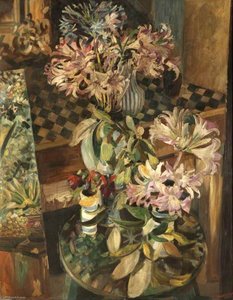
francis ferdinand maurice cook
1907 - 1978
Osnovne informacije
- Artistic Movement Or Style: Old Master paintings, Landscape art
- Artists Or Movements Influenced By This Artist: ['Victorian Aestheticism']
- Artists Who Influenced This Artist:
- Rubens
- Van Dyke
- Date Of Birth: December 21, 1907
- Date Of Death: September 12, 1978
- Full Name: Sir Francis Ferdinand Maurice Cook, 4th Baronet
- Nationality: British
- Notable Artworks:
- In Front of Cathay Manor
- Mont Orgueil Castle
- Place Of Birth: Richmond, England
Povezani članci
Francis Bacon: 25 Remek-dela Ikoničnog Ekspresioniste | Reprodukcije i Inspiracija za Dom
Istražite 25 remek-dela Francis Bacon-a – ikona ekspresionizma. Otkrijte priče iza njegovih snažnih portreta, triptiha i tamne palete boja. Reprodukcije slika vrhunskog kvaliteta za vaš dom na ArtsDot.com!
Francis Ferdinand Maurice Cook: A Study in Victorian Aestheticism & Landscape Evolution
Explore the captivating art of Sir Francis Ferdinand Maurice Cook – a British artist bridging Victorian traditions & Aestheticism. Discover his landscapes, collection history, and unique style. Expert analysis for collectors.
Cultivating Paradise: A Historical & Artistic Exploration of Gardens in Painting
Explore the rich history of gardens in painting! Discover masterpieces from Renaissance to Impressionism & beyond. Learn about symbolism, artists like Monet & Klimt, and find your perfect artwork at ArtsDot.

Evocations of Place: A Historical Journey Through Landscape Art
Explore the rich history of landscape art with ArtsDot. Discover renowned artists, movements like Impressionism & Romanticism, and expert guidance for collecting timeless pieces. Find your perfect serene escape today!

Glavna dela koja su definisala Romantični pejzaž: 10 remek-dela za vaš dom
Otkrijte 10 remek-dela romantičnog pejzažnog slikarstva! Uronite u svet Claude Lorraina, Caspara David Friedricha i Turnera. Ispričane priče umetnosti, inspiracija za dekoraciju doma. Kvalitetne reprodukcije na ArtsDot.com – istražite celu kolekciju online!

