

 Pregledaj u prostoru
 Pošalji
 Podeli
 Detalji o delu

 Преузми
 Slični predmeti
 Rendgenski snimak
 Slajdovi
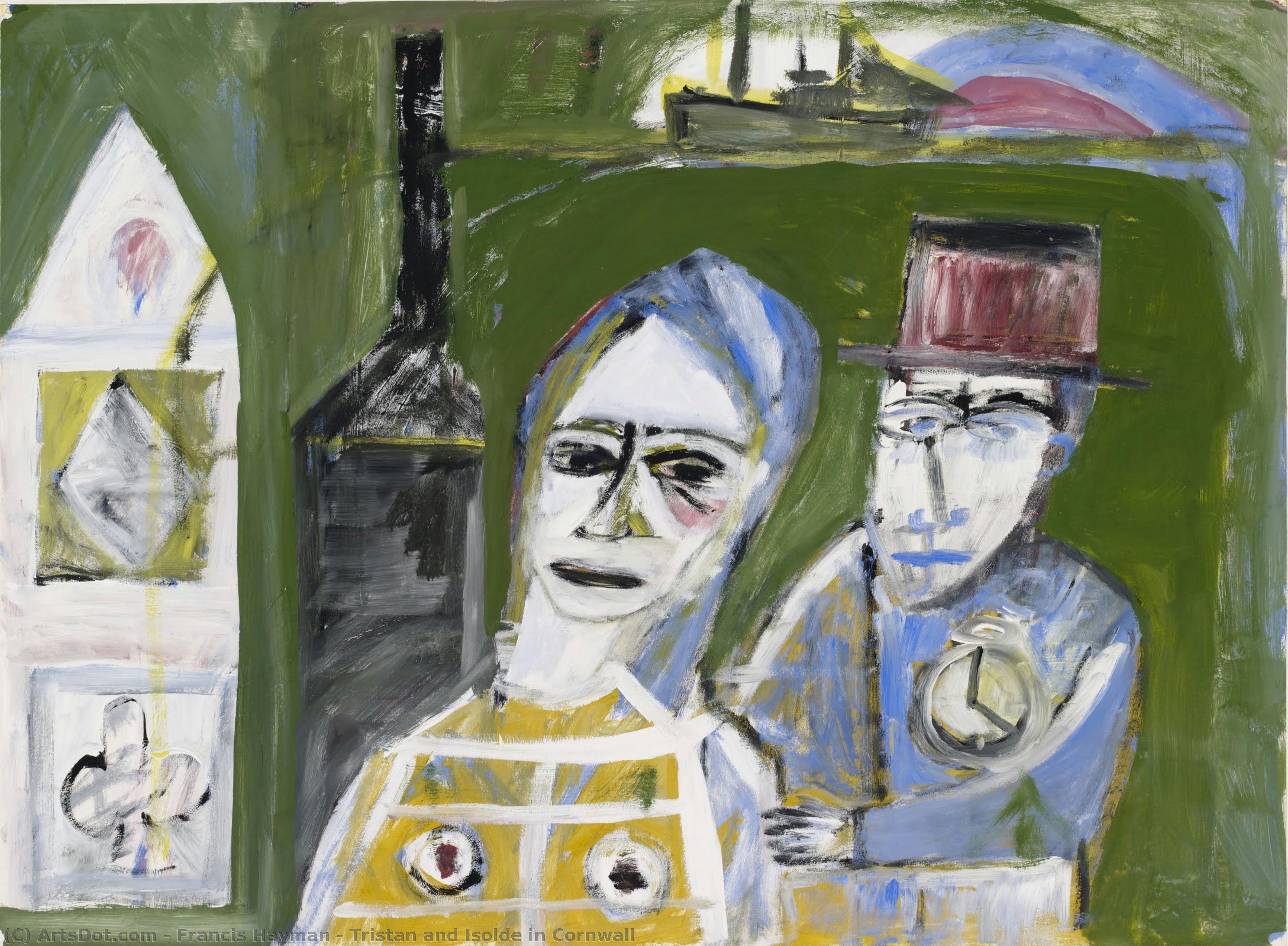
Tristan and Isolde in Cornwall
 Acrylic On Canvas
- WallArt
- Rococo Portraiture
 1965
1965 55.0 x 76.0 cm
 Arts Council Collection
 Pročitaj više
Ručno rađena uljana reprodukcija
Ručno oslikano uljanim bojama na platnu u dimenzijama i okviru po vašem izboru, izrađeno po porudžbini od strane naših umetnika. ( Kupi print Kupi digitalnu sliku)




P118B $10

P118H $10

P118W $10

P438Z $10

P508JH $12

P508YH $12

P805H $10

P805Z $10

P919BZ $10

P919G $10

P919XJ $10

P959ZH $10

P968JZ $12

W106C $8

W218G $10

W218JH $8

W218Y $10

W307PJ $10

W316G $10

W316PJ $8

W316Y $10

W398PJ $8

W4111J $10

W500HY $15

W500JH $15

W692G $12

W849H $8

W940BG $15

W953PJ $8




Izaberite jednu od naših unapred definisanih veličina koje odgovaraju originalnim proporcijama umetničkog dela.

Можете унети сопствене димензије како бисте прилагодили дело одређеном оквиру или простору. Ако одабрана величина не одговара пропорцијама оригинала, слика ће бити исечена или проширена додатним елементима који се ручно насликавају. Дигитални prikaz ће вам бити послат на одобрење пре почетка производње.
Имајте на уму да преглед на екрану не одражава стварно исецање или проширење. Само приказ (mockup) ће тачно приказати коначну композицију.
Иако су доступне прилагођене величине, препоручујемо да одаберете димензију из дефинисане листе како бисте сачували оригиналне пропорције.
Nakon narudžbine, tim ArtsDot.com će klijentu putem e-pošte poslati uputstva i dostaviti prikaz predloženog rešenja
Isporuka širom sveta () za 3/4 nedelje umesto uobičajenih 5 nedelja. (21 август). Bez kompromisa po pitanju kvaliteta.

Besplatna ekspresna dostava širom sveta

Visokokvalitetno laneno platno

Kompletno osiguranje transporta

Garancija povraćaja carine i uvoznih dažbina

Garancija vernosti boja

Politika povrata u roku od 60 dana (samo u slučaju nedostataka)

Garancija povrata novca od 100%

Popust pri grupnoj kupovini
 Opcija sa staklom dostupna je samo za dimenzije manje od 110 cm

Tristan and Isolde in Cornwall
Tehnika reprodukcije
Dimenzije reprodukcije
-


Konačna cena
$ 263
Opis umetničkog dela
A Cornish Romance Painted in Rococo Grace
Patrick Hayman’s “Tristan and Isolde in Cornwall,” painted in 1965, isn't merely a portrait; it’s a carefully constructed tableau vivant of tragic romance and enduring longing. The scene unfolds within a richly appointed interior – a study that feels both intimate and grand – dominated by the subtle hues of cream, ochre, and deep burgundy. Two figures, Tristan and Isolde, occupy the central space, their postures conveying a complex interplay of affection and sorrow. Hayman masterfully employs the Rococo style, evident in the swirling drapery, the delicate rendering of textures like velvet upholstery and silk scarves, and the overall sense of opulent restraint. The painting’s power lies not just in its visual beauty but also in the palpable atmosphere of unspoken emotion that permeates every brushstroke.
Hayman, a pivotal figure in establishing the Royal Academy, was deeply influenced by the French Rococo movement – particularly the works of Boucher and Fragonard. This influence is immediately apparent in the painting’s emphasis on graceful lines, playful compositions, and an idealized depiction of human beauty. However, Hayman transcends mere imitation; he imbues the Rococo style with a distinctly British sensibility, grounding it in a narrative rooted in Arthurian legend and medieval romance. The Cornish setting itself—a region steeped in myth and folklore—adds another layer of depth to the work, suggesting a connection to ancient stories and timeless themes.
The Language of Gesture and Symbol
Close examination reveals Hayman’s deliberate use of gesture and symbolism to convey the characters' emotional states. Tristan, clad in a dark velvet jacket and sporting spectacles that lend him an air of intellectual contemplation, leans slightly towards Isolde, his hand resting lightly on her arm. This subtle touch speaks volumes about his affection and concern. Isolde, veiled and draped in a flowing scarlet scarf, appears serene yet melancholic—a poignant contrast to Tristan’s earnestness. The inclusion of objects – a bottle, a clock, and a book – further enriches the scene, hinting at intellectual pursuits and the passage of time, elements that underscore the tragic nature of their love.
The placement of these objects is particularly significant. The clock, with its pendulum swinging rhythmically, serves as a visual reminder of the relentless march of time, highlighting the fleeting nature of Tristan and Isolde’s happiness. The book, open on a table, suggests a shared intellectual life—a world that now feels tragically inaccessible to them. Even the bottle, partially obscured by a curtain, could symbolize hidden passions or unspoken desires. Hayman's skill lies in his ability to imbue these seemingly mundane objects with symbolic weight, transforming them into potent visual metaphors.
A Window into 18th-Century England
“Tristan and Isolde in Cornwall” offers a fascinating glimpse into the cultural landscape of 18th-century England. The painting reflects the prevailing fascination with classical mythology and medieval romance, as well as the growing interest in portraiture as a means of documenting individual identity and social status. Hayman’s meticulous attention to detail—from the intricate patterns on the wallpaper to the delicate rendering of Tristan's spectacles—demonstrates his mastery of technique and his commitment to creating a work of art that is both visually stunning and historically informed.
Furthermore, the painting speaks to the broader social context of the time. The Rococo style was particularly popular among the aristocracy and wealthy merchants, reflecting their desire for luxury, refinement, and artistic patronage. Hayman’s commission by Jonathan Tyers, proprietor of Vauxhall Gardens—a fashionable pleasure ground known for its elaborate displays and entertainment—suggests that he was attuned to the tastes and aspirations of his clientele. The painting, therefore, serves as a valuable document of 18th-century social life and artistic trends.
Capturing Emotion Through Light and Shadow
Hayman’s masterful use of light and shadow further enhances the emotional impact of “Tristan and Isolde in Cornwall.” He employs chiaroscuro—a technique characterized by strong contrasts between light and dark—to create a sense of drama and intimacy. The soft, diffused light that illuminates the figures from an unseen source casts long shadows across the room, adding depth and volume to the composition. This careful manipulation of light not only enhances the painting’s visual appeal but also subtly underscores the tragic nature of Tristan and Isolde's love—a story shrouded in darkness and destined for sorrow.
The overall effect is one of quiet melancholy, a poignant reminder of the enduring power of romantic longing. Reproductions of this captivating work offer an opportunity to experience Hayman’s artistic vision firsthand, transporting viewers to a world of Cornish romance and timeless beauty.
Srodna umetnička dela
![Legend Of St Francis - [16] - Death Of The Knight Of Celano — Đijoto Di Bondone, Proto Renaissance](/media/artworks/images-thumb/05/f5/05f5b23fed3aaac850de301d74b05cd9.jpg)
![Legend Of St Francis - [11] - St Francis Before The Sultan (trial By Fire) — Đijoto Di Bondone, Proto-renaissance](/media/artworks/images-thumb/0d/32/0d328acfb6c90f7ef32707586e86044b.jpg)
![Legend Of St Francis - [24] - Canonization Of St Francis — Đijoto Di Bondone, Gothic](/media/artworks/images-thumb/81/9b/819b5f0656848eb5cb3fcd40fd5756aa.jpg)
![Life Of Saint Francis - [04] - Death And Ascension Of St Francis — Đijoto Di Bondone, Italian Renaissance](/media/artworks/images-thumb/08/8b/088b102b13c1a379233690905590f156.jpg)
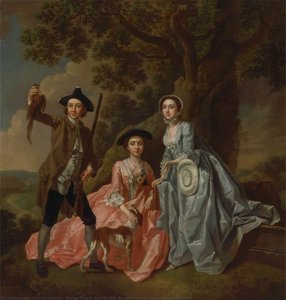
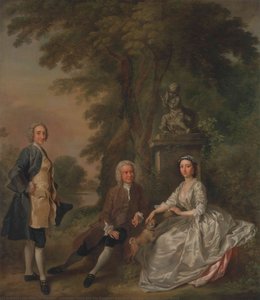
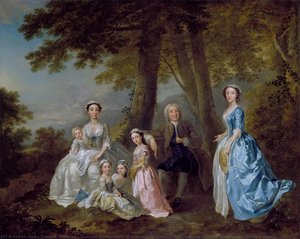
Biografija umetnika
Dramatična vizija Francisa Hejma
U živopisnom i promenljivom pejzažu britanske umetnosti osamnaestog veka, malo je bilo figura koje su posedovale svestran sjaj kao Francis Hayman. Rođen u Ekseteru 1708. godine, Hejm nije samo posmatrao kulturnu evoluciju svog doba; on je aktivno oblikovao njen vizuelni jezik. Njegovo putovanje počelo je daleko od otrefiniranih londonskih galerija, korenjeno umesto toga u efemernom i uzbudljivom svetu pozorišne scenografije. Ovo rano uranjanje u dramske umetnosti pružilo mu je jedinstvenu prednost, ugrađujući duboko razumevanje kompozicije, svetlosti i narativne tenzije koje će kasnije definisati njegovo majstorstvo u stilu rokoka. Prelazeći iz scenografa u nezavisnog umetnika u St Martin's Lane, Hejm je sa sobom doneo dušu pripovedača, sposobnu da statično platno pretvori u prozor u jedan pozorišni trenutak.
Estetska suština Hejmovog rada duboko je isprepletena sa pokretom rokoka, erom koju karakterišu gracioznost, ornamentika i određena neobavezujuća elegancija. Crpeći inspiraciju od raskošnih francuskih majstora poput Fransoa Bušera, Hejm je prihvatio paletu nežnih pastelnih tonova i fluidnih, ritmičnih poteza četkicom. Ipak, njegov rad nikada nije bio čisto dekorativan; posedovao je strukturnu integritet prožet klasičnim idealima. Kroz svoju povezanost sa rastućim intelektualnim krugovima Londona, on je integrisao osećaj proporcije i forme koji je omogućavao njegovim portretima da prevaziđu puko sličavanje, kako bi umesto toga zabeležili samu suštinu karaktera i društvenog statusa.
Nasleđe Kraljevske akademije i majstorstvo naracije
Hejmov istorijski značaj usidren je u njegovoj temeljnoj ulozi u osnivanju Kraljevske akademije. Kao osnivač i prvi bibliotekar ove institucije, pomogao je u postavljanju osnova za profesionalne umetničke standarde u Britaniji. Ova pozicija uticaja omogućila mu je da premosti jaz između popularne, često bučne zabave masa i uzvišenih težnji akademske elite. Njegova sposobnost da upravlja ovim različitim svetovima najbolje se vidi u njegovom raznovrsnom korpusu dela, koji se kreće od monumentalnog do intimnog.
Njegov umetnički repertoar bio je izuzetno obiman, pokazujući talenat koji je mogao neosetno da pređe iz jednog žanra u drugi:
- Teatralne i književne scene: Hejm je posedovao retku sposobnost da oživljava književnost, stvarajući upečatljive prikaze Šekspirove drame i živopisne scene iz Don Kihota, poput energičnog trenutka kada domaćin krstaši vitez.
- Portretstvo: Postao je traženi hroničar svog doba, beležeći harizmu legendarnih glumaca poput Dejvida Garika i aristokratsku eleganciju figura kao što je dr Čarls Čansi.
- Dekorativni poslovi: Njegov rad za Vauxhall Pleasure Gardens pokazao je njegovu veštinu u pripovedanju velikih razmera, gde je koristio umetnost da unapredi čulno iskustvo zabave i radosti javnosti.
- Biblijske i mitološke teme: Kroz dela poput Dobrog Samarijanina, Hejm je koristio svoju rokokosku senzibilitetnost kako bi istražio duboke teme saosećanja, milosrđa i božanskog prisustva.
U krajnjoj liniji, život Francisa Hejma bio je svedočanstvo moći vizuelnog pripovedanja. Spajajući teatralnost scene sa rafiniranom elegancijom rokoka, stvorio je korpus dela koji ostaje vitalan prozor u eru prosvetiteljstva. Njegovo nasleđe opstaje ne samo na platnima koja nose njegovo ime, već i u samoj strukturi britanske istorije umetnosti, označavajući ga kao istinskog pionira koji je pomogao da se status slikara uzdigne sa zanatlije na akademskog majstora.
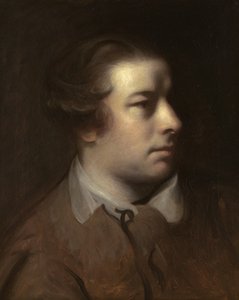
Fransis Hejm
1708 - 1776 , Ujedinjeno Kraljevstvo
Osnovne informacije
- Artistic Movement Or Style: Roko, Portretistika
- Artists Or Movements Influenced By This Artist: ['Gainsborough']
- Artists Who Influenced This Artist: ['Joshua Reynolds']
- Date Of Birth: 1708, Exeter
- Date Of Death: 1776, London
- Full Name: Francis Hayman
- Nationality: Engleska
- Notable Artworks:
- Scena iz Hamleta
- Plešuće mlekarice
- Stanodavka iz Wapinga
- Place Of Birth: Exeter, UK
Povezani članci
Francis Bacon: 25 Remek-dela Ikoničnog Ekspresioniste | Reprodukcije i Inspiracija za Dom
Istražite 25 remek-dela Francis Bacon-a – ikona ekspresionizma. Otkrijte priče iza njegovih snažnih portreta, triptiha i tamne palete boja. Reprodukcije slika vrhunskog kvaliteta za vaš dom na ArtsDot.com!

Rokoko: 10 Remek Dela Koja Su Definisala Eleganciju i Ukus
Otkrijte 10 remek dela koja su definisala rokoko umetnost! Uronite u svet Boucher-a, Watteau-a i Fragonarda. Istorija, stil i inspiracija za vaš dom. Kvalitetne reprodukcije i kuratorski odabiri na ArtsDot.com!

The Rococo Aesthetic: Opulence, Rebellion & the Pursuit of Pleasure in 18th-Century Art
Explore the opulent world of Rococo art! Discover its origins, key artists like Watteau & Boucher, and lasting influence on design. Expert insights for collectors & enthusiasts.
The Rococo Reverie of Fragonard: Love, Leisure & Pleasure in 18th-Century France
Explore the captivating world of Jean-Honoré Fragonard! Discover his Rococo masterpieces, intimate portraits & the allure of 18th-century French art. Learn about 'The Progress of Love' and more at ArtsDot.
The Allure of Elegance in Art: A Historical & Aesthetic Exploration of Refinement & Grace
Explore the exquisite world of Rococo art! Discover its history, masters (Watteau, Boucher & more), and defining elegance. Expert insights for collectors seeking museum-quality reproductions & custom portraits.

