

 Pregledaj u prostoru
 Pošalji
 Podeli
 Detalji o delu

 Преузми
 Slični predmeti
 Rendgenski snimak
 Slajdovi
 Stats
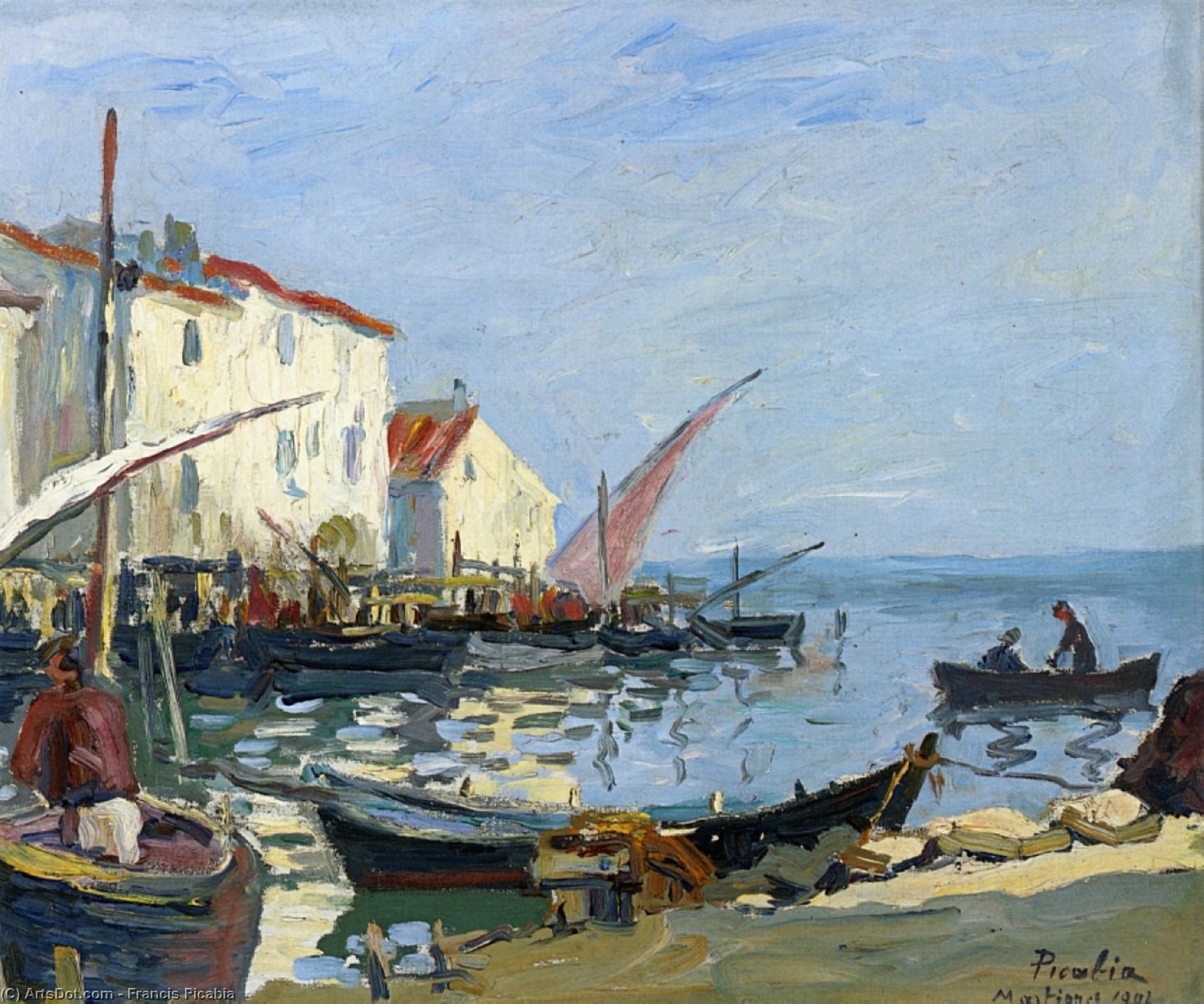
StatsThe Martigues
 Oil
Oil- WallArt
- Impressionism
 1902
1902- Modern
 38.0 x 46.0 cm
 Pročitaj više
Ručno rađena uljana reprodukcija
Ručno oslikano uljanim bojama na platnu u dimenzijama i okviru po vašem izboru, izrađeno po porudžbini od strane naših umetnika. ( Switch to Print Switch to Digital Image)




P118B $10

P118H $10

P118W $10

P438Z $10

P508JH $12

P508YH $12

P805H $10

P805Z $10

P919BZ $10

P919G $10

P919XJ $10

P959ZH $10

P968JZ $12

W106C $8

W218G $10

W218JH $8

W218Y $10

W307PJ $10

W316G $10

W316PJ $8

W316Y $10

W398PJ $8

W4111J $10

W500HY $15

W500JH $15

W692G $12

W849H $8

W940BG $15

W953PJ $8




Izaberite jednu od naših unapred definisanih veličina koje odgovaraju originalnim proporcijama umetničkog dela.

Можете унети сопствене димензије како бисте прилагодили дело одређеном оквиру или простору. Ако одабрана величина не одговара пропорцијама оригинала, слика ће бити исечена или проширена додатним елементима који се ручно насликавају. Дигитални prikaz ће вам бити послат на одобрење пре почетка производње.
Имајте на уму да преглед на екрану не одражава стварно исецање или проширење. Само приказ (mockup) ће тачно приказати коначну композицију.
Иако су доступне прилагођене величине, препоручујемо да одаберете димензију из дефинисане листе како бисте сачували оригиналне пропорције.
Nakon narudžbine, tim ArtsDot.com će klijentu putem e-pošte poslati uputstva i dostaviti prikaz predloženog rešenja
Isporuka širom sveta () za 3/4 nedelje umesto uobičajenih 5 nedelja. (8 септембар). Bez kompromisa po pitanju kvaliteta.

Besplatna ekspresna dostava širom sveta

Visokokvalitetno laneno platno

Kompletno osiguranje transporta

Garancija povraćaja carine i uvoznih dažbina

Garancija vernosti boja

Politika povraćaja u roku od 100 dana (isključivo u slučaju nedostataka)

Garancija povrata novca od 100%

Popust pri grupnoj kupovini
 Opcija sa staklom dostupna je samo za dimenzije manje od 110 cm

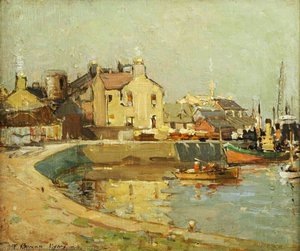
The Martigues
Tehnika reprodukcije
Dimenzije reprodukcije
-


Konačna cena
$ 263
A Serene Moment Captured in Light and Water
In the quietude of 1902, before the radical shifts of Cubism and Dada would define his legacy, Francis Picabia captured a moment of profound stillness in The Martigues. This evocative waterfront scene invites the viewer to step into a tranquil harbor where time seems to have slowed to the gentle rhythm of the tide. The composition is anchored by the presence of old-fashioned sailing vessels, their silhouettes resting peacefully against the shimmering surface of the water. A solitary figure stands near the center, perhaps a silent guardian of this maritime sanctuary, adding a touch of human connection to the vast, atmospheric landscape. For the discerning collector or interior designer, this piece offers more than just a depiction of a French port; it provides a window into a world of contemplative beauty.
The technique employed in this work reflects the masterful handling of light and atmosphere characteristic of the era's transition toward modernism. Picabia utilizes a delicate palette to render the interplay between the sky and the sea, creating a sense of depth that draws the eye toward the distant horizon. The brushwork, while precise enough to define the structural elegance of the docked boats, retains a soft, painterly quality that allows light to dance across the ripples of the harbor. This mastery of texture and luminosity ensures that the painting possesses a dynamic energy, even in its most static moments, making it an exquisite focal point for any sophisticated living space or gallery collection.
Beyond its aesthetic allure, The Martigues serves as a poignant historical document of a pre-industrial serenity. It captures a way of life defined by the wind and the waves, long before the frenetic pace of the twentieth century took hold. The symbolism of the anchored boats suggests themes of stability, rest, and the cyclical nature of life, offering an emotional sanctuary for those who encounter it. For those seeking to infuse their interiors with a sense of peace and historical depth, this reproduction serves as a timeless tribute to the enduring allure of the French coast and the restless, brilliant spirit of one of art's most legendary provocateurs.
Srodna umetnička dela
![Legend Of St Francis - [08] - Vision Of The Flaming Chariot — Đijoto Di Bondone, Gothic And Proto-renaissance](/media/artworks/images-thumb/65/6e/656e345ff55e49ce2e4377a050b85aa1.jpg)
![Life Of Saint Francis - [01] - Stigmatization Of Saint Francis — Đijoto Di Bondone, Early Renaissance](/media/artworks/images-thumb/fd/6a/fd6ae2a8f5e88e0ace6b86a21d020ded.jpg)
![Legend Of St Francis - [21] - Apparition To Fra Agostino And To Bishop Guido Of Arezzo — Đijoto Di Bondone, Proto-renaissance](/media/artworks/images-thumb/8a/06/8a0632ef03ba49f12919faa78718a88b.jpg)
![Legend Of St Francis - [11] - St Francis Before The Sultan (trial By Fire) — Đijoto Di Bondone, Proto-renaissance](/media/artworks/images-thumb/0d/32/0d328acfb6c90f7ef32707586e86044b.jpg)
![Legend Of St Francis - [24] - Canonization Of St Francis — Đijoto Di Bondone, Gothic](/media/artworks/images-thumb/81/9b/819b5f0656848eb5cb3fcd40fd5756aa.jpg)
![Life Of Saint Francis - [04] - Death And Ascension Of St Francis — Đijoto Di Bondone, Italian Renaissance](/media/artworks/images-thumb/08/8b/088b102b13c1a379233690905590f156.jpg)
Biografija umetnika
A Life Forged in Avant-Garde Fire: The World of Francis Picabia
Francis Picabia, a name synonymous with the restless spirit of early 20th-century art, was more than just a painter; he was a provocateur, a poet, a typographer, and a relentless explorer of artistic boundaries. Born in Paris in 1879 to a French mother and a Cuban father steeped in diplomatic circles, Picabia’s life was marked by both privilege and a profound dissatisfaction with convention. This duality fueled his artistic journey, propelling him through Cubism, Dada, Surrealism, and beyond, leaving an indelible mark on the landscape of modern art. His early years were shadowed by tragedy – the loss of his mother to tuberculosis when he was just five – but also nurtured by a father who encouraged his burgeoning talent. Inheriting a substantial fortune allowed Picabia the freedom to dedicate himself entirely to artistic pursuits, a luxury that enabled him to relentlessly experiment and challenge established norms. He wasn’t merely interested in *what* art looked like; he questioned its very purpose and meaning.
From Impressionistic Beginnings to Cubist Revolution
Picabia's initial forays into the art world were rooted in the prevailing styles of the time, particularly Impressionism. He painted Parisian landscapes and riverbanks with a technical proficiency that nonetheless left him feeling unfulfilled. Critics found his work derivative, lacking originality, prompting a crucial turning point. This dissatisfaction spurred him to seek new avenues of expression, leading him towards the revolutionary ideas brewing within the Cubist movement around 1909. Joining the Puteaux Group – a collective including Marcel Duchamp and Guillaume Apollinaire – proved pivotal. He immersed himself in the deconstruction of form, the fragmentation of perspective, and the exploration of geometric abstraction. This period saw a significant shift in his aesthetic, moving away from representational accuracy towards a more conceptual approach to painting. His canvases began to pulse with a new energy, reflecting the intellectual ferment of the era. The influence of Duchamp was particularly strong, fostering a shared spirit of iconoclasm and a willingness to dismantle artistic traditions.
Dada’s Provocateur: Machines, Satire, and the Rejection of Reason
The outbreak of World War I served as a catalyst for Picabia's most radical phase – his embrace of Dadaism. Disgusted by the senseless violence and societal hypocrisy he witnessed, he rejected reason, logic, and traditional artistic values altogether. A move to New York in 1915 placed him at the heart of an emerging American Dada scene alongside Duchamp and Man Ray. It was here that Picabia truly honed his unique brand of Dadaist expression. He began creating a series of “machine drawings,” depicting fantastical mechanical contraptions – often imbued with sexual undertones – that served as biting critiques of modern society’s obsession with technology and industrialization. These works weren't simply depictions of machines; they were allegories for the dehumanizing forces at play in the world around him. His satirical wit, combined with a masterful command of line and form, made these drawings particularly potent. He published *The Little Review*, a Dadaist journal that further disseminated his provocative ideas and challenged conventional artistic norms. Universal Prostitution, a complex drawing created during this period, exemplifies his willingness to confront taboo subjects and dismantle societal expectations.
A Shifting Kaleidoscope: Surrealism and Beyond
Picabia’s artistic journey was characterized by constant evolution and a refusal to be pigeonholed. While deeply involved with Dada, he briefly flirted with Surrealism in the 1920s, exploring the realm of dreams and the subconscious. However, even this association proved temporary. He quickly grew disillusioned with what he perceived as the rigid dogma of the Surrealist movement, preferring to maintain his independence and continue charting his own course. Throughout the latter part of his career, Picabia continued to experiment with various styles and techniques, incorporating elements of figuration, abstraction, and even transparency into his work. His later paintings often featured biomorphic forms and a vibrant palette, reflecting a renewed interest in organic shapes and sensual textures. He remained a restless innovator until his death in 1953, leaving behind a body of work that continues to challenge and inspire artists today.
Legacy: A Pioneer of Modern Artistic Freedom
Francis Picabia’s influence on modern art is undeniable. His relentless experimentation, his rejection of convention, and his willingness to embrace contradiction paved the way for generations of artists who followed. He was a true pioneer of artistic freedom, demonstrating that art could be anything – a political statement, a philosophical inquiry, a personal expression, or simply a playful exploration of form and color. His work anticipated many of the key developments in 20th-century art, from Pop Art to Conceptualism. He challenged the very definition of what constituted “art,” forcing viewers to question their own assumptions and preconceptions. Today, Picabia’s paintings are celebrated for their intellectual rigor, their visual dynamism, and their enduring relevance. His legacy lies not only in his individual masterpieces but also in his unwavering commitment to artistic innovation and his refusal to be bound by the limitations of tradition.
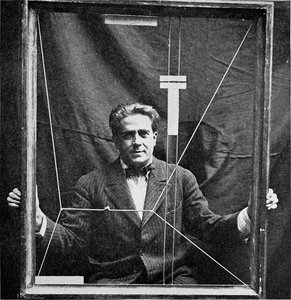
Францис Пикабаја
1879 - 1953 , Француска
Osnovne informacije
- Artistic Movement Or Style: Kubizam, Dada, Surrealizam
- Artists Or Movements Influenced By This Artist: ['Dada']
- Artists Who Influenced This Artist:
- Marcel Duchamp
- Alfred Sisley
- Date Of Birth: January 22, 1879
- Date Of Death: November 30, 1953
- Full Name: Francis Picabia
- Nationality: Francuski
- Notable Artworks: ['Universal Prostitution']
- Place Of Birth: Paris, France
Povezani članci
Francis Bacon: 25 Remek-dela Ikoničnog Ekspresioniste | Reprodukcije i Inspiracija za Dom
Istražite 25 remek-dela Francis Bacon-a – ikona ekspresionizma. Otkrijte priče iza njegovih snažnih portreta, triptiha i tamne palete boja. Reprodukcije slika vrhunskog kvaliteta za vaš dom na ArtsDot.com!
Serene Masterpieces: 10 Calming Artworks for a Peaceful Home |
Find serenity with 10 calming masterpieces by Monet, Van Gogh & more. Explore art history, color palettes & emotional impact. Museum-quality reproductions for peaceful home decor at . Discover all masterpieces on !
Francis Picabia: Dada's Provocateur – Reassessing Mechanical Forms & Mystical Undercurrents
Explore the revolutionary art of Francis Picabia – Dada's enigmatic provocateur. Discover his mechanical forms, hidden symbolism & lasting influence on modern art. Expert analysis for collectors.
John Francis Sartorius II: Equestrian Elegance & the Rise of British Portraiture
Explore the captivating world of Francis Sartorius II (1734-1804), a leading British painter renowned for his exquisite equestrian portraits and hunting scenes. Discover his life, techniques & enduring legacy.
Serene Masterpieces: 10 Artworks for Peaceful Decor |
Find peace with 10 serene masterpieces! Explore calming landscapes by Monet & Van Gogh, tranquil Japanese art like Hokusai’s Great Wave, and more. Discover the stories behind these iconic paintings & bring museum-quality art to your home with . Explore the full collection online.