

 Pregledaj u prostoru
 Pošalji
 Podeli
 Detalji o delu

 Преузми
 Slični predmeti
 Rendgenski snimak
 Slajdovi
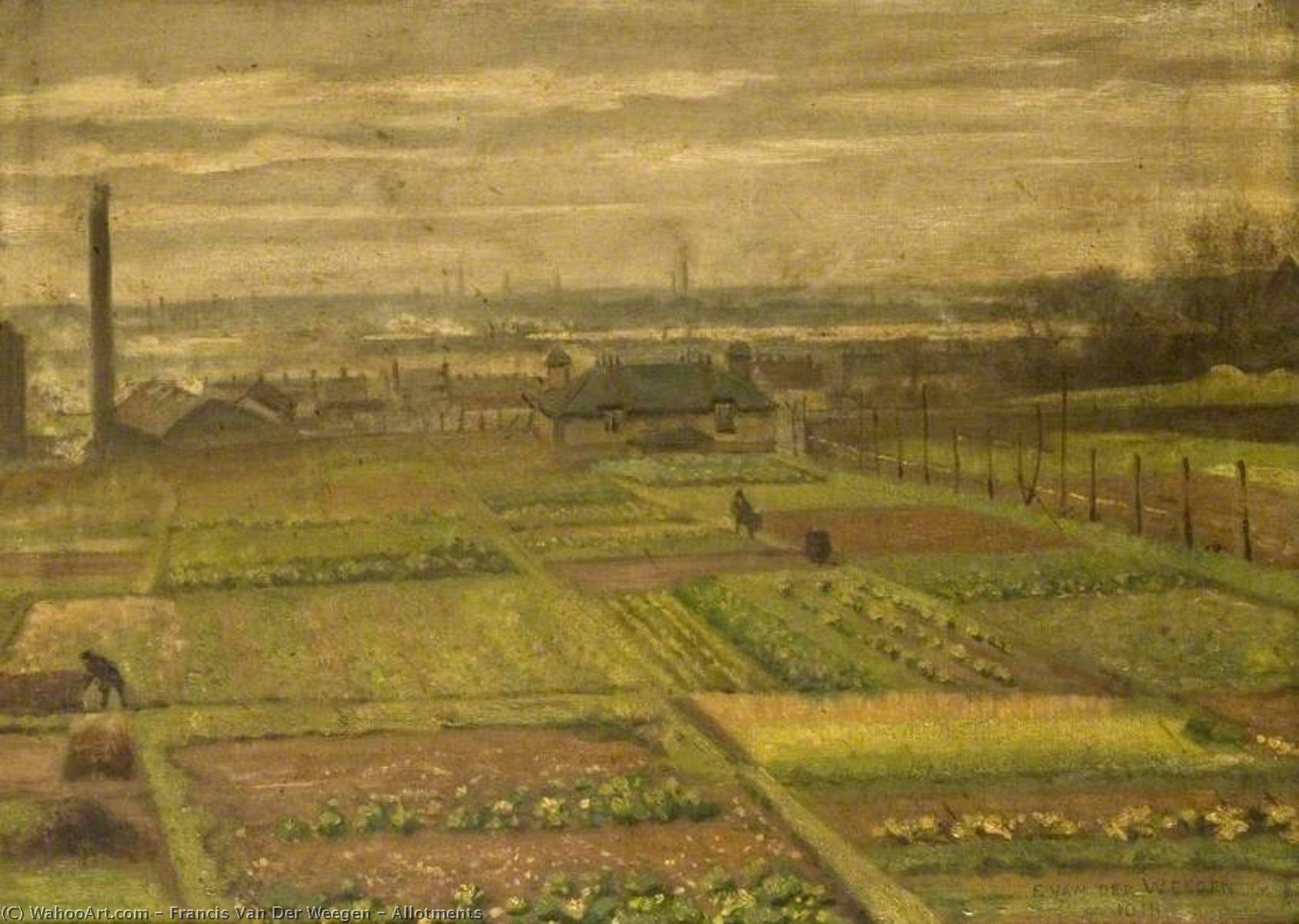
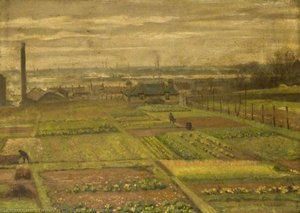
Allotments
 1918
1918 45.0 x 61.0 cm
 Pročitaj više
Kupite digitalnu sliku visoke rezolucije i poboljšanog kvaliteta, koja je znatno superiornija od onoga što vidite u online prikazu.
Svaka datoteka je pedantno pripremljena od strane naših stručnjaka koristeći napredne alate i profesionalnu ručnu retušu. Osiguravamo da svaka slika ima izuzetnu oštrinu, preciznu reprodukciju boja i fine detalje.
Konačna datoteka se dostavlja putem e-pošte u roku od 72 sata, optimizovana za neposrednu upotrebu u profesionalnim, izdavačkim i štamparskim okruženjima. To je isti kvalitet kojem veruju vrhunski studiji dizajna, izdavači i galerije.
Digitalna slika
Preuzmite datoteku visoke rezolucije za ličnu upotrebu, štampanje i kreativne projekte. ( Kupi print Kupi ručno naslikanu sliku)
Uključeno uz svaku porudžbinu digitalne slike
Profesionalna digitalna isporuka, zagarantovana
Kada odaberete ArtsDot.com, ne dobijate samo sliku – vi primate profesionalno unapređeno digitalno umetničko delo, izrađeno sa najvećom preciznošću i uz garanciju zadovoljstva. Evo svega što automatski dolazi uz vašu porudžbinu:

Brza dostava putem e-pošte
Vaša digitalna slika visoke rezolucije biće vam poslata putem e-pošte u roku od 72 sata od poručivanja – spremna za trenutnu upotrebu.

Digitalna datoteka unapređena veštačkom inteligencijom
Vaše umetničko delo je profesionalno optimizovano korišćenjem naprednih AI alata i ručne obrade, čime se osiguravaju maksimalni detalji, oštrina i preciznost boja.

Besplatna ponovna isporuka doživotno
Slučajno ste obrisali ili izgubili svoju datoteku? Ne brinite – poslaćemo vam je ponovo u bilo kom trenutku, potpuno besplatno.

Bez troškova uvoza – zauvek
Uživajte u svojim umetničkim delima trenutno, bez carine, dažbina ili troškova dostave – digitalni download je uvek bez poreza.

Garancija vernosti boja
Uz pomoć profesionalnih alata i upravljanja bojama, osiguravamo da vaša digitalna slika što vernije odražava originalne boje.

Garancija zadovoljstva od 100 dana
Ako niste zadovoljni svojom digitalnom slikom, izvršićemo reviziju ili ćemo vam vratiti 100% novca u roku od 100 dana – bez ikakvih pitanja.

100% garancija povrata novca
Niste zadovoljni? Dobijte puni povraćaj novca u roku od 100 dana od prijema digitalne datoteke – bez suvišnih pitanja.

Popusti na velike porudžbine
Kupite 3 slike, uštedite 10% - Kupite 5 slika, uštedite 15% - Kupite 10+ slika, uštedite 20%. Odlično za kreativne projekte, galerije i agencije.
Background and Inspiration
The painting depicts a scene of farmland with a man working in the field, surrounded by various crops such as carrots, cabbage, and broccoli. The presence of cows scattered throughout the field adds to the overall atmosphere of the scene. The sky in the background is cloudy, giving the painting an old-fashioned feel. For more information on Francis Van Der Weegen and his works, visit /art/list/?Filter=ARAHXJ-Francis-Van-Der-Weegen-Allotments.Artistic Style and Technique
The use of oil on canvas in Allotments allows for a rich and vibrant color palette, with the artist's brushstrokes evident throughout the piece. The attention to detail in the painting is impressive, from the textures of the crops to the expressions of the cows. This level of detail is a testament to Francis Van Der Weegen's skill as an artist. To learn more about the artistic style and technique of Francis Van Der Weegen, visit https://ArtsDot.com/@/Francis-Van-Der-Weegen. Key Features of the painting include:- The use of earthy tones to create a sense of warmth and naturalness
- The depiction of everyday life in the farmland, highlighting the importance of agriculture
- The presence of animals, adding a sense of movement and energy to the scene
Srodna umetnička dela



Biografija umetnika
The Soul of the Landscape: The Life and Vision of Francis van der Weegen
In the twilight of the nineteenth century, as the art world grappled with the rapid shifts of modernity, Francis van der Weegen emerged as a painter of profound psychological depth. Born around 1854 in Altona, Germany, his journey was one of crossing borders—not merely geographical ones between the Netherlands, Germany, and England, but also the boundaries between the external world and the internal psyche. While many of his contemporaries were consumed by the fleeting optical effects of Impressionism, Van der Weegen sought something far more enduring: a way to translate the invisible tremors of human emotion into the tangible textures of the natural landscape.
His artistic foundation was laid within the prestigious halls of Düsseldorf’s Kunstakademie, where he studied under masters such as Wilhelm Leibl and Anton Faigl. From Leibl, he inherited a rigorous devotion to detail and an acute sensitivity to the subtle interplay of light and atmosphere. This classical training provided him with the technical vocabulary necessary to execute his more ambitious conceptual goals. As his career progressed, he moved beyond simple representation, influenced by the burgeoning psychological theories of his era, including the early work of Sigmund Freud. He began to view the landscape not as a static backdrop, but as a mirror for human vulnerability, tension, and memory.
A Cartography of Emotion: From Alton to Grays
The heart of Van der Weegen’s oeuvre lies in his intimate connection to the English countryside, specifically the regions of Alton and Grays. These locations were more than mere subjects; they were vessels for his emotional explorations. In his depictions of Alton, one finds a masterful synthesis of observation and feeling. He did not merely paint vistas; he captured the palpable tension of an approaching storm or the quiet, heavy melancholy found in the twilight hours. His brushwork often reflected this duality, utilizing earthy tones to ground the viewer in reality while employing light to suggest a spiritual or psychological presence.
His time in Grays, Essex, offered another layer to his artistic narrative. Through works such as Globe Pit, Grays, he explored themes of isolation and the passage of time. His connection to the area was deeply personal, linked to his family ties through his daughter Gabriella’s marriage to the headmaster of Eggar's Grammar School in Alton. This proximity allowed him to document the changing face of rural life with a unique intimacy. Whether depicting the industrious energy of Allotments—where the rhythmic labor of man meets the fertile earth—or the quietude of a village lane, his work remains a testament to the dignity of the everyday and the profound emotions hidden within the mundane.
Legacy and Artistic Significance
The historical significance of Francis van der Weegen lies in his refusal to remain a mere observer. He stands as a pioneer of what might be termed psychological landscape painting, a bridge between the meticulous realism of the Düsseldorf school and the subjective explorations of modern art. His ability to imbue a scene of farmland or a roadside cottage with a sense of existential weight distinguishes him from the purely descriptive landscape artists of his time.
Though much of his work remains cherished in specialized collections like the Thurrock Museum, his contribution to the evolution of landscape art is undeniable. He taught us that a landscape is never just a collection of trees, fields, and skies; it is a living, breathing entity capable of expressing the deepest recesses of the human spirit. His legacy survives in every brushstroke that seeks to find the heartbeat within the horizon.
Kratke činjenice
- Artistic Movement Or Style: Realist Landscape Art
- Artists Or Movements Influenced By This Artist: ['Impressionists']
- Artists Who Influenced This Artist:
- Hugo van der Goes
- Rogier van der Weyden
- Date Of Death: 1930
- Full Name: Francis van der Weegen
- Nationality: British
- Notable Artworks:
- View of Cottages in Alton
- Globe Pit, Grays
- Place Of Birth: Alton & Grays