

 Pregledaj u prostoru
 Pošalji
 Podeli
 Detalji o delu

 Преузми
 Slični predmeti
 Rendgenski snimak
 Slajdovi
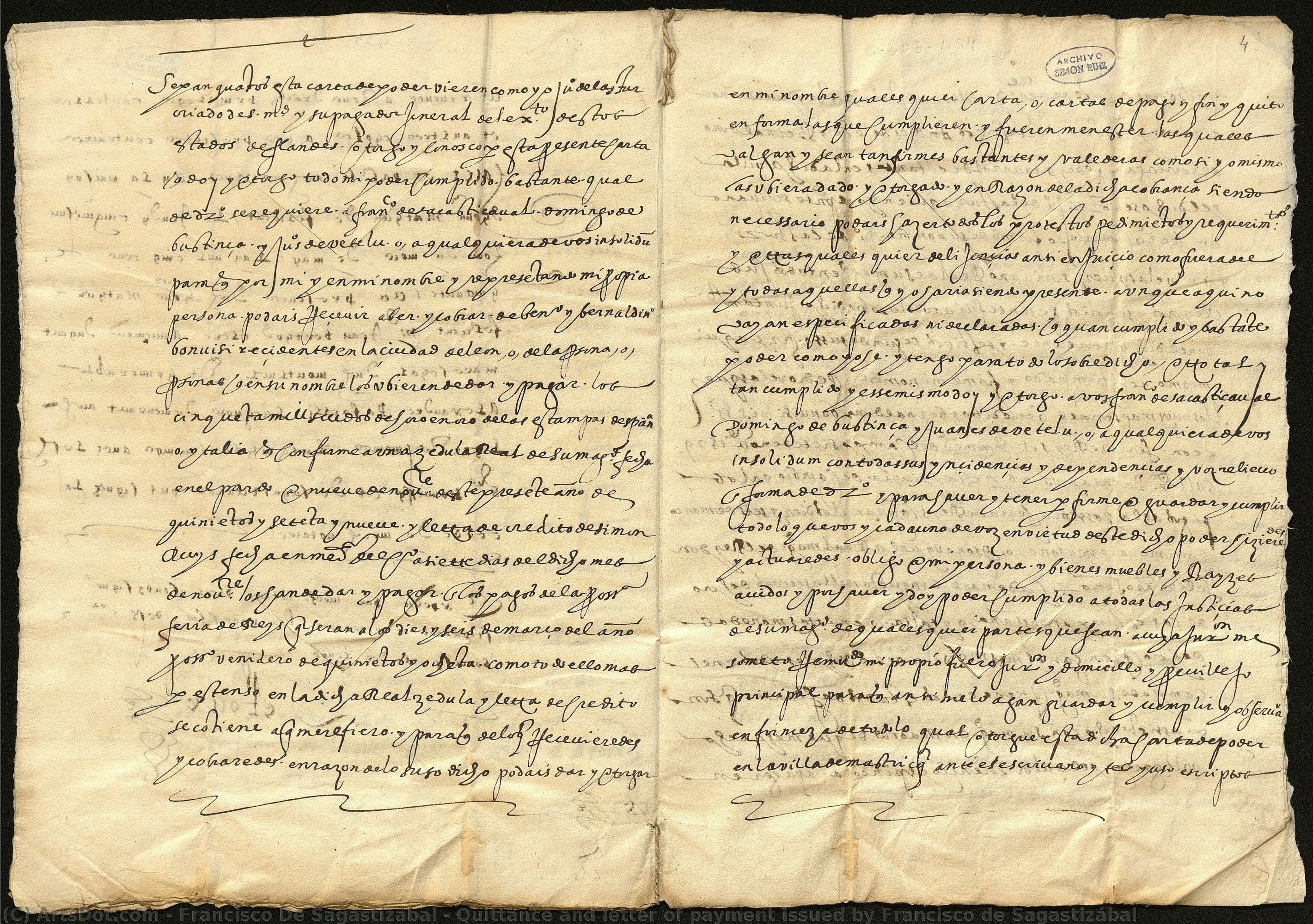
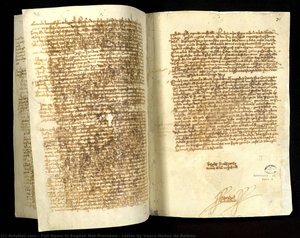
Quittance and letter of payment issued by Francisco de Sagastizábal

 Pročitaj više
Kupite digitalnu sliku visoke rezolucije i poboljšanog kvaliteta, koja je znatno superiornija od onoga što vidite u online prikazu.
Svaka datoteka je pedantno pripremljena od strane naših stručnjaka koristeći napredne alate i profesionalnu ručnu retušu. Osiguravamo da svaka slika ima izuzetnu oštrinu, preciznu reprodukciju boja i fine detalje.
Konačna datoteka se dostavlja putem e-pošte u roku od 72 sata, optimizovana za neposrednu upotrebu u profesionalnim, izdavačkim i štamparskim okruženjima. To je isti kvalitet kojem veruju vrhunski studiji dizajna, izdavači i galerije.
Digitalna slika
Preuzmite datoteku visoke rezolucije za ličnu upotrebu, štampanje i kreativne projekte. ( Kupi print Kupi ručno naslikanu sliku)
Uključeno uz svaku porudžbinu digitalne slike
Profesionalna digitalna isporuka, zagarantovana
Kada odaberete ArtsDot.com, ne dobijate samo sliku – vi primate profesionalno unapređeno digitalno umetničko delo, izrađeno sa najvećom preciznošću i uz garanciju zadovoljstva. Evo svega što automatski dolazi uz vašu porudžbinu:

Brza dostava putem e-pošte
Vaša digitalna slika visoke rezolucije biće vam poslata putem e-pošte u roku od 72 sata od poručivanja – spremna za trenutnu upotrebu.

Digitalna datoteka unapređena veštačkom inteligencijom
Vaše umetničko delo je profesionalno optimizovano korišćenjem naprednih AI alata i ručne obrade, čime se osiguravaju maksimalni detalji, oštrina i preciznost boja.

Besplatna ponovna isporuka doživotno
Slučajno ste obrisali ili izgubili svoju datoteku? Ne brinite – poslaćemo vam je ponovo u bilo kom trenutku, potpuno besplatno.

Bez troškova uvoza – zauvek
Uživajte u svojim umetničkim delima trenutno, bez carine, dažbina ili troškova dostave – digitalni download je uvek bez poreza.

Garancija vernosti boja
Uz pomoć profesionalnih alata i upravljanja bojama, osiguravamo da vaša digitalna slika što vernije odražava originalne boje.

Garancija zadovoljstva u roku od 60 dana
Ako niste zadovoljni svojom digitalnom slikom, revidirat ćemo je ili vratiti 100% novca u roku od 60 dana – bez ikakvih pitanja.

100% garancija povrata novca
Niste zadovoljni? Obezbedite pun povrat novca u roku od 60 dana od trenutka kada ste primili svoju digitalnu datoteku – bez suvišnih pitanja.

Popusti na velike porudžbine
Kupite 3 slike, uštedite 10% - Kupite 5 slika, uštedite 15% - Kupite 10+ slika, uštedite 20%. Odlično za kreativne projekte, galerije i agencije.
Srodna umetnička dela


Biografija umetnika
Francisco de Sagastizábal: A Banker’s Brush – Capturing the Essence of Early Spanish Finance
Francisco de Sagastizábal, a name perhaps less familiar than those of his Baroque contemporaries, nevertheless stands as a fascinating figure in 16th-century Spain. Born into a family deeply entrenched in finance and trade—his father, also Francisco de Sagastizábal, was a prominent merchant and financier—Sagastizábal’s artistic journey began not through formal training but through an innate desire to document the intricate world of commerce he witnessed daily. He wasn't a court painter seeking royal commissions; rather, he meticulously recorded financial transactions, contracts, and payments on paper, transforming the mundane realities of trade into surprisingly elegant works of art. His legacy lies not in grand religious narratives or dramatic portraits, but in his unique ability to capture the spirit of an era through the language of accounts and ledgers. Sagastizábal’s career unfolded primarily during the reign of Philip II, a period marked by Spain's burgeoning global empire and its reliance on complex financial networks. He operated as a *asentista*, a crucial role in the Spanish economy – essentially a private banker or agent who facilitated trade with the New World. These *asientos* involved long-term contracts where wealthy merchants (often members of powerful families like the Bonvisi) would provide capital to the Crown, which then used that money to finance expeditions and maintain troops overseas. Sagastizábal’s work centered around documenting these transactions, creating detailed “quittances” – receipts or acknowledgements of payment – and letters of credit. These weren't mere bureaucratic records; he imbued them with a remarkable attention to detail, incorporating elaborate lettering, intricate borders, and often, small decorative elements that elevated the documents beyond simple accounting sheets. His most famous work, ‘Quittance and Letter of Payment issued by Francisco de Sagastizábal,’ dated 1580, exemplifies this – a document detailing the transfer of 50,000 Spanish golden escudos to the Bonvisi of Lyon, illustrating the complex financial relationships that underpinned Spain’s colonial ambitions.A Unique Artistic Style: Combining Function and Beauty
Sagastizábal's artistic style is immediately recognizable for its distinctive blend of practicality and aesthetic sensibility. He wasn’t striving to emulate the grand styles of Velázquez or Zurbarán; instead, he developed a highly personal approach rooted in his profession. His works are characterized by meticulous execution, precise lettering, and an almost obsessive attention to detail. The borders of his documents are often adorned with elaborate floral motifs, geometric patterns, and even miniature scenes – reflecting the wealth and status of the individuals involved. He employed a refined calligraphic style, prioritizing legibility while simultaneously creating visually engaging compositions. Crucially, Sagastizábal’s work demonstrates an understanding of perspective and spatial relationships, transforming what could have been dry financial records into dynamic visual narratives. The documents are not simply receipts; they are miniature works of art that tell a story of trade, finance, and the intricate workings of the Spanish economy.Influences and Context: Beyond the Court
While Sagastizábal’s work is often associated with the court of Philip II, it's important to recognize that he operated largely outside its immediate sphere. He wasn’t a painter commissioned by the royal workshops; rather, his artistic practice emerged from his role as a *asentista*. His style draws inspiration from various sources – the decorative arts prevalent in merchant circles, the influence of Flemish manuscript illumination (a popular trend at the time), and perhaps even elements of early printing techniques. The meticulous detail and emphasis on visual clarity can also be seen as echoes of the humanist ideals that were shaping European art during this period. Furthermore, his work provides a valuable window into the economic realities of 16th-century Spain – a nation deeply reliant on trade with its colonies and engaged in complex financial transactions across continents.Legacy and Significance: A Window into Economic History
Francisco de Sagastizábal’s legacy is not one of celebrated masterpieces, but rather as a unique documentarian of an era. His works offer invaluable insights into the economic history of Spain during the 16th century – revealing the intricate networks of trade, finance, and colonial expansion that fueled the nation's rise to power. His documents are now housed in museums like the Museo de Artes y Costumbres Populares in Seville, where they serve as tangible reminders of a little-known but crucial aspect of Spanish history. Moreover, Sagastizábal’s artistic approach – transforming mundane financial records into visually compelling works of art – has resonated with contemporary artists and designers who seek to find beauty and meaning in unexpected places. His work continues to be studied by historians, art scholars, and anyone interested in understanding the complex interplay between art, commerce, and society during a pivotal period in European history.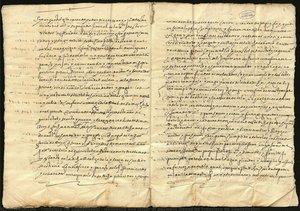
Kratke činjenice
- Artistic Movement Or Style: Early Spanish art
- Date Of Death: Living
- Full Name: Francisco de Sagastizábal
- Nationality: Spanish
- Notable Artworks:
- Quittance & Letter of Payment
- Various paper artwork
- Place Of Birth: Spain

