

 Pregledaj u prostoru
 Pošalji
 Podeli
 Detalji o delu

 Преузми
 Slični predmeti
 Rendgenski snimak
 Slajdovi
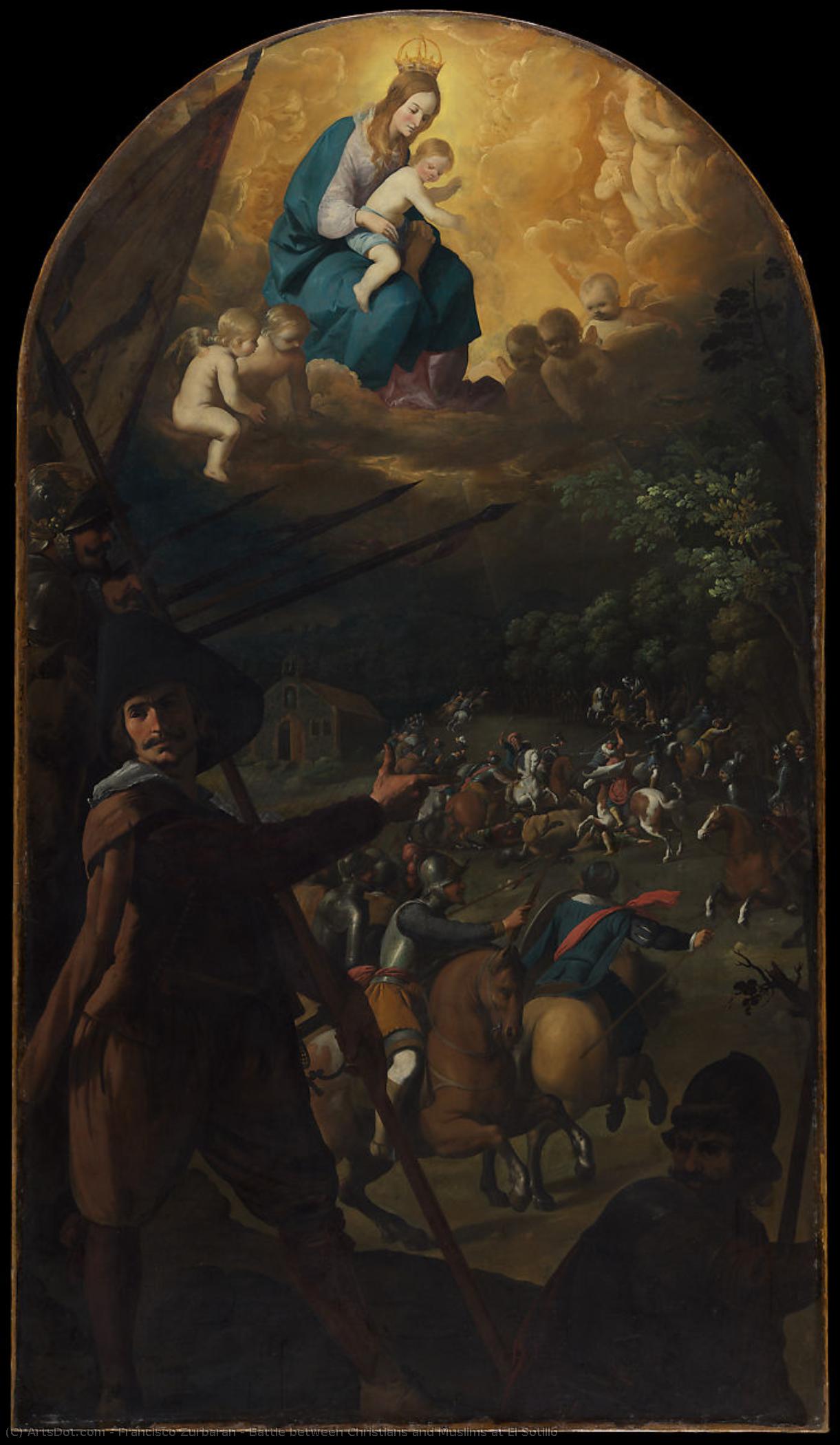
Battle between Christians and Muslims at El Sotillo
 Oil On Canvas
- WallArt
- Spanish Baroque
 1639
1639 335.0 x 191.0 cm
 Pročitaj više
Kupite digitalnu sliku visoke rezolucije i poboljšanog kvaliteta, koja je znatno superiornija od onoga što vidite u online prikazu.
Svaka datoteka je pedantno pripremljena od strane naših stručnjaka koristeći napredne alate i profesionalnu ručnu retušu. Osiguravamo da svaka slika ima izuzetnu oštrinu, preciznu reprodukciju boja i fine detalje.
Konačna datoteka se dostavlja putem e-pošte u roku od 72 sata, optimizovana za neposrednu upotrebu u profesionalnim, izdavačkim i štamparskim okruženjima. To je isti kvalitet kojem veruju vrhunski studiji dizajna, izdavači i galerije.
Digitalna slika
Preuzmite datoteku visoke rezolucije za ličnu upotrebu, štampanje i kreativne projekte. ( Kupi print Kupi ručno naslikanu sliku)
Uključeno uz svaku porudžbinu digitalne slike
Profesionalna digitalna isporuka, zagarantovana
Kada odaberete ArtsDot.com, ne dobijate samo sliku – vi primate profesionalno unapređeno digitalno umetničko delo, izrađeno sa najvećom preciznošću i uz garanciju zadovoljstva. Evo svega što automatski dolazi uz vašu porudžbinu:

Brza dostava putem e-pošte
Vaša digitalna slika visoke rezolucije biće vam poslata putem e-pošte u roku od 72 sata od poručivanja – spremna za trenutnu upotrebu.

Digitalna datoteka unapređena veštačkom inteligencijom
Vaše umetničko delo je profesionalno optimizovano korišćenjem naprednih AI alata i ručne obrade, čime se osiguravaju maksimalni detalji, oštrina i preciznost boja.

Besplatna ponovna isporuka doživotno
Slučajno ste obrisali ili izgubili svoju datoteku? Ne brinite – poslaćemo vam je ponovo u bilo kom trenutku, potpuno besplatno.

Bez troškova uvoza – zauvek
Uživajte u svojim umetničkim delima trenutno, bez carine, dažbina ili troškova dostave – digitalni download je uvek bez poreza.

Garancija vernosti boja
Uz pomoć profesionalnih alata i upravljanja bojama, osiguravamo da vaša digitalna slika što vernije odražava originalne boje.

Garancija zadovoljstva u roku od 60 dana
Ako niste zadovoljni svojom digitalnom slikom, revidirat ćemo je ili vratiti 100% novca u roku od 60 dana – bez ikakvih pitanja.

100% garancija povrata novca
Niste zadovoljni? Obezbedite pun povrat novca u roku od 60 dana od trenutka kada ste primili svoju digitalnu datoteku – bez suvišnih pitanja.

Popusti na velike porudžbine
Kupite 3 slike, uštedite 10% - Kupite 5 slika, uštedite 15% - Kupite 10+ slika, uštedite 20%. Odlično za kreativne projekte, galerije i agencije.
Opis kolekcionarskog dela
Francisco de Zurbarán’s “Battle between Christians and Muslims at El Sotillo” – A Dramatic Testament of Faith and Conflict
Francisco de Zurbarán's "Battle between Christians and Muslims at El Sotillo," painted in 1639, is not merely a historical depiction; it’s a profoundly emotive tableau that encapsulates the tumultuous religious landscape of 17th-century Spain. This monumental work, measuring an impressive 335 x 191 cm, transcends its subject matter to become a powerful meditation on faith, violence, and the enduring struggle between opposing ideologies. Zurbarán, often dubbed “Spanish Caravaggio” for his masterful use of chiaroscuro – dramatic contrasts between light and dark – elevates a brutal battlefield scene into a deeply spiritual experience.
The painting unfolds within a meticulously rendered landscape, characteristic of Zurbarán’s style: stark, austere, and imbued with a palpable sense of solemnity. The foreground is dominated by the carnage of battle—fallen soldiers, both Christian and Muslim, lie scattered amidst the dust and debris. However, it's not the graphic detail of death that commands attention but rather the figures bathed in an almost ethereal light emanating from above. This light, a potent symbol of divine intervention, pierces through the darkness, illuminating key elements within the scene – notably, the Virgin Mary holding the infant Jesus in her arms, positioned centrally and radiating serenity amidst the chaos.
The Historical Context: A Legacy of Conflict
To fully appreciate “El Sotillo,” one must understand its historical roots. The mid-16th century witnessed a protracted conflict between Christian Spain and the Moorish kingdoms that had controlled much of the Iberian Peninsula for centuries. The painting depicts an alleged miracle said to have occurred in 1370, when Muslim troops preparing to ambush a Catholic encampment were suddenly revealed by the Virgin Mary’s radiant light. This event became a cornerstone of Spanish Catholic propaganda, solidifying the narrative of divine protection and bolstering Christian resolve against their enemies. The battle itself took place at El Sotillo, a strategic location in Castile, and served as a potent symbol of the ongoing struggle for dominance.
It’s crucial to note that this wasn't simply a tale of religious fervor; it was deeply intertwined with political and social realities. The forced conversion and subsequent persecution of *moriscos* – Spanish Muslims who had converted to Christianity – fueled resentment and contributed to the atmosphere of conflict. The painting, therefore, reflects not only a religious narrative but also the broader context of religious intolerance and power dynamics prevalent in 17th-century Spain.
Zurbarán’s Technique: Chiaroscuro and Spiritual Intensity
Zurbarán's artistic prowess is immediately evident in his masterful manipulation of light and shadow. The dramatic chiaroscuro, a hallmark of his style, intensifies the emotional impact of the scene. The figures are sculpted by this stark contrast, their forms emerging from the darkness with an almost sculptural quality. He employs *tenebrism*, a technique where dark tones dominate the composition, creating a sense of drama and highlighting key elements – particularly the Virgin Mary and her child. The muted palette—primarily browns, grays, and ochres—further enhances the painting’s somber mood.
Furthermore, Zurbarán's meticulous attention to detail is remarkable. He renders the textures of clothing, armor, and flesh with astonishing realism, imbuing each figure with a sense of physicality and vulnerability. The figures are not idealized; they are depicted as ordinary men caught in extraordinary circumstances, adding to the painting’s emotional resonance.
Symbolism and Emotional Resonance
Beyond its historical context, “Battle between Christians and Muslims at El Sotillo” is rich in symbolism. The Virgin Mary represents divine grace and protection, offering a counterpoint to the violence of the battlefield. The infant Jesus embodies innocence and hope amidst the chaos. The fallen soldiers, regardless of their faith, are presented with dignity and pathos, highlighting the tragic consequences of conflict.
Ultimately, Zurbarán’s masterpiece is more than just a historical record; it's a profound meditation on faith, violence, and the enduring human struggle for meaning. It invites viewers to contemplate the complexities of religious belief, the devastating impact of war, and the possibility of redemption through divine grace. ArtsDot offers exquisite hand-painted reproductions that capture the drama and intensity of this iconic work, allowing you to experience its timeless beauty and profound message.
Srodna umetnička dela
Biografija umetnika
Early Life and Formation in Extremadura
Francisco de Zurbarán, born in Fuente de Cantos, Extremadura, Spain, in 1598, emerged from a region steeped in religious fervor and rural austerity—qualities that would profoundly shape his artistic vision. Though details of his earliest training remain somewhat elusive, we know he initially apprenticed with the local painter Alejandro de la Mina before moving to Seville to study under Alonso de Najera. It was within Najera’s workshop that Zurbarán began to absorb the burgeoning Baroque style, a dramatic departure from the more restrained artistic traditions of previous generations. Even in these formative years, a remarkable talent for capturing realistic detail and imbuing his subjects with emotional weight became apparent, hinting at the distinctive path he would forge as an artist. The stark landscapes and devout atmosphere of Extremadura instilled within him a sensibility that favored simplicity, solemnity, and a deep engagement with spiritual themes—characteristics that would define his mature work.
The Seville Period: Establishing a Singular Style
By 1614, Zurbarán had established himself in Seville, a vibrant cultural hub and the gateway to Spain’s vast American colonies. He quickly rose to prominence, establishing a successful workshop and attracting numerous commissions, primarily for religious paintings intended for churches, monasteries, and private devotional use. This period witnessed the full flowering of his signature style—a compelling blend of stark realism and intense spirituality. His early works already showcased a masterful command of *tenebrism*, a technique borrowed from Caravaggio that employed dramatic contrasts between light and shadow to create a sense of drama and emphasize the emotional intensity of his subjects. He wasn’t merely replicating what he saw; he was striving to reveal an inner truth, a profound spiritual presence within each figure. His paintings weren't simply representations of saints or biblical scenes; they were invitations to contemplation, designed to evoke a visceral response in the viewer. The influence of earlier Spanish masters like Juan Sánchez Cotán, known for his austere still lifes and precise realism, is also evident in Zurbarán’s early work, as well as the sculptural traditions prevalent in Seville at the time.
Master of Tenebrism and Religious Devotion
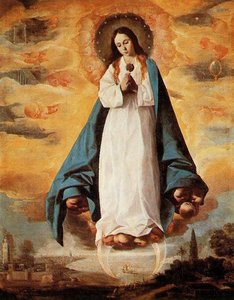
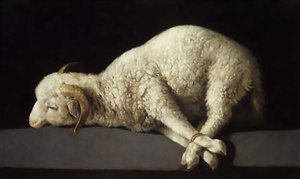
Zurbarán's artistic prowess lay in his ability to transform religious narratives into powerfully moving visual experiences. He became renowned for his depictions of monks, nuns, martyrs, and saints—figures often portrayed in moments of profound contemplation or suffering. His *Immaculate Conception* (c. 1635), housed in the Museo de Bellas Artes in Bilbao, exemplifies this mastery; the Virgin Mary is depicted with a serene dignity, bathed in ethereal light against a dark background, conveying both purity and divine grace. Similarly, his *Agnus Dei* (c. 1640), now part of the Metropolitan Museum of Art collection, presents a poignant image of Christ as the sacrificial lamb, radiating an aura of solemnity and sacrifice. The *Sudarium of St Veronica*, with its haunting depiction of the veil bearing the imprint of Christ’s face, showcases his exceptional control over tenebrism and emotional depth. He didn't shy away from portraying the physical realities of faith—the austerity of monastic life, the pain of martyrdom—but always infused these scenes with a sense of reverence and spiritual significance. His *St Francis Receiving the Stigmata* demonstrates his ability to depict profound spiritual experiences with remarkable sensitivity and realism. The series of paintings depicting Carthusian monks further exemplifies his skill in portraying austere religious life, capturing their quiet devotion and inner peace.
Royal Patronage and Lasting Legacy
Around 1630, Zurbarán achieved a significant milestone in his career when he became a court painter to Philip IV. This appointment brought him increased recognition and access to royal commissions, further solidifying his reputation as one of Spain’s leading artists. However, despite this success, his popularity waned somewhat in later years with the rise of different artistic tastes. The economic hardships facing Spain during the mid-17th century also impacted his ability to secure large-scale projects. Nevertheless, Zurbarán continued to work diligently, adapting his style and exploring new themes. His influence on Spanish Baroque art is undeniable; his dramatic use of chiaroscuro and his focus on religious subjects inspired generations of artists. A circle of followers, known as the “Zurbaranistas,” emerged, continuing to push the boundaries of tenebrism and explore the expressive possibilities of light and shadow. Though he passed away in 1664, Francisco de Zurbarán left behind a rich artistic legacy that continues to be celebrated today, securing his place as one of Spain’s most important Baroque painters—a master of religious art whose works continue to resonate with viewers centuries later.
- Notable Works: Immaculate Conception (c. 1635), Agnus Dei (c. 1640), Sudarium of St Veronica, St Francis Receiving the Stigmata, Paintings of Carthusian Monks.
- Historical Significance: Zurbarán’s influence on Spanish Baroque is undeniable; his use of chiaroscuro and focus on religious themes inspired generations of artists.
Франциско Де Зурабон
1598 - 1664 , Španija
Kratke činjenice
- Artistic Movement Or Style: Barok, Tenebrizm
- Artists Or Movements Influenced By This Artist: ['Tenebrizm kruga']
- Artists Who Influenced This Artist: ['Juan Sánchez Cotán']
- Date Of Birth: 1598
- Date Of Death: 1664
- Full Name: Francisco de Zurbarán
- Nationality: Španjolski
- Notable Artworks:
- Immaculata Konzepcija
- Agnus Dei
- Sudarium Svete Veroniky
- Sv. Franjo Primijet Stigmata
- Place Of Birth: Fuente de Cantos, Španija

