 Pregledaj u prostoru
 Pošalji
 Podeli
 Detalji o delu

 Преузми
 Slični predmeti
 Rendgenski snimak
 Slajdovi
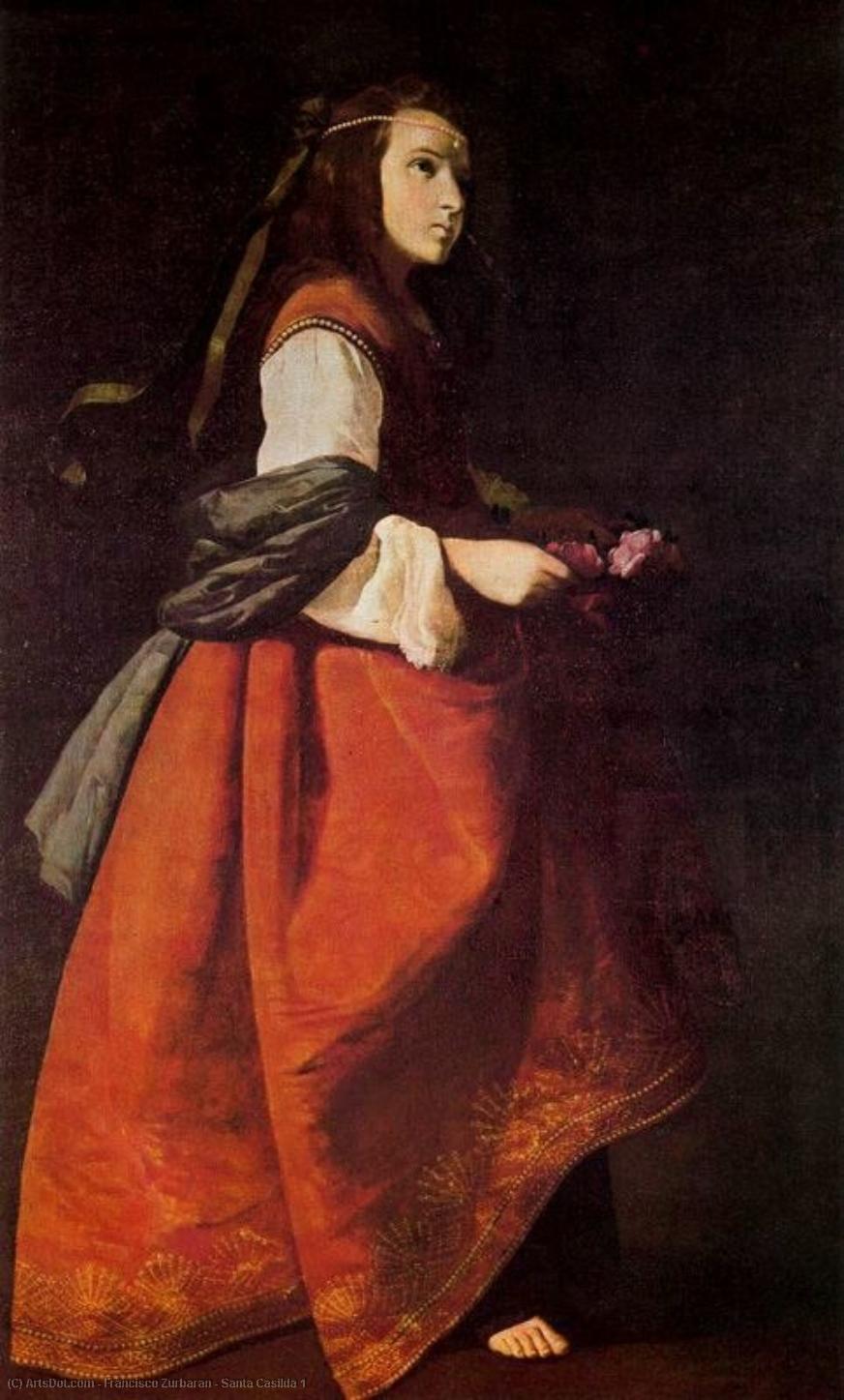
Santa Casilda 1

 Pročitaj više
Ručno rađena uljana reprodukcija
Ručno oslikano uljanim bojama na platnu u dimenzijama i okviru po vašem izboru, izrađeno po porudžbini od strane naših umetnika. ( Kupi print Kupi digitalnu sliku)




P118B $10

P118H $10

P118W $10

P438Z $10

P508JH $12

P508YH $12

P805H $10

P805Z $10

P919BZ $10

P919G $10

P919XJ $10

P959ZH $10

P968JZ $12

W106C $8

W218G $10

W218JH $8

W218Y $10

W307PJ $10

W316G $10

W316PJ $8

W316Y $10

W398PJ $8

W4111J $10

W500HY $15

W500JH $15

W692G $12

W849H $8

W940BG $15

W953PJ $8




Izaberite jednu od naših unapred definisanih veličina koje odgovaraju originalnim proporcijama umetničkog dela.

Можете унети сопствене димензије како бисте прилагодили дело одређеном оквиру или простору. Ако одабрана величина не одговара пропорцијама оригинала, слика ће бити исечена или проширена додатним елементима који се ручно насликавају. Дигитални prikaz ће вам бити послат на одобрење пре почетка производње.
Имајте на уму да преглед на екрану не одражава стварно исецање или проширење. Само приказ (mockup) ће тачно приказати коначну композицију.
Иако су доступне прилагођене величине, препоручујемо да одаберете димензију из дефинисане листе како бисте сачували оригиналне пропорције.
Nakon narudžbine, tim ArtsDot.com će klijentu putem e-pošte poslati uputstva i dostaviti prikaz predloženog rešenja
Isporuka širom sveta () za 3/4 nedelje umesto uobičajenih 5 nedelja. (22 август). Bez kompromisa po pitanju kvaliteta.

Besplatna ekspresna dostava širom sveta

Visokokvalitetno laneno platno

Kompletno osiguranje transporta

Garancija povraćaja carine i uvoznih dažbina

Garancija vernosti boja

Politika povrata u roku od 60 dana (samo u slučaju nedostataka)

Garancija povrata novca od 100%

Popust pri grupnoj kupovini
 Opcija sa staklom dostupna je samo za dimenzije manje od 110 cm

Santa Casilda 1
Tehnika reprodukcije
Dimenzije reprodukcije
-


Konačna cena
$ 263
Opis umetničkog dela
A Portrait of Spanish Piety: Santa Casilda 1 by Francisco de Zurbarán
Francisco de Zurbarán’s “Santa Casilda 1” is more than just a portrait; it's a profound meditation on faith, beauty, and the enduring spirit of Spain. Painted during his most intensely spiritual period – roughly between 1630 and 1640 – this work exemplifies Zurbarán’s signature style: stark realism combined with an almost palpable sense of devotional intensity. The subject, identified as Santa Casilda, a legendary Spanish princess renowned for her virtue and grace, is rendered with a meticulous attention to detail that elevates the image beyond mere representation into a powerful symbol of religious devotion.
- The Figure of Santa Casilda: The woman depicted embodies the ideals of the period. Her crimson gown, a color historically associated with royalty and sacrifice, immediately draws the eye. The long, flowing skirt, reaching to the floor, suggests both dignity and humility – essential qualities attributed to the saint.
- Veil and Flowers: The veil, a common accessory in Spanish portraits of this era, adds an element of mystery and reverence, further emphasizing her status as a religious figure. The delicate flowers she holds are not merely decorative; they represent purity, innocence, and the blossoming of faith.
- Zurbarán’s Technique: Zurbarán's mastery lies in his ability to capture fleeting moments of light and shadow. Notice how the light seems to emanate from within the subject, illuminating her face and hands with an almost ethereal glow. This technique, known as *chiaroscuro*, creates a dramatic effect that intensifies the emotional impact of the portrait.
Baroque Realism and Extremaduran Influence
Zurbarán’s artistic vision was deeply rooted in his upbringing in Extremadura, a region characterized by its austere landscapes and fervent religious traditions. This environment profoundly shaped his style, leading him to favor simplicity, solemnity, and a direct engagement with spiritual themes. His work reflects the Baroque movement's emphasis on emotional intensity and dramatic contrasts, but unlike many of his contemporaries, Zurbarán avoided excessive ornamentation or theatrical gestures. Instead, he sought to capture the inner essence of his subjects – their piety, their dignity, and their unwavering faith.
The influence of Alonso de Najera, Zurbarán’s mentor, is evident in the artist's early training. Najera introduced him to the burgeoning Baroque style, but Zurbarán quickly developed a unique approach that blended this new aesthetic with his own deeply rooted religious convictions. This combination resulted in a style that is both powerfully expressive and remarkably restrained.
Symbolism and Emotional Impact
"Santa Casilda 1" resonates with viewers on multiple levels. The portrait’s starkness invites contemplation, prompting us to consider the nature of faith, beauty, and mortality. The woman's gaze, direct and unwavering, conveys a sense of serenity and inner peace – qualities that were highly valued in Spanish religious art. The composition itself is carefully balanced, with the subject occupying the majority of the frame while still allowing for depth through subtle use of shadows.
Beyond its religious significance, the painting possesses a timeless beauty. It’s a testament to Zurbarán's ability to capture not just a likeness but also the very soul of his subject. The work continues to captivate viewers with its profound sense of spirituality and its masterful execution.
A Hand-Painted Reproduction – A Timeless Masterpiece
ArtsDot offers meticulously crafted hand-painted reproductions of “Santa Casilda 1,” allowing you to bring this iconic artwork into your home or office. Our skilled artisans employ the same techniques as Zurbarán, using archival quality materials to ensure that the reproduction faithfully captures the original’s beauty and detail. Whether for a private collection or interior design project, our reproductions provide an authentic connection to one of Spain's greatest artistic treasures.
Srodna umetnička dela
Biografija umetnika
Early Life and Formation in Extremadura
Francisco de Zurbarán, born in Fuente de Cantos, Extremadura, Spain, in 1598, emerged from a region steeped in religious fervor and rural austerity—qualities that would profoundly shape his artistic vision. Though details of his earliest training remain somewhat elusive, we know he initially apprenticed with the local painter Alejandro de la Mina before moving to Seville to study under Alonso de Najera. It was within Najera’s workshop that Zurbarán began to absorb the burgeoning Baroque style, a dramatic departure from the more restrained artistic traditions of previous generations. Even in these formative years, a remarkable talent for capturing realistic detail and imbuing his subjects with emotional weight became apparent, hinting at the distinctive path he would forge as an artist. The stark landscapes and devout atmosphere of Extremadura instilled within him a sensibility that favored simplicity, solemnity, and a deep engagement with spiritual themes—characteristics that would define his mature work.
The Seville Period: Establishing a Singular Style
By 1614, Zurbarán had established himself in Seville, a vibrant cultural hub and the gateway to Spain’s vast American colonies. He quickly rose to prominence, establishing a successful workshop and attracting numerous commissions, primarily for religious paintings intended for churches, monasteries, and private devotional use. This period witnessed the full flowering of his signature style—a compelling blend of stark realism and intense spirituality. His early works already showcased a masterful command of *tenebrism*, a technique borrowed from Caravaggio that employed dramatic contrasts between light and shadow to create a sense of drama and emphasize the emotional intensity of his subjects. He wasn’t merely replicating what he saw; he was striving to reveal an inner truth, a profound spiritual presence within each figure. His paintings weren't simply representations of saints or biblical scenes; they were invitations to contemplation, designed to evoke a visceral response in the viewer. The influence of earlier Spanish masters like Juan Sánchez Cotán, known for his austere still lifes and precise realism, is also evident in Zurbarán’s early work, as well as the sculptural traditions prevalent in Seville at the time.
Master of Tenebrism and Religious Devotion
Zurbarán's artistic prowess lay in his ability to transform religious narratives into powerfully moving visual experiences. He became renowned for his depictions of monks, nuns, martyrs, and saints—figures often portrayed in moments of profound contemplation or suffering. His *Immaculate Conception* (c. 1635), housed in the Museo de Bellas Artes in Bilbao, exemplifies this mastery; the Virgin Mary is depicted with a serene dignity, bathed in ethereal light against a dark background, conveying both purity and divine grace. Similarly, his *Agnus Dei* (c. 1640), now part of the Metropolitan Museum of Art collection, presents a poignant image of Christ as the sacrificial lamb, radiating an aura of solemnity and sacrifice. The *Sudarium of St Veronica*, with its haunting depiction of the veil bearing the imprint of Christ’s face, showcases his exceptional control over tenebrism and emotional depth. He didn't shy away from portraying the physical realities of faith—the austerity of monastic life, the pain of martyrdom—but always infused these scenes with a sense of reverence and spiritual significance. His *St Francis Receiving the Stigmata* demonstrates his ability to depict profound spiritual experiences with remarkable sensitivity and realism. The series of paintings depicting Carthusian monks further exemplifies his skill in portraying austere religious life, capturing their quiet devotion and inner peace.
Royal Patronage and Lasting Legacy
Around 1630, Zurbarán achieved a significant milestone in his career when he became a court painter to Philip IV. This appointment brought him increased recognition and access to royal commissions, further solidifying his reputation as one of Spain’s leading artists. However, despite this success, his popularity waned somewhat in later years with the rise of different artistic tastes. The economic hardships facing Spain during the mid-17th century also impacted his ability to secure large-scale projects. Nevertheless, Zurbarán continued to work diligently, adapting his style and exploring new themes. His influence on Spanish Baroque art is undeniable; his dramatic use of chiaroscuro and his focus on religious subjects inspired generations of artists. A circle of followers, known as the “Zurbaranistas,” emerged, continuing to push the boundaries of tenebrism and explore the expressive possibilities of light and shadow. Though he passed away in 1664, Francisco de Zurbarán left behind a rich artistic legacy that continues to be celebrated today, securing his place as one of Spain’s most important Baroque painters—a master of religious art whose works continue to resonate with viewers centuries later.
- Notable Works: Immaculate Conception (c. 1635), Agnus Dei (c. 1640), Sudarium of St Veronica, St Francis Receiving the Stigmata, Paintings of Carthusian Monks.
- Historical Significance: Zurbarán’s influence on Spanish Baroque is undeniable; his use of chiaroscuro and focus on religious themes inspired generations of artists.
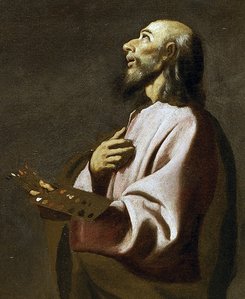
Франциско Де Зурабон
1598 - 1664 , Španija
Osnovne informacije
- Artistic Movement Or Style: Barok, Tenebrizm
- Artists Or Movements Influenced By This Artist: ['Tenebrizm kruga']
- Artists Who Influenced This Artist: ['Juan Sánchez Cotán']
- Date Of Birth: 1598
- Date Of Death: 1664
- Full Name: Francisco de Zurbarán
- Nationality: Španjolski
- Notable Artworks:
- Immaculata Konzepcija
- Agnus Dei
- Sudarium Svete Veroniky
- Sv. Franjo Primijet Stigmata
- Place Of Birth: Fuente de Cantos, Španija
Povezani članci
The Golden Age Reforged: Dramatic Realism & Religious Zeal in Spanish Baroque Art
Explore the dramatic world of Spanish Baroque art! Discover masters like Zurbarán & the powerful influence of religious zeal on painting techniques – a guide for collectors and enthusiasts.

Giclée Prints: Archival Quality & Aesthetic Nuances for the Discerning Collector
Explore the world of giclée prints with ArtsDot. Learn about archival quality, aesthetic nuances & investment potential. Expert guidance for discerning art collectors seeking museum-quality reproductions and lasting value.

The Dramatic Flourish: Exploring the Baroque Movement's Enduring Legacy in Art History
Explore the dramatic world of Baroque art! Discover iconic artists like Caravaggio & Rubens, defining techniques, and its lasting impact on art history. Expert insights for collectors & enthusiasts at ArtsDot.
Francisco de Zurbarán: Mysticism, Realism & the Golden Age of Spanish Painting
Explore the captivating world of Francisco de Zurbarán, a master of Spanish Baroque painting. Discover his dramatic tenebrism, religious masterpieces like 'La Porciúncula,' and lasting influence on art history.
The Dramatic Flourish: Exploring Themes of Power, Faith & Emotion in Baroque Artworks
Explore the dramatic world of Baroque art! Discover masters like Zurbarán & the powerful influence of religious zeal on painting techniques. Expert insights for collectors and enthusiasts.