

 Pregledaj u prostoru
 Pošalji
 Podeli
 Detalji o delu

 Преузми
 Slični predmeti
 Rendgenski snimak
 Slajdovi
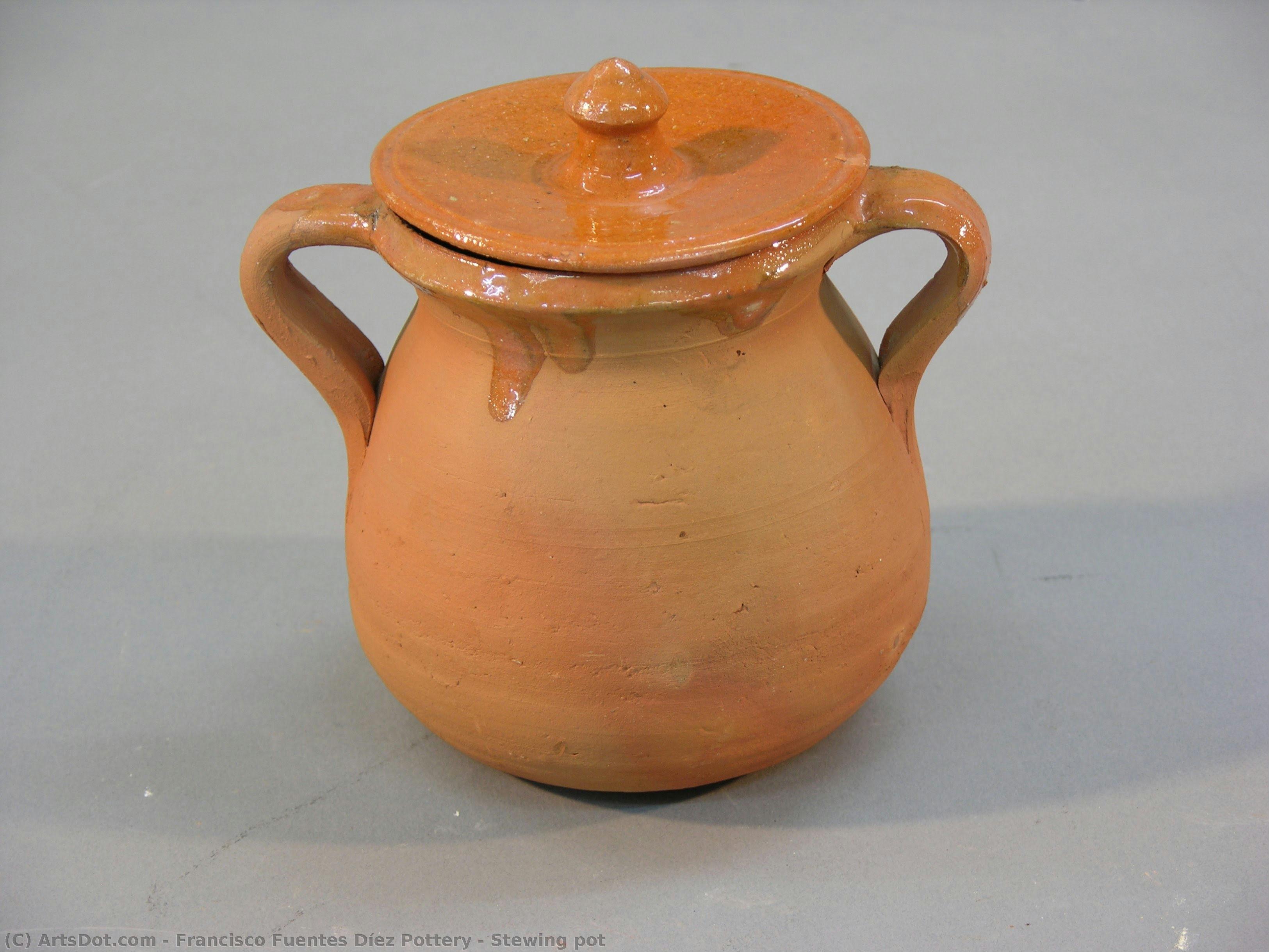
Stewing pot


 Pročitaj više
Kupite digitalnu sliku visoke rezolucije i poboljšanog kvaliteta, koja je znatno superiornija od onoga što vidite u online prikazu.
Svaka datoteka je pedantno pripremljena od strane naših stručnjaka koristeći napredne alate i profesionalnu ručnu retušu. Osiguravamo da svaka slika ima izuzetnu oštrinu, preciznu reprodukciju boja i fine detalje.
Konačna datoteka se dostavlja putem e-pošte u roku od 72 sata, optimizovana za neposrednu upotrebu u profesionalnim, izdavačkim i štamparskim okruženjima. To je isti kvalitet kojem veruju vrhunski studiji dizajna, izdavači i galerije.
Digitalna slika
Preuzmite datoteku visoke rezolucije za ličnu upotrebu, štampanje i kreativne projekte. ( Kupi print Kupi ručno naslikanu sliku)
Uključeno uz svaku porudžbinu digitalne slike
Profesionalna digitalna isporuka, zagarantovana
Kada odaberete ArtsDot.com, ne dobijate samo sliku – vi primate profesionalno unapređeno digitalno umetničko delo, izrađeno sa najvećom preciznošću i uz garanciju zadovoljstva. Evo svega što automatski dolazi uz vašu porudžbinu:

Brza dostava putem e-pošte
Vaša digitalna slika visoke rezolucije biće vam poslata putem e-pošte u roku od 72 sata od poručivanja – spremna za trenutnu upotrebu.

Digitalna datoteka unapređena veštačkom inteligencijom
Vaše umetničko delo je profesionalno optimizovano korišćenjem naprednih AI alata i ručne obrade, čime se osiguravaju maksimalni detalji, oštrina i preciznost boja.

Besplatna ponovna isporuka doživotno
Slučajno ste obrisali ili izgubili svoju datoteku? Ne brinite – poslaćemo vam je ponovo u bilo kom trenutku, potpuno besplatno.

Bez troškova uvoza – zauvek
Uživajte u svojim umetničkim delima trenutno, bez carine, dažbina ili troškova dostave – digitalni download je uvek bez poreza.

Garancija vernosti boja
Uz pomoć profesionalnih alata i upravljanja bojama, osiguravamo da vaša digitalna slika što vernije odražava originalne boje.

Garancija zadovoljstva od 100 dana
Ako niste zadovoljni svojom digitalnom slikom, izvršićemo reviziju ili ćemo vam vratiti 100% novca u roku od 100 dana – bez ikakvih pitanja.

100% garancija povrata novca
Niste zadovoljni? Dobijte puni povraćaj novca u roku od 100 dana od prijema digitalne datoteke – bez suvišnih pitanja.

Popusti na velike porudžbine
Kupite 3 slike, uštedite 10% - Kupite 5 slika, uštedite 15% - Kupite 10+ slika, uštedite 20%. Odlično za kreativne projekte, galerije i agencije.
Srodna umetnička dela









Biografija umetnika
Anselm Kiefer: A Sculptor of German Memory
Born in Donaueschingen, Baden-Württemberg, on March 8, 1945, Anselm Kiefer’s life and art are inextricably linked to the weighty history of Germany. Raised near the Rhine River in a region steeped in folklore and tradition, he developed an early fascination with art, fueled by his name – a reference to the classical painter Anselm Feuerbach – and a childhood ambition to become an artist. His formative years were spent studying at the University of Freiburg and the Karlsruhe Academy, where he initially sought guidance from Joseph Beuys during occasional visits to Düsseldorf before ultimately relocating to France in 1992, establishing a studio in Buchen and later settling in Paris.
Kiefer’s artistic journey is marked by a profound engagement with German history, mythology, literature, and the lingering trauma of World War II. He doesn't shy away from confronting difficult subjects—the horrors of the Holocaust, the rise of Nazism, and the complexities of national identity—instead employing a visceral and often unsettling approach to explore these themes. His work is not simply historical documentation; it’s an active dialogue with the past, a deliberate excavation of buried memories and suppressed narratives.
Materials and Techniques: A Language of Texture
Kiefer's artistic process is as distinctive as his subject matter. He rejects traditional painting techniques in favor of a highly idiosyncratic methodology that incorporates a wide range of unconventional materials. Straw, ash, clay, lead, shellac, and even blood are frequently employed, creating layered surfaces that evoke the weight and texture of history itself. These materials aren’t merely decorative; they carry symbolic significance, reflecting the fragility, decay, and resilience inherent in his chosen subjects.
His large-scale works often involve building up layers upon layers of these materials – sometimes painstakingly by hand, other times using industrial processes like pressing or casting. The resulting surfaces are deeply textured, almost sculptural in their complexity. He frequently employs a technique of scraping and burning, further emphasizing the materiality of his work and creating a sense of destruction and reconstruction. This deliberate manipulation of materials is central to Kiefer’s artistic language, transforming them into potent symbols of memory and trauma.
Themes and Influences: Celan, Wagner, and Beyond
Kiefer's artistic vision has been profoundly shaped by several key influences. The poetry of Paul Celan, particularly his haunting poem “Todesfuge” (“Death Fugue”), served as a crucial catalyst for exploring themes of loss, guilt, and the enduring legacy of the Holocaust. The cyclical nature of history, the manipulation of propaganda during the Third Reich, and the struggle to come to terms with the past are recurring motifs in his work.
Beyond Celan, Kiefer draws inspiration from a diverse range of sources – Wagner’s *Ring* cycle, Goethe's poetry, the mythical mountain resting place of Emperor Frederick I (Barbarossa), and the landscapes of the Black Forest. He frequently incorporates elements of German folklore and mythology, layering them with historical references to create complex and ambiguous narratives. His work is often described as Neo-Expressionist, yet it transcends simple categorization, incorporating elements of Symbolism and Surrealism.
Key Works and Historical Significance
Throughout his career, Kiefer has produced a vast body of work encompassing paintings, sculptures, installations, and collages. Notable works include *Schneeschmelze im Odenwald Winter ade* (Snowmelt in the Black Forest, Winter Ade), a monumental painting depicting a flooded landscape reminiscent of the devastation caused by the floods of 1943-45; *Margarete*, inspired by Celan’s poem and exploring themes of guilt and responsibility; and *Neue Wilden*, a series of paintings referencing the “New Wilds” movement in German art history.
Kiefer's work has been widely exhibited internationally, earning him critical acclaim and establishing him as one of the most important artists of his generation. He is recognized for his unflinching honesty, his willingness to confront difficult subjects, and his innovative use of materials. His exploration of German history and memory continues to resonate deeply with audiences today, prompting reflection on the past and its enduring impact on the present. His work remains a powerful testament to the complexities of national identity and the ongoing struggle to grapple with the legacies of trauma.
francisco fuentes díez pottery
1945 - 2019 , Spain
Kratke činjenice
- Artistic Movement Or Style: Neo-Expressionism
- Artists Or Movements Influenced By This Artist: ['New Symbolism']
- Artists Who Influenced This Artist: ['Joseph Beuys']
- Date Of Birth: March 8, 1945
- Full Name: Anselm Kiefer
- Nationality: German
- Notable Artworks:
- Schneeschmelze im Odenwald Winter ade
- Margarete
- Scheiden tut
- Place Of Birth: Donaueschingen, Germany