

 Pregledaj u prostoru
 Pošalji
 Podeli
 Detalji o delu

 Преузми
 Slični predmeti
 Rendgenski snimak
 Slajdovi
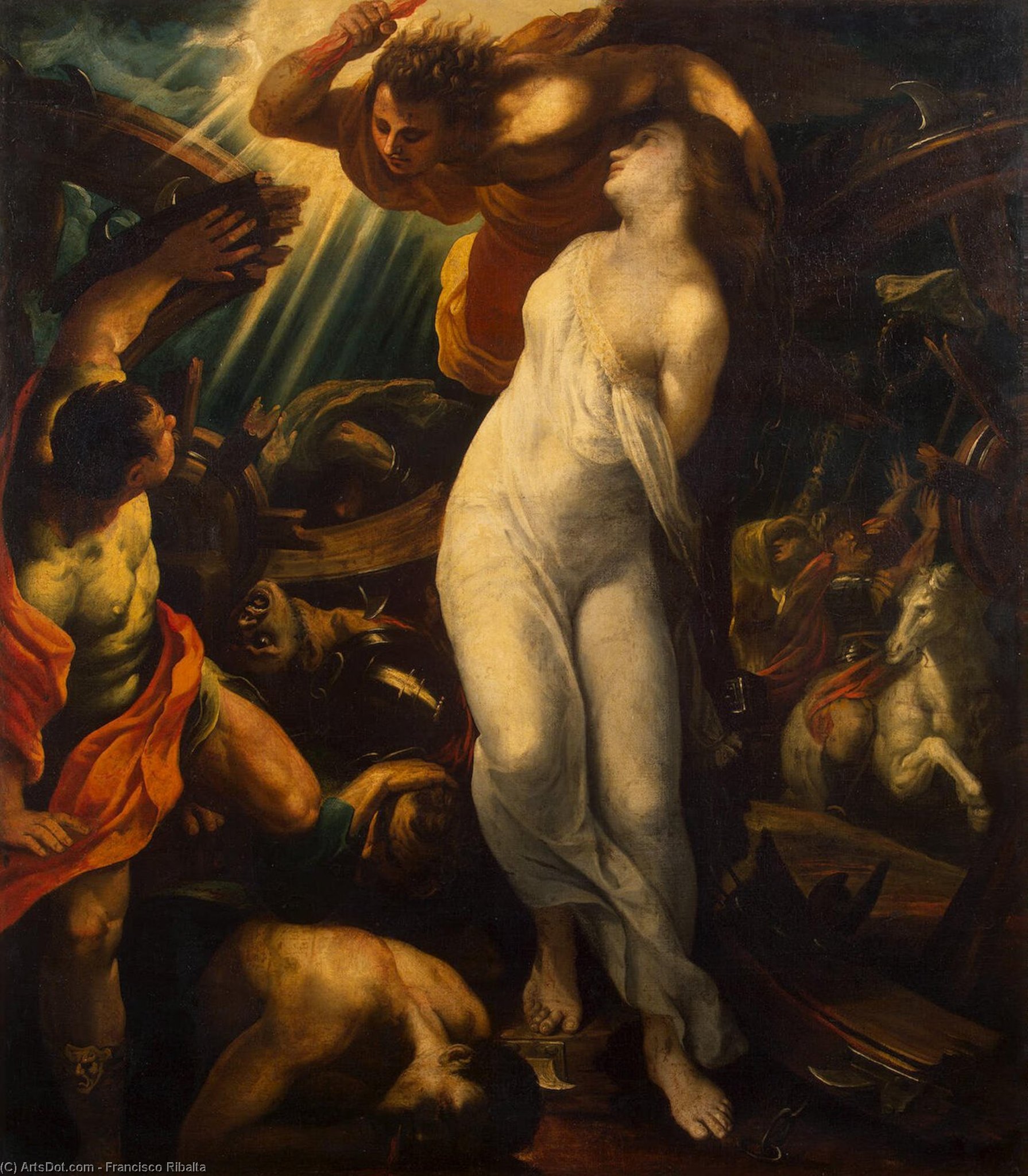
Martyrdom of St Catherine
 Oil On Panel
- Spanish Baroque
 1600
1600 123.0 x 108.0 cm
 Hermitage Museum
 Pročitaj više
Ručno rađena uljana reprodukcija
Ručno oslikano uljanim bojama na platnu u dimenzijama i okviru po vašem izboru, izrađeno po porudžbini od strane naših umetnika. ( Kupi print Kupi digitalnu sliku)




P118B $10

P118H $10

P118W $10

P438Z $10

P508JH $12

P508YH $12

P805H $10

P805Z $10

P919BZ $10

P919G $10

P919XJ $10

P959ZH $10

P968JZ $12

W106C $8

W218G $10

W218JH $8

W218Y $10

W307PJ $10

W316G $10

W316PJ $8

W316Y $10

W398PJ $8

W4111J $10

W500HY $15

W500JH $15

W692G $12

W849H $8

W940BG $15

W953PJ $8




Izaberite jednu od naših unapred definisanih veličina koje odgovaraju originalnim proporcijama umetničkog dela.

Можете унети сопствене димензије како бисте прилагодили дело одређеном оквиру или простору. Ако одабрана величина не одговара пропорцијама оригинала, слика ће бити исечена или проширена додатним елементима који се ручно насликавају. Дигитални prikaz ће вам бити послат на одобрење пре почетка производње.
Имајте на уму да преглед на екрану не одражава стварно исецање или проширење. Само приказ (mockup) ће тачно приказати коначну композицију.
Иако су доступне прилагођене величине, препоручујемо да одаберете димензију из дефинисане листе како бисте сачували оригиналне пропорције.
Nakon narudžbine, tim ArtsDot.com će klijentu putem e-pošte poslati uputstva i dostaviti prikaz predloženog rešenja
Isporuka širom sveta () za 3/4 nedelje umesto uobičajenih 5 nedelja. (28 август). Bez kompromisa po pitanju kvaliteta.

Besplatna ekspresna dostava širom sveta

Visokokvalitetno laneno platno

Kompletno osiguranje transporta

Garancija povraćaja carine i uvoznih dažbina

Garancija vernosti boja

Politika povrata u roku od 60 dana (samo u slučaju nedostataka)

Garancija povrata novca od 100%

Popust pri grupnoj kupovini
 Opcija sa staklom dostupna je samo za dimenzije manje od 110 cm

Martyrdom of St Catherine
Tehnika reprodukcije
Dimenzije reprodukcije
-


Konačna cena
$ 263
A Drama of Faith and Light: Unveiling Ribalta’s ‘Martyrdom of St Catherine’
Francisco Ribalta's “Martyrdom of St Catherine,” painted around 1605, is not merely a depiction of religious suffering; it’s a masterclass in Baroque drama, a visceral experience rendered on panel. The painting immediately commands attention with its stark contrasts – the deep shadows enveloping the central figure and her companions, punctuated by shafts of brilliant light that illuminate key moments of anguish and sacrifice. This masterful use of tenebrism, inherited directly from Caravaggio but imbued with Ribalta’s distinctly Spanish sensibility, elevates the scene beyond a simple narrative to a profound meditation on faith, martyrdom, and the enduring power of spiritual conviction.
The composition itself is meticulously structured. Catherine, clad in flowing robes, is positioned centrally, her posture conveying both vulnerability and unwavering resolve. The swordsmen poised to execute her are rendered with unsettling realism – their faces obscured, their movements swift and decisive. Around her, a small group of onlookers—some weeping, others offering silent support—adds layers of complexity to the scene, suggesting the communal weight of witnessing such an act of devotion. Ribalta doesn’t shy away from portraying the brutality of the event; the sword poised to strike is undeniably menacing, yet it's balanced by the serene expression on Catherine’s face, hinting at a deeper acceptance and spiritual fortitude.
The Shadowed Soul of Spanish Baroque
Francisco Ribalta (1565 – 1628) stands as a pivotal figure in the artistic landscape of 17th-century Spain. Born in Lleida, Catalonia, he emerged during a period of intense religious fervor and artistic innovation. While biographical details remain somewhat elusive, his legacy endures through his evocative paintings and undeniable influence on subsequent Baroque artists like Zurbarán, Velázquez, and Murillo. Ribalta’s work is deeply rooted in the Spanish tradition of religious painting, yet he possessed a unique ability to infuse his scenes with emotional depth and dramatic intensity – qualities that firmly establish him as one of the foremost practitioners of tenebrism within Spain.
His early training likely involved exposure to the artistic traditions of Northern Spain, absorbing the humanist ideals prevalent during his time. However, Ribalta’s true genius lay in his adoption and adaptation of Caravaggio's revolutionary technique. He didn’t simply mimic it; he transformed it into a distinctly Spanish style—characterized by its heightened emotionalism, dramatic lighting, and meticulous attention to detail. The “Martyrdom of St Catherine” exemplifies this perfectly, showcasing Ribalta’s ability to harness the power of light and shadow to create a truly unforgettable image.
Symbolism and Spiritual Resonance
Beyond its immediate depiction of martyrdom, the painting is rich in symbolic meaning. Catherine herself represents unwavering faith and sacrifice—a potent symbol for Christians throughout history. The surrounding figures embody various aspects of human response to suffering: grief, compassion, and silent contemplation. The animals present – a horse and a bird – are often interpreted as symbols of innocence and divine protection, adding another layer of depth to the scene.
Furthermore, the painting’s setting—a stark, undefined space—contributes to its overall sense of drama and timelessness. It's not a specific location; it’s a stage for an eternal struggle between good and evil, faith and doubt. Ribalta masterfully uses this ambiguity to invite viewers into the scene, prompting them to contemplate their own relationship with faith and sacrifice.
A Legacy of Dramatic Light: Reproductions and Beyond
Reproductions of “The Martyrdom of St Catherine” offer a remarkable opportunity to experience the power and beauty of Ribalta’s vision. Whether displayed in a grand salon or a smaller study, this painting continues to captivate viewers with its dramatic lighting, emotional intensity, and profound spiritual resonance. ArtsDot offers high-quality reproductions that faithfully capture the nuances of the original—allowing art lovers, collectors, and interior designers alike to bring this masterpiece into their homes and spaces.
Srodna umetnička dela

Biografija umetnika
The Shadowed Soul of Spanish Baroque
Francisco Ribalta (1565 – 1628) stands as a pivotal figure in the artistic landscape of 17th-century Spain, recognized primarily for his mastery of tenebrism—a dramatic technique that prioritized stark contrasts between light and darkness to heighten emotional impact. Born in Lleida, Catalonia, Ribalta’s formative years were steeped in the artistic traditions of Northern Spain. While precise information regarding his formal training remains somewhat elusive, he undoubtedly absorbed the humanist ideals prevalent during his era. He honed his skills under the tutelage of José Luis Fiol Valero, a respected watercolorist who fostered Ribalta’s appreciation for serene landscapes and meticulous observation, a sensibility that would eventually permeate his entire oeuvre.
The essence of Ribalta’s genius lies in his ability to translate spiritual fervor into visual reality. His artistic breakthrough occurred during his period in Madrid, where he embraced the tenebrist style with profound fervor. Unlike many contemporaries who sought to emulate the flamboyant theatricality found in some Italian works, Ribalta prioritized subtlety and psychological depth. His canvases are characterized by pools of impenetrable darkness punctuated by sudden, radiant shafts of light. This deliberate strategy was designed to draw the viewer’s gaze toward key elements within a scene, evoking a visceral response that aligned perfectly with the intense religious devotion of the Spanish Counter-Reformation.
Technique and the Mastery of Light
Ribalta’s approach to illumination was revolutionary for his time. By eschewing opulent grandeur in favor of austere compositions, he created a space for profound spiritual contemplation. His work often features bodegones—still life paintings that possess a quiet, monumental dignity—alongside large-scale religious iconographies. The interplay of light and shadow in his work does more than just define form; it creates a narrative tension that breathes life into the subjects. Through the use of deep shadows, he was able to isolate figures, stripping away unnecessary distractions to focus on the raw, human emotion of saints, martyrs, and everyday objects alike.
The technical evolution of his style can be seen in how he transitioned from the more meticulous, observational qualities learned early in life toward a much more dramatic, chiaroscuro-heavy approach. This development allowed him to capture the textures of fabric, the weathered skin of elderly figures, and the cold stillness of inanimate objects with an almost tactile realism. His ability to manipulate light served as a bridge between the late Renaissance traditions and the burgeoning Baroque movement.
Legacy and Historical Significance
The historical significance of Francisco Ribalta cannot be overstated, as his influence rippled through the generations of Spanish masters that followed him. He acted as a vital precursor to the giants of the Spanish Golden Age. His stylistic innovations provided the foundation for several legendary artists, including:
- Francisco Velázquez: Who would further refine the use of light and atmosphere in the royal courts.
- Bartolomé Esteban Murillo: Who inherited a tradition of emotional depth and soft luminosity.
- Francisco de Zurbarán: Whose monastic, tenebrist compositions owe a profound debt to Ribalta’s austere mastery.
Ultimately, Ribalta remains a master of the shadows, an artist who understood that the most profound truths are often found where the light meets the dark. His legacy endures not just in the museums that house his works, but in the very DNA of Spanish Baroque art, marking him as one of the foremost practitioners of a revolutionary style that changed the course of art history.
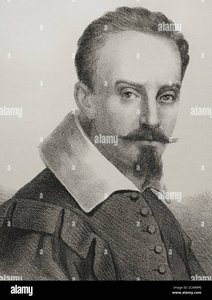
Francisco Ribalta
1565 - 1628 , Spain
Osnovne informacije
- Artistic Movement Or Style: Tenebrism
- Artists Or Movements Influenced By This Artist:
- Zurbarán
- Velázquez
- Murillo
- Artists Who Influenced This Artist: ['Caravaggio']
- Date Of Birth: 1565 Lleida Spain
- Date Of Death: 1628
- Full Name: Francisco Ribalta
- Nationality: Spanish
- Notable Artworks:
- Christ Embracing St Bernard
- The Deposition
- St Francis Comforted by an Angel
- Place Of Birth: Lleida Spain
Povezani članci

Francisco Goya: 25 Remek-dela Španskog Majstora za Vaš Dom | ArtsDot
Istražite 25 remek-dela Francisca Goya, španskog slikara romantizma i impresionizma. Portreti, tamne slike & istorija umetnosti na ArtsDot.com! Kupite reprodukcije slika vrhunskog kvaliteta za dekoraciju enterijera. Otkrijte celu kolekciju online.

The Dramatic Flourish: Exploring the Baroque Movement's Enduring Legacy in Art History
Explore the dramatic world of Baroque art! Discover iconic artists like Caravaggio & Rubens, defining techniques, and its lasting impact on art history. Expert insights for collectors & enthusiasts at ArtsDot.
Theatricality & Triumph: Baroque Drama in Painting & Sculpture
Explore the dramatic world of Baroque art! Discover its history, defining characteristics, & lasting influence on painting & sculpture. Expert insights into Caravaggio, Zurbarán, and Bernini – plus high-quality reproductions at ArtsDot.

Barok Majstor dela: Top 10 Umjetničkih Remeka za Vaš Dom
Otkrijte 10 remek dela koja su definisala baroknu umetnost! Karavagio, Bernini i više – istražite priče iza ovih ikoničnih slika. Inspiracija za vaš dom? Pogledajte kolekciju na ArtsDot.com!
The Dramatic Flourish: Exploring Themes of Power, Faith & Emotion in Baroque Artworks
Explore the dramatic world of Baroque art! Discover masters like Zurbarán & the powerful influence of religious zeal on painting techniques. Expert insights for collectors and enthusiasts.

