

 Pregledaj u prostoru
 Pošalji
 Podeli
 Detalji o delu

 Преузми
 Slični predmeti
 Rendgenski snimak
 Slajdovi
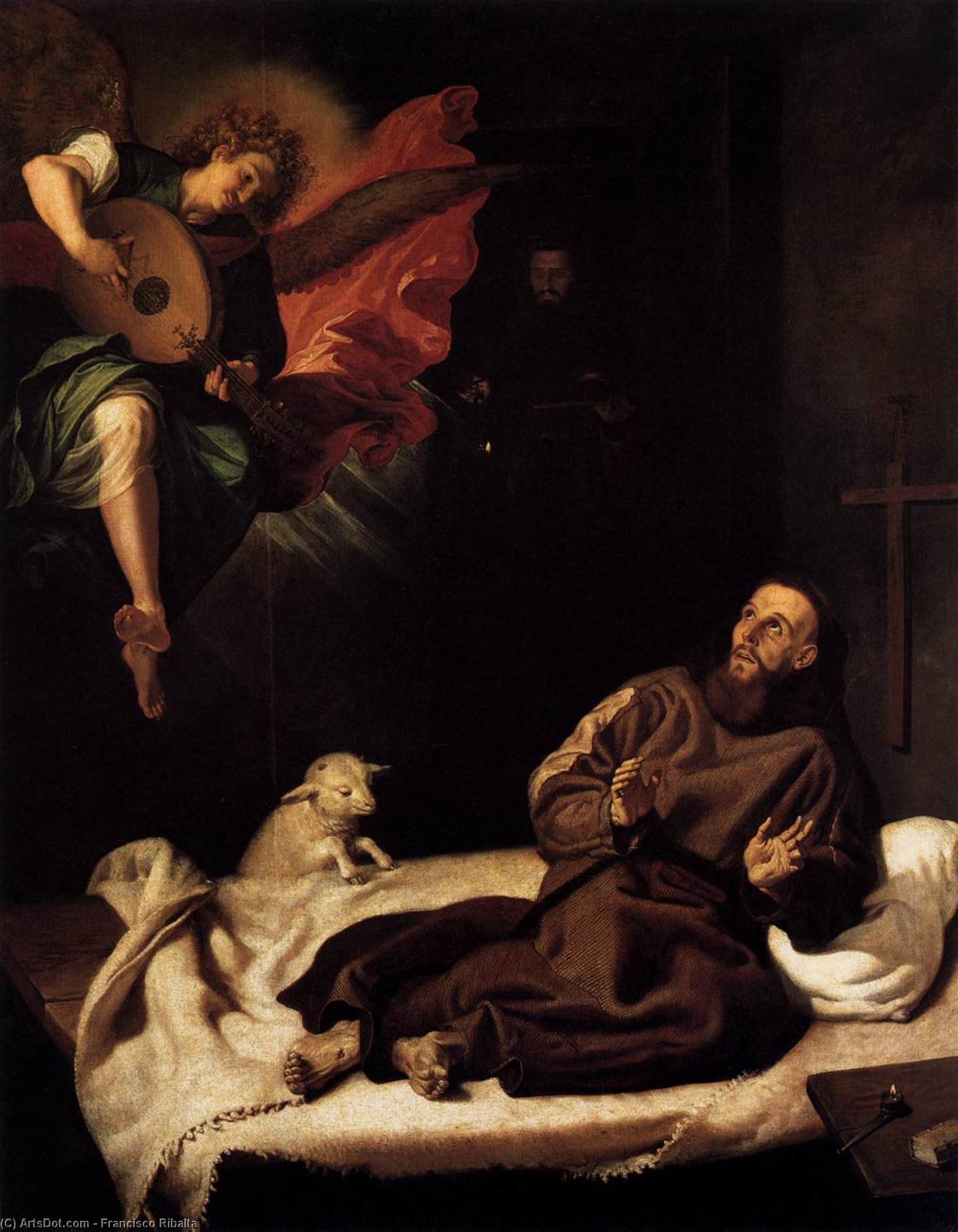
St Francis Comforted by an Angel
 Oil On Canvas
- WallArt
- Baroque
 1620
1620- Early Modern
 204.0 x 158.0 cm
 Museo del Prado
 Pročitaj više
Kupite digitalnu sliku visoke rezolucije i poboljšanog kvaliteta, koja je znatno superiornija od onoga što vidite u online prikazu.
Svaka datoteka je pedantno pripremljena od strane naših stručnjaka koristeći napredne alate i profesionalnu ručnu retušu. Osiguravamo da svaka slika ima izuzetnu oštrinu, preciznu reprodukciju boja i fine detalje.
Konačna datoteka se dostavlja putem e-pošte u roku od 72 sata, optimizovana za neposrednu upotrebu u profesionalnim, izdavačkim i štamparskim okruženjima. To je isti kvalitet kojem veruju vrhunski studiji dizajna, izdavači i galerije.
Digitalna slika
Preuzmite datoteku visoke rezolucije za ličnu upotrebu, štampanje i kreativne projekte. ( Kupi print Kupi ručno naslikanu sliku)
Uključeno uz svaku porudžbinu digitalne slike
Profesionalna digitalna isporuka, zagarantovana
Kada odaberete ArtsDot.com, ne dobijate samo sliku – vi primate profesionalno unapređeno digitalno umetničko delo, izrađeno sa najvećom preciznošću i uz garanciju zadovoljstva. Evo svega što automatski dolazi uz vašu porudžbinu:

Brza dostava putem e-pošte
Vaša digitalna slika visoke rezolucije biće vam poslata putem e-pošte u roku od 72 sata od poručivanja – spremna za trenutnu upotrebu.

Digitalna datoteka unapređena veštačkom inteligencijom
Vaše umetničko delo je profesionalno optimizovano korišćenjem naprednih AI alata i ručne obrade, čime se osiguravaju maksimalni detalji, oštrina i preciznost boja.

Besplatna ponovna isporuka doživotno
Slučajno ste obrisali ili izgubili svoju datoteku? Ne brinite – poslaćemo vam je ponovo u bilo kom trenutku, potpuno besplatno.

Bez troškova uvoza – zauvek
Uživajte u svojim umetničkim delima trenutno, bez carine, dažbina ili troškova dostave – digitalni download je uvek bez poreza.

Garancija vernosti boja
Uz pomoć profesionalnih alata i upravljanja bojama, osiguravamo da vaša digitalna slika što vernije odražava originalne boje.

Garancija zadovoljstva u roku od 60 dana
Ako niste zadovoljni svojom digitalnom slikom, revidirat ćemo je ili vratiti 100% novca u roku od 60 dana – bez ikakvih pitanja.

100% garancija povrata novca
Niste zadovoljni? Obezbedite pun povrat novca u roku od 60 dana od trenutka kada ste primili svoju digitalnu datoteku – bez suvišnih pitanja.

Popusti na velike porudžbine
Kupite 3 slike, uštedite 10% - Kupite 5 slika, uštedite 15% - Kupite 10+ slika, uštedite 20%. Odlično za kreativne projekte, galerije i agencije.
A Divine Encounter in Shadow and Light
In the profound stillness of Francisco Ribalta’s 1620 masterpiece, St Francis Comforted by an Angel, the boundaries between the earthly and the divine begin to dissolve. This monumental canvas serves as a breathtaking window into the spiritual fervor of 17th-century Spain, capturing a moment of celestial intimacy that feels both deeply personal and cosmically significant. The scene unfolds within a dimly lit chamber, where the weight of solitude is suddenly interrupted by a heavenly presence. As an angel descends with wings spread wide to offer solace, the viewer is drawn into the saint's private sanctuary, witnessing a sacred dialogue expressed not through words, but through the palpable tension of light meeting shadow.
Ribalta, a pioneer of the Spanish Baroque, utilizes the dramatic language of tenebrism to orchestrate this encounter. Influenced by the revolutionary techniques of Caravaggio, the artist employs stark, theatrical contrasts to guide our gaze. The composition is defined by deep, impenetrable darkness that swallows the periphery, forcing the eye toward the radiant pools of light illuminating St. Francis and his angelic visitor. This use of chiaroscibility does more than create depth; it mirrors the saint's own internal journey from the shadows of human suffering to the luminous grace of divine intervention. The texture of the work, achieved through a masterful application of thick impasto, lends a physical weight to the scene, making the folds of fabric and the soft glow of the angel’s presence feel almost touchable.
Symbolism and the Soul of the Baroque
Beyond its visual splendor, the painting is rich with the religious symbolism characteristic of the Habsburg era. During the reign of Philip III, art was a powerful tool for reinforcing Catholic dogma and fostering piety. Every element in Ribalta’s composition serves a higher purpose: the muted palette of ochres, browns, and golds reflects a sense of monastic humility, while the sudden splashes of light symbolize the unmerited grace of God. The presence of secondary figures and even the subtle inclusion of a guitar suggest that music and art themselves are conduits for spiritual expression, capable of bridging the gap between the mortal realm and the heavens.
For the discerning collector or interior designer, this artwork offers much more than mere decoration; it provides an emotional anchor for a space. The painting’s ability to evoke solemn contemplation makes it a profound addition to a library, a study, or a formal gallery setting. A high-quality reproduction of this piece allows one to bring the quiet majesty of the Spanish Baroque into a contemporary environment, creating a focal point that invites introspection and inspires awe. It is a testament to the enduring power of Ribalta’s vision—a vision that continues to capture the human longing for peace amidst the darkness.
Srodna umetnička dela
![Legend Of St Francis - [02] - St Francis Giving His Mantle To A Poor Man — Đijoto Di Bondone, Gothic](/media/artworks/images-thumb/1f/84/1f842a0319a02eaaa27d431c94a53fd1.jpg)
![Legend Of St Francis - [23] - St Francis Mourned By St Clare — Đijoto Di Bondone, Gothic](/media/artworks/images-thumb/17/1c/171c284c41dc3ef8bca83e51c1e1e531.jpg)
![Legend Of St Francis - [08] - Vision Of The Flaming Chariot — Đijoto Di Bondone, Gothic And Proto-renaissance](/media/artworks/images-thumb/65/6e/656e345ff55e49ce2e4377a050b85aa1.jpg)
![Legend Of St Francis - [11] - St Francis Before The Sultan (trial By Fire) — Đijoto Di Bondone, Proto-renaissance](/media/artworks/images-thumb/0d/32/0d328acfb6c90f7ef32707586e86044b.jpg)
![Legend Of St Francis - [24] - Canonization Of St Francis — Đijoto Di Bondone, Gothic](/media/artworks/images-thumb/81/9b/819b5f0656848eb5cb3fcd40fd5756aa.jpg)
![Life Of Saint Francis - [04] - Death And Ascension Of St Francis — Đijoto Di Bondone, Italian Renaissance](/media/artworks/images-thumb/08/8b/088b102b13c1a379233690905590f156.jpg)
![Legend Of St Francis - [20] - Death And Ascension Of St Francis — Đijoto Di Bondone, Gothic Art](/media/artworks/images-thumb/9f/06/9f06c3a24fd2644cb73ccf76b03d9a70.jpg)
Biografija umetnika
The Shadowed Soul of Spanish Baroque
Francisco Ribalta (1565 – 1628) stands as a pivotal figure in the artistic landscape of 17th-century Spain, recognized primarily for his mastery of tenebrism—a dramatic technique that prioritized stark contrasts between light and darkness to heighten emotional impact. Born in Lleida, Catalonia, Ribalta’s formative years were steeped in the artistic traditions of Northern Spain. While precise information regarding his formal training remains somewhat elusive, he undoubtedly absorbed the humanist ideals prevalent during his era. He honed his skills under the tutelage of José Luis Fiol Valero, a respected watercolorist who fostered Ribalta’s appreciation for serene landscapes and meticulous observation, a sensibility that would eventually permeate his entire oeuvre.
The essence of Ribalta’s genius lies in his ability to translate spiritual fervor into visual reality. His artistic breakthrough occurred during his period in Madrid, where he embraced the tenebrist style with profound fervor. Unlike many contemporaries who sought to emulate the flamboyant theatricality found in some Italian works, Ribalta prioritized subtlety and psychological depth. His canvases are characterized by pools of impenetrable darkness punctuated by sudden, radiant shafts of light. This deliberate strategy was designed to draw the viewer’s gaze toward key elements within a scene, evoking a visceral response that aligned perfectly with the intense religious devotion of the Spanish Counter-Reformation.
Technique and the Mastery of Light
Ribalta’s approach to illumination was revolutionary for his time. By eschewing opulent grandeur in favor of austere compositions, he created a space for profound spiritual contemplation. His work often features bodegones—still life paintings that possess a quiet, monumental dignity—alongside large-scale religious iconographies. The interplay of light and shadow in his work does more than just define form; it creates a narrative tension that breathes life into the subjects. Through the use of deep shadows, he was able to isolate figures, stripping away unnecessary distractions to focus on the raw, human emotion of saints, martyrs, and everyday objects alike.
The technical evolution of his style can be seen in how he transitioned from the more meticulous, observational qualities learned early in life toward a much more dramatic, chiaroscuro-heavy approach. This development allowed him to capture the textures of fabric, the weathered skin of elderly figures, and the cold stillness of inanimate objects with an almost tactile realism. His ability to manipulate light served as a bridge between the late Renaissance traditions and the burgeoning Baroque movement.
Legacy and Historical Significance
The historical significance of Francisco Ribalta cannot be overstated, as his influence rippled through the generations of Spanish masters that followed him. He acted as a vital precursor to the giants of the Spanish Golden Age. His stylistic innovations provided the foundation for several legendary artists, including:
- Francisco Velázquez: Who would further refine the use of light and atmosphere in the royal courts.
- Bartolomé Esteban Murillo: Who inherited a tradition of emotional depth and soft luminosity.
- Francisco de Zurbarán: Whose monastic, tenebrist compositions owe a profound debt to Ribalta’s austere mastery.
Ultimately, Ribalta remains a master of the shadows, an artist who understood that the most profound truths are often found where the light meets the dark. His legacy endures not just in the museums that house his works, but in the very DNA of Spanish Baroque art, marking him as one of the foremost practitioners of a revolutionary style that changed the course of art history.
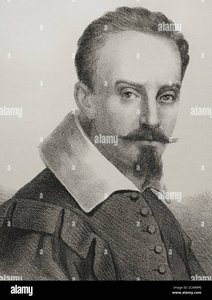
Francisco Ribalta
1565 - 1628 , Spain
Kratke činjenice
- Artistic Movement Or Style: Tenebrism
- Artists Or Movements Influenced By This Artist:
- Zurbarán
- Velázquez
- Murillo
- Artists Who Influenced This Artist: ['Caravaggio']
- Date Of Birth: 1565 Lleida Spain
- Date Of Death: 1628
- Full Name: Francisco Ribalta
- Nationality: Spanish
- Notable Artworks:
- Christ Embracing St Bernard
- The Deposition
- St Francis Comforted by an Angel
- Place Of Birth: Lleida Spain

