

 Pregledaj u prostoru
 Pošalji
 Podeli
 Detalji o delu

 Преузми
 Slični predmeti
 Rendgenski snimak
 Slajdovi
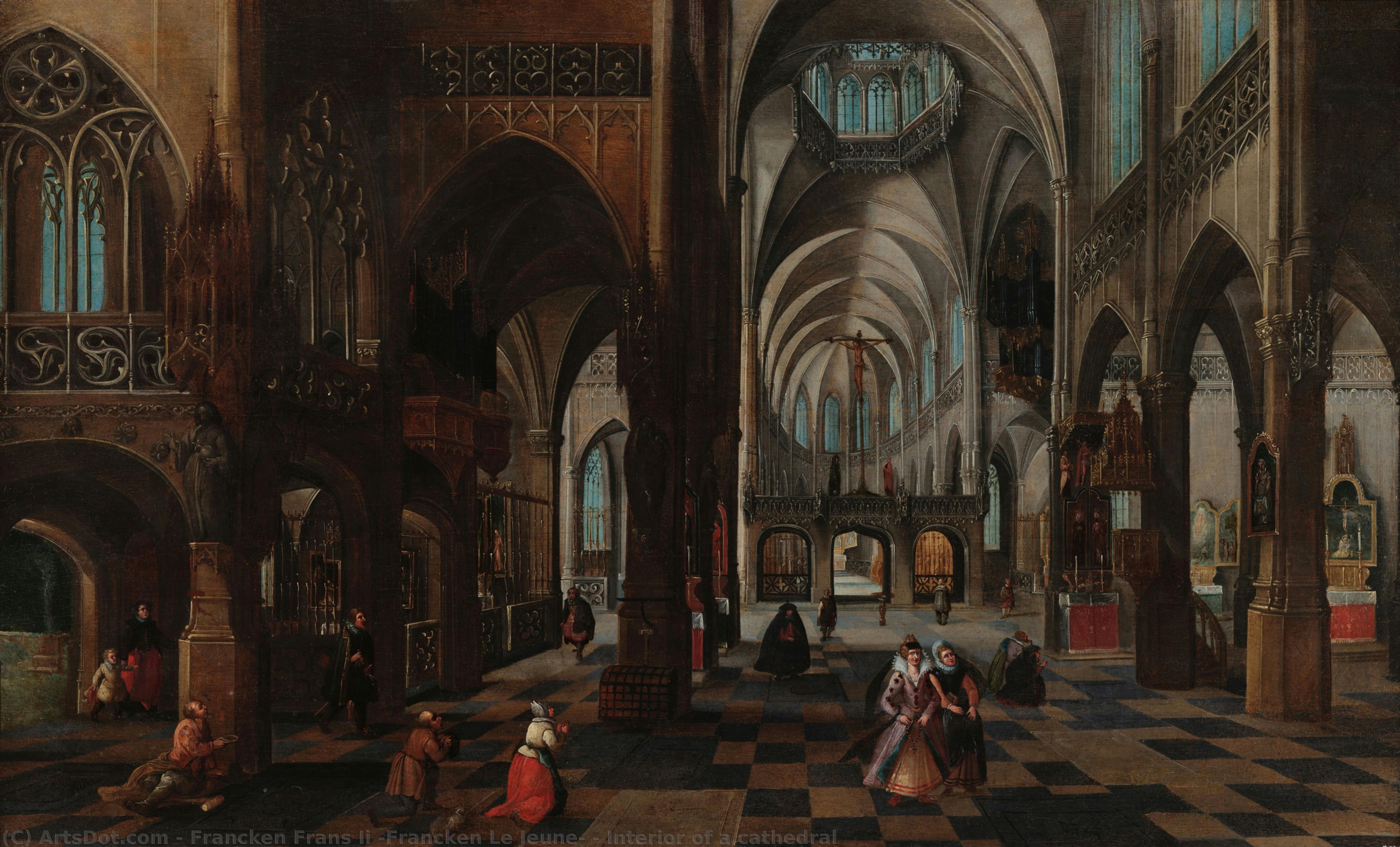
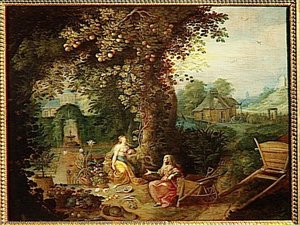
Interior of a cathedral
 48.0 x 80.0 cm
 Soares dos Reis National Museum
 Pročitaj više
Kupite digitalnu sliku visoke rezolucije i poboljšanog kvaliteta, koja je znatno superiornija od onoga što vidite u online prikazu.
Svaka datoteka je pedantno pripremljena od strane naših stručnjaka koristeći napredne alate i profesionalnu ručnu retušu. Osiguravamo da svaka slika ima izuzetnu oštrinu, preciznu reprodukciju boja i fine detalje.
Konačna datoteka se dostavlja putem e-pošte u roku od 72 sata, optimizovana za neposrednu upotrebu u profesionalnim, izdavačkim i štamparskim okruženjima. To je isti kvalitet kojem veruju vrhunski studiji dizajna, izdavači i galerije.
Digitalna slika
Preuzmite datoteku visoke rezolucije za ličnu upotrebu, štampanje i kreativne projekte. ( Kupi print Kupi ručno naslikanu sliku)
Uključeno uz svaku porudžbinu digitalne slike
Profesionalna digitalna isporuka, zagarantovana
Kada odaberete ArtsDot.com, ne dobijate samo sliku – vi primate profesionalno unapređeno digitalno umetničko delo, izrađeno sa najvećom preciznošću i uz garanciju zadovoljstva. Evo svega što automatski dolazi uz vašu porudžbinu:

Brza dostava putem e-pošte
Vaša digitalna slika visoke rezolucije biće vam poslata putem e-pošte u roku od 72 sata od poručivanja – spremna za trenutnu upotrebu.

Digitalna datoteka unapređena veštačkom inteligencijom
Vaše umetničko delo je profesionalno optimizovano korišćenjem naprednih AI alata i ručne obrade, čime se osiguravaju maksimalni detalji, oštrina i preciznost boja.

Besplatna ponovna isporuka doživotno
Slučajno ste obrisali ili izgubili svoju datoteku? Ne brinite – poslaćemo vam je ponovo u bilo kom trenutku, potpuno besplatno.

Bez troškova uvoza – zauvek
Uživajte u svojim umetničkim delima trenutno, bez carine, dažbina ili troškova dostave – digitalni download je uvek bez poreza.

Garancija vernosti boja
Uz pomoć profesionalnih alata i upravljanja bojama, osiguravamo da vaša digitalna slika što vernije odražava originalne boje.

Garancija zadovoljstva u roku od 60 dana
Ako niste zadovoljni svojom digitalnom slikom, revidirat ćemo je ili vratiti 100% novca u roku od 60 dana – bez ikakvih pitanja.

100% garancija povrata novca
Niste zadovoljni? Obezbedite pun povrat novca u roku od 60 dana od trenutka kada ste primili svoju digitalnu datoteku – bez suvišnih pitanja.

Popusti na velike porudžbine
Kupite 3 slike, uštedite 10% - Kupite 5 slika, uštedite 15% - Kupite 10+ slika, uštedite 20%. Odlično za kreativne projekte, galerije i agencije.
Srodna umetnička dela







Biografija umetnika
A Master of the Miniature: The Life and Legacy of Frans Francken the Younger
In the vibrant, bustling heart of seventeenth-century Antwerp, a period defined by profound cultural shifts and artistic metamorphosis, there emerged a painter whose delicate touch could capture the vastness of human morality within the smallest of frames. Frans Francken the Younger, born in 1581, was not merely a participant in the Flemish Golden Age; he was a pivotal bridge between the elegant, often artificial grace of Mannerism and the dramatic, emotive power of the Baroque. Born into a lineage of celebrated creators, his very identity was woven from the threads of tradition established by his father, Frans Francken I. This familial foundation provided him with more than just technical training; it offered him entry into a prestigious workshop culture that would become one of the most prolific engines of artistic production in Northern Europe.
Francken’s early years were steeped in the rigorous discipline of the Antwerp Guild of Saint Luke, where he honed his ability to render intricate details with breathtaking precision. His training likely extended beyond the borders of Flanders, as evidence suggests an apprenticeship or period of study under his uncle in Paris, a journey that undoubtedly broadened his stylistic horizons. By 1605, he had achieved the status of master, and by 1615, he was elected Dean of the Guild, a testament to his standing among his peers. His early works reflect the lingering influence of Mannerist masters like Parmigianino and Giulio Romano, characterized by elongated, graceful figures and complex, almost theatrical compositions. Yet, as his career progressed, one can observe a fascinating evolution in his technique—moving from a thick, textured impasto toward more refined, translucent glazes that allowed for a luminous, ethereal quality in his depictions of light and shadow.
The Cabinet of Wonders: Innovation and Subject Matter
While many of his contemporaries sought grandeur through massive altarpieces, Francken found his greatest triumph in the intimate realm of cabinet paintings. These small-scale, exquisitely crafted works were designed for the private collections of connoisseurs, intended to be studied closely, almost like jewels. He possessed a singular talent for creating "imaginary art galleries"—meticulous depictions of kunstkamers or collectors' cabinets—where precious objects, sculptures, and paintings are arranged in a dense, fascinating tapestry of human curiosity. This fascination with the collection of wonders did more than just showcase his skill; it actively influenced the trajectory of Flemish art, leaving an indelible mark on the works of legends such as Peter Paul Rubens and Jan Brueghel the Elder.
Beyond the architectural splendor of these galleries, Francken’s imagination wandered into the whimsical and the moralizing. He was a master of diverse narratives, ranging from the deeply religious to the playfully allegorical. His oeuvre includes:
- Biblical Narratives: Movingly rendered scenes such as The Visitation, which demonstrate his ability to infuse sacred history with human emotion and meticulous detail.
- Allegorical Moralism: Complex paintings that utilized symbolism to explore virtue and vice, often employing the clever motif of "monkeys' kitchens"—scenes where primates mimic human follies to provide a satirical critique of society.
- Historical and Mythological Themes: Grand tales of antiquity reimagined within intimate, highly detailed settings.
A Prolific Legacy and Artistic Influence
The true scale of Francken’s impact lies in the sheer productivity of his studio. He was a central figure in a collaborative ecosystem, often working alongside landscape specialists like Abel Grimmer or architecture experts to create multifaceted masterpieces where every element—from the sweeping sky to the smallest human gesture—was executed by a master hand. This collaborative spirit allowed his workshop to produce an enormous volume of work, ranging from original compositions to highly skilled replicas that populated the homes of the European elite. His ability to adapt his style, transitioning from the structured elegance of his youth to a more fluid, genre-focused approach in his later years, mirrors the broader movement of European art toward a more naturalistic and emotionally accessible Baroque aesthetic.
When Frans Francken the Younger passed away in 1642, he left behind a legacy that transcended simple portraiture or religious iconography. He had taught the world how to look closely—how to find the infinite within the minute. Through his mastery of small-scale storytelling and his ability to blend the intellectual complexity of Mannerism with the visceral energy of the Baroque, he ensured that the spirit of Antwerp’s artistic brilliance would endure for generations to come.
francken frans ii (francken le jeune)
1581 - 1642
Kratke činjenice
- Artistic Movement Or Style: Baroque & Mannerism
- Artists Or Movements Influenced By This Artist: ['Peter Paul Rubens']
- Artists Who Influenced This Artist:
- Pieter Bruegel the Elder
- Albrecht Dürer
- Date Of Birth: 1581
- Full Name: Frans Francken II
- Nationality: Flemish
- Notable Artworks:
- The Visitation
- Saint Jerome in His Study
- Place Of Birth: Antwerp

