

 Pregledaj u prostoru
 Pošalji
 Podeli
 Detalji o delu

 Преузми
 Slični predmeti
 Rendgenski snimak
 Slajdovi
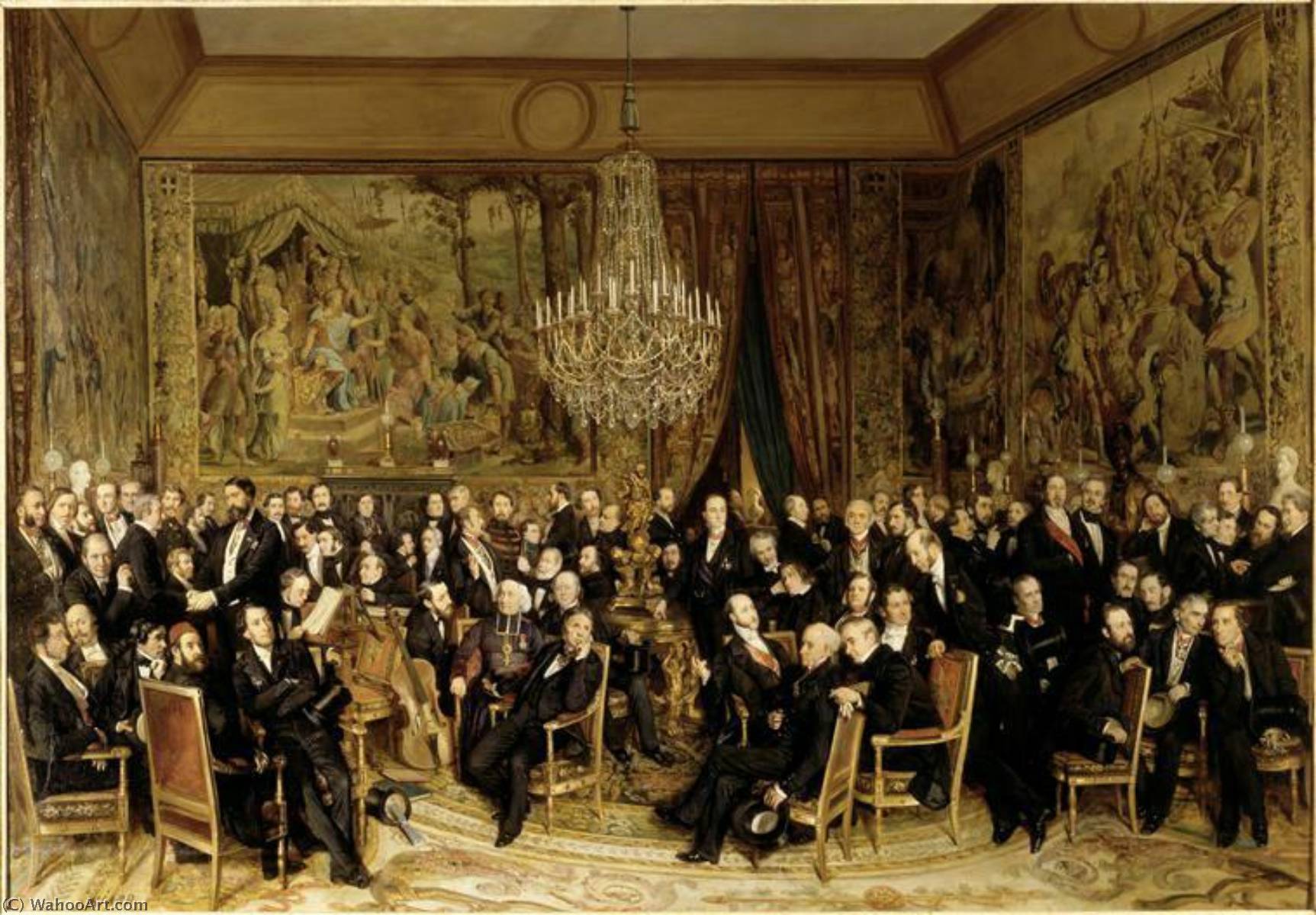
Untitled (AQR6KA)
 1855
1855 168.0 x 233.0 cm
 Pročitaj više
Ručno rađena uljana reprodukcija
Ručno oslikano uljanim bojama na platnu u dimenzijama i okviru po vašem izboru, izrađeno po porudžbini od strane naših umetnika. ( Kupi print Kupi digitalnu sliku)




































Izaberite jednu od naših unapred definisanih veličina koje odgovaraju originalnim proporcijama umetničkog dela.

Можете унети сопствене димензије како бисте прилагодили дело одређеном оквиру или простору. Ако одабрана величина не одговара пропорцијама оригинала, слика ће бити исечена или проширена додатним елементима који се ручно насликавају. Дигитални prikaz ће вам бити послат на одобрење пре почетка производње.
Имајте на уму да преглед на екрану не одражава стварно исецање или проширење. Само приказ (mockup) ће тачно приказати коначну композицију.
Иако су доступне прилагођене величине, препоручујемо да одаберете димензију из дефинисане листе како бисте сачували оригиналне пропорције.
Nakon narudžbine, tim ArtsDot.com će klijentu putem e-pošte poslati uputstva i dostaviti prikaz predloženog rešenja
Isporuka širom sveta () za 3/4 nedelje umesto uobičajenih 5 nedelja. (26 август). Bez kompromisa po pitanju kvaliteta.

Besplatna ekspresna dostava širom sveta

Visokokvalitetno laneno platno

Kompletno osiguranje transporta

Garancija povraćaja carine i uvoznih dažbina

Garancija vernosti boja

Politika povrata u roku od 60 dana (samo u slučaju nedostataka)

Garancija povrata novca od 100%

Popust pri grupnoj kupovini
 Opcija sa staklom dostupna je samo za dimenzije manje od 110 cm

Untitled (AQR6KA)
Tehnika reprodukcije
Dimenzije reprodukcije
-


Konačna cena
$ 263
Opis umetničkog dela
Detailed Description of the Image
The image depicts a group of people dressed in formal attire, with some wearing ties. There are several men sitting on chairs and others standing around the room. In total, there are 14 people visible in the painting. The room is furnished with a dining table located towards the right side of the image. The chandeliers hang from the ceiling above the table, providing light to the scene. There are also two couches in the room, one on the left and another on the right side. A clock can be seen hanging on the wall near the center of the painting.Artistic Style and Influences
Francois Auguste Biard's artistic style is characterized by his use of oil on canvas and his attention to detail. His paintings often feature everyday scenes and people, which gives them a sense of realism and authenticity. Biard's work was influenced by the Romanticism movement, which emphasized emotion and imagination in art.- For more information on Francois Auguste Biard and his works, visit /art/list/?Filter=AQR6KA-Francois-Auguste-Biard-
- To learn more about the Château de Compiègne, visit https://en.wikipedia.org/wiki/Ch%C3%A2teau_de_Compi%C3%A8gne
The painting by Francois Auguste Biard is a significant work of art that showcases the artist's skill and style. Its detailed description, artistic style, and influences make it a fascinating piece to study and appreciate.
Srodna umetnička dela










Biografija umetnika
The Adventurous Spirit of François Auguste Biard
François Auguste Biard stands as a singular figure in 19th-century French art, distinguished not merely by his prolific output but also by an audacious spirit—a willingness to embrace adventure and challenge conventional artistic norms. Born in Lyon in 1799 as François Thérèse Biard, he lived a life that defied the expectations of his clergyman father. Rather than pursuing the pulpit, Biard embraced a passion for painting that would propel him through Europe and beyond, shaping an oeuvre enriched by experiences gleaned from diverse cultures and landscapes. His legacy resides not only in his celebrated genre scenes but also in his pioneering role as one of the first European painters to document encounters with indigenous populations, a bold undertaking that foreshadowed developments in ethnographic art decades later.
Biard’s formative years were marked by a deliberate rejection of clerical ambitions, fueled by an innate artistic inclination. His early training began in the practical world of a wallpaper factory in Lyon, providing him with a foundational understanding of color and texture. Eventually, his talent led him to the prestigious École des Beaux-Arts, where he honed his skills under the tutelage of Pierre Révolet and later Fleury François Richard. These mentors championed a style rooted in keen observation and psychological insight. Unlike many of his contemporaries who were preoccupied with grand historical narratives or idealized mythological subjects, Biard focused on capturing the nuances of everyday life and portraying human emotions with an unflinching honesty that became a hallmark of his artistic identity.
A Journey Through Light and Landscape
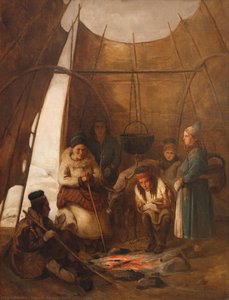
Biard’s wanderlust propelled him across Italy, Greece, and the Middle East, each destination enriching his visual vocabulary and providing him with an unparalleled trove of material. However, it was his expedition to Spitzbergen and Lapland in 1839—accompanied by Léonie d’Aunet—that irrevocably transformed his artistic trajectory. This journey into the Arctic wilderness yielded hundreds of landscape sketches and portraits that captured the raw, biting heart of the North. In works such as Sami Camp, the viewer is transported far from the polished salons of Paris into a world defined by resilience and the elemental struggle for survival. Through the flickering glow of a central fire pit within a nomadic tent, Biard masterfully captures the intimacy of life in extreme environments.
His travels also allowed him to explore themes of maritime history and colonial encounters. As an official marine painter, he created powerful history paintings dedicated to famous sailors, such as Abordage d'un vaisseau, which depicts the intense confusion and drama of a naval battle involving Captain Jean Bart. His ability to balance warm and cold colors, combined with angled composition lines, allowed him to accentuate the kinetic energy of combat. This versatility—moving from the quiet, frozen landscapes of the Arctic to the high-stakes drama of the sea—demonstrates a technical range that few of his peers could match.
Legacy of Observation and Realism
The historical significance of Biard lies in his ability to blend the Romantic movement's emphasis on emotion and imagination with a burgeoning interest in realism. His paintings often feature opulent gatherings, such as Le salon de M. le comte de Nieuwerkerke, where he utilizes an academic style and rich colors to document the social strata of his time. Yet, even within these formal settings, there is a sense of authenticity and attention to detail that prevents the work from becoming mere decoration. Whether depicting the grand chandeliers of a French salon or the humble dwellings of indigenous tribes, Biard maintained a commitment to documenting the world as he saw it.
Ultimately, François Auguste Biard’s contribution to art history is defined by his role as an observer-explorer. His life's work serves as a visual bridge between the traditional European academic style and the modern era of ethnographic documentation. By bringing the distant corners of the globe into the view of the French public, he expanded the boundaries of what genre painting could achieve, leaving behind a body of work that remains as captivating and adventurous as the man himself.
francois auguste biard
1799 - 1882
Osnovne informacije
- Artistic Movement Or Style: Romanticism
- Artists Or Movements Influenced By This Artist: ['Théophile Gautier']
- Artists Who Influenced This Artist:
- Pierre Révoil
- Fleury François Richard
- Date Of Birth: June 29, 1799
- Date Of Death: June 20, 1882
- Full Name: François Auguste Biard
- Nationality: French
- Notable Artworks:
- Abordage d
- Fight with Polar Bears
- Untitled
- Place Of Birth: Lyon, France

