

 Pregledaj u prostoru
 Pošalji
 Podeli
 Detalji o delu

 Преузми
 Slični predmeti
 Rendgenski snimak
 Slajdovi
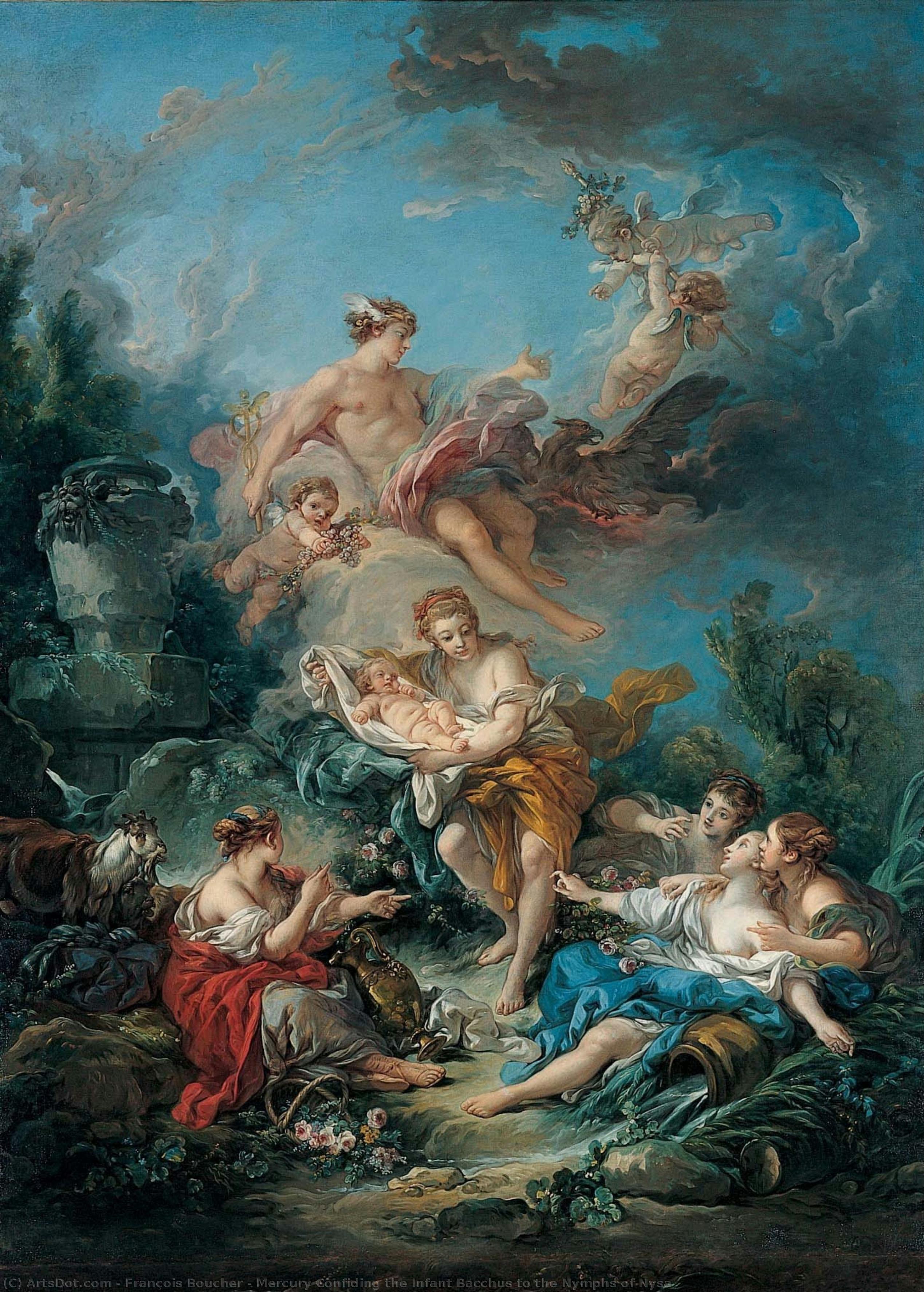
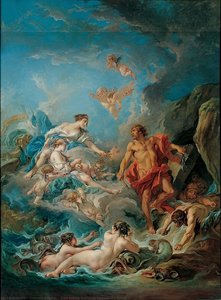
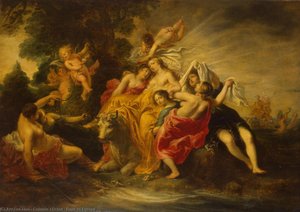
Mercury Confiding the Infant Bacchus to the Nymphs of Nysa
 Oil On Canvas
- WallArt
- Baroque Rococo
 Early Modern
 272.0 x 201.0 cm
 Kimbell Art Museum
 Pročitaj više
Giclee štampa / Umetnički otisak
Giclée štampa ili print na platnu muzejskog kvaliteta uz brzu proizvodnju i fleksibilne opcije završne obrade. ( Kupi ručno naslikanu sliku Kupi digitalnu sliku)




P118B $10

P118H $10

P118W $10

P438Z $10

P508JH $12

P508YH $12

P805H $10

P805Z $10

P919BZ $10

P919G $10

P919XJ $10

P959ZH $10

P968JZ $12

W106C $8

W218G $10

W218JH $8

W218Y $10

W307PJ $10

W316G $10

W316PJ $8

W316Y $10

W398PJ $8

W4111J $10

W500HY $15

W500JH $15

W692G $12

W849H $8

W940BG $15

W953PJ $8




Izaberite jednu od naših unapred definisanih veličina koje odgovaraju originalnim proporcijama umetničkog dela.

Možete uneti sopstvene dimenzije kako biste umetničko delo prilagodili specifičnom okviru ili prostoru. Ako odabrani format ne odgovara proporcijama originalne slike, mi ćemo ili iscrtati deo dela ili proširiti sliku pomoću ogledane ivice ili jednobojnog popunjavanja. Digitalni prikaz će vam biti poslat na odobrenje pre početka proizvodnje.
Imajte na umu da pregled na ekranu ne odražava stvarno iscrtavanje ili proširivanje. Samo će prikaz (mockup) precizno pokazati finalnu kompoziciju.
Iako su prilagođene dimenzije dostupne, preporučujemo da odaberete dimenziju sa unapred definisane liste kako biste očuvali originalne proporcije.
Dostava širom sveta () za 2 nedelje umesto uobičajenih 4/5 nedelja. (3 септембар)

Besplatna ekspresna dostava širom sveta

Visokokvalitetno laneno platno

Kompletno osiguranje transporta

Garancija povraćaja carine i uvoznih dažbina

Garancija vernosti boja

Politika povrata u roku od 60 dana (samo u slučaju nedostataka)

Garancija povrata novca od 100%

Popust pri grupnoj kupovini
 Opcija sa staklom dostupna je samo za dimenzije manje od 110 cm

Mercury Confiding the Infant Bacchus to the Nymphs of Nysa
Giclee štampa / Umetnički otisak
Dimenzije reprodukcije
-


Konačna cena
$ 62
A Celestial Handover: The Grace of Rococo Narrative
In the luminous realm of François Boucher’s “Mercury Confiding the Infant Bacchus to the Nymphs of Nysa,” the boundaries between the divine and the earthly dissolve into a dreamlike pastoral vision. Painted before 1738, this masterpiece serves as a breathtaking window into the heart of the Rococo era, capturing a moment of profound mythological significance with unparalleled elegance. The scene recounts a pivotal chapter from Ovid’s Metamorphoses: the survival of the infant Bacchus. Following the tragic death of his mother, Semele, the god Jupiter sought to preserve his son by shielding him within his own divine form before entrusting the child to the care of the nymphs. In Boucher's hands, this high-stakes drama is transformed into a scene of serene tenderness, where the weight of destiny is lightened by the soft touch of a protector.
The composition is a masterclass in balanced movement and emotional warmth. At the center of this celestial exchange stands Mercury, the messenger god, whose posture radiates both strength and benevolence as he cradled the infant Bacchus. Surrounding him, the nymphs of Nysa emerge from the lush, verdant landscape like spirits of the forest, their faces alight with wonder and maternal instinct. This interaction creates a rhythmic flow across the canvas, guiding the viewer's eye through a tapestry of soft limbs, flowing drapery, and the gentle greenery of a primordial Eden. For the collector or designer, this painting offers more than mere decoration; it provides a focal point of narrative depth that invites contemplation on themes of guardianship and the cyclical nature of life.
The Artistry of Light and Pastel Splendor
Boucher’s technical prowess is nowhere more evident than in his command over the Rococo palette. Eschewing the heavy, somber tones of the preceding Baroque period, he embraces a spectrum of delicate pastels—shimmering blues, tender pinks, and ethereal greens—that imbue the work with an almost pearlescent glow. His technique involves meticulous glazing, a process that allows light to penetrate successive layers of paint, creating a luminous surface that seems to radiate from within the canvas itself. This luminosity is essential to the painting's emotional impact, fostering an atmosphere of dreamy serenity and idealized beauty that feels both timeless and otherworldly.
The brushwork, while precise in its depiction of textures—from the soft skin of the infant to the heavy silk of divine robes—possesses a fluid, painterly quality that prevents the scene from feeling static. Every stroke contributes to the sense of airiness and movement, making the lush hillside feel alive with the breath of the gods. For those seeking to infuse an interior space with sophistication, a high-quality reproduction of this work brings with it this unique ability to brighten a room, offering a sense of airy opulence and classical refinement that complements both traditional and contemporary luxury settings.
Symbolism and the Legacy of the Rococo Spirit
Beyond its visual splendor, the painting is rich with symbolic resonance. The presence of the eagle, often seen bearing the lightning bolts of Jupiter, serves as a subtle reminder of the divine power that orchestrated this miraculous rescue. The nymphs themselves are not merely background figures; they embody the primordial forces of fertility and nature, representing the nurturing environment necessary for greatness to grow. This interplay between the powerful (Mercury and the legacy of Zeus) and the gentle (the nymphs and the infant) creates a profound tension that is resolved through the beauty of the composition.
To possess or display such a work is to engage with the very essence of 18th-century French culture. Boucher, as the Premier Peintre du Roi, defined the aesthetic tastes of an era characterized by pleasure, elegance, and a celebration of the idyllic. This painting remains a quintessential emblem of that spirit, offering a sophisticated escape into a world where even the most turbulent myths are resolved through grace and beauty. It is an enduring choice for the discerning eye, promising to bring a sense of historical prestige and poetic enchantment to any curated collection.
Srodna umetnička dela
Biografija umetnika
Франсоа Буше: Живот у ери Рокока
Франсоа Буше (1703-1770) био је кључна фигура француске уметности 18. века, познат као један од најславнијих сликара доба Рокока. Његово дело оличава елеганцију, сензуалност и игриви дух који су дефинисали овај утицајан стил. Буше није био само сликар; он је био симбол епохе, човек чије су радове обожавали краљеви, аристократија и цело друштво зажеђено лепотом и раскошем.
Рани живот и образовање
Рођен 29. септембра 1703. године у Паризу, Франсоа Буше је свој уметнички пут започео под вођством оца Жана Бушеа, који је такође био сликар. Већ са седамнаест година, привукао је пажњу Франсоа Лемоина, што га је одвело на кратку али значајну праксу у његовом атељеу. Даље је усавршавао своје вештине код гравера Жан-Франсоа Карса пре него што је постигао важан успех: освојио је престижну Гран При де Ром 1720. године. Ова награда му је отворила врата ка студијама у Риму, где је упознао класичне мајсторе и развио свој лични стил.
Успон славе и уметнички развој
Бушеов боравак у Италији, након победе на Гран Прију, био је преломан. По повратку у Француску, примљен је у Академију Краљевске сликарства и скулптуре 1731. године. Његово *morceau de réception*, “Риналдо и Армида” (1734), одмах га је успоставио као мајстора Рококо стила. У овом периоду се у потпуности развио његов уметнички глас, карактеристичан по деликатној четкици, пастелним палетама и нагласку на митолошким и пасторалним темама. Његова способност да споји класичну елеганцију са игривом грациозношћу била је без преседана.
Кључна дела и теме
Бушеов опус је изузетно разнолик, обухватајући митологију, портрете, жанр сцене и декоративну уметност. Међу његовим најпознатијим делима су:
- “Доручак” (1739): Шармантан приказ породичног живота са супругом и децом. Ово дело је било значајно по томе што је Буше представио своју породицу као моделе, показујући вештину жанр сликарства.
- “Тријумф Венере” (1740-1751): Серија слика која демонстрира Бушеову мајсторску интерпретацију митолошких наратива.
- Бројни портрети Мадам де Помпадур, утицајне љубавнице краља Луја XV, што је учврстило његов положај на двору. Ови портрети су били више од само физичких репрезентација; они су били симбол моћи и лепоте.
- Пејзажи као што је “Залазак Сунца”, који показују лиричну и идиличну визију природе.
Поновљени мотиви у Бушеовом раду укључују љубав, лепоту, слободно време и идеализован свет митологије. Његове слике често изазивају осећај игривог еротизма и рафиниране елеганције.
Утицај и наслеђе
Бушеов утицај се протезао далеко изван сликања. Дизајнирао је костиме и декорације за позориште, креирао гобелене за радионице Бове и сарађивао са Gobelins Manufactory. Његово именовање за *Premier Peintre du Roi* 1765. године потврдило је његов статус као водећег уметника француског Рокока. Касније су критичари доводили у питање очиту површност Рококо уметности, али Бушеов утицај на касније генерације остаје неоспоран. Инспирисао је уметнике као што је Жан-Оноре Фрагонар и значајно допринео развоју Неокласицизма кроз своје ученике.
Историјски значај
Франсоа Бушеов рад пружа драгоцен увид у укусе и вредности француског друштва 18. века. Његове слике одражавају аристократску културу ере, карактеристичну по луксузу, рафинираности и потрази за задовољством. Он остаје значајна фигура у историји уметности, слављена због своје техничке вештине, уметничке иновације и трајног доприноса Рококо стилу.
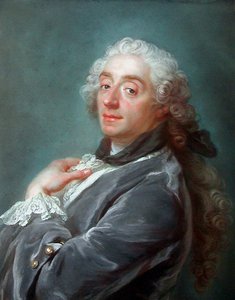
Франсоа Буше
1703 - 1770 , Француска
Osnovne informacije
- Datum Rođenja: 29. septembar 1703.
- Datum Smrti: 1770.
- Mesto Rođenja: Pariz, Francuska
- Nacionalnost: Francuz
- Puno Ime: François Boucher
- Umetnici Koji Su Uticali:
- François Lemoyne
- Jean-François Cars
- Umetnici Pod Uticajem: ['Jean-Honoré Fragonard']
- Umetnički Pokret: Rokoko
- Značajna Dela:
- Rinaldo i Armida
- Doručak
- Portreti Pompadur
Povezani članci
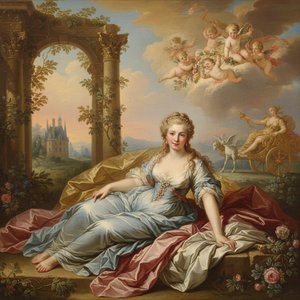
François Boucher: Rococo Master of Myth, Sensuality, and the French Court
Explore the captivating world of François Boucher, master of Rococo painting! Discover his iconic works, aristocratic patronage, and lasting influence on French art history. Learn more at ArtsDot.

The Rococo Aesthetic: Opulence, Rebellion & the Pursuit of Pleasure in 18th-Century Art
Explore the opulent world of Rococo art! Discover its origins, key artists like Watteau & Boucher, and lasting influence on design. Expert insights for collectors & enthusiasts.

Rokoko: 10 Remek Dela Koja Su Definisala Eleganciju i Ukus
Otkrijte 10 remek dela koja su definisala rokoko umetnost! Uronite u svet Boucher-a, Watteau-a i Fragonarda. Istorija, stil i inspiracija za vaš dom. Kvalitetne reprodukcije i kuratorski odabiri na ArtsDot.com!
Neo-Classicism's Greatest Hits: 10 Masterpieces for Your Home |
Journey through Neo-Classicism's finest! Explore 10 iconic masterpieces by David, Ingres & Canova. Discover art history, techniques & timeless beauty – perfect for inspiring your home decor. Find museum-quality reproductions at
The Rococo Style: Aristocratic Leisure & the Pursuit of Delight in 18th-Century Art
Explore the opulent world of Rococo art! Discover Watteau, Boucher & Nattier's masterpieces. Expert insights for collectors seeking museum-quality reproductions and custom portraits at ArtsDot.

