

 Pregledaj u prostoru
 Pošalji
 Podeli
 Detalji o delu

 Преузми
 Slični predmeti
 Rendgenski snimak
 Slajdovi
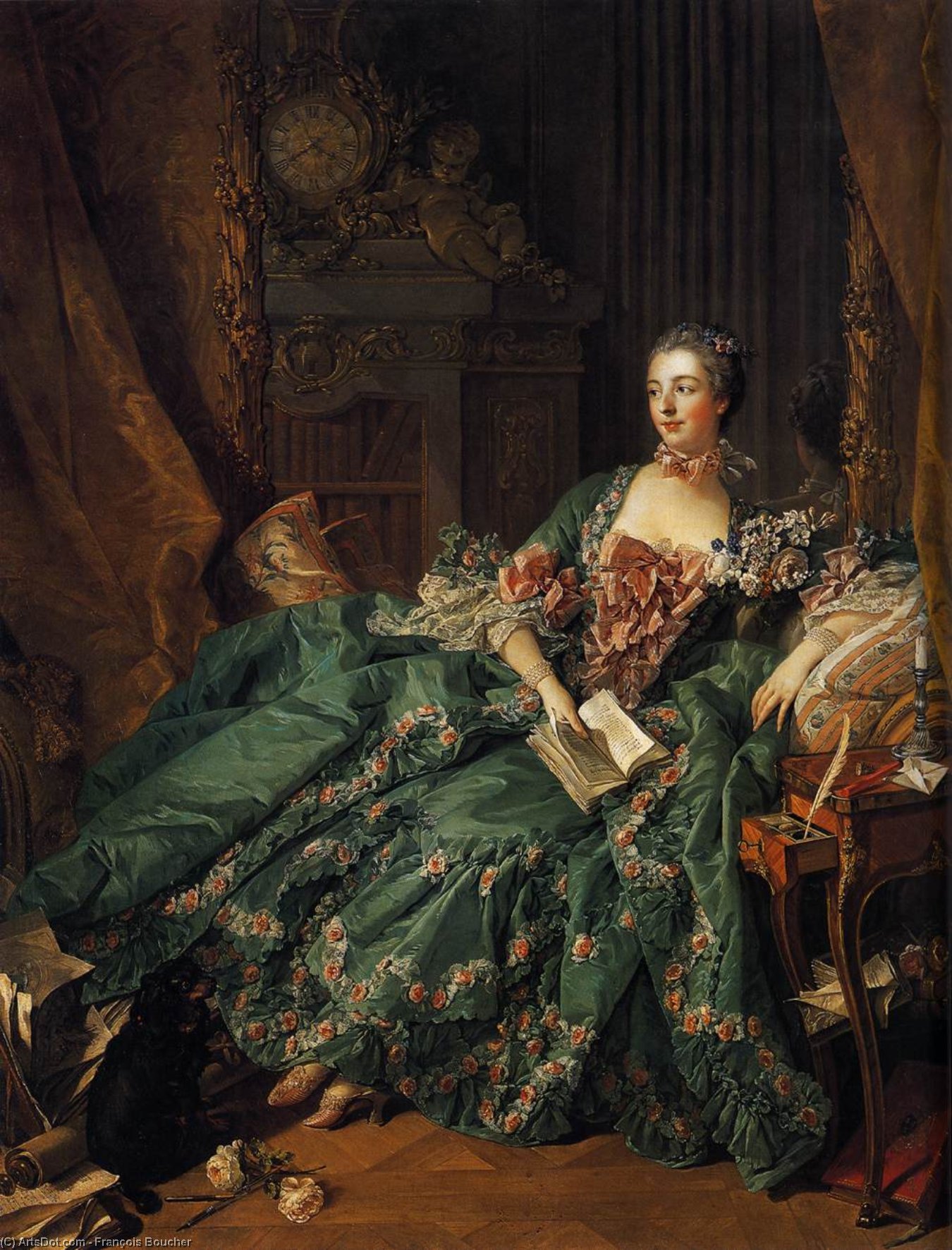
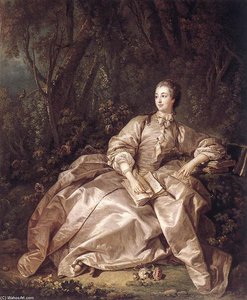
Portrait of Marquise de Pompadour
 Oil On Canvas
- WallArt
- Rococo
 1756
1756 201.0 x 157.0 cm
 Alte Pinakothek
 Pročitaj više
Ručno rađena uljana reprodukcija
Ručno oslikano uljanim bojama na platnu u dimenzijama i okviru po vašem izboru, izrađeno po porudžbini od strane naših umetnika. ( Kupi print Kupi digitalnu sliku)




P118B $10

P118H $10

P118W $10

P438Z $10

P508JH $12

P508YH $12

P805H $10

P805Z $10

P919BZ $10

P919G $10

P919XJ $10

P959ZH $10

P968JZ $12

W106C $8

W218G $10

W218JH $8

W218Y $10

W307PJ $10

W316G $10

W316PJ $8

W316Y $10

W398PJ $8

W4111J $10

W500HY $15

W500JH $15

W692G $12

W849H $8

W940BG $15

W953PJ $8




Izaberite jednu od naših unapred definisanih veličina koje odgovaraju originalnim proporcijama umetničkog dela.

Можете унети сопствене димензије како бисте прилагодили дело одређеном оквиру или простору. Ако одабрана величина не одговара пропорцијама оригинала, слика ће бити исечена или проширена додатним елементима који се ручно насликавају. Дигитални prikaz ће вам бити послат на одобрење пре почетка производње.
Имајте на уму да преглед на екрану не одражава стварно исецање или проширење. Само приказ (mockup) ће тачно приказати коначну композицију.
Иако су доступне прилагођене величине, препоручујемо да одаберете димензију из дефинисане листе како бисте сачували оригиналне пропорције.
Nakon narudžbine, tim ArtsDot.com će klijentu putem e-pošte poslati uputstva i dostaviti prikaz predloženog rešenja
Isporuka širom sveta () za 3/4 nedelje umesto uobičajenih 5 nedelja. (22 август). Bez kompromisa po pitanju kvaliteta.

Besplatna ekspresna dostava širom sveta

Visokokvalitetno laneno platno

Kompletno osiguranje transporta

Garancija povraćaja carine i uvoznih dažbina

Garancija vernosti boja

Politika povrata u roku od 60 dana (samo u slučaju nedostataka)

Garancija povrata novca od 100%

Popust pri grupnoj kupovini
 Opcija sa staklom dostupna je samo za dimenzije manje od 110 cm

Portrait of Marquise de Pompadour
Tehnika reprodukcije
Dimenzije reprodukcije
-


Konačna cena
$ 263
Opis umetničkog dela
Portrait of Madame de Pompadour: An Embodiment of Enlightenment Grace
François Boucher’s “Portrait of Madame de Pompadour,” painted in 1756, is more than just a likeness; it's a shimmering distillation of the Rococo era’s opulent sensibilities and a poignant reflection on power, beauty, and the evolving role of women within French society. The painting captures the Marquise de Pompadour – Jeanne Antoinette Poisson – not merely as a royal mistress, but as a cultivated patron of the arts, a woman who wielded considerable influence behind the scenes of the court, and a figure whose image became synonymous with elegance and sophistication.
Boucher’s masterful technique is immediately apparent. The composition unfolds within an exquisitely detailed interior setting – likely the Hôtel de Besenval, where Madame de Pompadour resided – suggesting both intimacy and grandeur. The palette is rich and luminous, dominated by soft pinks, creams, and subtle greens, characteristic of the Rococo style’s emphasis on light and pastel hues. Boucher employs a delicate sfumato technique, blurring edges and creating an atmospheric haze that softens the forms and contributes to the painting's overall sense of dreamlike beauty. The brushwork is incredibly fine, meticulously rendering fabrics – the luxurious silk gown, the intricate lace collar – and the subtle textures of the room’s furnishings. Notably, Boucher utilizes a technique known as “peinture à la lisse,” or smooth painting, which further enhances the polished, refined quality of the portrait.
A Woman in Power: Context and Symbolism
To understand the significance of this portrait, one must consider the historical context. Madame de Pompadour was a pivotal figure during Louis XV’s reign, not simply as his favorite but as an astute political advisor and a generous supporter of artists like Boucher himself. Her influence extended far beyond the confines of the royal court, shaping fashion trends, promoting intellectual discourse, and fostering a vibrant artistic environment. The painting subtly communicates this power – Madame de Pompadour is seated with an air of serene authority, reading a book, a symbol of her intellect and engagement with the world of ideas. The inclusion of birds perched on a branch in the background—a common motif in Rococo art—represents liberty and freedom, aligning with the Marquise’s own spirit of independence.
Furthermore, the choice of attire is laden with symbolism. The pale pink gown, adorned with delicate lace and embellished with pearls, reflects the prevailing fashions of the time while simultaneously conveying wealth and status. The elaborate hairstyle, piled high and decorated with jewels, further emphasizes her position as a woman of considerable influence. The book she holds isn’t just an object; it represents her cultivated mind and her role as a patron of learning – a deliberate contrast to the often-stereotyped image of women during that era.
Rococo Idealism and Enduring Beauty
“Portrait of Madame de Pompadour” exemplifies the core tenets of Rococo art: an emphasis on beauty, pleasure, and intimacy. Boucher’s portrayal is not one of stark realism but rather a carefully constructed idealization of feminine grace and sophistication. The composition invites the viewer to step into the scene, creating a sense of personal connection with the subject. The painting's serene atmosphere and harmonious colors evoke feelings of tranquility and refinement – qualities that were highly valued during the Rococo period.
Despite its historical context, the portrait continues to resonate today. Madame de Pompadour’s image has been reproduced countless times, appearing in art books, museum displays, and interior design publications. Her story—a woman who defied societal expectations, wielded considerable influence, and left an indelible mark on French culture – remains a compelling narrative of ambition, artistry, and the enduring allure of beauty. The painting serves as a testament to Boucher’s skill and his ability to capture not just a likeness but also the essence of a remarkable woman.
Srodna umetnička dela
Biografija umetnika
Франсоа Буше: Живот у ери Рокока
Франсоа Буше (1703-1770) био је кључна фигура француске уметности 18. века, познат као један од најславнијих сликара доба Рокока. Његово дело оличава елеганцију, сензуалност и игриви дух који су дефинисали овај утицајан стил. Буше није био само сликар; он је био симбол епохе, човек чије су радове обожавали краљеви, аристократија и цело друштво зажеђено лепотом и раскошем.
Рани живот и образовање
Рођен 29. септембра 1703. године у Паризу, Франсоа Буше је свој уметнички пут започео под вођством оца Жана Бушеа, који је такође био сликар. Већ са седамнаест година, привукао је пажњу Франсоа Лемоина, што га је одвело на кратку али значајну праксу у његовом атељеу. Даље је усавршавао своје вештине код гравера Жан-Франсоа Карса пре него што је постигао важан успех: освојио је престижну Гран При де Ром 1720. године. Ова награда му је отворила врата ка студијама у Риму, где је упознао класичне мајсторе и развио свој лични стил.
Успон славе и уметнички развој
Бушеов боравак у Италији, након победе на Гран Прију, био је преломан. По повратку у Француску, примљен је у Академију Краљевске сликарства и скулптуре 1731. године. Његово *morceau de réception*, “Риналдо и Армида” (1734), одмах га је успоставио као мајстора Рококо стила. У овом периоду се у потпуности развио његов уметнички глас, карактеристичан по деликатној четкици, пастелним палетама и нагласку на митолошким и пасторалним темама. Његова способност да споји класичну елеганцију са игривом грациозношћу била је без преседана.
Кључна дела и теме
Бушеов опус је изузетно разнолик, обухватајући митологију, портрете, жанр сцене и декоративну уметност. Међу његовим најпознатијим делима су:
- “Доручак” (1739): Шармантан приказ породичног живота са супругом и децом. Ово дело је било значајно по томе што је Буше представио своју породицу као моделе, показујући вештину жанр сликарства.
- “Тријумф Венере” (1740-1751): Серија слика која демонстрира Бушеову мајсторску интерпретацију митолошких наратива.
- Бројни портрети Мадам де Помпадур, утицајне љубавнице краља Луја XV, што је учврстило његов положај на двору. Ови портрети су били више од само физичких репрезентација; они су били симбол моћи и лепоте.
- Пејзажи као што је “Залазак Сунца”, који показују лиричну и идиличну визију природе.
Поновљени мотиви у Бушеовом раду укључују љубав, лепоту, слободно време и идеализован свет митологије. Његове слике често изазивају осећај игривог еротизма и рафиниране елеганције.
Утицај и наслеђе
Бушеов утицај се протезао далеко изван сликања. Дизајнирао је костиме и декорације за позориште, креирао гобелене за радионице Бове и сарађивао са Gobelins Manufactory. Његово именовање за *Premier Peintre du Roi* 1765. године потврдило је његов статус као водећег уметника француског Рокока. Касније су критичари доводили у питање очиту површност Рококо уметности, али Бушеов утицај на касније генерације остаје неоспоран. Инспирисао је уметнике као што је Жан-Оноре Фрагонар и значајно допринео развоју Неокласицизма кроз своје ученике.
Историјски значај
Франсоа Бушеов рад пружа драгоцен увид у укусе и вредности француског друштва 18. века. Његове слике одражавају аристократску културу ере, карактеристичну по луксузу, рафинираности и потрази за задовољством. Он остаје значајна фигура у историји уметности, слављена због своје техничке вештине, уметничке иновације и трајног доприноса Рококо стилу.
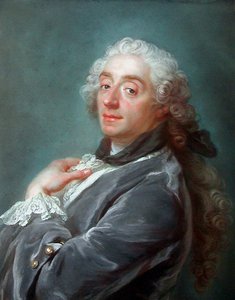
Франсоа Буше
1703 - 1770 , Француска
Osnovne informacije
- Datum Rođenja: 29. septembar 1703.
- Datum Smrti: 1770.
- Mesto Rođenja: Pariz, Francuska
- Nacionalnost: Francuz
- Puno Ime: François Boucher
- Umetnici Koji Su Uticali:
- François Lemoyne
- Jean-François Cars
- Umetnici Pod Uticajem: ['Jean-Honoré Fragonard']
- Umetnički Pokret: Rokoko
- Značajna Dela:
- Rinaldo i Armida
- Doručak
- Portreti Pompadur
Povezani članci
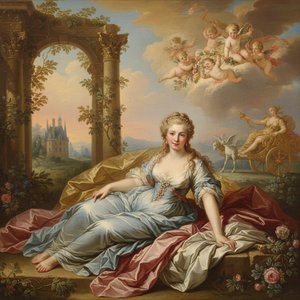
François Boucher: Rococo Master of Myth, Sensuality, and the French Court
Explore the captivating world of François Boucher, master of Rococo painting! Discover his iconic works, aristocratic patronage, and lasting influence on French art history. Learn more at ArtsDot.

Francisco Goya: 25 Remek-dela Španskog Majstora za Vaš Dom | ArtsDot
Istražite 25 remek-dela Francisca Goya, španskog slikara romantizma i impresionizma. Portreti, tamne slike & istorija umetnosti na ArtsDot.com! Kupite reprodukcije slika vrhunskog kvaliteta za dekoraciju enterijera. Otkrijte celu kolekciju online.
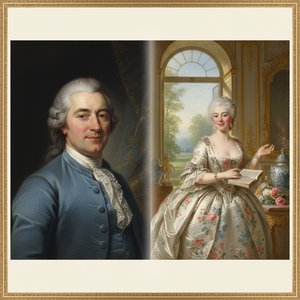
Maurice Quentin de La Tour: Light, Shadow & the Rococo Portrait
Explore the captivating world of Maurice Quentin de La Tour, a master of Rococo portraiture. Discover his innovative pastel techniques, intimate depictions of French aristocracy, and lasting artistic legacy. Learn more at ArtsDot.

The Rococo Aesthetic: Opulence, Rebellion & the Pursuit of Pleasure in 18th-Century Art
Explore the opulent world of Rococo art! Discover its origins, key artists like Watteau & Boucher, and lasting influence on design. Expert insights for collectors & enthusiasts.
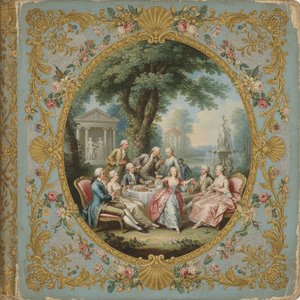
The Rococo Style: Aristocratic Leisure & the Pursuit of Delight in 18th-Century Art
Explore the opulent world of Rococo art! Discover Watteau, Boucher & Nattier's masterpieces. Expert insights for collectors seeking museum-quality reproductions and custom portraits at ArtsDot.

