

 Pregledaj u prostoru
 Pošalji
 Podeli
 Detalji o delu

 Преузми
 Slični predmeti
 Rendgenski snimak
 Slajdovi
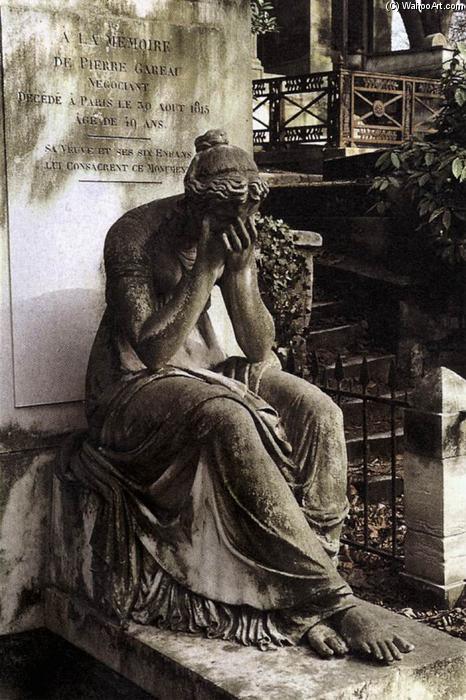
Sorrow, Tomb of Pierre Gareau


 Pročitaj više
Kupite digitalnu sliku visoke rezolucije i poboljšanog kvaliteta, koja je znatno superiornija od onoga što vidite u online prikazu.
Svaka datoteka je pedantno pripremljena od strane naših stručnjaka koristeći napredne alate i profesionalnu ručnu retušu. Osiguravamo da svaka slika ima izuzetnu oštrinu, preciznu reprodukciju boja i fine detalje.
Konačna datoteka se dostavlja putem e-pošte u roku od 72 sata, optimizovana za neposrednu upotrebu u profesionalnim, izdavačkim i štamparskim okruženjima. To je isti kvalitet kojem veruju vrhunski studiji dizajna, izdavači i galerije.
Digitalna slika
Preuzmite datoteku visoke rezolucije za ličnu upotrebu, štampanje i kreativne projekte. ( Kupi print Kupi ručno naslikanu sliku)
Uključeno uz svaku porudžbinu digitalne slike
Profesionalna digitalna isporuka, zagarantovana
Kada odaberete ArtsDot.com, ne dobijate samo sliku – vi primate profesionalno unapređeno digitalno umetničko delo, izrađeno sa najvećom preciznošću i uz garanciju zadovoljstva. Evo svega što automatski dolazi uz vašu porudžbinu:

Brza dostava putem e-pošte
Vaša digitalna slika visoke rezolucije biće vam poslata putem e-pošte u roku od 72 sata od poručivanja – spremna za trenutnu upotrebu.

Digitalna datoteka unapređena veštačkom inteligencijom
Vaše umetničko delo je profesionalno optimizovano korišćenjem naprednih AI alata i ručne obrade, čime se osiguravaju maksimalni detalji, oštrina i preciznost boja.

Besplatna ponovna isporuka doživotno
Slučajno ste obrisali ili izgubili svoju datoteku? Ne brinite – poslaćemo vam je ponovo u bilo kom trenutku, potpuno besplatno.

Bez troškova uvoza – zauvek
Uživajte u svojim umetničkim delima trenutno, bez carine, dažbina ili troškova dostave – digitalni download je uvek bez poreza.

Garancija vernosti boja
Uz pomoć profesionalnih alata i upravljanja bojama, osiguravamo da vaša digitalna slika što vernije odražava originalne boje.

Garancija zadovoljstva od 100 dana
Ako niste zadovoljni svojom digitalnom slikom, izvršićemo reviziju ili ćemo vam vratiti 100% novca u roku od 100 dana – bez ikakvih pitanja.

100% garancija povrata novca
Niste zadovoljni? Dobijte puni povraćaj novca u roku od 100 dana od prijema digitalne datoteke – bez suvišnih pitanja.

Popusti na velike porudžbine
Kupite 3 slike, uštedite 10% - Kupite 5 slika, uštedite 15% - Kupite 10+ slika, uštedite 20%. Odlično za kreativne projekte, galerije i agencije.
Srodna umetnička dela






Biografija umetnika
The Shadow Sculptor: The Life and Legacy of François Dominique Aimé Milhomme
François Dominique Aimé Milhomme (1758–1823) remains one of the most evocative figures in the landscape of late eighteenth-century sculpture, an artist whose hands breathed life into stone with a unique blend of classical precision and haunting emotional depth. Born in the storied city of Valenciennes, France, Milhomme was raised in an environment steeped in artistic tradition, a foundation that would later allow him to navigate the shifting tides of European aesthetics. His early journey was shaped by the rigorous tutelage of Pierre-Joseph Gillet, a respected sculptor from his hometown who instilled in him a profound respect for anatomical accuracy and the fundamental principles of sculptural form. This formative period in Valenciennes provided the technical bedrock upon which Milhomme would later build his more complex, emotive explorations of the human condition. As his ambitions grew, Milhomme migrated to Paris, the beating heart of the art world, where he immersed himself in the sophisticated atmosphere of the French capital. Here, his style began to evolve through the influence of luminaries such as André-Jean Lebrun and Christophe-Gabriel Allegrain. From these masters, he absorbed more than just technical prowess; he learned the art of capturing movement and the subtle nuances of expression that distinguish a mere likeness from a living soul. This Parisian apprenticeship was crucial in refining his ability to balance the rigid ideals of Neoclassicism with the burgeoning, darker sensibilities of Gothic Revivalism, creating a tension in his work that many contemporary critics found both mesmerizing and unsettling.A Sculptor Amidst Revolution and Grandeur
The trajectory of Milhomme’s career was inextricably linked to the turbulent political landscape of France. During the French Revolution, a period defined by dramatic social upheaval and intellectual ferment, Milhomme demonstrated a remarkable versatility. While many artists struggled to find footing amidst the chaos, he embraced opportunities for monumental public works, contributing significantly to the decoration of the Théâtre Italien in Paris. This engagement with public art allowed him to showcase his ability to work on a grand scale, integrating sculptural elements into architectural narratives that spoke to the changing cultural identity of the era. His mastery reached its zenith through his involvement in prestigious commissions that bridged the gap between private devotion and state grandeur. One of his most celebrated achievements was the creation of the statue of Jean Baptiste Colbert, commissioned for the magnificent Château de Versailles. In this ambitious undertaking, Milhomme utilized marble carving to capture not just the physical likeness of the statesman, but a sense of historical weight and authority. This work stands as a testament to his ability to command the medium of stone, imbuing it with a dignity that resonated with the highest levels of European patronage.The Intersection of Classical Form and Gothic Emotion
What truly distinguishes Milhomme from his contemporaries was his ability to inhabit two worlds simultaneously: the light of classical reason and the shadows of Romanticism. While his training was rooted in the clarity of the classical tradition, his later works often drifted toward a more somber, introspective territory. This duality is perhaps best observed in his approach to portraiture and funerary art, where he could evoke profound sorrow and a sense of the sublime. His work often carries an atmospheric weight, a quality that earned him a reputation as a sculptor of shadows, capable of rendering the ephemeral nature of grief and memory in permanent stone. The historical significance of Milhomme lies in this very synthesis of styles. He was not merely a follower of trends but a bridge between eras, helping to transition the sculptural language from the structured elegance of the eighteenth century into the more turbulent, emotive landscapes of the nineteenth. His legacy is found in the enduring power of his portrait busts and monumental pieces, which continue to captivate viewers with their ability to whisper stories of loss, power, and the eternal human spirit through the silent, cold medium of marble.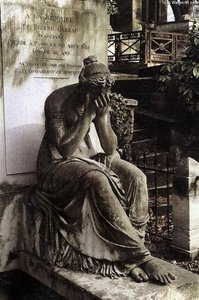
françois dominique aimé milhomme
1758 - 1823 , France
Kratke činjenice
- Artistic Movement Or Style: British Gothic Art
- Artists Or Movements Influenced By This Artist: ['Romanticism']
- Artists Who Influenced This Artist:
- André-Jean Lebrun
- Christophe-Gabriel Allegrain
- Date Of Birth: 1758 Valenciennes France
- Date Of Death: 1823 Paris France
- Full Name: François Dominique Aimé Milhomme
- Nationality: French
- Notable Artworks: ['Sorrow Tomb Pierre Gareau']
- Place Of Birth: Valenciennes France