

 Pregledaj u prostoru
 Pošalji
 Podeli
 Detalji o delu

 Преузми
 Slični predmeti
 Rendgenski snimak
 Slajdovi
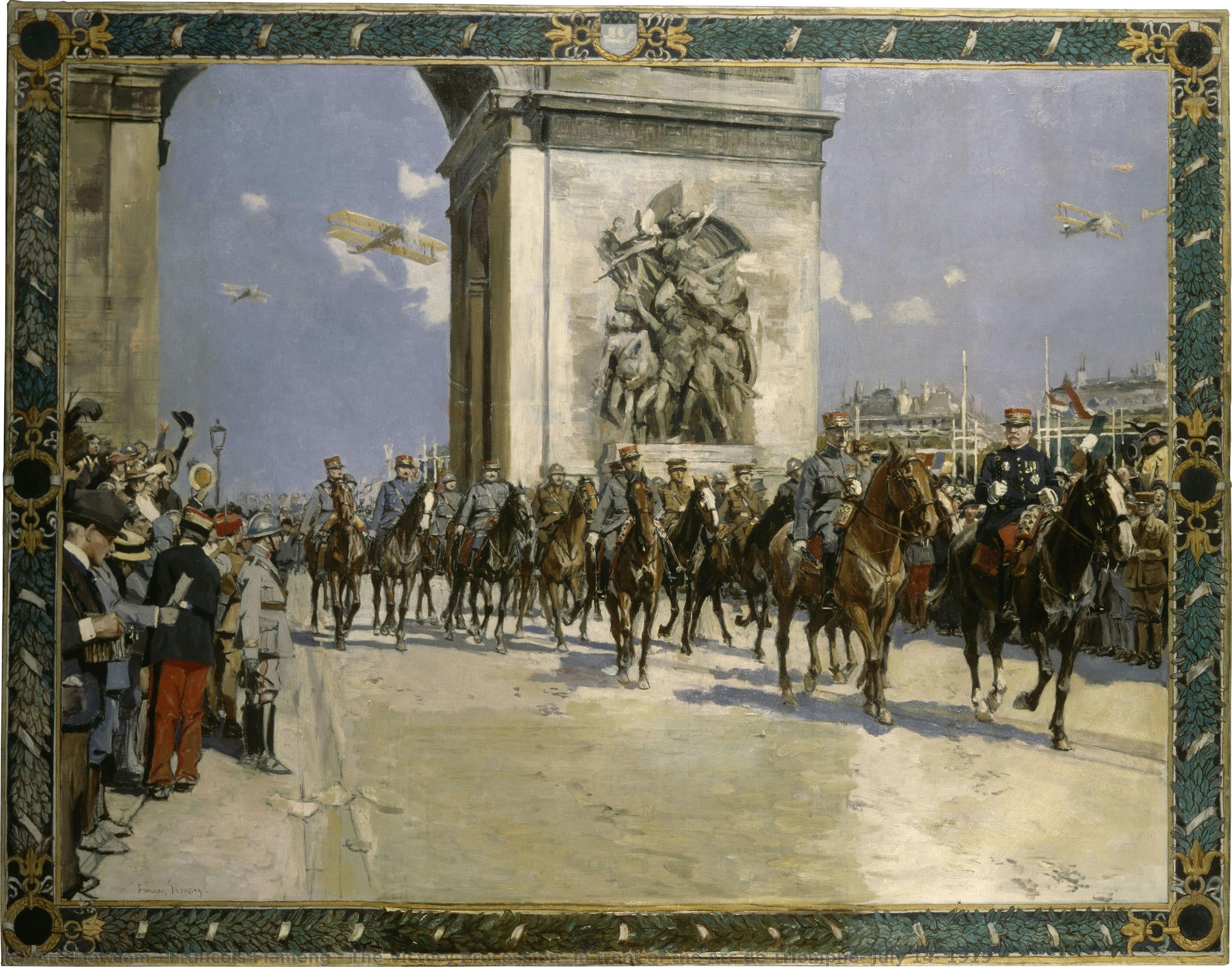
The Victory Procession, in front of the Arc de Triomphe, July 14, 1919


 Pročitaj više
Kupite digitalnu sliku visoke rezolucije i poboljšanog kvaliteta, koja je znatno superiornija od onoga što vidite u online prikazu.
Svaka datoteka je pedantno pripremljena od strane naših stručnjaka koristeći napredne alate i profesionalnu ručnu retušu. Osiguravamo da svaka slika ima izuzetnu oštrinu, preciznu reprodukciju boja i fine detalje.
Konačna datoteka se dostavlja putem e-pošte u roku od 72 sata, optimizovana za neposrednu upotrebu u profesionalnim, izdavačkim i štamparskim okruženjima. To je isti kvalitet kojem veruju vrhunski studiji dizajna, izdavači i galerije.
Digitalna slika
Preuzmite datoteku visoke rezolucije za ličnu upotrebu, štampanje i kreativne projekte. ( Kupi print Kupi ručno naslikanu sliku)
Uključeno uz svaku porudžbinu digitalne slike
Profesionalna digitalna isporuka, zagarantovana
Kada odaberete ArtsDot.com, ne dobijate samo sliku – vi primate profesionalno unapređeno digitalno umetničko delo, izrađeno sa najvećom preciznošću i uz garanciju zadovoljstva. Evo svega što automatski dolazi uz vašu porudžbinu:

Brza dostava putem e-pošte
Vaša digitalna slika visoke rezolucije biće vam poslata putem e-pošte u roku od 72 sata od poručivanja – spremna za trenutnu upotrebu.

Digitalna datoteka unapređena veštačkom inteligencijom
Vaše umetničko delo je profesionalno optimizovano korišćenjem naprednih AI alata i ručne obrade, čime se osiguravaju maksimalni detalji, oštrina i preciznost boja.

Besplatna ponovna isporuka doživotno
Slučajno ste obrisali ili izgubili svoju datoteku? Ne brinite – poslaćemo vam je ponovo u bilo kom trenutku, potpuno besplatno.

Bez troškova uvoza – zauvek
Uživajte u svojim umetničkim delima trenutno, bez carine, dažbina ili troškova dostave – digitalni download je uvek bez poreza.

Garancija vernosti boja
Uz pomoć profesionalnih alata i upravljanja bojama, osiguravamo da vaša digitalna slika što vernije odražava originalne boje.

Garancija zadovoljstva u roku od 60 dana
Ako niste zadovoljni svojom digitalnom slikom, revidirat ćemo je ili vratiti 100% novca u roku od 60 dana – bez ikakvih pitanja.

100% garancija povrata novca
Niste zadovoljni? Obezbedite pun povrat novca u roku od 60 dana od trenutka kada ste primili svoju digitalnu datoteku – bez suvišnih pitanja.

Popusti na velike porudžbine
Kupite 3 slike, uštedite 10% - Kupite 5 slika, uštedite 15% - Kupite 10+ slika, uštedite 20%. Odlično za kreativne projekte, galerije i agencije.
Opis kolekcionarskog dela
François Flameng’s Triumph: A Celebration of Victory in Parisian Art
The painting “The Victory Procession, in front of the Arc de Triomphe, July 14, 1919,” by François Flameng stands as a monumental testament to the spirit of resilience and triumph that characterized France following the First World War. Executed in 1923, this impressive canvas captures a pivotal moment – the jubilant procession commemorating the Allied victory over Germany, unfolding against the grandeur of Paris’s iconic Arc de Triomphe. Flameng's masterful depiction transcends mere historical record; it embodies an emotional response to the momentous occasion and reflects the artistic sensibilities of his time.A Symphony of Color and Composition
Flameng’s stylistic approach firmly adheres to the Beaux-Arts tradition, prioritizing meticulous detail and a convincingly realistic portrayal of light and texture. The artist skillfully employs a palette dominated by warm hues – golds, reds, and creams – mirroring the celebratory fervor of the event. These colors are strategically layered to create depth and dynamism, guiding the viewer’s eye across the expansive canvas. Compositionally, Flameng arranges the figures with deliberate precision, establishing a pyramidal structure that emphasizes the central procession led by Marshal Ferdinand Foch and Marshal Joseph Joffre. The positioning of the horses and riders contributes significantly to this visual hierarchy, reinforcing the grandeur and solemnity of the occasion.Historical Context: Echoes of Remembrance
The painting’s genesis lies in the immediate aftermath of the Great War, a period marked by profound grief and national introspection. Yet, amidst the sorrow, there emerged an unwavering determination to honor those who had sacrificed their lives for France's liberation. July 14th, 1919 – Bastille Day – served as the focal point for commemorating this victory, symbolizing freedom from oppression and reaffirming republican ideals. Flameng’s artwork captures not only the visual spectacle of the procession but also its symbolic significance: it represents the collective yearning for peace and prosperity after years of devastation. The Arc de Triomphe itself—constructed to honor Napoleon's military triumphs—becomes a poignant reminder of France’s enduring legacy of leadership and resilience.Technique and Detail: Flameng’s Artistic Virtuosity
Flameng’s technique is characterized by painstaking brushwork, meticulously rendering the musculature of the horses and the uniforms of the soldiers with remarkable accuracy. He utilizes glazing techniques—applying thin layers of translucent paint over underlying colors—to achieve luminous effects and imbue the scene with an ethereal quality. Close observation reveals subtle nuances in shading and texture, demonstrating Flameng’s dedication to capturing the materiality of his subjects. The artist's attention to detail extends beyond mere representation; he strives to convey a palpable sense of movement and energy, conveying the excitement and jubilation of the celebratory procession.Emotional Resonance: Triumph Over Adversity
Ultimately, “The Victory Procession” transcends its historical context to evoke a powerful emotional response in the viewer. Flameng’s masterful depiction captures the spirit of optimism and hope that permeated French society following the war—a desire to rebuild and honor those who had endured unimaginable hardship. The grandeur of the Arc de Triomphe serves as a visual anchor for this sentiment, symbolizing France's triumphant return to glory. More than just an illustration of a historical event, Flameng’s painting speaks to the universal human experience of overcoming adversity and celebrating victory—a timeless masterpiece that continues to inspire awe and admiration.Srodna umetnička dela
Biografija umetnika
François Flameng: A Life in Art
Early Life and Education
- Born: 1856, France.
- François Léopold Flameng was the son of Léopold Flameng, a celebrated engraver. This familial connection provided him with an early and thorough education in artistic techniques.
- He attended the École Nationale Supérieure des Beaux-arts, where he studied under Alexandre Cabanel.
- From 1870, Flameng began creating reproductions of works by renowned artists for the Durand-Ruel gallery catalogue.
Artistic Development and Style
- Flameng initially gained recognition for his history paintings and portraiture. His early style was firmly rooted in academic tradition, emphasizing precise draftsmanship and realistic representation.
- He exhibited at the Salon for the first time in 1875 with “The Lectern,” marking a significant step in his career.
- His work evolved over time to encompass broader themes, including depictions of military life and scenes from contemporary society.
Major Achievements and Commissions
- Flameng became a professor at the Academy of Fine Arts, demonstrating his standing within the artistic community.
- He received important commissions to decorate prominent civic buildings such as the Sorbonne and the Opéra-Comique.
- In 1891, he designed sketches for France’s first four-color bank notes (though the initial 1000 Franc note design wasn't issued until later in a modified form).
- He was invited to Russia in 1894 by Tsar Alexander III to paint portraits of members of the Imperial Court.
- In 1900, he created a decorative mural of Paris for Le Train Bleu, the restaurant at the Gare de Lyon.
- He was granted France’s highest civilian honor, the Légion d'Honneur.
- In 1908, he became an honorary commander of the Royal Victorian Order.
World War I and Later Work
- Flameng’s work took on a new dimension during World War I. He was named honorary president of the Society of Military Painters and an accredited documenter for the war ministry.
- His paintings from this period, while realistic, were initially criticized by some for lacking heroic drama – a testament to his commitment to portraying the realities of war.
- Many of these war paintings were later donated to the Musée de l'Armée.
- In 1919, he was elected into the National Academy of Design as an honorary corresponding academician.
Personal Life and Legacy
- Flameng married Marguerite Henriette Augusta Turquet in 1881. Their daughter, Marie, married tennis star Max Decugis, whom Flameng also painted.
- He was a friend of John Singer Sargent, who painted his portrait, and traveled with Jean-Léon Gérôme and Victor Clairin in Italy.
- François Flameng died in 1923, leaving behind a diverse body of work that reflects the artistic and historical currents of his time. His paintings offer valuable insights into French society during the Belle Époque and the realities of World War I.
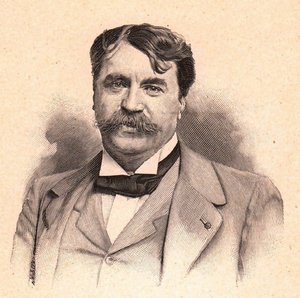
François Flameng
1856 - 1923 , France
Kratke činjenice
- Birth_Date: 1856
- Birth_Place: France
- Death_Date: 1923
- Influenced_By:
- Alexandre Cabanel
- Léopold Flameng
- Movement:
- Academic art
- Belle Époque
- Name: François Flameng
- Nationality: French
- Notable_Works:
- Napoleon After The Battle Of Waterloo
- The Victory Procession, in front of the Arc de Triomphe, July 14, 1919
- Mily Portrait Of A Boy And His Two Sisters Admiring A Sketch Book

