

 Pregledaj u prostoru
 Pošalji
 Podeli
 Detalji o delu

 Преузми
 Slični predmeti
 Rendgenski snimak
 Slajdovi
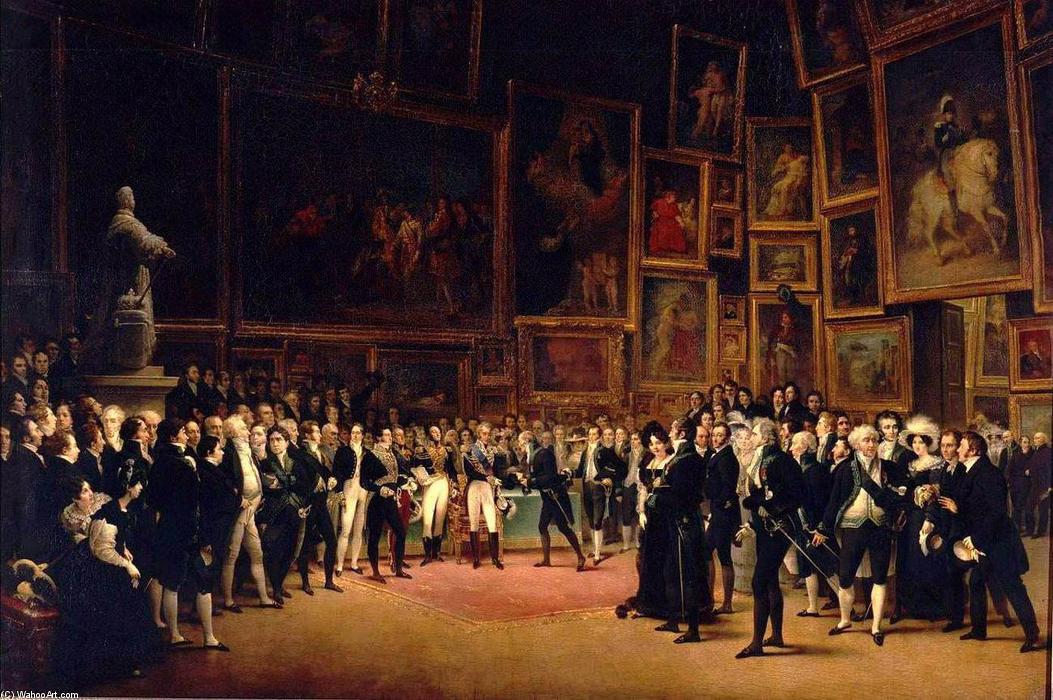
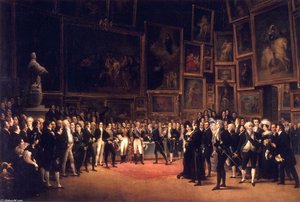
Charles V Distributing Awards to the Artists at the Close of the Salon of 1824
 Acrylic On Canvas
- WallArt
- Romantic History Painting
 1827
1827 173.0 x 256.0 cm
 Louvre
 Pročitaj više
Ručno rađena uljana reprodukcija
Ručno oslikano uljanim bojama na platnu u dimenzijama i okviru po vašem izboru, izrađeno po porudžbini od strane naših umetnika. ( Kupi print Kupi digitalnu sliku)




P118B $10

P118H $10

P118W $10

P438Z $10

P508JH $12

P508YH $12

P805H $10

P805Z $10

P919BZ $10

P919G $10

P919XJ $10

P959ZH $10

P968JZ $12

W106C $8

W218G $10

W218JH $8

W218Y $10

W307PJ $10

W316G $10

W316PJ $8

W316Y $10

W398PJ $8

W4111J $10

W500HY $15

W500JH $15

W692G $12

W849H $8

W940BG $15

W953PJ $8




Izaberite jednu od naših unapred definisanih veličina koje odgovaraju originalnim proporcijama umetničkog dela.

Можете унети сопствене димензије како бисте прилагодили дело одређеном оквиру или простору. Ако одабрана величина не одговара пропорцијама оригинала, слика ће бити исечена или проширена додатним елементима који се ручно насликавају. Дигитални prikaz ће вам бити послат на одобрење пре почетка производње.
Имајте на уму да преглед на екрану не одражава стварно исецање или проширење. Само приказ (mockup) ће тачно приказати коначну композицију.
Иако су доступне прилагођене величине, препоручујемо да одаберете димензију из дефинисане листе како бисте сачували оригиналне пропорције.
Nakon narudžbine, tim ArtsDot.com će klijentu putem e-pošte poslati uputstva i dostaviti prikaz predloženog rešenja
Isporuka širom sveta () za 3/4 nedelje umesto uobičajenih 5 nedelja. (23 август). Bez kompromisa po pitanju kvaliteta.

Besplatna ekspresna dostava širom sveta

Visokokvalitetno laneno platno

Kompletno osiguranje transporta

Garancija povraćaja carine i uvoznih dažbina

Garancija vernosti boja

Politika povrata u roku od 60 dana (samo u slučaju nedostataka)

Garancija povrata novca od 100%

Popust pri grupnoj kupovini
 Opcija sa staklom dostupna je samo za dimenzije manje od 110 cm

Charles V Distributing Awards to the Artists at the Close of the Salon of 1824
Tehnika reprodukcije
Dimenzije reprodukcije
-


Konačna cena
$ 263
Opis umetničkog dela
A Royal Tableau: Charles V Distributing Awards at the Salon of 1824
François Joseph Heim’s “Charles V Distributing Awards to the Artists at the Close of the Salon of 1824” is more than just a historical portrait; it's a meticulously crafted tableau vivant, a frozen moment brimming with courtly grandeur and subtle social commentary. Painted in 1827, this monumental canvas transports us to the opulent heart of post-revolutionary France, capturing the complex dynamics between monarchy, artistic patronage, and the burgeoning Romantic movement. The scene unfolds within a richly appointed chamber – details like the elaborate tapestries, the heavy velvet drapery, and the gleaming chandeliers all speak to the wealth and power of the Bourbon Restoration under King Charles X. Yet, beneath this veneer of regal splendor lies a carefully orchestrated narrative of recognition, obligation, and perhaps, a touch of veiled critique.The Scene Unfolds: Composition and Figures
At the center of the composition stands Charles X himself, depicted in the uniform of the National Guard – a deliberate choice that underscores his role as both sovereign and military leader. He’s not portrayed as a benevolent benefactor, however; rather, he's presented as an active participant in the distribution of honors, his hand outstretched to bestow medals upon the assembled artists. The arrangement is remarkably complex, a carefully constructed pyramid of figures. To his right, Ambroise-Polycarpe de La Rochefoucauld, the King’s official representative, extends his own hand, symbolizing the formal transfer of recognition. The artist, François Joseph Heim, masterfully captures the diverse expressions and postures of the assembled group – from the expectant gazes of the painters to the slightly awkward poses of the courtiers. Note the inclusion of Louis Nicolas Philippe Auguste de Forbin, the director of the Louvre, a key figure in managing the Salon’s operations and ensuring the King's satisfaction. The composition isn’t merely observational; it’s designed to convey a specific hierarchy and relationship between power and artistic merit.A Romantic Masterpiece: Technique and Style
Heim’s style is firmly rooted in the academic traditions of the 18th century, yet infused with the dramatic intensity characteristic of the Romantic era. His brushwork is remarkably detailed, particularly evident in the rendering of fabrics, textures, and the intricate folds of the clothing. The use of chiaroscuro – the interplay of light and shadow – creates a sense of depth and drama, drawing the viewer’s eye to key figures within the scene. The color palette is rich and warm, dominated by deep reds, golds, and browns, reflecting the opulence of the royal court. However, Heim subtly employs cooler tones in the background, creating a visual separation between the foreground action and the more distant figures. This technique enhances the sense of space and contributes to the overall feeling of grandeur. The painting’s scale – measuring 173 x 256 cm – further emphasizes its monumental quality, immersing the viewer within the scene.Symbolism and Context: Beyond a Royal Ceremony
The “Charles V Distributing Awards” is not simply a record of a formal event; it's laden with symbolic meaning. The act of awarding medals represents recognition for artistic achievement, but also highlights the King’s role as a patron of the arts – a crucial function in maintaining social stability and legitimizing his rule after the tumultuous years of the Revolution. The presence of numerous artists underscores the importance of art to the monarchy, while their varied expressions hint at the complex relationship between artist and court. The inclusion of figures like La Rochefoucauld and de Forbin suggests the administrative machinery that facilitated this patronage system. Furthermore, the painting can be interpreted as a subtle commentary on the limitations of artistic freedom within a restrictive political environment. While celebrating artistic talent, it also subtly acknowledges the constraints imposed by royal authority.A Legacy of Grandeur: Reproduction and Display
Today, “Charles V Distributing Awards to the Artists at the Close of the Salon of 1824” resides in the Louvre Museum, a testament to its enduring artistic merit. Reproductions offer an accessible way to experience the painting’s grandeur and complexity. When selecting a reproduction, consider the quality of the print – archival inks and high-resolution paper are essential for capturing the nuances of Heim's masterful brushwork. This artwork would be a stunning addition to any grand salon or study, evoking the atmosphere of 19th-century French courtly life while serving as a reminder of the enduring power of art and patronage.Srodna umetnička dela

Biografija umetnika
Veličina romantičarskog vizionara
Fransoa Žozef Em stoji kao monumentalna figura u tapiseriji francuske istorije umetnosti, oličavajući dramatični žar romantičarske ere, dok je istovremeno ostao čvrsto ukorenjen u rigoroznoj disciplini akademske tradicije. Rođen 1787. godine u Belfortu, u regiji Alzas-Loren, Emov rani život oblikovan je promenljivim granicama i napoleonskim uticajima njegove domovine. Njegovo umetničko putovanje počelo je dubokom fascinacijom za disegno, strašću koja je negovana tokom njegovih formativnih studija na École Centrale de Strassburg. Upravo je tamo prvi pokazao izuzetan talenat koji će ga na kraju odvesti u samo srce pariskog umetničkog sveta, postavljajući temelje tehničke preciznosti koja će definisati celokupno njegovo delo.
Trajektorija Emove karijere neopovratno je izmenjena njegovim susretom sa legendarnim Horasom Vernetom. Ovaj odnos bio je mnogo više od običnog poznanstva; to je bilo ključno umetničko usvajanje koje je stvorilo duboke veze i zajedničke stilske ambicije. Zajedno su koračali kroz kompetitivni pejzaž francuskog neoklasicizma i naglo rađajućeg romantizma. Pod suptilnim vođstvom Verneta, Em je naučio da ovlada umetnošću narativnog slikarstva, otkrivajući kako da velike kompozicije prožme opipljivim emocijama, atmosferskom dubinom i pedantnim detaljima. Ovaj period mentorstva bio je od suštinske važnosti u pripremi za intenzivnu kritiku na pariskim Salonima, gde će mu sposobnost spajanja klasične strukture sa dramski pripovedanjem ubrzo doneti međunarodni ugled.
Trijumf na Salonu i vladanje istorijom
Emov uspon unutar prestižne francuske umetničke hijerarhije bio je ništa manje nego meteorski. Drugi Salon 1807. godine poslužio je kao njegov veličanstveni uvod pred javnost, gde je osvojio prvu nagradu za svoje zadivljujuće delo, Dolazak Jakova u Mesopotamiju. Ovo monumentalno platno, koje je naručio uticajni Vivant Denon, pokazalo je Emovu sposobnost da rukuje složenim biblijskim narativima sa osećajem epske veličine i duhovne težine. Prikazujući Mojsija kako vodi Izraelce kroz pustinju, Em se oslonio na fascinaciju tog doba velikim istorijskim i religioznim temama, utvrđujući svoje mesto kao vrhunskog hroničara prošlosti.
Njegov uspeh nije bio jednokratan događaj, već period neprestane izvrsnosti. Zlatna medalja dodeljena mu na Salonu 1812. godine dodatno je učvrstila njegovu reputaciju, priznajući njegovu jedinstvenu sposobnost da prenese duboke duhovne istine kroz majstorsku tehniku. Njegova dela su se često odlikivala:
- Dramatičnim narativom: fokusom na ključne trenutke u biblijskim i istorijskim hronikama koji su osvajali maštu publike 19. veka.
- Tehničkom preciznošću: nepokolebljivom posvećenošću akademskim standardima anatomije, svetlosti i teksture.
- Emocionalnom rezonancijom: upotrebom atmosfere i kompozicije za izazivanje osećaja strahopoštovanja, tragedije ili trijumfa.
Nasleđe i istorijski značaj
Kako je njegova karijera napredovala, Em je postao stalni stub francuskog umetničkog etablmenta, poznat po sposobnosti da zadovolji i intelektualne zahteve kritičara i estetske želje kolekcionara. Njegovi prikazi religioznih figura, kao što je njegovo slavno delo Sveti Jovan, pokazali su kapacitet za intimnost koji se prelepo kontrastirao sa njegovim većim, turbulentnijim istorijskim kompozicijama poput Massakr Jevreja. Ova svestranost omogućila mu je da navigira kroz promenljive ukuse veka koji je bio zarobljen između bledića eha neoklasicizma i uspona talasa romantizma.
U konačnici, značaj Fransoa Žozefa Ema leži u njegovoj ulozi mosta između era. On nije samo pratio trendove; on je sintetisao strukturni integritet starih majstora sa emocionalnim intenzitetom svojih savremenika. Kroz svoje velike Salon slike i upečatljive portrete, pomogao je u definisanju vizuelnog jezika Francuske 19. veka, ostavljajući za sobom nasleđe dela koja i danas zaslužuju poštovanje zbog svoje tehničke briljantnosti i duboke sposobnosti da gledaoca prenesu u samo srce istorije.
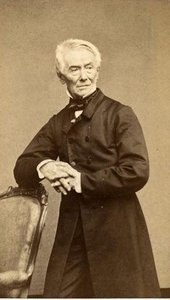
Franoa Žozef Em
1787 - 1865 , Francuska
Osnovne informacije
- Artistic Movement Or Style: Akademska umetnost
- Artists Who Influenced This Artist: ['Vincent']
- Date Of Birth: 1787. Belfort, Francuska
- Date Of Death: 1865.
- Full Name: François Joseph Heim
- Nationality: Francusko
- Notable Artworks:
- Pljačka Jerusalima od strane Rimljana
- ZAGREBLJENA JOSEFOVA ROBE DONETI JAKOVU
- Pad Troje
- Place Of Birth: Belfort, Francuska
Povezani članci
Secrets Beneath the Surface: How X-Rays Reveal the True Story of Masterpiece Paintings
Explore the hidden history of fine art through X-ray imaging. Discover how radiography reveals pentimento, secret layers, and the chemical alchemy of Old Master paintings, uncovering the untold stories beneath the surface of the world's most beloved masterpieces.
Charles-André van Loo: A Study in Rococo Portraiture & the French Court's Artistic Dynamics
Explore the elegant world of Charles-André van Loo, a master of Rococo portraiture at the French court. Discover his life, techniques, and enduring influence on 18th-century art. Hand-painted reproductions available.

Charles Fraser: A Life Immersed in Light and Landscape – Exploring the Scottish Colourist's Vision
Discover the captivating world of Charles Fraser (1782-1860), a leading American artist renowned for his serene landscapes and detailed portraits of Southern life. Explore his legacy & find museum-quality reproductions at ArtsDot.
Charles Haslewood Shannon: A Study in Aestheticism, Symbolism & Fin-de-Siècle Portraiture
Explore the captivating portraits of Charles Haslewood Shannon, a leading figure of Aestheticism & Symbolism. Discover his classic style, influences, and lasting legacy in British art. View artworks & learn more.
Alexandre Cabanel: Sensuality, Tradition & the Salon's Embrace of Academic Realism
Explore the captivating world of Alexandre Cabanel, master of French Academic painting. Discover his iconic works, Salon success & lasting influence on art history. High-quality reproductions available at ArtsDot.

