

 Pregledaj u prostoru
 Pošalji
 Podeli
 Detalji o delu

 Преузми
 Slični predmeti
 Rendgenski snimak
 Slajdovi
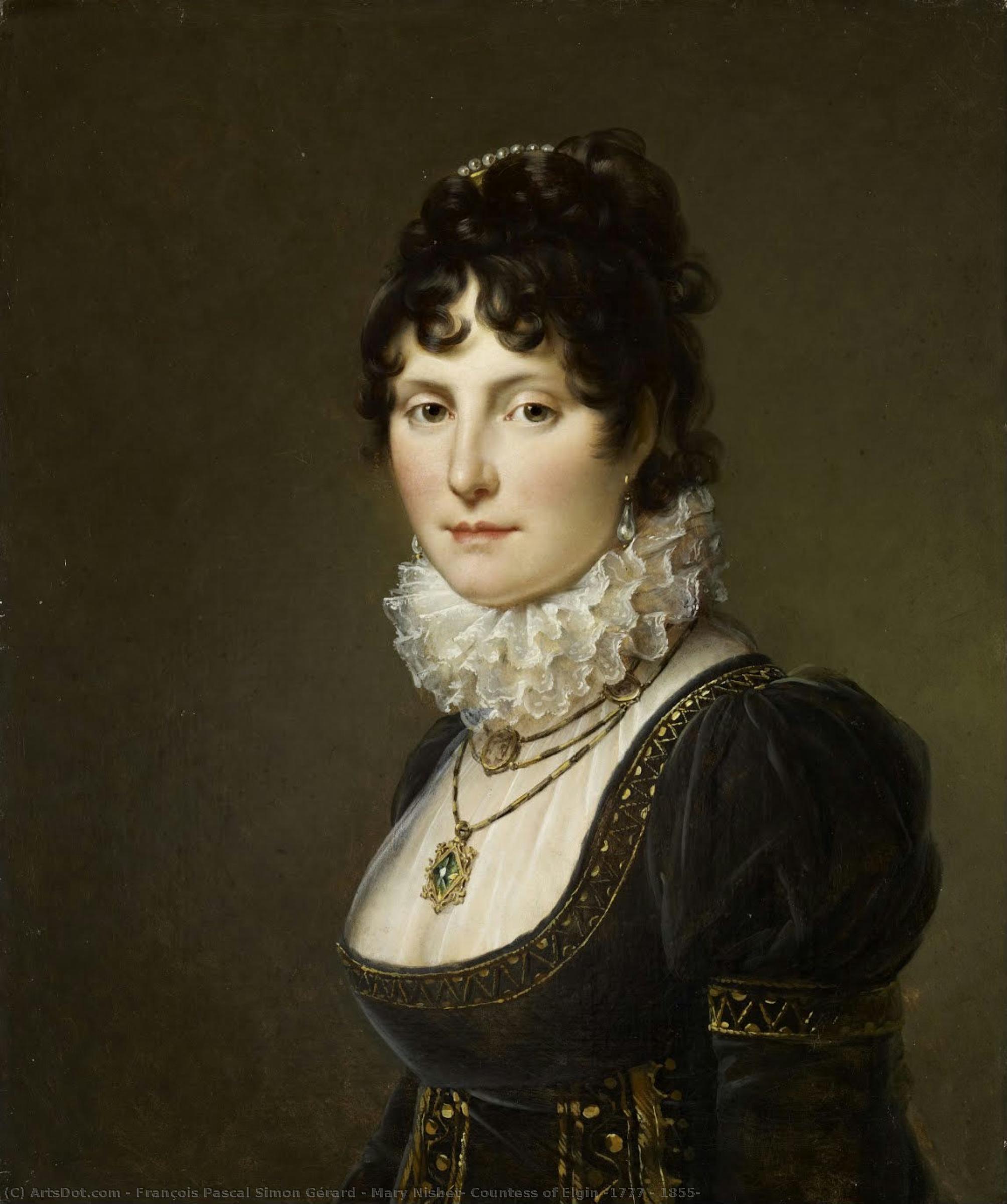
Mary Nisbet, Countess of Elgin (1777 - 1855)


 Pročitaj više
Kupite digitalnu sliku visoke rezolucije i poboljšanog kvaliteta, koja je znatno superiornija od onoga što vidite u online prikazu.
Svaka datoteka je pedantno pripremljena od strane naših stručnjaka koristeći napredne alate i profesionalnu ručnu retušu. Osiguravamo da svaka slika ima izuzetnu oštrinu, preciznu reprodukciju boja i fine detalje.
Konačna datoteka se dostavlja putem e-pošte u roku od 72 sata, optimizovana za neposrednu upotrebu u profesionalnim, izdavačkim i štamparskim okruženjima. To je isti kvalitet kojem veruju vrhunski studiji dizajna, izdavači i galerije.
Digitalna slika
Preuzmite datoteku visoke rezolucije za ličnu upotrebu, štampanje i kreativne projekte. ( Kupi print Kupi ručno naslikanu sliku)
Uključeno uz svaku porudžbinu digitalne slike
Profesionalna digitalna isporuka, zagarantovana
Kada odaberete ArtsDot.com, ne dobijate samo sliku – vi primate profesionalno unapređeno digitalno umetničko delo, izrađeno sa najvećom preciznošću i uz garanciju zadovoljstva. Evo svega što automatski dolazi uz vašu porudžbinu:

Brza dostava putem e-pošte
Vaša digitalna slika visoke rezolucije biće vam poslata putem e-pošte u roku od 72 sata od poručivanja – spremna za trenutnu upotrebu.

Digitalna datoteka unapređena veštačkom inteligencijom
Vaše umetničko delo je profesionalno optimizovano korišćenjem naprednih AI alata i ručne obrade, čime se osiguravaju maksimalni detalji, oštrina i preciznost boja.

Besplatna ponovna isporuka doživotno
Slučajno ste obrisali ili izgubili svoju datoteku? Ne brinite – poslaćemo vam je ponovo u bilo kom trenutku, potpuno besplatno.

Bez troškova uvoza – zauvek
Uživajte u svojim umetničkim delima trenutno, bez carine, dažbina ili troškova dostave – digitalni download je uvek bez poreza.

Garancija vernosti boja
Uz pomoć profesionalnih alata i upravljanja bojama, osiguravamo da vaša digitalna slika što vernije odražava originalne boje.

Garancija zadovoljstva u roku od 60 dana
Ako niste zadovoljni svojom digitalnom slikom, revidirat ćemo je ili vratiti 100% novca u roku od 60 dana – bez ikakvih pitanja.

100% garancija povrata novca
Niste zadovoljni? Obezbedite pun povrat novca u roku od 60 dana od trenutka kada ste primili svoju digitalnu datoteku – bez suvišnih pitanja.

Popusti na velike porudžbine
Kupite 3 slike, uštedite 10% - Kupite 5 slika, uštedite 15% - Kupite 10+ slika, uštedite 20%. Odlično za kreativne projekte, galerije i agencije.
Opis kolekcionarskog dela
Mary Nisbet, Countess of Elgin: A Portrait of Grace and Intrigue
François Pascal Simon Gérard’s “Portrait of Mary Nisbet, Countess of Elgin” (1804) is more than just a likeness; it's a carefully constructed tableau of aristocratic elegance interwoven with threads of historical circumstance and subtle emotional depth. Painted during the height of Napoleon’s reign, this work captures the sitter – Mary Nisbet herself – in a pose that speaks volumes about her position within Scottish society and the turbulent political landscape of Europe. The painting immediately draws the eye to its subject: a woman of striking beauty, rendered with a meticulous attention to detail that is characteristic of Gérard's Neoclassical style.
Gérard’s technique is masterful in its restraint. He employs a palette dominated by muted tones – deep browns, creams, and subtle blues – creating an atmosphere of quiet dignity. The lighting is carefully considered, highlighting Mary’s face and the delicate folds of her velvet gown while casting gentle shadows that add to the painting's sense of depth. Notice how he uses light to draw attention to the intricate lace collar, a symbol of wealth and status during the period, and the subtle shimmer of her jewelry – indicators of her elevated social standing. The brushwork is smooth and refined, reflecting Gérard’s commitment to capturing the idealized beauty favored by the aristocracy.
A Lady in Turbulent Times
The portrait's historical context is crucial to understanding its full significance. Mary Nisbet was married to Thomas Bruce, 7th Earl of Elgin, a prominent Scottish nobleman who served as British Ambassador to the Ottoman Empire during Napoleon’s reign. This position placed him at the center of European diplomacy and embroiled him in considerable political intrigue. The painting itself was created shortly after his imprisonment in France following the collapse of the Treaty of Amiens, highlighting the precariousness of his situation and the lengths Mary undertook to secure his release. The subtle tension in her gaze – a hint of intelligence and perhaps even apprehension – suggests the weight of responsibility she carried as the wife of a man caught in the crossfire of European power struggles.
Interestingly, Mary Nisbet’s intervention on behalf of her husband is legendary. Legend has it that she famously charmed Napoleon himself, securing his parole and ultimately facilitating his return to Britain. This anecdote adds another layer of intrigue to the portrait, transforming it from a simple depiction of a noblewoman into a symbol of resilience and political acumen. The painting subtly alludes to this pivotal moment in her life, hinting at the power of diplomacy and personal influence.
Symbolism and Emotional Resonance
Beyond its historical context, “Portrait of Mary Nisbet” is rich in symbolic detail. The velvet gown, a luxurious fabric reserved for the wealthiest members of society, signifies her status and privilege. The lace collar, meticulously crafted, represents refinement and social decorum – essential qualities for a woman of her position. Even the arrangement of objects within the composition—the delicate fan resting on the table—contributes to the overall sense of elegance and sophistication.
However, beneath the surface of outward composure lies a subtle emotional resonance. Mary’s slightly averted gaze suggests a quiet strength and an awareness of the challenges she faces. The painting doesn't simply celebrate beauty; it captures a complex personality – one who is both graceful and determined, poised and perhaps subtly wary. It invites us to contemplate her story, imagining the pressures and responsibilities that shaped her life during a period of intense political upheaval.
A Timeless Masterpiece
“Portrait of Mary Nisbet, Countess of Elgin” remains a captivating work of art, offering a glimpse into the world of Scottish aristocracy in the early 19th century. François Gérard’s skill as a portraitist is undeniable, and this painting stands as a testament to his ability to capture not only physical likeness but also the essence of his subjects. Today, it resides at the Scottish National Gallery in Edinburgh, where it continues to draw admirers with its beauty, historical significance, and enduring emotional impact. Reproductions of this iconic portrait offer an accessible way to experience Gérard’s artistry and delve deeper into the fascinating story of Mary Nisbet, a woman whose life was inextricably linked to the drama of European history.
Srodna umetnička dela
Biografija umetnika
early life and background
françois pascal simon gérard, a prominent french painter, was born in rome in 1770. his father held a post in the house of the french ambassador, while his mother was italian. this diverse background likely influenced gérard's artistic style, which would later be characterized by its blend of french and italian elements.rise to prominence
gérard's career gained momentum when he was made a baron of the empire in 1809 by emperor napoleon. he was formally known as baron gérard. this title not only reflected his artistic prowess but also underscored his connection to the french imperial system.artistic contributions
gérard's work, though not extensively documented in this brief overview, is notable for its adherence to neoclassicism, a style that dominated the early 19th century. his paintings, characterized by their classical themes and balanced compositions, are a testament to his skill in capturing the essence of the era.notable works and their significance
- portrait of madame charles-louis trudaine (oil on canvas, neoclassicism) - this piece exemplifies gérard's ability to capture the essence of his subjects with elegance and poise.
- the army takes an oath to the emperor after the distribution of eagles (palace of versailles, oil on canvas) - this work showcases gérard's involvement in documenting significant historical events, further solidifying his position within the french art scene.
museums and collections
gérard's works are featured in several prominent museums, including:- the louvre museum, france - a world-renowned institution housing an extensive collection of european art from prehistory to the 19th century.
- musée baron gérard (france) - dedicated to showcasing european art from prehistory to the 20th century, with a focus on the works of baron gérard and other notable artists.
legacy
françois pascal simon gérard's legacy is marked by his significant contributions to french neoclassicism. his work, characterized by its balance and adherence to classical themes, continues to influence the art world. as a prominent figure in early 19th-century french painting, gérard's impact on the development of subsequent artistic movements remains undeniable.- view more works by françois pascal simon gérard at https://ArtsDot.com/@/françois pascal simon gérard
- explore the musée baron gérard (france) and its collections at /en/art/show/art-d3cest-en/
- discover more about french art and history at https://en.wikipedia.org/wiki/france
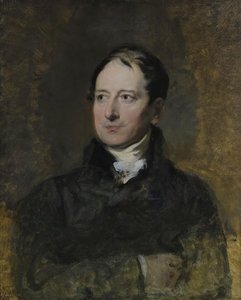
françois pascal simon gérard
1770 - 1837 , Italy
Kratke činjenice
- Artistic Movement Or Style: Neoclassicism
- Artists Who Influenced This Artist:
- Jacques-Louis David
- Jean Auguste Ingres
- Date Of Birth: May 4, 1770
- Date Of Death: January 11, 1837
- Full Name: François Pascal Simon Gérard
- Nationality: French
- Notable Artworks:
- Portrait of Madame Charles-Louis Trudaine
- Oath of the Army
- Cupid and Psyche
- Place Of Birth: Rome, Italy

