

 Pregledaj u prostoru
 Pošalji
 Podeli
 Detalji o delu

 Преузми
 Slični predmeti
 Rendgenski snimak
 Slajdovi
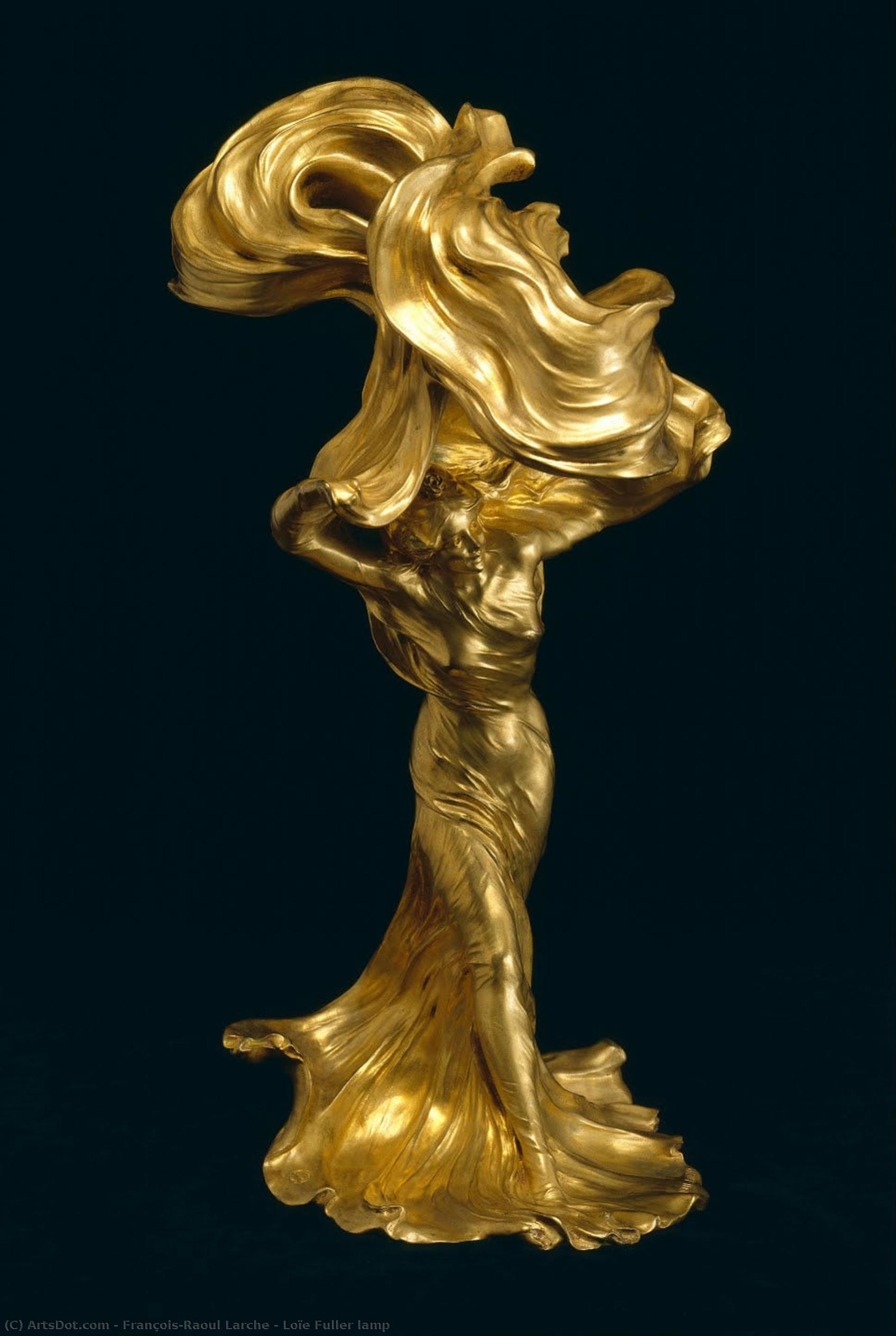
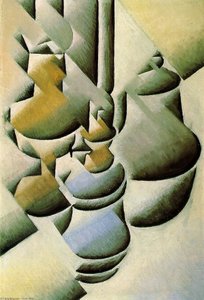
Loïe Fuller lamp
 Oil On Canvas
- WallArt
- Art Nouveau
 1900
1900- 19th Century
 230.0 x 456.0 cm
 Nacionalna galerija Australije
 Pročitaj više
Kupite digitalnu sliku visoke rezolucije i poboljšanog kvaliteta, koja je znatno superiornija od onoga što vidite u online prikazu.
Svaka datoteka je pedantno pripremljena od strane naših stručnjaka koristeći napredne alate i profesionalnu ručnu retušu. Osiguravamo da svaka slika ima izuzetnu oštrinu, preciznu reprodukciju boja i fine detalje.
Konačna datoteka se dostavlja putem e-pošte u roku od 72 sata, optimizovana za neposrednu upotrebu u profesionalnim, izdavačkim i štamparskim okruženjima. To je isti kvalitet kojem veruju vrhunski studiji dizajna, izdavači i galerije.
Digitalna slika
Preuzmite datoteku visoke rezolucije za ličnu upotrebu, štampanje i kreativne projekte. ( Kupi print Kupi ručno naslikanu sliku)
Uključeno uz svaku porudžbinu digitalne slike
Profesionalna digitalna isporuka, zagarantovana
Kada odaberete ArtsDot.com, ne dobijate samo sliku – vi primate profesionalno unapređeno digitalno umetničko delo, izrađeno sa najvećom preciznošću i uz garanciju zadovoljstva. Evo svega što automatski dolazi uz vašu porudžbinu:

Brza dostava putem e-pošte
Vaša digitalna slika visoke rezolucije biće vam poslata putem e-pošte u roku od 72 sata od poručivanja – spremna za trenutnu upotrebu.

Digitalna datoteka unapređena veštačkom inteligencijom
Vaše umetničko delo je profesionalno optimizovano korišćenjem naprednih AI alata i ručne obrade, čime se osiguravaju maksimalni detalji, oštrina i preciznost boja.

Besplatna ponovna isporuka doživotno
Slučajno ste obrisali ili izgubili svoju datoteku? Ne brinite – poslaćemo vam je ponovo u bilo kom trenutku, potpuno besplatno.

Bez troškova uvoza – zauvek
Uživajte u svojim umetničkim delima trenutno, bez carine, dažbina ili troškova dostave – digitalni download je uvek bez poreza.

Garancija vernosti boja
Uz pomoć profesionalnih alata i upravljanja bojama, osiguravamo da vaša digitalna slika što vernije odražava originalne boje.

Garancija zadovoljstva u roku od 100 dana
Ako niste zadovoljni svojom digitalnom slikom, revidirat ćemo je ili vratiti 100% novca u roku od 100 dana – bez ikakvih pitanja.

100% garancija povrata novca
Niste zadovoljni? Obezbedite pun povrat novca u roku od 100 dana od trenutka kada ste primili svoju digitalnu datoteku – bez suvišnih pitanja.

Popusti na velike porudžbine
Kupite 3 slike, uštedite 10% - Kupite 5 slika, uštedite 15% - Kupite 10+ slika, uštedite 20%. Odlično za kreativne projekte, galerije i agencije.
Srodna umetnička dela


Biografija umetnika
Walter Richard Sickert: A Shadowy Figure of London’s Modernist Scene
Walter Richard Sickert, born in Germany in 1860 and tragically passing away in 1942, remains a compellingly enigmatic figure within the annals of British art. More than just an artist, he was a keen observer of his time, a collector of moments, and a pivotal influence on the burgeoning avant-garde scene of early 20th-century London. His work, often characterized by its muted palettes, intimate portraits, and unsettlingly realistic depictions of urban life, continues to provoke discussion and debate amongst art historians today. Sickert’s career unfolded against a backdrop of rapid social change – industrialization, urbanization, and the rise of new artistic movements – shaping his unique vision and cementing his place as a key player in bridging the gap between Impressionism and Modernism.Early Life and Influences: A German Roots in London
Sickert’s early life was marked by a sense of displacement. Born to a German family, he moved to England at a young age, developing a distinctly cosmopolitan perspective that would profoundly influence his artistic approach. He received some formal training, but largely honed his skills through observation and experimentation. Crucially, Sickert's artistic development was shaped by the vibrant art world of London’s Camden Town – a district known for its bohemian atmosphere and association with artists like Whistler and Aubrey Beardsley. This environment fostered a spirit of innovation and challenged conventional artistic norms. He absorbed influences from various sources: the gritty realism of Gustave Courbet, the atmospheric landscapes of J.M.W. Turner, and the psychological intensity of Vincent van Gogh. Notably, Sickert was deeply interested in photography, frequently using photographs as source material for his paintings, a practice that would become increasingly prominent throughout his career.The Camden Town Group and a Distinctive Style
In 1889, Sickert joined the Camden Town Group, a collective of artists who sought to break away from the rigid conventions of the Royal Academy and explore new forms of representation. This group, characterized by its rejection of idealized beauty and embrace of urban subjects, provided a fertile ground for Sickert’s artistic experimentation. His style evolved over time, but consistently retained certain key elements: a preference for dark, shadowy palettes; an interest in capturing fleeting moments of everyday life; and a fascination with the darker aspects of human psychology. He was particularly drawn to scenes of London's nightlife – music halls, pubs, and back alleys – depicting them with a stark realism that often bordered on voyeurism. His paintings frequently featured prostitutes, gamblers, and other marginalized figures, offering a glimpse into the hidden underbelly of Victorian society.Major Works and Recurring Themes
Sickert’s oeuvre is remarkably diverse, encompassing portraits, landscapes, still lifes, and numerous prints. Among his most celebrated works are *Brighton Pierrots* (1890), a haunting depiction of street performers; *The Camden Town Murderers* (1893), a controversial painting that sparked considerable public outrage; and *Dancers at Vauxhall Bridge* (1896), a masterful study of movement and atmosphere. Recurring themes in his work include the transient nature of beauty, the alienation of modern life, and the exploration of human psychology. He was particularly interested in capturing the fleeting expressions on people’s faces – moments of joy, sorrow, or indifference – revealing a profound sensitivity to the nuances of human emotion. His use of light and shadow created an atmosphere of mystery and intrigue, inviting viewers to contemplate the hidden meanings beneath the surface.Legacy and Historical Significance
Walter Richard Sickert’s impact on British art is undeniable. He played a crucial role in shaping the development of Modernism, paving the way for artists like Paul Nash and Vanessa Bell. His innovative approach to subject matter, his rejection of traditional artistic conventions, and his willingness to explore uncomfortable truths established him as a pioneer of a new era in British painting. Despite the controversies surrounding some of his work – particularly the persistent rumors linking him to the Jack the Ripper murders (a theory largely dismissed by scholars) – Sickert remains a significant figure in the history of art. His paintings continue to be exhibited and studied, offering valuable insights into the social and cultural landscape of late Victorian and early 20th-century London. He left behind a body of work that is both unsettling and captivating, reflecting the complexities and contradictions of his time and continuing to challenge viewers to confront uncomfortable truths about human nature.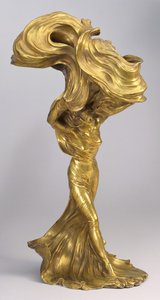
françois-raoul larche
1860 - 1912 , France
Kratke činjenice
- Artistic Movement Or Style: British Impressionism
- Artists Or Movements Influenced By This Artist: ['Post-Impressionism']
- Artists Who Influenced This Artist: ['Impressionists']
- Date Of Birth: May 31, 1860
- Date Of Death: January 22, 1942
- Full Name: Walter Richard Sickert
- Nationality: British
- Notable Artworks:
- Brighton Pierrots
- London Group
- Camden Town Group
- Place Of Birth: Berlin, Germany