

 Pošalji
 Podeli
 Detalji o delu

 Преузми
 Slični predmeti
 Slajdovi
Departure of the Volunteers of 1792 (The marseillaise)


 Pročitaj više
Kupite digitalnu sliku visoke rezolucije i poboljšanog kvaliteta, koja je znatno superiornija od onoga što vidite u online prikazu.
Svaka datoteka je pedantno pripremljena od strane naših stručnjaka koristeći napredne alate i profesionalnu ručnu retušu. Osiguravamo da svaka slika ima izuzetnu oštrinu, preciznu reprodukciju boja i fine detalje.
Konačna datoteka se dostavlja putem e-pošte u roku od 72 sata, optimizovana za neposrednu upotrebu u profesionalnim, izdavačkim i štamparskim okruženjima. To je isti kvalitet kojem veruju vrhunski studiji dizajna, izdavači i galerije.
Digitalna slika
Preuzmite datoteku visoke rezolucije za ličnu upotrebu, štampanje i kreativne projekte. ( Kupi print Kupi ručno naslikanu sliku)
Uključeno uz svaku porudžbinu digitalne slike
Profesionalna digitalna isporuka, zagarantovana
Kada odaberete ArtsDot.com, ne dobijate samo sliku – vi primate profesionalno unapređeno digitalno umetničko delo, izrađeno sa najvećom preciznošću i uz garanciju zadovoljstva. Evo svega što automatski dolazi uz vašu porudžbinu:

Brza dostava putem e-pošte
Vaša digitalna slika visoke rezolucije biće vam poslata putem e-pošte u roku od 72 sata od poručivanja – spremna za trenutnu upotrebu.

Digitalna datoteka unapređena veštačkom inteligencijom
Vaše umetničko delo je profesionalno optimizovano korišćenjem naprednih AI alata i ručne obrade, čime se osiguravaju maksimalni detalji, oštrina i preciznost boja.

Besplatna ponovna isporuka doživotno
Slučajno ste obrisali ili izgubili svoju datoteku? Ne brinite – poslaćemo vam je ponovo u bilo kom trenutku, potpuno besplatno.

Bez troškova uvoza – zauvek
Uživajte u svojim umetničkim delima trenutno, bez carine, dažbina ili troškova dostave – digitalni download je uvek bez poreza.

Garancija vernosti boja
Uz pomoć profesionalnih alata i upravljanja bojama, osiguravamo da vaša digitalna slika što vernije odražava originalne boje.

Garancija zadovoljstva u roku od 100 dana
Ako niste zadovoljni svojom digitalnom slikom, revidirat ćemo je ili vratiti 100% novca u roku od 100 dana – bez ikakvih pitanja.

100% garancija povrata novca
Niste zadovoljni? Obezbedite pun povrat novca u roku od 100 dana od trenutka kada ste primili svoju digitalnu datoteku – bez suvišnih pitanja.

Popusti na velike porudžbine
Kupite 3 slike, uštedite 10% - Kupite 5 slika, uštedite 15% - Kupite 10+ slika, uštedite 20%. Odlično za kreativne projekte, galerije i agencije.
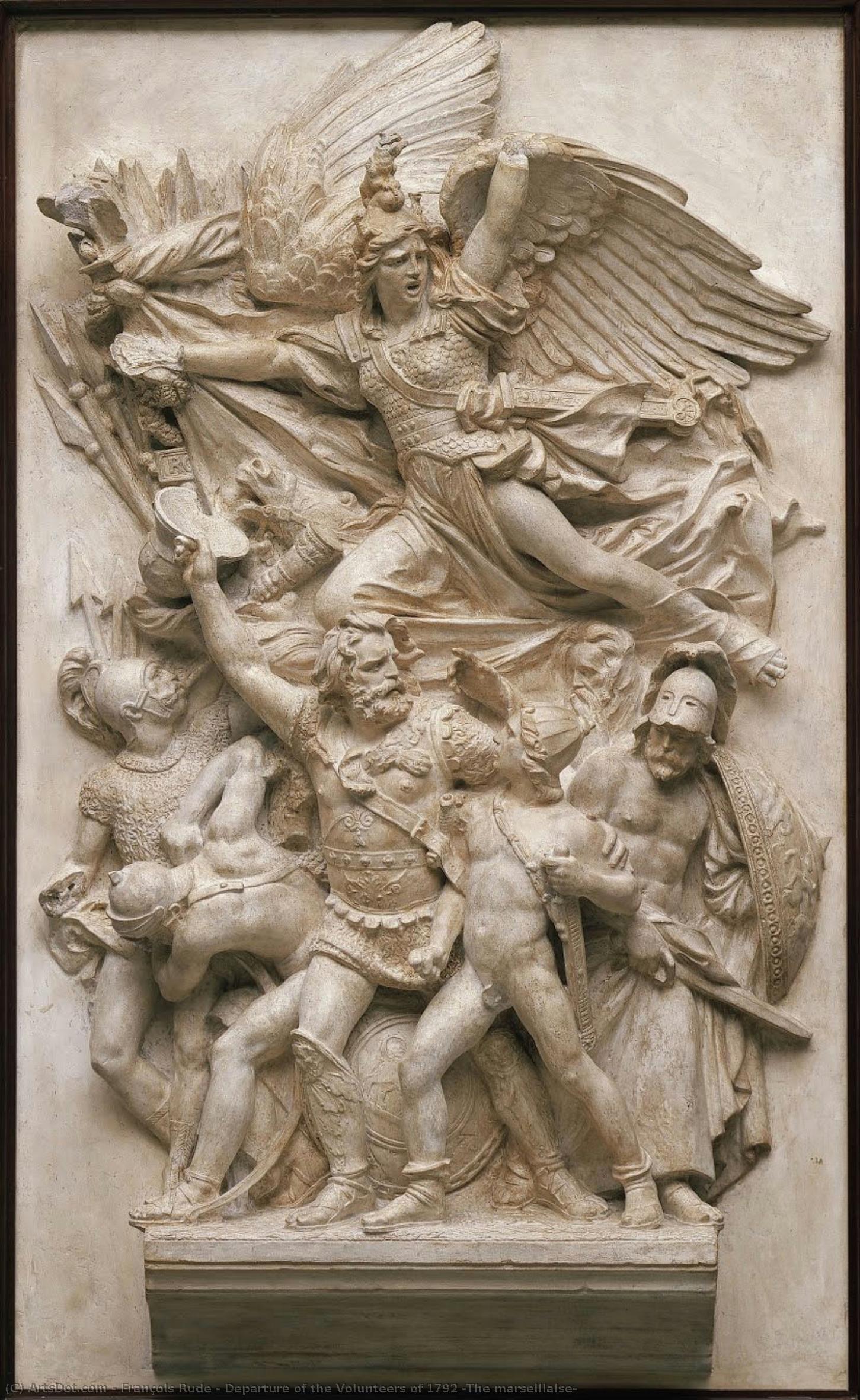
Departure of the Volunteers of 1792 (The Marseillaise)
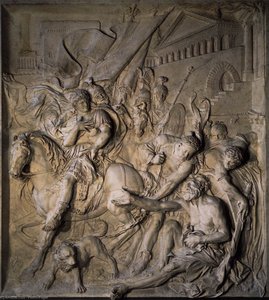
François Rude’s monumental sculpture *La Marseillaise*, commemorating France's first citizen army, stands as an enduring emblem of revolutionary fervor and artistic triumph. Created in 1835-36 during Louis-Philippe’s reign—a period marked by cautious optimism after Napoleon’s downfall—the artwork embodies the spirit of Romantic idealism while firmly rooted in Classical allegory. Its impact on Parisian public space remains palpable, serving as a powerful reminder of France's struggle for liberty and self-determination.- Subject Matter: The sculpture depicts a dramatic scene capturing the departure of volunteers from Paris to defend the Republic against Prussian aggression. It portrays a diverse group of men—ranging from youthful idealists to seasoned veterans—united under the banner of Liberty, personified as a formidable warrior woman.
- Style & Technique: Rude’s masterful execution demonstrates his command of terracotta sculpture, utilizing a technique that blends realism with idealized form. The sculptor meticulously crafted each figure, capturing nuanced expressions and poses that convey both determination and vulnerability. The monumental scale of the piece—approximately 27 ½ × 19 × 4 ¾ inches—further amplifies its visual impact.
- Historical Context: *La Marseillaise* emerged from a pivotal moment in French history, coinciding with the completion of the Arc de Triomphe and Louis-Philippe’s ascension to the throne. The sculpture reflects the anxieties surrounding Napoleon's return and the desire for stability amidst turbulent political currents.
- Symbolism: Rude skillfully employed Classical symbolism to convey profound ideas about liberty and patriotism. The warrior woman embodies courage and resilience, while her wings symbolize divine support and aspiration. The Phrygian cap—a symbol of freed slaves in ancient Rome—represents the triumph of republican ideals over tyranny.
- Emotional Impact: Viewing *La Marseillaise* evokes a visceral response to its depiction of heroic struggle and unwavering conviction. Its grandeur inspires contemplation on themes of courage, sacrifice, and the enduring pursuit of freedom—themes that continue to resonate with audiences today.
- Smarthistory: https://smarthistory.org/rude-la-marseillaise/
- Detroit Institute of Arts: https://dia.org/collection/departure-volunteers-of-1792-the-marseillaise-93527
- Wikipedia: https://en.wikipedia.org/wiki/Fran%C3%A7ois_Rude
Srodna umetnička dela
Biografija umetnika
Early Life and Training
- François Rude was born in Dijon, France, on January 4, 1784, the son of a coppersmith/locksmith.
- His early life involved assisting his father's trade before demonstrating artistic talent.
- He attended François Devosges’s École de Dessin in Dijon, showcasing his burgeoning skills.
- Under the patronage of Louis Frémiet, he began studying with Pierre Cartellier in Paris at the studio of Edme Gaulle in 1805.
- In 1809, his work started gaining recognition, earning him several awards.
- He won the Prix de Rome in 1812 but was unable to travel due to political conditions.
Brussels Period and Marriage
- In 1815, Rude left Paris for Rome but ended up in Brussels with the Frémiets due to political circumstances.
- He married Sophie Frémiet, an accomplished painter, forming a formidable artistic partnership.
- While in Brussels, he executed his first bust of Louis David, gaining significant notice.
Return to Paris and Major Works
- Rude and his wife returned to Paris in 1827, where they remained until his death.
- His notable works include the statue of a Neapolitan Fisherboy Playing with a Tortoise (1831-33), displayed at the Louvre.
- He was commissioned for the Arc de Triomphe, creating the iconic sculpture "La Marseillaise" (Departure of the Volunteers of 1792) completed in 1836. This is arguably his most famous and significant work.
- Other important sculptures include:
- Bust of Jacques-Louis David
- Statue of Maurice, Count of Saxony
- Head of Christ (plaster cast)
- Bust of James de Montry
- Towards the end of his career, Dijon commissioned a marble sculpture depicting Hebe, the Greek goddess of youth. Rude created the model in 1852 but died before its completion; his nephew finished it.
Style and Influences
- Rude's style bridged Neoclassicism and Romanticism.
- While initially influenced by Neoclassical principles, he increasingly embraced a dynamic and emotional style.
- His work often expressed patriotic themes, reflecting the political climate of his time.
- He was influenced by earlier sculptors like Pierre Cartellier and Edme Gaulle.
- The patronage of Louis Frémiet played a crucial role in his early development.
Later Life and Legacy
- François Rude died on November 3, 1855, in Paris.
- He is remembered for his powerful and expressive sculptures, particularly "La Marseillaise," which remains a symbol of French national identity.
- His work represents a transition from the rigid formality of Neoclassicism to the more emotive and dramatic style of Romanticism.
- Numerous busts and casts of his works are housed in museums such as Musée Rude, Musée des Beaux-Arts de Dijon, and the Louvre.
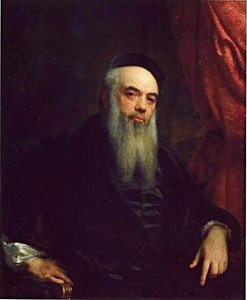
françois rude
1784 - 1855 , France
Kratke činjenice
- Artistic Movement Or Style: Neoclassicism & Romanticism
- Artists Who Influenced This Artist:
- Edme Gaulle
- Pierre Cartellier
- Date Of Birth: January 4, 1784
- Date Of Death: November 3, 1855
- Full Name: François Rude
- Nationality: French
- Notable Artworks:
- La Marseillaise
- Napoleon Rising to Immortality
- Head of an Ancient Warrior
- Place Of Birth: Dijon, France