

 Pregledaj u prostoru
 Pošalji
 Podeli
 Detalji o delu

 Преузми
 Slični predmeti
 Rendgenski snimak
 Slajdovi
 Stats
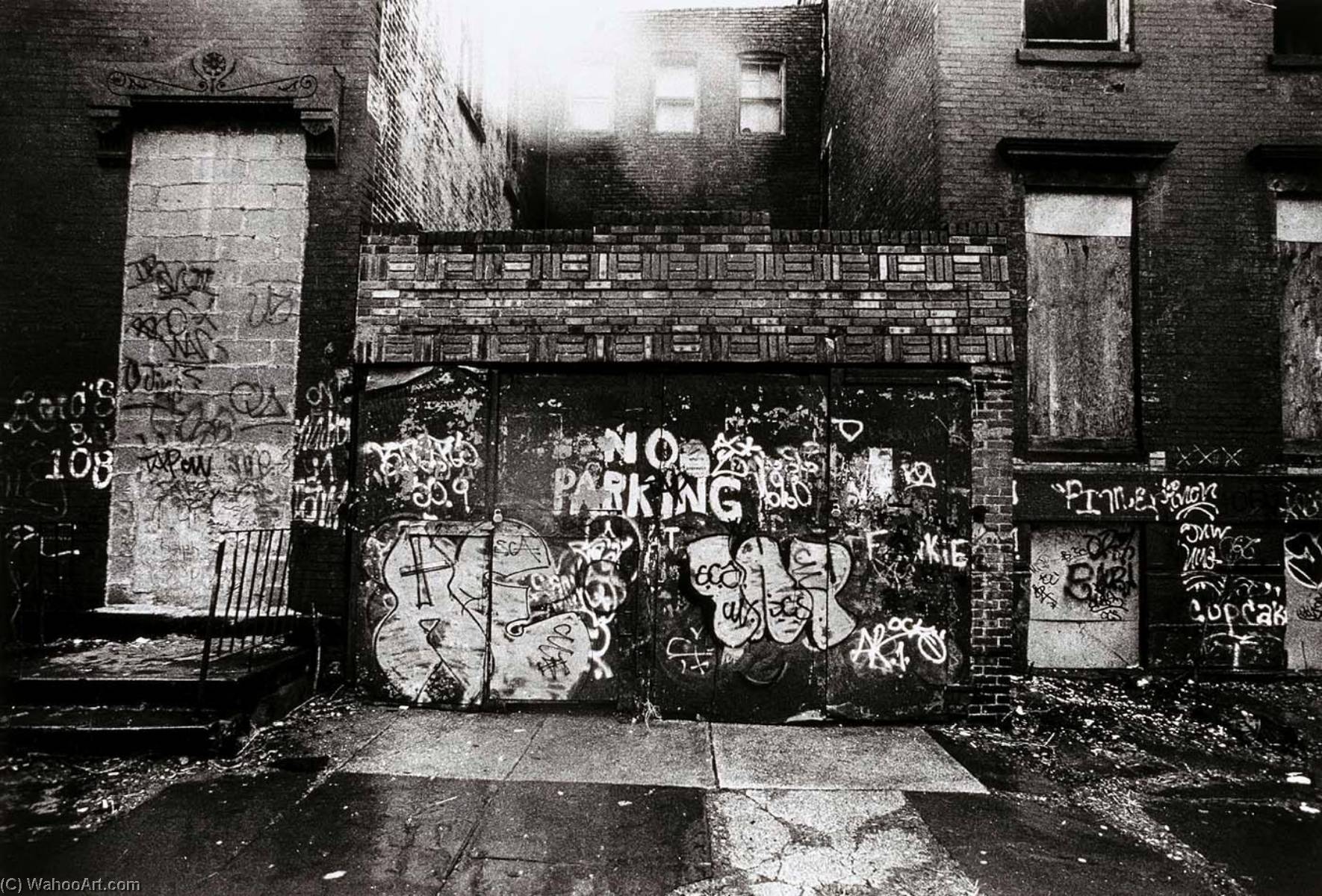
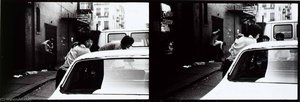
StatsNo Parking (Williamsburg, Brooklyn)
 Contemporary Realism
 1995
1995 34.0 x 51.0 cm
 Pročitaj više
Ručno rađena uljana reprodukcija
Ručno oslikano uljanim bojama na platnu u dimenzijama i okviru po vašem izboru, izrađeno po porudžbini od strane naših umetnika. ( Switch to Print Switch to Digital Image)




































Izaberite jednu od naših unapred definisanih veličina koje odgovaraju originalnim proporcijama umetničkog dela.

Можете унети сопствене димензије како бисте прилагодили дело одређеном оквиру или простору. Ако одабрана величина не одговара пропорцијама оригинала, слика ће бити исечена или проширена додатним елементима који се ручно насликавају. Дигитални prikaz ће вам бити послат на одобрење пре почетка производње.
Имајте на уму да преглед на екрану не одражава стварно исецање или проширење. Само приказ (mockup) ће тачно приказати коначну композицију.
Иако су доступне прилагођене величине, препоручујемо да одаберете димензију из дефинисане листе како бисте сачували оригиналне пропорције.
Nakon narudžbine, tim ArtsDot.com će klijentu putem e-pošte poslati uputstva i dostaviti prikaz predloženog rešenja
Isporuka širom sveta () za 3/4 nedelje umesto uobičajenih 5 nedelja. (8 септембар). Bez kompromisa po pitanju kvaliteta.

Besplatna ekspresna dostava širom sveta

Visokokvalitetno laneno platno

Kompletno osiguranje transporta

Garancija povraćaja carine i uvoznih dažbina

Garancija vernosti boja

Politika povraćaja u roku od 100 dana (isključivo u slučaju nedostataka)

Garancija povrata novca od 100%

Popust pri grupnoj kupovini
 Opcija sa staklom dostupna je samo za dimenzije manje od 110 cm

No Parking (Williamsburg, Brooklyn)
Tehnika reprodukcije
Dimenzije reprodukcije
-


Konačna cena
$ 263
Srodna umetnička dela


Biografija umetnika
The Lens of Resilience: The Life and Legacy of Frank Espada
In the bustling, often overlooked corners of New York City’s history, few figures captured the pulse of urban struggle and triumph as intimately as Francisco Luis Espada Roig. Known to the world as Frank Espada, this Puerto Rican-born photojournalist did not merely observe the streets; he lived them, documenting the profound textures of the human experience through a lens shaped by activism and empathy. Born in 1930 in Utuado, Puerto Rico, Espada’s early years were steeped in a deep connection to his heritage—a foundation that would later allow him to navigate the complex social landscapes of the Bronx, Harlem, and beyond with unparalleled sensitivity. His journey from the lush landscapes of Puerto Rico to the concrete canyons of New York City was more than a migration; it was the beginning of a lifelong mission to give a visual voice to the marginalized.
Espada’s artistic development was inextricably linked to his personal evolution as a citizen and an advocate. After serving in the United States Air Force during the Korean War, he pursued formal training at the New York Institute of Photography, honing a technical precision that would serve his documentary goals. However, it was his legal background—having earned a Juris Doctorate from Northeastern University—that provided him with a unique vantage point. As a specialist in tenant law, Espada witnessed the systemic inequities and the fight for housing justice firsthand. This dual identity as both a legal defender of the vulnerable and a visual chronicler allowed him to approach his subjects not as mere specimens of poverty or decay, but as protagonists in an ongoing struggle for dignity and civil rights.
A Visual Chronicle of the Diaspora
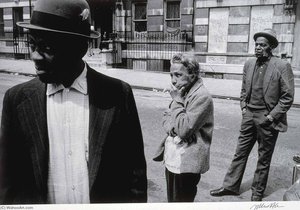
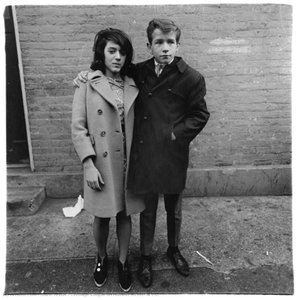
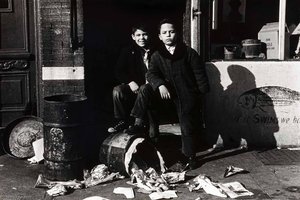
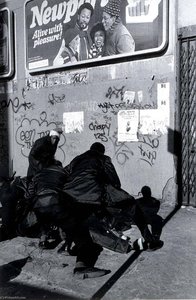
The work of Frank Espada is characterized by a profound sense of social realism. He did not seek out the spectacular or the staged; instead, he found greatness in the mundane and the monumental in the everyday. His photography often focused on the Puerto Rican diaspora, capturing the nuances of community life amidst the backdrop of urban change. Through his lens, we see the quiet strength of mothers, the unbrid/unbridled joy of children playing in Long Island City, and the gritty reality of graffiti-laden streets in Williamsburg. His ability to find beauty within decay—what many scholars call urban resilience—is perhaps his greatest technical and emotional achievement.
His photographic oeuvre is marked by several defining characteristics:
- The Power of Black and White: By utilizing monochrome tones, Espada stripped away the distractions of color to focus on contrast, texture, and the raw emotion of his subjects.
- Documentary Authenticity: His work avoids the voyeuristic; instead, it feels like an invitation into a community, often captured through his involvement with grassroots organizations like East New York Action.
- Narrative Depth: Each image, such as his poignant Man with Flag or his studies of youth in Hartford, tells a larger story of patriotism, struggle, and the search for identity within the American landscape.
Historical Significance and Lasting Impact
Frank Espada’s contribution to the history of American photojournalism lies in his ability to bridge the gap between art and activism. He was not a detached observer but an active participant in the movements he documented. His photographs serve as vital historical archives, preserving the faces and places of a New York City that has been irrevocably transformed by time. The presence of his work in prestigious institutions like the Smithsonian American Art Museum and the National Gallery of Art underscores his importance not just as a local chronicler, but as a significant figure in the broader canon of American documentary art.
Ultimately, the legacy of Frank Espada is one of visibility. He used the camera to ensure that the struggles of the underserved were seen, heard, and remembered. His life, spanning from the mountains of Puerto Rico to the heart of the Civil Rights Movement in America, remains a testament to the power of the visual narrative to foster empathy and inspire social change. Through his work, the ephemeral moments of urban life are granted a permanent, dignified existence, reminding us that even in the midst of hardship, there is an enduring spirit of resilience.
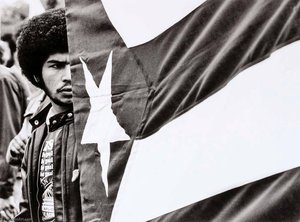
frank espada
1930 - 2014
Osnovne informacije
- Artistic Movement Or Style: Street Portrait Artist
- Artists Or Movements Influenced By This Artist: ['Social Realism']
- Artists Who Influenced This Artist: ['Edward Hopper']
- Date Of Birth: December 21, 1930
- Date Of Death: February 16, 2014
- Full Name: Francisco Luis Espada Roig
- Nationality: Puerto Rican
- Notable Artworks: ['Untitled Street Portrait']
- Place Of Birth: Utuado, Puerto Rico
Povezani članci
Beyond Graffiti: Exploring the Evolution & Cultural Impact of Street Art for Collectors
Explore the evolution of street art from rebellious origins to a respected fine art form. Discover key artists like Banksy & learn how to collect urban art with confidence. Expert insights for discerning investors.
Witnessing History Through Lens & Light: Documentary Photography's Enduring Legacy
Explore the powerful history of documentary photography – from its origins to contemporary masters like Gordon Parks & W. Eugene Smith. Discover how this art form shapes our understanding of society and witness pivotal moments in time.
Beyond the Lens: Photography's Enduring Influence on Modern & Contemporary Art
Explore photography's pivotal role in shaping modern & contemporary art. Discover key movements, influential artists like Stieglitz, and expert collecting advice from ArtsDot.

Monochrome Visions: Exploring the Aesthetic & Historical Significance of Black & White Photography
Explore the rich history & artistic power of black and white photography. From early techniques to iconic masters like Ansel Adams, discover why monochrome continues to captivate art lovers today. Expert insights for collectors.

Pictorialism: A Search for Artistic Photography's Soul – Aesthetics, Techniques & Legacy
Explore the captivating world of Pictorialism – a pivotal movement that transformed photography into fine art. Discover key artists like Stieglitz & Käsebier, techniques, and collecting tips from experts.