

 Pregledaj u prostoru
 Pošalji
 Podeli
 Detalji o delu

 Преузми
 Slični predmeti
 Rendgenski snimak
 Slajdovi
 Stats
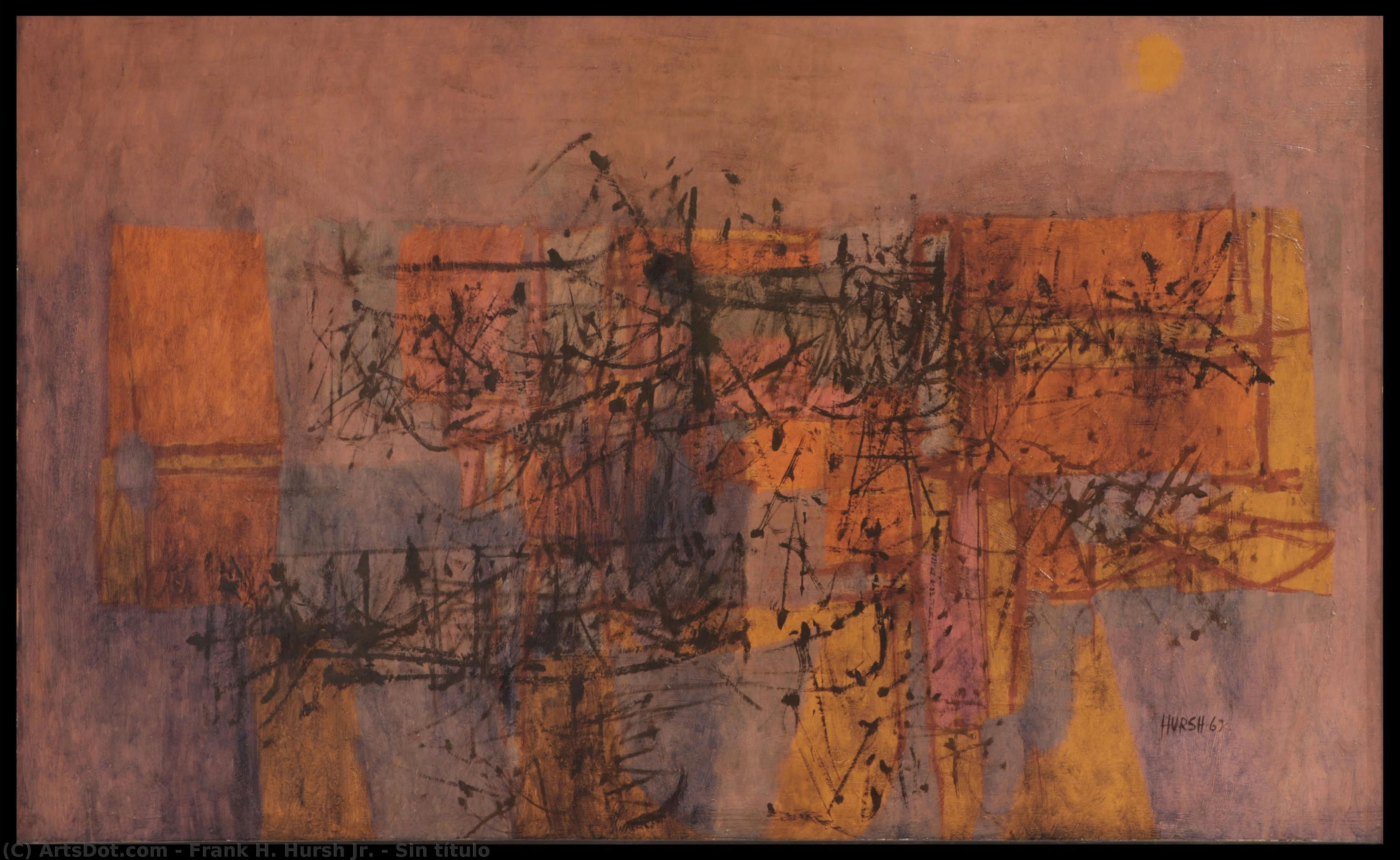
StatsSin título
 1962
1962 60.0 x 106.0 cm
 Museum of Contemporary Art Querétaro
 Pročitaj više
Ručno rađena uljana reprodukcija
Ručno oslikano uljanim bojama na platnu u dimenzijama i okviru po vašem izboru, izrađeno po porudžbini od strane naših umetnika. ( Switch to Print Switch to Digital Image)




































Izaberite jednu od naših unapred definisanih veličina koje odgovaraju originalnim proporcijama umetničkog dela.

Можете унети сопствене димензије како бисте прилагодили дело одређеном оквиру или простору. Ако одабрана величина не одговара пропорцијама оригинала, слика ће бити исечена или проширена додатним елементима који се ручно насликавају. Дигитални prikaz ће вам бити послат на одобрење пре почетка производње.
Имајте на уму да преглед на екрану не одражава стварно исецање или проширење. Само приказ (mockup) ће тачно приказати коначну композицију.
Иако су доступне прилагођене величине, препоручујемо да одаберете димензију из дефинисане листе како бисте сачували оригиналне пропорције.
Nakon narudžbine, tim ArtsDot.com će klijentu putem e-pošte poslati uputstva i dostaviti prikaz predloženog rešenja
Isporuka širom sveta () za 3/4 nedelje umesto uobičajenih 5 nedelja. (8 септембар). Bez kompromisa po pitanju kvaliteta.

Besplatna ekspresna dostava širom sveta

Visokokvalitetno laneno platno

Kompletno osiguranje transporta

Garancija povraćaja carine i uvoznih dažbina

Garancija vernosti boja

Politika povraćaja u roku od 100 dana (isključivo u slučaju nedostataka)

Garancija povrata novca od 100%

Popust pri grupnoj kupovini
 Opcija sa staklom dostupna je samo za dimenzije manje od 110 cm

Sin título
Tehnika reprodukcije
Dimenzije reprodukcije
-


Konačna cena
$ 263
Srodna umetnička dela










Biografija umetnika
A Life Drenched in Dots: The Enduring Vision of Yayoi Kusama
Born in Matsumoto, Japan, on March 22, 1929, Yayoi Kusama’s life has been a testament to the power of confronting personal demons through art. From an early age, she experienced vivid hallucinations – fields of dots, pulsating lights, and recurring patterns – that profoundly shaped her artistic trajectory. Initially dismissed as eccentric, these experiences became not obstacles but essential components of her creative process, fueling a lifelong obsession with repetition, infinity, and the exploration of the self. Kusama’s journey to becoming one of the world's most celebrated contemporary artists was marked by periods of struggle, including mental health challenges and a difficult family life, yet she consistently channeled these difficulties into works that resonate deeply with audiences worldwide.
Kusama’s formal artistic training was limited. After briefly studying at Kyoto City Specialist School of Arts in 1948-49, she moved to New York City in 1957, seeking a new beginning and a chance to pursue her artistic ambitions independently. This period proved pivotal, exposing her to the burgeoning avant-garde scene of the late 1950s and early 1960s, including figures like Andy Warhol and Jackson Pollock. Initially working as a fashion designer for esteemed brands such as Victor Klein and Oleg Cassini, Kusama’s artistic voice began to emerge through performance art and installations. Her early performances, often involving the application of polka dots to nude participants – a direct reflection of her hallucinations – garnered attention and controversy, establishing her as a provocative and unconventional artist.
The Rise of Polka Dots and Infinity Rooms
The 1960s witnessed the solidification of Kusama’s signature style: the obsessive use of polka dots. These weren't merely decorative elements; they represented an attempt to capture and control her recurring hallucinations, transforming a personal struggle into a universal visual language. She began creating large-scale paintings featuring endless repetitions of these dots, exploring themes of infinity, time, and the limitations of perception. Simultaneously, she developed her iconic “Infinity Mirror Rooms,” immersive installations that create the illusion of boundless space through mirrored surfaces and strategically placed lights. These rooms offer viewers a disorienting yet profoundly moving experience, prompting contemplation on the nature of reality and the self.
Kusama’s work during this period was largely overlooked by the mainstream art world. Following a period of relative obscurity in the 1970s, her career experienced a remarkable resurgence in the 1980s, fueled by renewed interest in feminist art and conceptual practices. Collectors began to recognize the unique vision and technical mastery behind her work, leading to increased exhibitions and critical acclaim. Her influence extended beyond the art world, impacting fashion, design, and popular culture. Kusama’s distinctive aesthetic has been embraced by brands like Louis Vuitton and Uniqlo, further cementing her status as a global icon.
Themes of Obsession, Self-Portraiture, and Psychological Exploration
At the heart of Kusama's oeuvre lies a profound exploration of psychological themes. Her art is deeply autobiographical, serving as a means of confronting personal anxieties, fears, and obsessive tendencies. The repetition of patterns—polka dots, nets, pumpkins—represents an attempt to impose order on chaos, to contain and control her internal world. Her work frequently functions as a form of self-portraiture, visually articulating the experience of living with mental illness and the struggle for self-acceptance.
The recurring motif of the pumpkin is particularly significant. Initially introduced in the 1960s, it has evolved into one of Kusama’s most recognizable symbols, representing both vulnerability and resilience. The sheer number of pumpkins she creates—often thousands—underscores her relentless dedication to her artistic practice and her determination to overcome personal challenges. Her art is not simply decorative; it's a deeply introspective meditation on the human condition.
Legacy and Critical Acclaim
Today, Yayoi Kusama stands as one of the most influential and commercially successful contemporary artists of our time. Her work has been exhibited in major museums around the world, including the Museum of Modern Art (MoMA) in New York, the Tate Modern in London, and the Centre Pompidou in Paris. She continues to create new works at an astonishing pace, demonstrating a remarkable vitality and unwavering commitment to her artistic vision.
Kusama’s impact extends far beyond the art world. Her work has inspired countless artists, designers, and creatives, and her distinctive aesthetic has permeated popular culture. She is celebrated not only for her innovative techniques and captivating imagery but also for her courage in confronting personal struggles and transforming them into a powerful source of artistic expression. Yayoi Kusama’s legacy is one of resilience, creativity, and the enduring power of art to heal and transform.

frank h. hursh jr.
1929 - , United States of America
Osnovne informacije
- Artistic Movement Or Style:
- Minimalism
- Pop art
- Artists Or Movements Influenced By This Artist: ['Conceptual art']
- Artists Who Influenced This Artist:
- Andy Warhol
- Claes Oldenburg
- Date Of Birth: March 22, 1929
- Full Name: Yayoi Kusama
- Nationality: Japanese
- Notable Artworks:
- Infinity Mirrored Room
- Pumpkin
- Grand Orgy
- Place Of Birth: Matsumoto, Japan