

 Pregledaj u prostoru
 Pošalji
 Podeli
 Detalji o delu

 Преузми
 Slični predmeti
 Rendgenski snimak
 Slajdovi
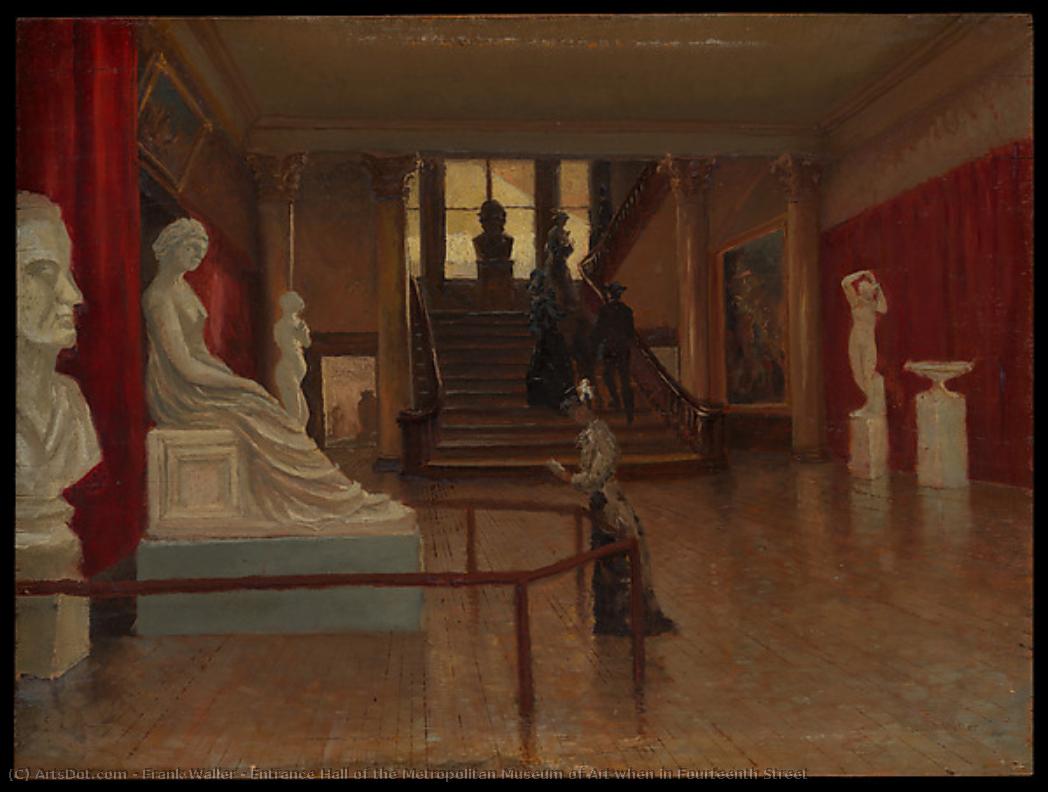
Entrance Hall of the Metropolitan Museum of Art when in Fourteenth Street
 Oil On Canvas
- WallArt
- Realism
 1881
1881- 19th Century
 31.0 x 41.0 cm
 Metropolitan Museum of Art
 Pročitaj više
Giclee štampa / Umetnički otisak
Giclée štampa ili print na platnu muzejskog kvaliteta uz brzu proizvodnju i fleksibilne opcije završne obrade. ( Kupi ručno naslikanu sliku Kupi digitalnu sliku)




P118B $10

P118H $10

P118W $10

P438Z $10

P508JH $12

P508YH $12

P805H $10

P805Z $10

P919BZ $10

P919G $10

P919XJ $10

P959ZH $10

P968JZ $12

W106C $8

W218G $10

W218JH $8

W218Y $10

W307PJ $10

W316G $10

W316PJ $8

W316Y $10

W398PJ $8

W4111J $10

W500HY $15

W500JH $15

W692G $12

W849H $8

W940BG $15

W953PJ $8




Izaberite jednu od naših unapred definisanih veličina koje odgovaraju originalnim proporcijama umetničkog dela.

Možete uneti sopstvene dimenzije kako biste umetničko delo prilagodili specifičnom okviru ili prostoru. Ako odabrani format ne odgovara proporcijama originalne slike, mi ćemo ili iscrtati deo dela ili proširiti sliku pomoću ogledane ivice ili jednobojnog popunjavanja. Digitalni prikaz će vam biti poslat na odobrenje pre početka proizvodnje.
Imajte na umu da pregled na ekranu ne odražava stvarno iscrtavanje ili proširivanje. Samo će prikaz (mockup) precizno pokazati finalnu kompoziciju.
Iako su prilagođene dimenzije dostupne, preporučujemo da odaberete dimenziju sa unapred definisane liste kako biste očuvali originalne proporcije.
Dostava širom sveta () za 2 nedelje umesto uobičajenih 4/5 nedelja. (3 септембар)

Besplatna ekspresna dostava širom sveta

Visokokvalitetno laneno platno

Kompletno osiguranje transporta

Garancija povraćaja carine i uvoznih dažbina

Garancija vernosti boja

Politika povrata u roku od 60 dana (samo u slučaju nedostataka)

Garancija povrata novca od 100%

Popust pri grupnoj kupovini
 Opcija sa staklom dostupna je samo za dimenzije manje od 110 cm

Entrance Hall of the Metropolitan Museum of Art when in Fourteenth Street
Giclee štampa / Umetnički otisak
Dimenzije reprodukcije
-


Konačna cena
$ 62
A Glimpse of Early Majesty: Waller’s Vision for The Met
Frank Waller's “Entrance Hall of the Metropolitan Museum of Art when in Fourteenth Street” isn’t merely a depiction of a museum space; it’s a carefully constructed tableau of ambition, cultural aspiration, and the nascent pride of a young nation. Painted in 1881, this oil on canvas transports us back to The Met's formative years – a time when the institution was still establishing its identity and solidifying its role as a cornerstone of American art and scholarship. Waller, an architect deeply invested in the educational mission of museums, sought to capture not just the physical architecture but also the *feeling* of encountering such a monumental space for the first time. The scene unfolds within the Douglas Mansion, then serving as The Met’s temporary home, a period brimming with experimentation and a palpable sense of building towards something grander.
The painting immediately establishes a feeling of controlled elegance. Waller masterfully employs atmospheric perspective – the subtle shift in color and detail as objects recede into the distance – to create an illusion of immense depth within the hall. The sweeping staircase, rendered with meticulous attention to form and light, draws the eye upwards, inviting the viewer to ascend into the museum’s heart. The diffused natural light filtering through the large windows contributes significantly to this sense of spaciousness, bathing the scene in a soft, almost reverent glow. It's a deliberate choice, suggesting an atmosphere conducive to contemplation and appreciation of art.
A Symphony of Classical Detail: Technique and Composition
Waller’s technique is characterized by a remarkable blend of realism and impressionism. He meticulously observes the details – the texture of the wooden floorboards, the folds in the drapery, the subtle expressions on the faces of the visitors – yet simultaneously employs loose brushstrokes and a muted color palette to evoke a sense of atmosphere and mood. The composition is carefully balanced, with the central focus firmly placed on William Wetmore Story’s “Polyxena,” a Roman sculpture depicting the daughter of Achilles, prominently displayed for viewing by museum patrons. The placement of the woman consulting the guidebook anchors the scene, highlighting the active engagement between art and audience.
Notice how Waller utilizes lines to define architectural elements – the straight edges of the windows, the geometric forms of the sculptures, and the precise angles of the staircase. These linear structures provide a sense of order and stability within the composition, contrasting subtly with the softer, more atmospheric rendering of light and shadow. The brushwork itself is deliberately textured, adding a tactile quality to the painting and reinforcing the impression of a richly detailed environment.
Symbolism and the American Spirit
Beyond its technical merits, “Entrance Hall” carries significant symbolic weight. The inclusion of “Polyxena,” a classical sculpture deeply rooted in Roman mythology, speaks to America’s fascination with antiquity and its desire to emulate the achievements of past civilizations. Waller's decision to depict this particular artwork underscores the museum’s commitment to preserving and celebrating Western artistic heritage. The presence of the woman studying the guidebook represents the burgeoning interest in art education within American society – a key element of Waller’s own advocacy for museums as centers of learning.
Furthermore, the scene embodies the spirit of progress and optimism characteristic of late 19th-century America. The grand scale of the hall, combined with the attentive engagement of its visitors, suggests a nation confident in its future and eager to embrace the transformative power of art and culture. Waller’s painting serves as a visual testament to this burgeoning sense of national identity.
A Timeless Masterpiece: Reproduction and Legacy
Reproduced faithfully today, “Entrance Hall of the Metropolitan Museum of Art when in Fourteenth Street” remains a captivating window into a pivotal moment in American art history. Its enduring appeal lies not only in its technical brilliance but also in its ability to evoke a powerful emotional response – a sense of wonder, curiosity, and appreciation for the beauty and significance of artistic creation. This artwork offers a unique glimpse into the early days of one of the world’s leading museums, reminding us of the vital role that institutions like The Met play in shaping our understanding of the past and inspiring our vision for the future.
Srodna umetnička dela





Biografija umetnika
american architect, orientalist, and landscape painter (1842-1923)
in the realm of american art, few names shine as brightly as frank waller (painter), a multifaceted artist whose contributions to architecture, orientalism, and landscape painting are undeniable. born in 1842 in new york city and passing away in morristown, nj in 1923, waller's life was a testament to his passion for the arts.early life and education
waller's artistic journey began with the study of commercial art at the new york free academy from 1857 to 1861. this foundational education laid the groundwork for his future endeavors. he first exhibited his work at the national academy of design in 1870, marking the beginning of a prolific career.european influences and architectural pursuits
undertaking a study trip to europe, waller spent time in rome, studying under john gadsby chapman. this exposure broadened his artistic horizons, influencing his later work. initially, he worked as an architect from 1885 and was a member of the architectural league of new york, reflecting his diverse skill set.landscape painting and legacy
from 1895 until his death in 1923, waller dedicated himself to landscape painting. this period saw the creation of numerous pieces, including entrance hall of the metropolitan museum of art when in fourteenth street, a testament to his skill in capturing the essence of new york city's architectural landmarks.- notable works:
- entrance hall of the metropolitan museum of art when in fourteenth street (the metropolitan museum of art, new york, united states)
- other notable pieces include studies from nature and landscapes reflecting his deep connection with the american landscape.
- influences:
- european art movements
- orientalism
- american architectural styles
- museums and collections:
- the metropolitan museum of art, new york, united states
- other institutions holding his works include the smithsonian american art museum, washington, united states.
conclusion
frank waller (painter) leaves behind a legacy that is as multifaceted as the man himself. from his architectural beginnings to his eventual dedication to landscape painting, each piece serves as a window into the soul of america during its most formative years.- explore more of frank waller's works on ArtsDot.
- discover other american artists and their contributions to the art world through ArtsDot's artist directory.
frank waller (painter)
1842 - 1923 , United States of America
Osnovne informacije
- Artistic Movement Or Style: Orientalism, Landscape painting
- Artists Or Movements Influenced By This Artist: ['European art movements']
- Artists Who Influenced This Artist: ['John Gadsby Chapman']
- Date Of Birth: June 12, 1842
- Date Of Death: March 9, 1923
- Full Name: Frank Waller
- Nationality: American
- Notable Artworks:
- Entrance Hall of the Metropolitan Museum of Art when in Fourteenth Street
- Egyptian Life
- Place Of Birth: New York City, United States
Povezani članci
Harmonizacija Kontrasta: Integracija Apstraktne Umetnosti u Klasične Enterijere za Vječnu Modernost
Откријте тајне хармонизовања класичних ентеријера и апстрактне уметности! Ексклузивни савети професионалних дизајнера за луксузан, безвременски стил. Инспиришите се и трансформишите ваш дом!

The Enduring Legacy of Oil on Canvas: Technique, History & Aesthetic Impact
Explore the rich history & techniques of oil painting – from Renaissance masters to Impressionism. Discover pigments, layering methods, and why this timeless medium endures. Expert insights for artists & art enthusiasts.

Oil on Canvas: A Historical & Technical Exploration of a Timeless Artistic Medium
Explore the rich history & enduring techniques of oil painting on canvas. Discover the science behind its longevity, conservation practices, and contemporary relevance. Expert insights for art enthusiasts.
Neo-Classicism's Greatest Hits: 10 Masterpieces for Your Home |
Journey through Neo-Classicism's finest! Explore 10 iconic masterpieces by David, Ingres & Canova. Discover art history, techniques & timeless beauty – perfect for inspiring your home decor. Find museum-quality reproductions at

Oil on Board Masters: 10 Paintings That Redefined Art | ArtsDot
Explore 10 legendary 'Oil on Board' masterpieces by Van Gogh, Monet & more! Discover art history, iconic styles like Impressionism, and find museum-quality reproductions to elevate your home decor. Explore the full collection online at ArtsDot.com.

