

 Pregledaj u prostoru
 Pošalji
 Podeli
 Detalji o delu

 Преузми
 Slični predmeti
 Rendgenski snimak
 Slajdovi
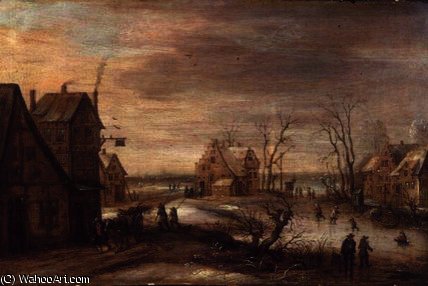
A Village in Winter
 Pročitaj više
Ručno rađena uljana reprodukcija
Ručno oslikano uljanim bojama na platnu u dimenzijama i okviru po vašem izboru, izrađeno po porudžbini od strane naših umetnika. ( Kupi print Kupi digitalnu sliku)




































Izaberite jednu od naših unapred definisanih veličina koje odgovaraju originalnim proporcijama umetničkog dela.

Можете унети сопствене димензије како бисте прилагодили дело одређеном оквиру или простору. Ако одабрана величина не одговара пропорцијама оригинала, слика ће бити исечена или проширена додатним елементима који се ручно насликавају. Дигитални prikaz ће вам бити послат на одобрење пре почетка производње.
Имајте на уму да преглед на екрану не одражава стварно исецање или проширење. Само приказ (mockup) ће тачно приказати коначну композицију.
Иако су доступне прилагођене величине, препоручујемо да одаберете димензију из дефинисане листе како бисте сачували оригиналне пропорције.
Nakon narudžbine, tim ArtsDot.com će klijentu putem e-pošte poslati uputstva i dostaviti prikaz predloženog rešenja
Isporuka širom sveta () za 3/4 nedelje umesto uobičajenih 5 nedelja. (30 август). Bez kompromisa po pitanju kvaliteta.

Besplatna ekspresna dostava širom sveta

Visokokvalitetno laneno platno

Kompletno osiguranje transporta

Garancija povraćaja carine i uvoznih dažbina

Garancija vernosti boja

Politika povrata u roku od 60 dana (samo u slučaju nedostataka)

Garancija povrata novca od 100%

Popust pri grupnoj kupovini
 Opcija sa staklom dostupna je samo za dimenzije manje od 110 cm

A Village in Winter
Tehnika reprodukcije
Dimenzije reprodukcije
-


Konačna cena
$ 263
Srodna umetnička dela
Biografija umetnika
Santi di Tito: A Counterpoint to Mannerism
Santi di Tito, born in Sansepolcro in 1536 and passing away in 1603, stands as a pivotal figure bridging the late Renaissance and the burgeoning Baroque period. While often categorized within the broader framework of Mannerism, Santi’s work represents a crucial shift – a “Counter-Mannerism” that sought to temper the stylized elegance of his predecessors with a renewed emphasis on classical form and naturalistic representation. His life was marked by a fascinating journey through artistic centers like Rome and Florence, each experience profoundly shaping his distinctive style. Early documentation regarding Santi’s training is scarce, fueling speculation about potential influences from masters such as Bronzino and Baccio Bandinelli, though definitive proof remains elusive. What *is* clear is that he quickly established himself as a force within the Roman art scene, collaborating with prominent figures like Giovanni de' Vecchi and Niccolò Circignani on monumental frescoes in the Palazzo Salviati. These early works demonstrate his burgeoning skill in fresco technique and his nascent interest in classical ideals – a foundation upon which he would later build his unique vision.The Florentine Studio: A Return to Classical Roots
Returning to Florence in 1564, Santi embraced the city’s artistic landscape with renewed vigor. He joined the Accademia del Disegno, an institution dedicated to upholding and promoting classical principles within painting. This move signaled a deliberate rejection of the prevailing Mannerist style, which had become increasingly ornate and self-conscious in Rome. Santi sought instead to emulate the clarity, balance, and restraint of ancient Greek and Roman art. His most celebrated works from this period – the *Sisters of Fetonte* and *Hercules and Iole* within the Studiolo of Francesco I at the Palazzo Vecchio – exemplify this commitment. These paintings are characterized by a remarkable sense of spatial recession, carefully rendered drapery, and a deliberate avoidance of excessive detail or emotional exaggeration. They represent a conscious effort to move away from the crowded, theatrical compositions favored by his contemporaries like Bronzino and Vasari, instead prioritizing clarity of form and harmonious proportions. The *studiolo*, a private chamber for scholarly pursuits, became a testing ground for Santi’s new approach – a space where classical ideals could be subtly interwoven with contemporary artistic practice.A Revolutionary Style: Counterpoint to Mannerism
Santi's style can be described as a revolutionary counterpoint to the prevailing Mannerist trends of his time. While sharing some superficial similarities in terms of elongated figures and complex compositions, Santi’s paintings possess a distinct quality – a sense of quiet dignity, restrained emotion, and an unwavering focus on anatomical accuracy. He eschewed the elaborate ornamentation and artificial colors characteristic of Mannerism, opting instead for a more subdued palette and a preference for naturalistic lighting effects. This deliberate simplicity was not born of ignorance or lack of skill; rather, it reflected a profound understanding of classical principles and a desire to create works that were both aesthetically pleasing and intellectually stimulating. S.J. Freedberg noted his “Raphaelesque” style, highlighting the influence of Raphael’s clarity and grace while simultaneously forging an independent artistic identity.Later Works and Legacy
Following his success in Florence, Santi continued to produce significant works throughout his career, including altarpieces for Santa Croce and a *Resurrection of Lazarus* for Volterra Cathedral. His later paintings demonstrate a refinement of his style, characterized by an increased sense of serenity and a subtle mastery of color. Despite his artistic achievements, Santi faced considerable financial difficulties, ultimately declaring bankruptcy in 1662. He died in poverty in 1603, largely unrecognized during his lifetime. However, his legacy has been increasingly appreciated in recent decades, with scholars recognizing him as one of the most important figures in the transition from Mannerism to Baroque painting. Santi di Tito’s work serves as a powerful reminder that artistic innovation often arises not from slavish imitation but from a critical engagement with tradition and a courageous pursuit of individual expression. His “Counter-Mannerism” offered a vital alternative, paving the way for the dramatic and emotionally charged works that would define the Baroque era.Further Resources
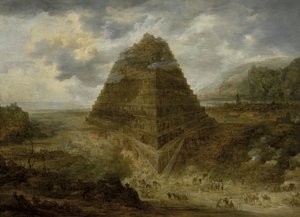
frans de momper
1603 - 1660 , Belgium
Osnovne informacije
- Artistic Movement Or Style: Dutch Landscape Painting
- Artists Or Movements Influenced By This Artist:
- Terborch
- Metsu
- Artists Who Influenced This Artist: ['Rafel and Jochem Camphuysen']
- Date Of Birth: 1603/1604
- Date Of Death: 1677
- Full Name: Aert van der Neer
- Nationality: Dutch
- Notable Artworks:
- Moonlit Landscape
- Winter in Holland
- Place Of Birth: Amsterdam, Netherlands

