

 Pregledaj u prostoru
 Pošalji
 Podeli
 Detalji o delu

 Преузми
 Slični predmeti
 Rendgenski snimak
 Slajdovi
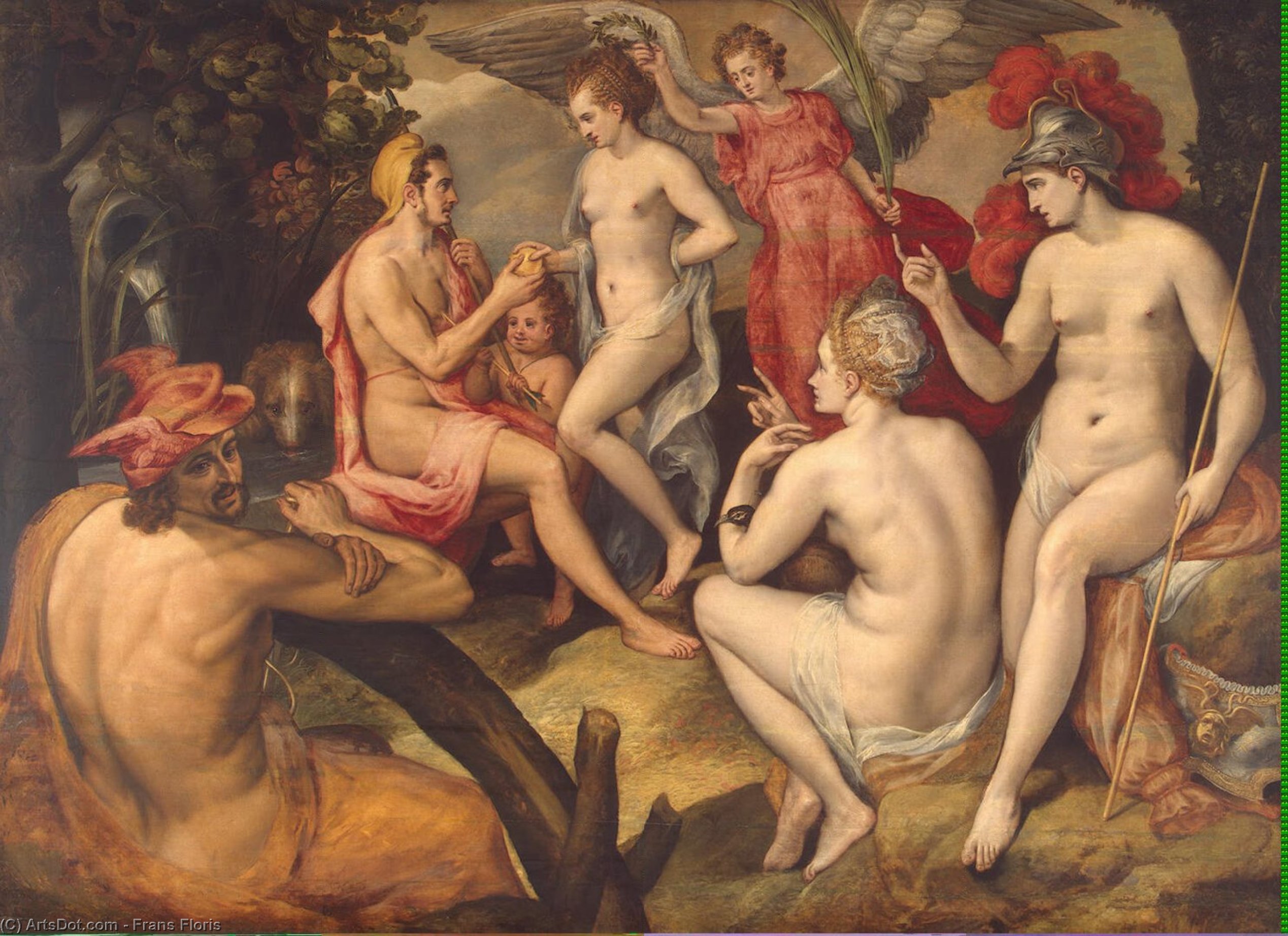
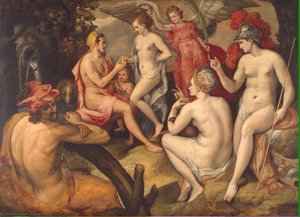
The Judgment of Paris
 Oil On Canvas
- WallArt
- Baroque
 1550
1550 135.0 x 188.0 cm
 Hermitage Museum
 Pročitaj više
Ručno rađena uljana reprodukcija
Ručno oslikano uljanim bojama na platnu u dimenzijama i okviru po vašem izboru, izrađeno po porudžbini od strane naših umetnika. ( Kupi print Kupi digitalnu sliku)




P118B $10

P118H $10

P118W $10

P438Z $10

P508JH $12

P508YH $12

P805H $10

P805Z $10

P919BZ $10

P919G $10

P919XJ $10

P959ZH $10

P968JZ $12

W106C $8

W218G $10

W218JH $8

W218Y $10

W307PJ $10

W316G $10

W316PJ $8

W316Y $10

W398PJ $8

W4111J $10

W500HY $15

W500JH $15

W692G $12

W849H $8

W940BG $15

W953PJ $8




Izaberite jednu od naših unapred definisanih veličina koje odgovaraju originalnim proporcijama umetničkog dela.

Можете унети сопствене димензије како бисте прилагодили дело одређеном оквиру или простору. Ако одабрана величина не одговара пропорцијама оригинала, слика ће бити исечена или проширена додатним елементима који се ручно насликавају. Дигитални prikaz ће вам бити послат на одобрење пре почетка производње.
Имајте на уму да преглед на екрану не одражава стварно исецање или проширење. Само приказ (mockup) ће тачно приказати коначну композицију.
Иако су доступне прилагођене величине, препоручујемо да одаберете димензију из дефинисане листе како бисте сачували оригиналне пропорције.
Nakon narudžbine, tim ArtsDot.com će klijentu putem e-pošte poslati uputstva i dostaviti prikaz predloženog rešenja
Isporuka širom sveta () za 3/4 nedelje umesto uobičajenih 5 nedelja. (21 август). Bez kompromisa po pitanju kvaliteta.

Besplatna ekspresna dostava širom sveta

Visokokvalitetno laneno platno

Kompletno osiguranje transporta

Garancija povraćaja carine i uvoznih dažbina

Garancija vernosti boja

Politika povrata u roku od 60 dana (samo u slučaju nedostataka)

Garancija povrata novca od 100%

Popust pri grupnoj kupovini
 Opcija sa staklom dostupna je samo za dimenzije manje od 110 cm

The Judgment of Paris
Tehnika reprodukcije
Dimenzije reprodukcije
-


Konačna cena
$ 363
Opis umetničkog dela
The Judgment of Paris: A Baroque Triumph
“The Judgment of Paris” by Frans Floris stands as a monumental achievement in Northern Renaissance art, embodying the fervor for classical ideals that characterized the Romanist movement. Painted around 1550, this opulent oil painting transcends mere visual representation; it’s a carefully crafted tableau brimming with narrative complexity and imbued with profound humanist thought.
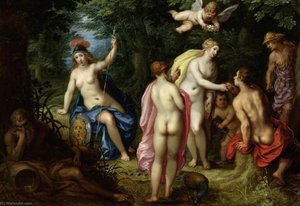
- Subject Matter: The scene depicts the pivotal moment from Greek mythology – the contest between Hera, Athena and Aphrodite to determine who was the fairest among goddesses. Paris, the Trojan prince, is tasked with adjudicating their claims, ultimately awarding the golden apple to Aphrodite, securing Helen’s affections and triggering the legendary Trojan War.
- Style: Floris's work firmly establishes itself within the Baroque style, distinguished by dynamic movement, dramatic lighting, and theatrical composition. Unlike the serene elegance of earlier Renaissance art, “The Judgment of Paris” pulsates with energy, capturing the intensity of human emotion and divine intervention.
- Technique: Floris’s mastery is evident in his meticulous application of oil paint—a technique perfected during this period. He skillfully employs blending, glazing, and scumbling to achieve remarkable textural depth and luminosity. The artist's attention to detail extends to the depiction of skin tones, drapery folds, and stone surfaces, creating a palpable sense of realism.
The painting’s color palette dominates with warm hues—rich reds, golds, and browns—contrasting sharply against cooler blues and greens in the background. These colors amplify the dramatic atmosphere, highlighting key figures and emphasizing the opulent grandeur of the scene. Floris's use of perspective contributes to the theatrical effect, flattening space while suggesting depth through layering and atmospheric haze.
- Symbolism: Beyond its narrative core, “The Judgment of Paris” is laden with symbolic elements. The presence of Hermes guides the goddesses and Paris, representing divine authority and rational judgment. Nike, the winged goddess of victory, crowns Aphrodite, signifying triumph and fulfillment. Furthermore, the depiction of fruits and foliage underscores themes of fertility and abundance.
- Historical Context: Floris’s painting reflects the intellectual currents of its time—the Romanist movement's passionate embrace of Italian High Renaissance masters like Michelangelo and Raphael. Artists traveled to Italy to study these masters and assimilate their stylistic innovations into Northern art traditions. This artwork embodies the humanist spirit prevalent in Antwerp during the mid-16th century.
Emotionally, “The Judgment of Paris” evokes a powerful blend of passion, drama, and transgression. Floris captures the psychological complexities of desire and ambition, presenting a scene that resonates with timeless themes of beauty, love, and divine influence. It remains an unforgettable testament to Baroque artistry and Northern Renaissance intellectual heritage.
Srodna umetnička dela


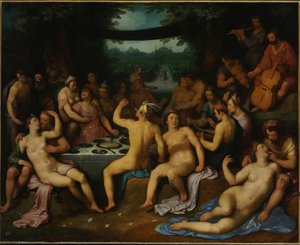
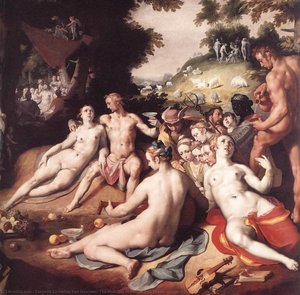
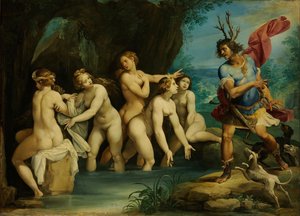
Biografija umetnika
The Flemish Master of Romanism: The Life and Legacy of Frans Floris
In the vibrant, intellectual landscape of the 16th-century Low Countries, few figures loomed as large or as influential as Frans Floris. Known to history as Frans Floris the Elder, this Flemish Renaissance pioneer acted as a vital bridge between the Northern traditions of his homeland and the monumental grandeur of the Italian High Renaissance. Born in Antwerp around 1519 into a lineage of skilled craftsmen, Floris carried the weight of a family tradition rooted in stonemasonry and artistry. This heritage of precision and structural understanding would later manifest in his ability to compose massive, complex scenes that commanded the attention of both royalty and the burgeoning merchant class of Antwerp.
The trajectory of Floris’s career was irrevocably altered by his immersion in Romanism, a stylistic movement that saw Northern artists traveling to Italy to absorb the lessons of masters like Michelangelo and Raphael. Under the guidance of mentors such as Lambert Lombard, Floris developed an acute sensitivity to anatomical accuracy and the dramatic use of light and shadow. His work became a profound dialogue between Flemish meticulousness and Italian muscularity. This synthesis allowed him to move beyond mere representation, creating works that embodied the humanist ideals of his era—where classical mythology and biblical narratives were reimagable through a lens of epic scale and emotional depth.
A Tapestry of Myth and Allegory
The breadth of Floris’s oeuvre is nothing short of extraordinary, spanning monumental history paintings, intimate portraits, and intricate designs for tapestries. His mastery lay in his ability to breathe life into the ancient myths, transforming static legends into dynamic, breathing dramas. In works such as The Judgment of Paris, one can witness the opulent textures and complex compositions that defined his mature style, utilizing classical mythology to explore themes of beauty, desire, and fate. Similarly, his Pomona serves as a stunning testament to his ability to depict mythological abundance, blending the grotesque with the sublime in a way that foreshadowed the dramatic energy of the Baroque era.
Beyond the grand scale of his mythological epics, Floris possessed a remarkable gift for capturing the human essence in portraiture and allegorical studies. His paintings often functioned as intellectual puzzles, rich with symbolic detail intended for a sophisticated audience:
- The Allegory of Music: A captivating scene where a lady with a lute is set against the backdrop of Roman soldiers, offering a profound glimpse into the era's use of musical symbolism.
- Head of a Woman: A masterclass in light and shadow, where pearl-adorned curls and lifelike skin tones demonstrate his command over the subtle nuances of portraiture.
- The Awakening of the Arts: A work that showcases his ability to utilize rich textures and dynamic movement to convey the very spirit of creative rebirth.
Historical Significance and Enduring Influence
Frans Floris was more than just a painter; he was an architect of a new Northern aesthetic. By integrating the anatomical rigor of the Italian Renaissance with the narrative richness of Flemish tradition, he helped establish Antwerp as a premier center for European art. His influence extended far beyond the canvas, as his designs for tapestries and prints disseminated his Romanist ideals across the continent, shaping the visual language of generations of Northern artists.
Though his life was cut short in 1570, the impact of his work remained a cornerstone of the Northern Renaissance. He successfully navigated the transition from the late Gothic sensibilities to the sophisticated humanism of the 16th century, leaving behind a legacy of monumental history paintings that continue to captivate viewers with their dramatic compositions and profound intellectual depth. To study the works of Frans Floris is to witness the very moment when the North truly embraced the light of the Renaissance.
Frans Floris
1519 - 1570
Osnovne informacije
- Artistic Movement Or Style: Romanism
- Artists Or Movements Influenced By This Artist: ['Lucas de Heere']
- Artists Who Influenced This Artist: ['Lambert Lombard']
- Date Of Birth: 1519
- Date Of Death: 1570
- Full Name: Frans Floris
- Nationality: Flemish
- Notable Artworks:
- The Awakening of the Arts
- Banquet of the Gods
- Head of a Woman
- Place Of Birth: Antwerp
Povezani članci

The Dramatic Flourish: Exploring the Baroque Movement's Enduring Legacy in Art History
Explore the dramatic world of Baroque art! Discover iconic artists like Caravaggio & Rubens, defining techniques, and its lasting impact on art history. Expert insights for collectors & enthusiasts at ArtsDot.

Барокна драма: Уношење величине и емоција у савремене ентеријере
Откријте барокну драму и унесите величину у ваш ентеријер! ArtsDot нуди ручно насликане репродукције, персонализоване портрете и стручне консултације за љубитеље класичне уметности. Потражите савршено дело већ данас!

Barok Majstor dela: Top 10 Umjetničkih Remeka za Vaš Dom
Otkrijte 10 remek dela koja su definisala baroknu umetnost! Karavagio, Bernini i više – istražite priče iza ovih ikoničnih slika. Inspiracija za vaš dom? Pogledajte kolekciju na ArtsDot.com!

Theatricality & Triumph: Baroque Drama in Painting & Sculpture
Explore the dramatic world of Baroque art! Discover its history, defining characteristics, & lasting influence on painting & sculpture. Expert insights into Caravaggio, Zurbarán, and Bernini – plus high-quality reproductions at ArtsDot.

The Visceral Stage: Exploring Dramatic Narratives & Emotional Intensity in Baroque Art
Explore the dramatic world of Baroque art! Discover iconic masters like Caravaggio & Rembrandt, their techniques, and the movement's lasting impact. Expert insights for collectors & enthusiasts at ArtsDot.

