 Pregledaj u prostoru
 Pošalji
 Podeli
 Detalji o delu

 Преузми
 Slični predmeti
 Rendgenski snimak
 Slajdovi
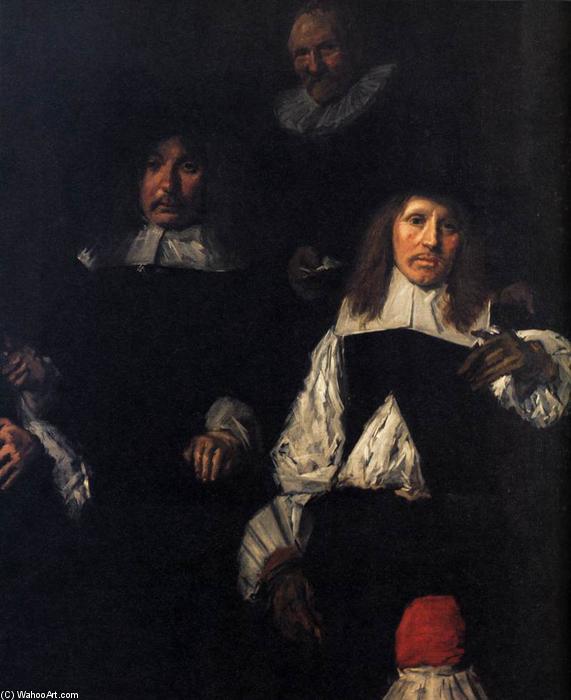
Regents of the Old Men's Almshouse (detail)


 Pročitaj više
Giclee štampa / Umetnički otisak
Giclée štampa ili print na platnu muzejskog kvaliteta uz brzu proizvodnju i fleksibilne opcije završne obrade. ( Kupi ručno naslikanu sliku Kupi digitalnu sliku)




P118B $10

P118H $10

P118W $10

P438Z $10

P508JH $12

P508YH $12

P805H $10

P805Z $10

P919BZ $10

P919G $10

P919XJ $10

P959ZH $10

P968JZ $12

W106C $8

W218G $10

W218JH $8

W218Y $10

W307PJ $10

W316G $10

W316PJ $8

W316Y $10

W398PJ $8

W4111J $10

W500HY $15

W500JH $15

W692G $12

W849H $8

W940BG $15

W953PJ $8




Izaberite jednu od naših unapred definisanih veličina koje odgovaraju originalnim proporcijama umetničkog dela.

Možete uneti sopstvene dimenzije kako biste umetničko delo prilagodili specifičnom okviru ili prostoru. Ako odabrani format ne odgovara proporcijama originalne slike, mi ćemo ili iscrtati deo dela ili proširiti sliku pomoću ogledane ivice ili jednobojnog popunjavanja. Digitalni prikaz će vam biti poslat na odobrenje pre početka proizvodnje.
Imajte na umu da pregled na ekranu ne odražava stvarno iscrtavanje ili proširivanje. Samo će prikaz (mockup) precizno pokazati finalnu kompoziciju.
Iako su prilagođene dimenzije dostupne, preporučujemo da odaberete dimenziju sa unapred definisane liste kako biste očuvali originalne proporcije.
Dostava širom sveta () za 2 nedelje umesto uobičajenih 4/5 nedelja. (2 септембар)

Besplatna ekspresna dostava širom sveta

Visokokvalitetno laneno platno

Kompletno osiguranje transporta

Garancija povraćaja carine i uvoznih dažbina

Garancija vernosti boja

Politika povrata u roku od 60 dana (samo u slučaju nedostataka)

Garancija povrata novca od 100%

Popust pri grupnoj kupovini
 Opcija sa staklom dostupna je samo za dimenzije manje od 110 cm

Regents of the Old Men's Almshouse (detail)
Giclee štampa / Umetnički otisak
Dimenzije reprodukcije
-


Konačna cena
$ 62
A Glimpse of Authority: Frans Hals’ Regents of the Old Men's Almshouse
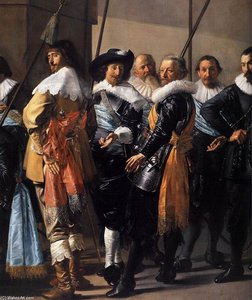
Frans Hals’ “Regents of the Old Men’s Almshouse (detail)” isn’t merely a portrait; it’s a carefully constructed tableau of civic responsibility, quiet contemplation, and the subtle drama inherent in human interaction. Painted in 1664, this intimate study – a fragment pulled from a larger composition – offers an unparalleled window into the social fabric of Haarlem during the Dutch Golden Age. Hals, renowned for his ability to capture fleeting moments and individual character with remarkable immediacy, has here distilled the essence of authority and the weight of obligation into a remarkably restrained yet profoundly affecting image.
The scene unfolds within the dimly lit confines of an almshouse, a charitable institution providing refuge for elderly men. Three figures dominate the composition: prominent citizens, likely regents or overseers entrusted with managing the almshouse’s affairs. Their formal attire – dark coats, crisp collars, and meticulously arranged periwigs – speaks to their status and the gravity of their roles. Yet, Hals doesn't present them as imposing figures of power; instead, he imbues them with a palpable sense of humanity. The slight turn of a head, the subtle furrow of a brow, the carefully controlled expressions all hint at the complexities beneath the surface of official duty.
The Language of Brushstroke: Hals’ Revolutionary Technique
Hals' genius lies not in meticulous detail but in his revolutionary approach to brushwork. He eschewed the smooth, polished surfaces favored by many of his contemporaries, opting instead for a loose, expressive style characterized by visible strokes and a vibrant sense of movement. In “Regents,” this technique is particularly evident in the rendering of the fabrics – the heavy folds of the coats, the delicate texture of the collars, and the subtle sheen of the periwigs. These aren’t simply representations of material; they are imbued with life through Hals' masterful manipulation of paint.
Notice how he builds up layers of color with rapid, broken strokes, creating a sense of immediacy and spontaneity. The shadows are not blended smoothly but rather defined by distinct brushstrokes, adding depth and volume to the figures. This technique, combined with his use of light – a single, strong source illuminating the subjects from the left – creates a dramatic interplay of highlights and shadows that draws the viewer’s eye and emphasizes their features. The painting feels almost as if it's caught in a fleeting moment, a snapshot of a conversation frozen in time.
Symbolism and Emotional Resonance
Beyond its formal portraiture, “Regents” is rich with symbolic meaning. The almshouse itself represents the values of compassion and social responsibility – hallmarks of Dutch society during the 17th century. The somber expressions on the men’s faces suggest a sense of duty, perhaps even melancholy, reflecting the burdens they carry in their roles. The triangular composition, anchored by the figures' positions, reinforces this feeling of stability and shared purpose.
However, there’s also an undercurrent of quiet dignity and restraint. Hals doesn’t depict these men as heroes or paragons of virtue; rather, he presents them as ordinary individuals grappling with complex responsibilities. The subtle smiles, the averted gazes – they hint at a shared understanding, a silent acknowledgment of the weight of their obligations. The painting's monochromatic palette further enhances this sense of gravitas, stripping away any distractions and focusing attention on the figures’ expressions and gestures.
A Window into Haarlem’s Soul
“Regents of the Old Men’s Almshouse (detail)” is more than just a portrait; it's a poignant reflection of Dutch society at its finest. It offers a rare glimpse into the lives of ordinary citizens, revealing their values, responsibilities, and the quiet dignity they brought to their roles. Reproductions of this captivating work capture not only Hals’ technical brilliance but also the emotional depth and social significance that make it one of the most enduring images of the Dutch Golden Age. Consider commissioning a high-quality reproduction – a tangible reminder of this powerful testament to human compassion and civic duty.
Srodna umetnička dela
Biografija umetnika
Франс Халс I: Живот у боји
Франс Халс I, рођен око 1580. године у Антверпену, Белгија, био је холандски сликар чије име и данас одјекује као симбол Златног века холандског сликарства. Иако су детаљи његовог раног живота обложени тајном, Халс се уздигао до статуса једног од најзначајнијих уметника свог времена, прослављен захваљујући иновативним портретима и жанровским сценама. Његов живот био је путопис кроз прелазе, политичке турбуленције и тражење новог израза у свету уметности.
Почеци и формирање стила
Мало се зна о Халсовим раним годинама. Претпоставља се да је прве уметничке лекције добио у Антверпену, тадашњем центру сликарства. Међутим, због религиозних и политичких немира, његова породица се преселила у Харлем, где је 1610. године постао члан Цеха Светог Луке, формално обележивши почетак своје професионалне каријере. Управо у Харлему Халс почиње да развија свој препознатљив стил, који је био радикално другачији од конвенција тог времена.
Револуционарни приступ портретима и жанру
Халса је карактерисао изузетно свеж и спонтан стил. За разлику од многих савременика који су тежили прецизним детаљима, Халс је користио растресити и експресивни потез четком. Ова техника је његовим сликама дала осећај непосредности и виталности, осликавајући личност и карактер модела на начин који је био револуционаран за то време. Његови портрети нису били само ликови; они су били психолошке студије, продор у душу човека. Халс је мајсторски приказивао тренутке – смех, разговор или размишљање – хватајући есенцију живота у свом пуном сјају.
- Његови портрети нису били само ликови; они су били психолошке студије.
- Одликовао се приказивањем пролазних тренутака – смеха, разговора или размишљања.
- Халсова употреба светлости и сенке додавала је дубину и драму његовим композицијама.
Најзначајнија дела и трајан утицај
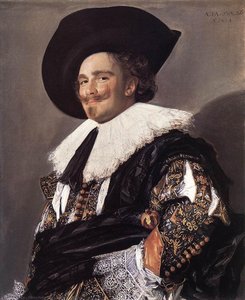
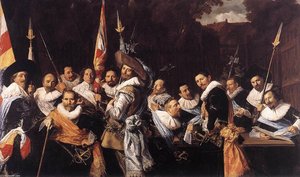
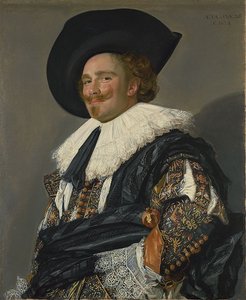
Иако је Халс створио широк спектар радова, најпознатији је по портретима. Међу његовим најславнијим сликама су: Смејући се каваљер (1624) – квинтeсенцијални пример његове способности да ухвати карактер и покрет, Мале Бабе (око 1633-1635) – импресиван портрет старије жене који показује Халсову вештину приказивања старости и личности, као и Портрети регената Дома за старе у Харлему (1664) - демонстрирајући његово мајсторство групног портретисања. Поред тога, стварао је убедљиве жанровске сцене – призоре из свакодневног живота – које су нудиле увид у холандско друштво.
Утицаји и наслеђе
Одређивање Халсових директних утицаја је изазован задатак, јер је развио веома индивидуалан стил. Међутим, вероватно је био упознат са радовима старијих фламанских сликара попут Питера Бругела Старијег. Његов иновативни приступ портретисању снажно је утицао на касније генерације уметника.
- Утицао је на уметнике као што су Адриаен Броувер и Јоханес Вермер.
- Нагласак на приказивању личности отворио је пут интимнијим и психолошким портретима.
- Каснији уметници, укључујући импресионисте, дивили су се његовом растреситом потезу четком и фокусу на светлу.
Историјски значај
Франс Халс I одиграо је кључну улогу у обликовању холандског сликарства током Златног века. Његов рад одражава растућу просперитет и индивидуализам Холандије у то време. Окренуо се ка природнијем и експресивнијем стилу, остављајући трајан спомен на светској уметности. Данас су његове слике веома тражене и могу се пронаћи у водећим музејима широм света, укључујући Франс Халс Музеј у Харлему, који поседује највећу збирку његовог рада. Његови доприноси настављају да инспиришу уметнике и одушевљавају публику вековима касније.
Frans Hals
1580 - 1585 , Belgija
Osnovne informacije
- Artistic Movement Or Style: Zlatno doba Holandije
- Artists Or Movements Influenced By This Artist: ['Adriaen Brouwer']
- Date Of Birth: oko 1580.
- Date Of Death: 1666.
- Full Name: Frans Hals I
- Nationality: Holanđanin
- Notable Artworks (List Of Titles):
- Smejući se kavaler
- Malle Babbe
- Place Of Birth (City And Country): Antwerp, Belgija
Povezani članci
Frans Hals I: Innovation, Intimacy & the Dutch Golden Age Portrait
Explore the revolutionary portraiture of Frans Hals I, a master of the Dutch Golden Age. Discover his innovative techniques, captivating character studies & lasting impact on art history. Learn more at ArtsDot.

Zlatno doba Holandske umetnosti: Top 10 remek dela za vaš dom
Otkrijte remek dela Holandskog zlatnog doba! Uronite u svet Rembrandta, Vermeera i drugih majstora. 10 ikoničnih slika koje su definisale umetnost. Inspiracija za vaš dom i kolekciju - ekskluzivne reprodukcije na ArtsDot.com!

Illuminating Innovation: Exploring the Dutch Golden Age of Painting
Explore the Dutch Golden Age of painting with ArtsDot. Discover Rembrandt, Vermeer & other Masters. Learn about key characteristics, iconic artworks, and lasting influence. Expert insights for collectors & enthusiasts.
Illuminating Realism: Exploring the Dutch Golden Age of Painting (1600-1700)
Explore the Dutch Golden Age of painting (1600-1700) with ArtsDot. Discover Rembrandt, Vermeer & other masters. Learn about techniques, history & find museum-quality reproductions.

Golden Age Reflections: Dutch Baroque Painting & Cultural Innovation
Explore the Dutch Golden Age of painting! Discover key artists like Vermeer & ter Borch, their innovative techniques, and the rich cultural context behind these Baroque masterpieces. Learn about collecting & appreciating this iconic art period.