 Pregledaj u prostoru
 Pošalji
 Podeli
 Detalji o delu

 Преузми
 Slični predmeti
 Rendgenski snimak
 Slajdovi
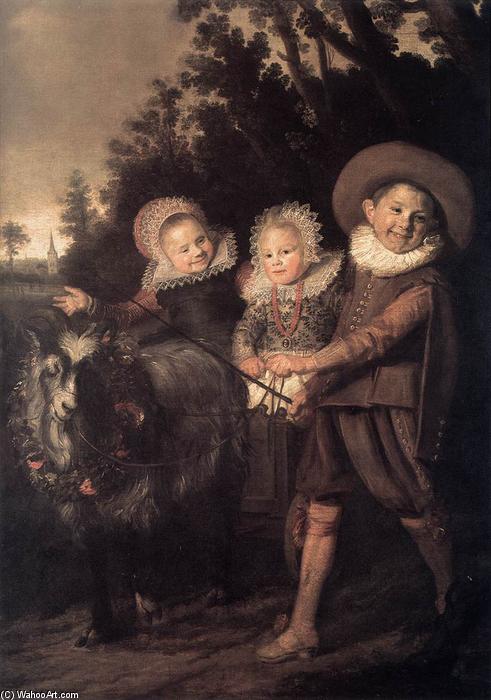
Three Children with a Goat Cart
 Oil On Canvas
- WallArt
- Dutch Golden Age
 1620
1620 152.0 x 107.0 cm
 Musées Royaux des Beaux-Arts
 Pročitaj više
Ručno rađena uljana reprodukcija
Ručno oslikano uljanim bojama na platnu u dimenzijama i okviru po vašem izboru, izrađeno po porudžbini od strane naših umetnika. ( Kupi print Kupi digitalnu sliku)




P118B $10

P118H $10

P118W $10

P438Z $10

P508JH $12

P508YH $12

P805H $10

P805Z $10

P919BZ $10

P919G $10

P919XJ $10

P959ZH $10

P968JZ $12

W106C $8

W218G $10

W218JH $8

W218Y $10

W307PJ $10

W316G $10

W316PJ $8

W316Y $10

W398PJ $8

W4111J $10

W500HY $15

W500JH $15

W692G $12

W849H $8

W940BG $15

W953PJ $8




Izaberite jednu od naših unapred definisanih veličina koje odgovaraju originalnim proporcijama umetničkog dela.

Можете унети сопствене димензије како бисте прилагодили дело одређеном оквиру или простору. Ако одабрана величина не одговара пропорцијама оригинала, слика ће бити исечена или проширена додатним елементима који се ручно насликавају. Дигитални prikaz ће вам бити послат на одобрење пре почетка производње.
Имајте на уму да преглед на екрану не одражава стварно исецање или проширење. Само приказ (mockup) ће тачно приказати коначну композицију.
Иако су доступне прилагођене величине, препоручујемо да одаберете димензију из дефинисане листе како бисте сачували оригиналне пропорције.
Nakon narudžbine, tim ArtsDot.com će klijentu putem e-pošte poslati uputstva i dostaviti prikaz predloženog rešenja
Isporuka širom sveta () za 3/4 nedelje umesto uobičajenih 5 nedelja. (22 август). Bez kompromisa po pitanju kvaliteta.

Besplatna ekspresna dostava širom sveta

Visokokvalitetno laneno platno

Kompletno osiguranje transporta

Garancija povraćaja carine i uvoznih dažbina

Garancija vernosti boja

Politika povrata u roku od 60 dana (samo u slučaju nedostataka)

Garancija povrata novca od 100%

Popust pri grupnoj kupovini
 Opcija sa staklom dostupna je samo za dimenzije manje od 110 cm

Three Children with a Goat Cart
Tehnika reprodukcije
Dimenzije reprodukcije
-


Konačna cena
$ 263
Opis umetničkog dela
A Snapshot of Childhood – Frans Hals’s “Three Children with a Goat Cart”
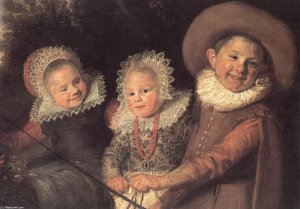
Frans Hals's "Three Children with a Goat Cart," painted around 1620, isn’t merely a charming depiction of children playing; it’s a vibrant distillation of the Dutch Golden Age spirit—a moment captured in time brimming with youthful exuberance and the simple pleasures of rural life. The painting immediately draws the eye to its central figures: three youngsters, a boy and two girls, engaged in a spirited game beside a weathered goat cart. Their postures are wonderfully dynamic – one leaps playfully, another clutches a wooden stick, while the third, seemingly the eldest, surveys the scene with an air of quiet authority. Hals masterfully avoids stiff formality, instead imbuing each child with a distinct personality and a palpable sense of movement. The loose brushwork, characteristic of Hals’s style, lends the scene an immediacy and spontaneity that feels remarkably contemporary even today. It's as if we’ve stumbled upon a fleeting, joyful moment frozen in paint.The Art of the Haarlem Master – Hals’s Revolutionary Technique
Frans Hals stands apart among his contemporaries not for meticulous detail, but for an innovative approach to capturing life and emotion. He eschewed the polished surfaces favored by many artists of his era, opting instead for a technique that prioritized directness and feeling. Notice how he builds up layers of paint with rapid, broken strokes—a method known as *alla prima*. This creates a shimmering effect, particularly visible in the children’s clothing and the dappled sunlight filtering through the trees. Hals's use of color is equally striking; he employs a rich palette of earthy tones – ochres, browns, and greens – punctuated by brighter accents like the girl’s red dress and the goat’s coat. The subtle variations in tone and hue contribute to the painting’s remarkable sense of depth and realism, while simultaneously conveying an impression of fleeting light and shadow. His ability to render texture—the rough bark of a tree, the worn wood of the cart, the soft wool of the children's garments—is simply astonishing.A Portrait of a Time – Contextualizing the Scene
“Three Children with a Goat Cart” was painted during a period of significant social and economic change in the Netherlands. The early 17th century witnessed the rise of a prosperous merchant class, who commissioned portraits to document their wealth and status. However, Hals’s painting transcends mere social documentation; it offers a glimpse into the everyday lives of ordinary people—a stark contrast to the formal courtly scenes that were often depicted at the time. The inclusion of the goat cart suggests a connection to rural life and agriculture, reflecting the importance of farming in the Dutch economy. The presence of the dog adds another layer of domesticity, hinting at the close relationship between humans and animals within this community. Furthermore, the painting’s date—1620—places it squarely within the early years of the Dutch Golden Age, a period characterized by artistic innovation, intellectual ferment, and a burgeoning sense of national identity.Symbolism and Emotional Resonance – More Than Just a Pretty Picture
Beyond its technical brilliance and historical context, “Three Children with a Goat Cart” resonates deeply on an emotional level. The painting captures the uninhibited joy and carefree spirit of childhood—a quality that has captivated viewers for centuries. The children’s laughter is practically audible, their faces alight with mischief and delight. There's a sense of timelessness about the scene, as if it could have been painted today. Some art historians suggest the goat cart itself might symbolize innocence or simplicity, while the varied clothing hints at social distinctions within the community. Ultimately, Hals’s masterpiece is not just a depiction of children playing; it’s an invitation to remember and cherish the simple pleasures of life—a poignant reminder that beauty can be found in the most unexpected places. It's a testament to Hals's ability to capture the essence of human experience with remarkable sensitivity and skill, leaving a lasting impression on all who behold it.Srodna umetnička dela
Biografija umetnika
Франс Халс I: Живот у боји
Франс Халс I, рођен око 1580. године у Антверпену, Белгија, био је холандски сликар чије име и данас одјекује као симбол Златног века холандског сликарства. Иако су детаљи његовог раног живота обложени тајном, Халс се уздигао до статуса једног од најзначајнијих уметника свог времена, прослављен захваљујући иновативним портретима и жанровским сценама. Његов живот био је путопис кроз прелазе, политичке турбуленције и тражење новог израза у свету уметности.
Почеци и формирање стила
Мало се зна о Халсовим раним годинама. Претпоставља се да је прве уметничке лекције добио у Антверпену, тадашњем центру сликарства. Међутим, због религиозних и политичких немира, његова породица се преселила у Харлем, где је 1610. године постао члан Цеха Светог Луке, формално обележивши почетак своје професионалне каријере. Управо у Харлему Халс почиње да развија свој препознатљив стил, који је био радикално другачији од конвенција тог времена.
Револуционарни приступ портретима и жанру
Халса је карактерисао изузетно свеж и спонтан стил. За разлику од многих савременика који су тежили прецизним детаљима, Халс је користио растресити и експресивни потез четком. Ова техника је његовим сликама дала осећај непосредности и виталности, осликавајући личност и карактер модела на начин који је био револуционаран за то време. Његови портрети нису били само ликови; они су били психолошке студије, продор у душу човека. Халс је мајсторски приказивао тренутке – смех, разговор или размишљање – хватајући есенцију живота у свом пуном сјају.
- Његови портрети нису били само ликови; они су били психолошке студије.
- Одликовао се приказивањем пролазних тренутака – смеха, разговора или размишљања.
- Халсова употреба светлости и сенке додавала је дубину и драму његовим композицијама.
Најзначајнија дела и трајан утицај
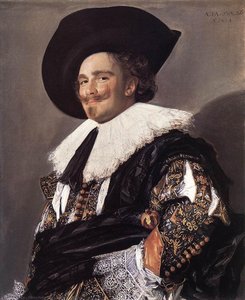
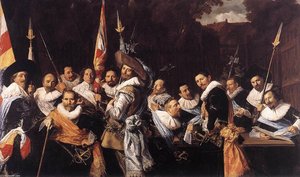
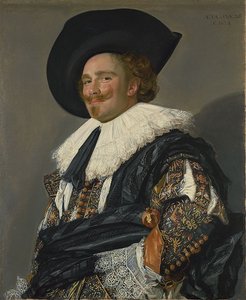
Иако је Халс створио широк спектар радова, најпознатији је по портретима. Међу његовим најславнијим сликама су: Смејући се каваљер (1624) – квинтeсенцијални пример његове способности да ухвати карактер и покрет, Мале Бабе (око 1633-1635) – импресиван портрет старије жене који показује Халсову вештину приказивања старости и личности, као и Портрети регената Дома за старе у Харлему (1664) - демонстрирајући његово мајсторство групног портретисања. Поред тога, стварао је убедљиве жанровске сцене – призоре из свакодневног живота – које су нудиле увид у холандско друштво.
Утицаји и наслеђе
Одређивање Халсових директних утицаја је изазован задатак, јер је развио веома индивидуалан стил. Међутим, вероватно је био упознат са радовима старијих фламанских сликара попут Питера Бругела Старијег. Његов иновативни приступ портретисању снажно је утицао на касније генерације уметника.
- Утицао је на уметнике као што су Адриаен Броувер и Јоханес Вермер.
- Нагласак на приказивању личности отворио је пут интимнијим и психолошким портретима.
- Каснији уметници, укључујући импресионисте, дивили су се његовом растреситом потезу четком и фокусу на светлу.
Историјски значај
Франс Халс I одиграо је кључну улогу у обликовању холандског сликарства током Златног века. Његов рад одражава растућу просперитет и индивидуализам Холандије у то време. Окренуо се ка природнијем и експресивнијем стилу, остављајући трајан спомен на светској уметности. Данас су његове слике веома тражене и могу се пронаћи у водећим музејима широм света, укључујући Франс Халс Музеј у Харлему, који поседује највећу збирку његовог рада. Његови доприноси настављају да инспиришу уметнике и одушевљавају публику вековима касније.
Frans Hals
1580 - 1585 , Belgija
Osnovne informacije
- Artistic Movement Or Style: Zlatno doba Holandije
- Artists Or Movements Influenced By This Artist: ['Adriaen Brouwer']
- Date Of Birth: oko 1580.
- Date Of Death: 1666.
- Full Name: Frans Hals I
- Nationality: Holanđanin
- Notable Artworks (List Of Titles):
- Smejući se kavaler
- Malle Babbe
- Place Of Birth (City And Country): Antwerp, Belgija
Povezani članci
Frans Hals I: Innovation, Intimacy & the Dutch Golden Age Portrait
Explore the revolutionary portraiture of Frans Hals I, a master of the Dutch Golden Age. Discover his innovative techniques, captivating character studies & lasting impact on art history. Learn more at ArtsDot.

Zlatno doba Holandske umetnosti: Top 10 remek dela za vaš dom
Otkrijte remek dela Holandskog zlatnog doba! Uronite u svet Rembrandta, Vermeera i drugih majstora. 10 ikoničnih slika koje su definisale umetnost. Inspiracija za vaš dom i kolekciju - ekskluzivne reprodukcije na ArtsDot.com!

Illuminating Innovation: Exploring the Dutch Golden Age of Painting
Explore the Dutch Golden Age of painting with ArtsDot. Discover Rembrandt, Vermeer & other Masters. Learn about key characteristics, iconic artworks, and lasting influence. Expert insights for collectors & enthusiasts.

Golden Age Reflections: Dutch Baroque Painting & Cultural Innovation
Explore the Dutch Golden Age of painting! Discover key artists like Vermeer & ter Borch, their innovative techniques, and the rich cultural context behind these Baroque masterpieces. Learn about collecting & appreciating this iconic art period.
Illuminating Realism: Exploring the Dutch Golden Age of Painting (1600-1700)
Explore the Dutch Golden Age of painting (1600-1700) with ArtsDot. Discover Rembrandt, Vermeer & other masters. Learn about techniques, history & find museum-quality reproductions.