

 Pregledaj u prostoru
 Pošalji
 Podeli
 Detalji o delu

 Преузми
 Slični predmeti
 Rendgenski snimak
 Slajdovi
 Stats
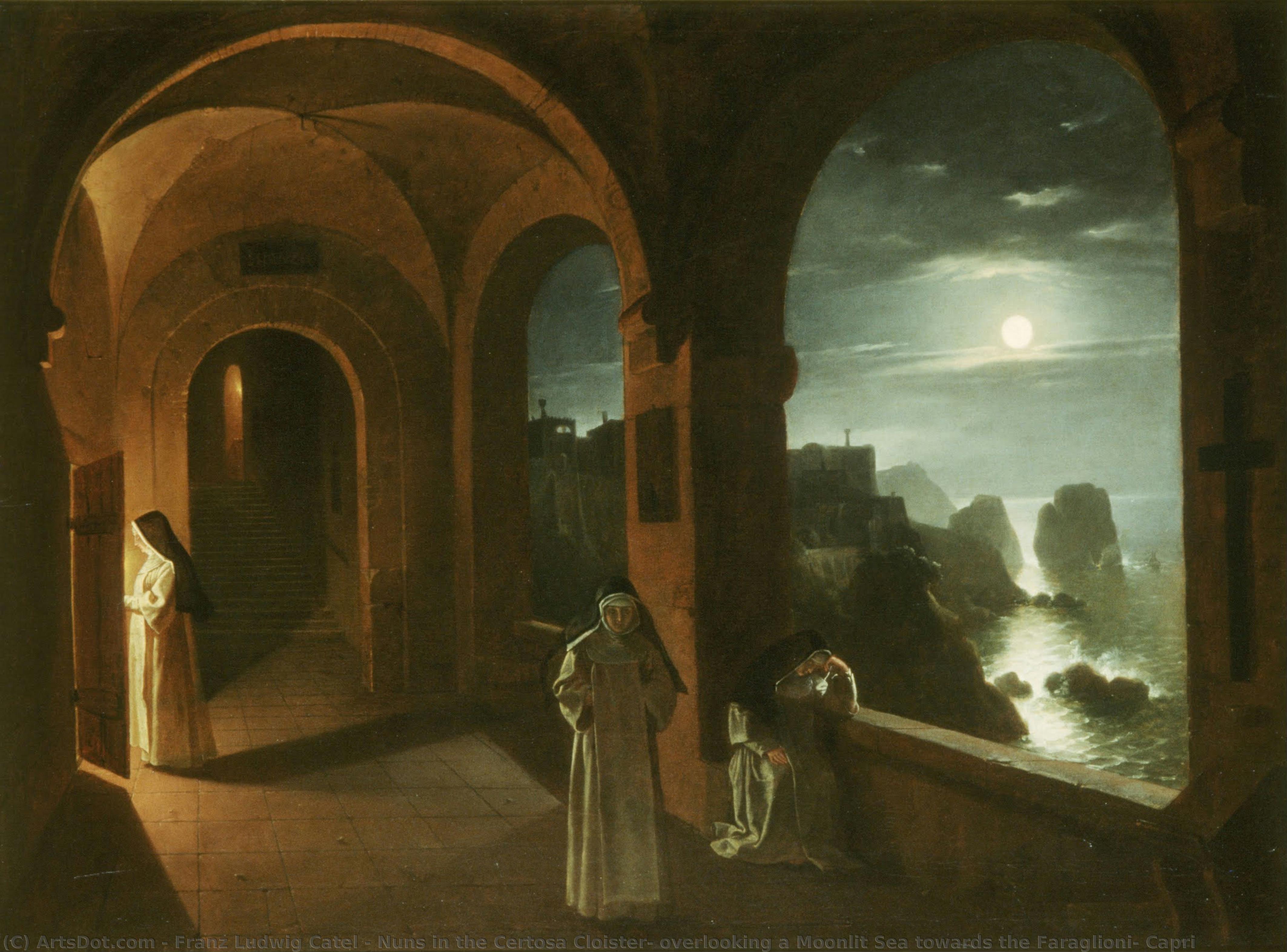
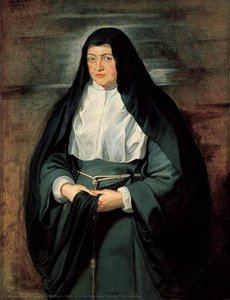
StatsNuns in the Certosa Cloister, overlooking a Moonlit Sea towards the Faraglioni, Capri


 Pročitaj više
Kupite digitalnu sliku visoke rezolucije i poboljšanog kvaliteta, koja je znatno superiornija od onoga što vidite u online prikazu.
Svaka datoteka je pedantno pripremljena od strane naših stručnjaka koristeći napredne alate i profesionalnu ručnu retušu. Osiguravamo da svaka slika ima izuzetnu oštrinu, preciznu reprodukciju boja i fine detalje.
Konačna datoteka se dostavlja putem e-pošte u roku od 72 sata, optimizovana za neposrednu upotrebu u profesionalnim, izdavačkim i štamparskim okruženjima. To je isti kvalitet kojem veruju vrhunski studiji dizajna, izdavači i galerije.
Digitalna slika
Preuzmite datoteku visoke rezolucije za ličnu upotrebu, štampanje i kreativne projekte. ( Switch to Print Kupi ručno naslikanu sliku)
Uključeno uz svaku porudžbinu digitalne slike
Profesionalna digitalna isporuka, zagarantovana
Kada odaberete ArtsDot.com, ne dobijate samo sliku – vi primate profesionalno unapređeno digitalno umetničko delo, izrađeno sa najvećom preciznošću i uz garanciju zadovoljstva. Evo svega što automatski dolazi uz vašu porudžbinu:

Brza dostava putem e-pošte
Vaša digitalna slika visoke rezolucije biće vam poslata putem e-pošte u roku od 72 sata od poručivanja – spremna za trenutnu upotrebu.

Digitalna datoteka unapređena veštačkom inteligencijom
Vaše umetničko delo je profesionalno optimizovano korišćenjem naprednih AI alata i ručne obrade, čime se osiguravaju maksimalni detalji, oštrina i preciznost boja.

Besplatna ponovna isporuka doživotno
Slučajno ste obrisali ili izgubili svoju datoteku? Ne brinite – poslaćemo vam je ponovo u bilo kom trenutku, potpuno besplatno.

Bez troškova uvoza – zauvek
Uživajte u svojim umetničkim delima trenutno, bez carine, dažbina ili troškova dostave – digitalni download je uvek bez poreza.

Garancija vernosti boja
Uz pomoć profesionalnih alata i upravljanja bojama, osiguravamo da vaša digitalna slika što vernije odražava originalne boje.

Garancija zadovoljstva od 100 dana
Ako niste zadovoljni svojom digitalnom slikom, izvršićemo reviziju ili ćemo vam vratiti 100% novca u roku od 100 dana – bez ikakvih pitanja.

100% garancija povrata novca
Niste zadovoljni? Dobijte puni povraćaj novca u roku od 100 dana od prijema digitalne datoteke – bez suvišnih pitanja.

Popusti na velike porudžbine
Kupite 3 slike, uštedite 10% - Kupite 5 slika, uštedite 15% - Kupite 10+ slika, uštedite 20%. Odlično za kreativne projekte, galerije i agencije.
Srodna umetnička dela


Biografija umetnika
Rembrandt Peale: A Pioneer of American Portraiture
Born in near present-day Bucks County, Pennsylvania, in 1778, Rembrandt Peale emerged as a pivotal figure in the early development of American portrait painting. His life was inextricably linked to his father, Charles Willson Peale, a renowned naturalist, artist, and museum curator – a connection that profoundly shaped both their artistic trajectories and ultimately established a legacy of scientific observation interwoven with artistic skill.
Rembrandt’s childhood was immersed in the world of art and science. Unlike many artists who pursued formal training in Europe, Rembrandt received his education primarily through his father's tutelage. Charles instilled in him not only painting techniques but also a deep appreciation for natural history, encouraging his son to study anatomy, botany, and various specimens collected during his extensive travels. This dual focus—artistic representation and scientific documentation—would become a hallmark of Peale’s oeuvre.
Early influences were diverse, ranging from the classical ideals championed by his father to the burgeoning neoclassical style gaining traction in Europe. However, Rembrandt quickly developed a distinctive approach, characterized by a meticulous attention to detail, a warm palette, and an ability to capture not just physical likeness but also the personality and character of his subjects. His early works, including self-portraits at the age of thirteen, demonstrated remarkable technical skill and a nascent understanding of light and shadow.
A Career Defined by Portraits and Museums
Peale’s career unfolded across several key phases. Initially, he worked alongside his father in establishing the Peale Museum in Philadelphia, a groundbreaking institution that combined a gallery of fine art with a natural history collection—a truly innovative concept for its time. This museum served as both a platform for showcasing his own work and a vital resource for disseminating knowledge about science and art to the public.
He became particularly celebrated for his portraits of prominent figures, including George Washington, Thomas Jefferson, John Marshall, and numerous members of Philadelphia’s elite society. These paintings were not merely likenesses; they aimed to convey an air of dignity, authority, and civic virtue – qualities highly valued in the young United States. His portrait of George Washington, “Patriae Pater” (Father of the Fatherland), is arguably his most famous work, a monumental canvas that solidified his reputation as one of America’s leading portraitists.
Beyond commissioned portraits, Peale also produced numerous genre scenes and historical paintings, often incorporating elements of scientific illustration. Works like “Court of Death” (1820) – depicting prominent figures gathered around a cadaver—demonstrate his ability to blend artistic skill with anatomical accuracy and a fascination with mortality.
Technique and Style
Peale’s style evolved over time, reflecting the changing aesthetic currents of his era. His early portraits were influenced by neoclassical principles, characterized by balanced compositions, clear lines, and a restrained palette. However, as he matured, his work became increasingly expressive, with richer colors, softer brushstrokes, and a greater emphasis on capturing the nuances of human emotion.
He was a master of light and shadow, skillfully using chiaroscuro to create dramatic effects and highlight key features. His meticulous attention to detail—particularly in rendering fabrics, textures, and facial expressions—contributed significantly to the realism and immediacy of his portraits. Peale’s technique also benefited from his scientific background; he understood anatomy and perspective with a precision that informed his artistic practice.
Legacy and Historical Significance
Rembrandt Peale's contributions extend beyond his individual artworks. He played a crucial role in establishing the tradition of portraiture in America, demonstrating that it could be both aesthetically pleasing and socially significant. His work helped to shape the visual culture of the early republic, providing iconic representations of its leaders and ideals.
Furthermore, his establishment of the Peale Museum was instrumental in fostering public engagement with art and science. It served as a model for future museums and contributed significantly to the development of American cultural institutions. Peale’s legacy endures not only through his paintings but also through his pioneering spirit—a testament to the power of combining artistic talent with scientific curiosity.
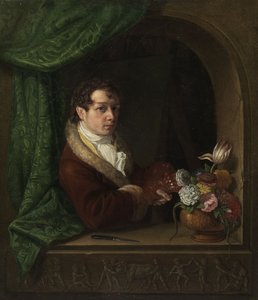
franz ludwig catel
1778 - 1856 , Germany
Kratke činjenice
- Artistic Movement Or Style: Neoclassicism
- Artists Or Movements Influenced By This Artist:
- John Varley
- William Hazlitt
- Artists Who Influenced This Artist:
- Charles Willson Peale
- Rembrandt Harmenszoon van Rijn
- Date Of Birth: Feb 22, 1778
- Date Of Death: Oct 3, 1860
- Full Name: Rembrandt Peale
- Nationality: American
- Notable Artworks:
- Court of Death
- George Washington, Patriae Pater
- Rubens Peale with a Geranium
- Place Of Birth: Near present-day Richboro, PA