

 Pregledaj u prostoru
 Pošalji
 Podeli
 Detalji o delu

 Преузми
 Slični predmeti
 Rendgenski snimak
 Slajdovi
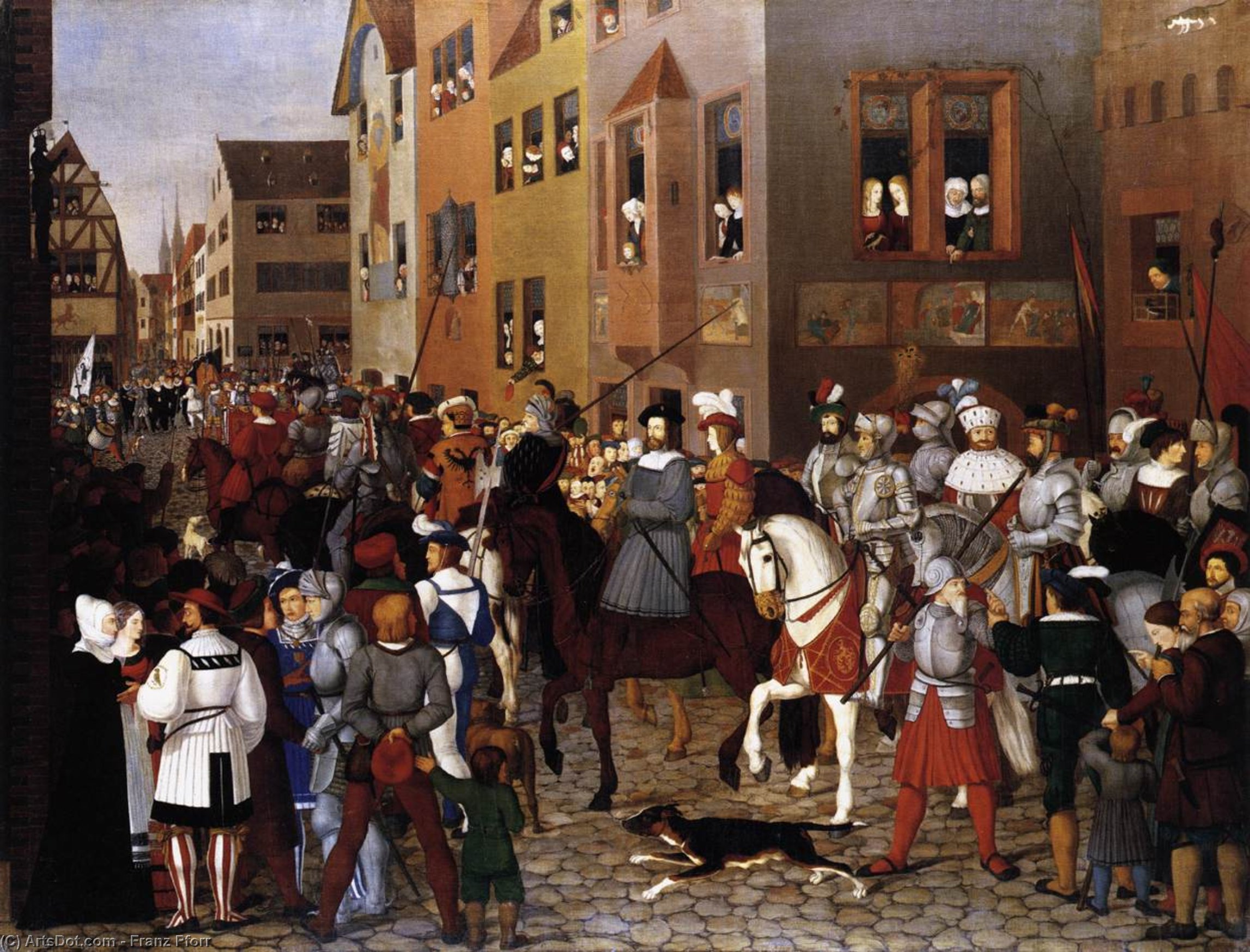
The Entry of Emperor Rudolf of Habsburg into Basel
 Acrylic On Canvas
- WallArt
- Nazarene Movement
 1809
1809 90.0 x 119.0 cm
 Städel Museum
 Pročitaj više
Giclee štampa / Umetnički otisak
Giclée štampa ili print na platnu muzejskog kvaliteta uz brzu proizvodnju i fleksibilne opcije završne obrade. ( Kupi ručno naslikanu sliku Kupi digitalnu sliku)




P118B $10

P118H $10

P118W $10

P438Z $10

P508JH $12

P508YH $12

P805H $10

P805Z $10

P919BZ $10

P919G $10

P919XJ $10

P959ZH $10

P968JZ $12

W106C $8

W218G $10

W218JH $8

W218Y $10

W307PJ $10

W316G $10

W316PJ $8

W316Y $10

W398PJ $8

W4111J $10

W500HY $15

W500JH $15

W692G $12

W849H $8

W940BG $15

W953PJ $8




Izaberite jednu od naših unapred definisanih veličina koje odgovaraju originalnim proporcijama umetničkog dela.

Možete uneti sopstvene dimenzije kako biste umetničko delo prilagodili specifičnom okviru ili prostoru. Ako odabrani format ne odgovara proporcijama originalne slike, mi ćemo ili iscrtati deo dela ili proširiti sliku pomoću ogledane ivice ili jednobojnog popunjavanja. Digitalni prikaz će vam biti poslat na odobrenje pre početka proizvodnje.
Imajte na umu da pregled na ekranu ne odražava stvarno iscrtavanje ili proširivanje. Samo će prikaz (mockup) precizno pokazati finalnu kompoziciju.
Iako su prilagođene dimenzije dostupne, preporučujemo da odaberete dimenziju sa unapred definisane liste kako biste očuvali originalne proporcije.
Dostava širom sveta () za 2 nedelje umesto uobičajenih 4/5 nedelja. (1 септембар)

Besplatna ekspresna dostava širom sveta

Visokokvalitetno laneno platno

Kompletno osiguranje transporta

Garancija povraćaja carine i uvoznih dažbina

Garancija vernosti boja

Politika povrata u roku od 60 dana (samo u slučaju nedostataka)

Garancija povrata novca od 100%

Popust pri grupnoj kupovini
 Opcija sa staklom dostupna je samo za dimenzije manje od 110 cm

The Entry of Emperor Rudolf of Habsburg into Basel
Giclee štampa / Umetnički otisak
Dimenzije reprodukcije
-


Konačna cena
$ 62
The Grand Entry: Franz Pforr’s Vision of Habsburg Power
Franz Pforr's "The Entry of Emperor Rudolf of Habsburg into Basel," painted in 1809, is more than just a historical depiction; it’s a carefully constructed tableau of imperial authority and nascent Romanticism. This monumental oil on canvas transports the viewer to a pivotal moment – the arrival of Rudolf I, the first elected King of the Romans, in the bustling city of Basel in 1273. Pforr, a key figure within the Nazarene movement, eschewed the prevailing Neoclassical trends of his time, instead embracing a style rooted in the perceived sincerity and spiritual depth of early Christian art. The painting isn’t merely a record of an event; it's a deliberate evocation of a bygone era, imbued with a potent sense of national pride and dynastic ambition.
The scene unfolds with dramatic immediacy. Rudolf, depicted as a youthful and vigorous figure astride a magnificent warhorse, dominates the composition. His posture exudes confidence and power, while his entourage – knights in gleaming armor, richly dressed officials, and a throng of cheering citizens – reinforces the image of imperial grandeur. The artist masterfully employs perspective to draw the eye towards the central action, creating a dynamic sense of movement as the procession surges into the city gates. Note the careful attention to detail: the intricate embroidery on the clothing, the polished armor reflecting the light, and the expressions of excitement and reverence on the faces of the onlookers all contribute to the painting’s immersive quality.
The Nazarene Aesthetic: A Return to Spiritual Roots
Pforr's artistic choices are deeply informed by the principles of the Nazarene movement. Rejecting the polished surfaces and idealized forms favored by many contemporary artists, he opted for a deliberately rough and expressive style. The colors are rich and vibrant, yet tempered with a sense of muted intensity – a characteristic often associated with the use of oil paints in layers to achieve depth and luminosity. The figures themselves are rendered with a degree of simplification, prioritizing emotional impact over meticulous realism. This stylistic approach reflects the Nazarenes’ desire to reconnect with the spiritual essence of art, believing that true beauty resided not in superficial appearances but in conveying profound religious themes.
Furthermore, Pforr's use of light and shadow is particularly noteworthy. The scene is bathed in a warm, golden glow, suggesting both the auspiciousness of the occasion and the inherent dignity of the Habsburg dynasty. The artist skillfully employs chiaroscuro – the dramatic contrast between light and dark – to sculpt the forms of the figures and create a sense of three-dimensionality. This technique not only enhances the painting’s visual impact but also serves to heighten its emotional resonance, drawing the viewer's attention to key elements within the composition.
Symbolism and Historical Context
The "Entry of Emperor Rudolf" is laden with symbolic meaning. Rudolf I was a pivotal figure in German history, marking the beginning of the Habsburg dynasty’s rise to prominence. His election as King of the Romans signaled a return to stability after decades of political fragmentation and paved the way for the empire's eventual expansion under subsequent rulers. The painting, therefore, functions as both a historical record and a carefully crafted propaganda piece, designed to legitimize the Habsburg claim to power and inspire loyalty among the German populace.
Basel itself holds significance within this narrative. As a major trading center and a strategically important city in the heart of the Holy Roman Empire, Basel served as the perfect stage for Rudolf’s triumphant arrival. The painting captures not only the emperor's personal journey but also the broader ambitions of the Habsburg dynasty to consolidate its influence across Central Europe. The inclusion of the dog, likely accompanying one of the riders, adds a touch of humanity and reinforces the image of Rudolf as a benevolent ruler who cares for his people.
A Legacy of Romantic Vision
Franz Pforr’s “The Entry of Emperor Rudolf of Habsburg into Basel” stands as a remarkable example of early 19th-century art, blending historical accuracy with emotional intensity and stylistic innovation. It is a testament to the Nazarene movement's commitment to spiritual expression and its rejection of prevailing artistic conventions. The painting’s dramatic composition, rich colors, and evocative symbolism continue to captivate viewers today, offering a glimpse into a pivotal moment in German history and a profound meditation on power, ambition, and the enduring legacy of the Habsburg dynasty. Reproductions of this powerful artwork offer a stunning window into a bygone era, bringing the grandeur of imperial Europe vividly to life.
Srodna umetnička dela
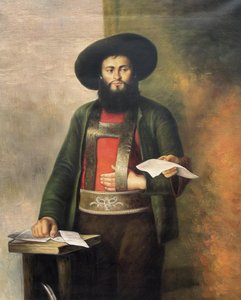
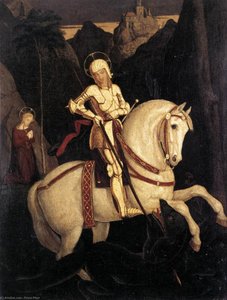
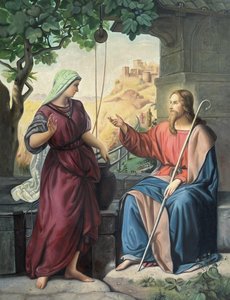
Biografija umetnika
Franz Pforr: A Pioneer of the Nazarene Movement
Early Life and Training
- Born: 1788 in Frankfurt am Main, Hesse, Germany.
- Franz Pforr received his initial artistic training from his father, Johann Georg Pforr, a painter himself.
- His uncle, Johann Heinrich Tischbein the Younger, an art professor and gallery inspector, also played a crucial role in his early development.
- He continued his studies at the Academy of Fine Arts in Vienna, laying the foundation for his future artistic pursuits.
The Nazarene Movement and Roman Period
- In 1810, Pforr moved to Rome alongside fellow artists including Johann Friedrich Overbeck, Ludwig Vogel, and Johann Konrad Hottinger.
- The Nazarene Movement: This group sought a return to the perceived purity of early Christian art, rejecting what they saw as the superficiality of contemporary styles.
- They resided at the abandoned monastery of Sant’Isidoro a Capo le Case, fostering a communal and spiritually focused artistic environment.
- Overbeck became a significant influence during this period, shaping Pforr's aesthetic direction.
Artistic Style and Themes
- Pforr’s work is characterized by its Romanticism and deep religious sentiment.
- He focused on historical and biblical subjects, often depicting scenes with a sense of solemnity and spiritual intensity.
- Chiaroscuro, the dramatic use of light and shadow, is prominent in his paintings, enhancing their emotional impact.
- His style blended elements of German Romanticism with the ideals of the Nazarenes – a focus on simplicity, sincerity, and spiritual depth.
Major Works
- The Entry of Emperor Rudolf of Habsburg into Basel: A historical painting showcasing Pforr’s narrative skill.
- St George and the Dragon: Demonstrates his ability to depict dramatic scenes with religious symbolism.
- Shulamit and Mary: An example of his exploration of biblical themes and intimate portrayals.
- Raphael, Fra Angelico and Michelangelo over Rome: A tribute to the masters he admired and a reflection of the Nazarene’s reverence for Renaissance art.
- Nocturnal Homecoming: Showcases his skill in Flemish realism with intimate figures.
- Several self-portraits provide insight into his personal appearance and artistic sensibility.
Legacy and Historical Significance
- Early Death: Tragically, Franz Pforr died of tuberculosis in Albano Laziale, Rome, in 1812 at the young age of 24.
- Despite his short life, he left a significant mark on the Nazarene movement and early 19th-century art.
- His work embodies the search for spiritual expression that characterized the Romantic era.
- Pforr’s influence can be seen in the subsequent development of German Romantic painting, inspiring artists to explore religious and historical themes with renewed fervor.
- He remains a notable figure for those studying the intersection of art, religion, and national identity in 19th-century Germany.
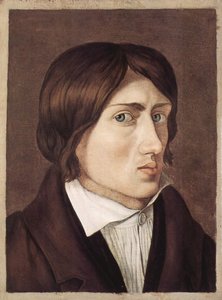
Franz Pforr
1788 - 1812 , Germany
Osnovne informacije
- Birth Date: 1788
- Birth Place: Hesse, Germany
- Death Date: 1812
- Influenced By:
- Johann Georg Pforr
- Johann Heinrich Tischbein the Younger
- Johann Friedrich Overbeck
- Movement: Nazarene movement
- Name: Franz Pforr
- Nationality: German
- Notable Works:
- The Entry of Emperor Rudolf of Habsburg into Basel
- St George and the Dragon
- Shulamit and Mary
- Raphael, Fra Angelico and Michelangelo over Rome
- Nocturnal homecoming
Povezani članci
Franz von Stuck: Symbolism, Decadence & the Pursuit of Ideal Beauty
Explore the captivating world of Franz von Stuck, a leading Symbolist painter. Discover his mythological masterpieces, decadent themes, & investment potential. Expert analysis for discerning collectors.

Franz Bischoff: Bridging Tonalism & Impressionism in California Landscape Painting
Explore the captivating art of Franz Bischoff, a pivotal figure bridging Tonalism & California Impressionism. Discover his stunning landscapes, floral works, and lasting legacy with ArtsDot.
Hans von Aachen: Mannerism's Courtly Visionary & Imperial Portraiture
Explore the captivating world of Hans von Aachen, a leading Mannerist painter renowned for his exquisite imperial portraits & mythological scenes. Discover his legacy and influence on 16th-century European art.
Franz Marc: Expressionism, Spirituality & the Animal Symbolism of a Modern Master
Explore the profound world of Franz Marc's Expressionist paintings. Discover his spiritual connection to animals, innovative use of color, and lasting impact on modern art history. Learn more at ArtsDot.
German Expressionism's 10 Defining Masterpieces | Art for Your Home
Explore 10 defining German Expressionism masterpieces – from Munch's 'The Scream' to Kandinsky’s abstracts. Discover the artists, stories & bold colors behind this powerful art movement. Find museum-quality reproductions at ArtsDot.com.

