

 Pregledaj u prostoru
 Pošalji
 Podeli
 Detalji o delu

 Преузми
 Slični predmeti
 Rendgenski snimak
 Slajdovi
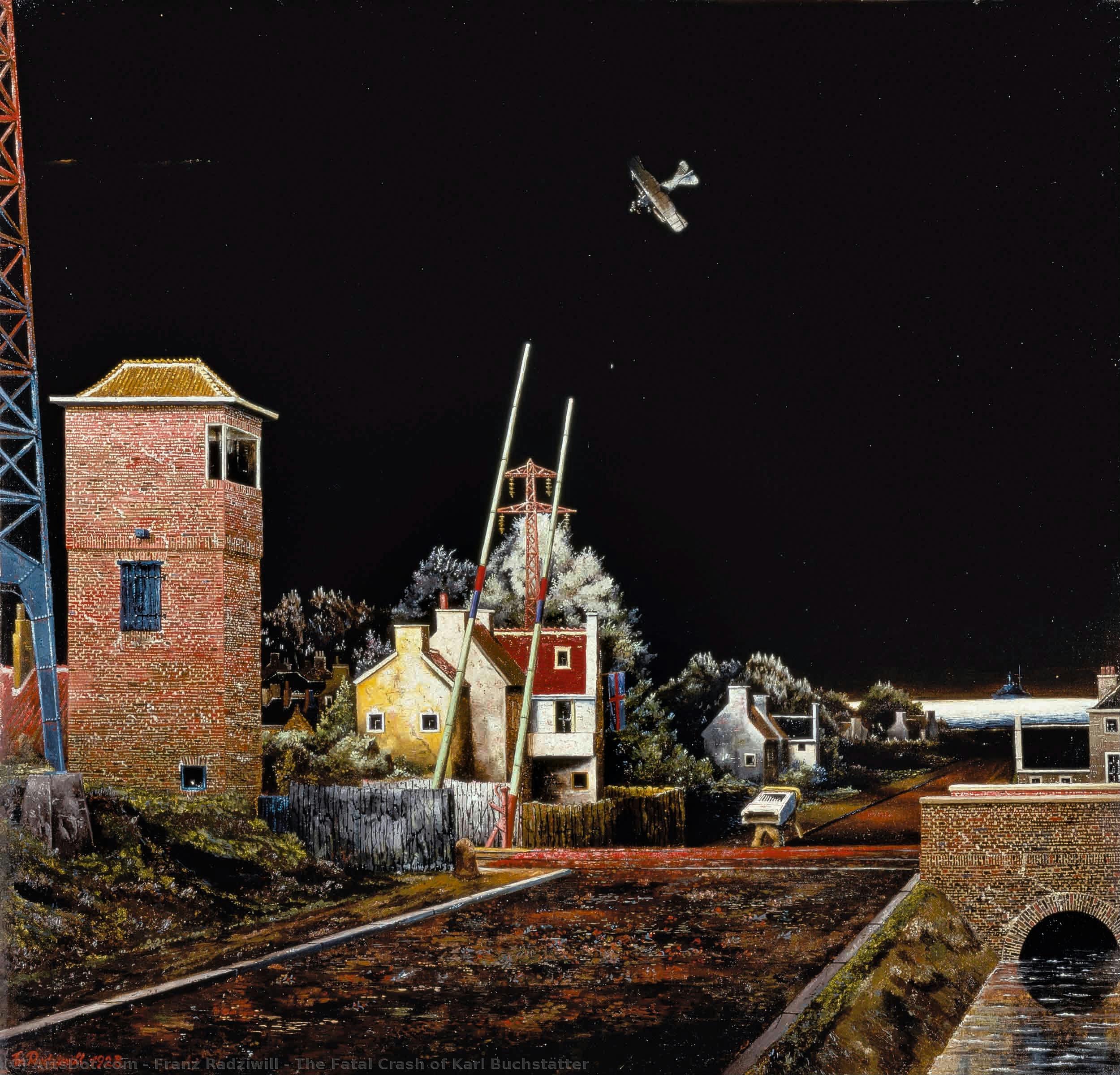
The Fatal Crash of Karl Buchstätter


 Pročitaj više
Ručno rađena uljana reprodukcija
Ručno oslikano uljanim bojama na platnu u dimenzijama i okviru po vašem izboru, izrađeno po porudžbini od strane naših umetnika. ( Kupi print Kupi digitalnu sliku)




P118B $10

P118H $10

P118W $10

P438Z $10

P508JH $12

P508YH $12

P805H $10

P805Z $10

P919BZ $10

P919G $10

P919XJ $10

P959ZH $10

P968JZ $12

W106C $8

W218G $10

W218JH $8

W218Y $10

W307PJ $10

W316G $10

W316PJ $8

W316Y $10

W398PJ $8

W4111J $10

W500HY $15

W500JH $15

W692G $12

W849H $8

W940BG $15

W953PJ $8




Izaberite jednu od naših unapred definisanih veličina koje odgovaraju originalnim proporcijama umetničkog dela.

Можете унети сопствене димензије како бисте прилагодили дело одређеном оквиру или простору. Ако одабрана величина не одговара пропорцијама оригинала, слика ће бити исечена или проширена додатним елементима који се ручно насликавају. Дигитални prikaz ће вам бити послат на одобрење пре почетка производње.
Имајте на уму да преглед на екрану не одражава стварно исецање или проширење. Само приказ (mockup) ће тачно приказати коначну композицију.
Иако су доступне прилагођене величине, препоручујемо да одаберете димензију из дефинисане листе како бисте сачували оригиналне пропорције.
Nakon narudžbine, tim ArtsDot.com će klijentu putem e-pošte poslati uputstva i dostaviti prikaz predloženog rešenja
Isporuka širom sveta () za 3/4 nedelje umesto uobičajenih 5 nedelja. (25 август). Bez kompromisa po pitanju kvaliteta.

Besplatna ekspresna dostava širom sveta

Visokokvalitetno laneno platno

Kompletno osiguranje transporta

Garancija povraćaja carine i uvoznih dažbina

Garancija vernosti boja

Politika povrata u roku od 60 dana (samo u slučaju nedostataka)

Garancija povrata novca od 100%

Popust pri grupnoj kupovini
 Opcija sa staklom dostupna je samo za dimenzije manje od 110 cm

The Fatal Crash of Karl Buchstätter
Tehnika reprodukcije
Dimenzije reprodukcije
-


Konačna cena
$ 263
Opis umetničkog dela
A Frozen Moment of Disaster: Franz Radziwill’s “The Fatal Crash of Karl Buchstätter”
Franz Radziwill's 1928 painting, "The Fatal Crash of Karl Buchstätter," isn’t merely a depiction of an airplane accident; it’s a meticulously crafted tableau of impending doom, steeped in surreal atmosphere and imbued with a haunting sense of foreboding. Born in Strohausen, Germany, in 1895, Radziwill emerged from a background that initially seemed far removed from the world of art – his father was a potter – yet he ultimately forged a distinctive artistic path, aligning himself with the New Objectivity movement and developing a unique style characterized by meticulous detail and a subtle, almost unsettling, magic realism. The painting itself captures a pivotal moment in Radziwill’s career, born from a personal experience: he witnessed the crash of a plane piloted by Karl Buchstätter in 1911, an event that profoundly shaped his artistic vision.
The scene unfolds with startling clarity against a predominantly dark and brooding sky. A biplane, rendered with painstaking detail – its wings catching the light, its fuselage reflecting the muted tones of the landscape – hurtles downwards towards a small, unsuspecting village nestled below. The composition is dominated by this dramatic descent, drawing the viewer’s eye inexorably toward the impending collision. Foreground elements—a sturdy brick structure resembling a level crossing guardhouse—stand as silent sentinels, their barriers pointed defiantly upwards, suggesting a futile attempt to ward off the inevitable. The village itself, composed of tightly packed buildings and railway tracks, appears almost frozen in time, its inhabitants oblivious to the catastrophe about to unfold. Unlike many Surrealist artists who sought to explore the depths of the subconscious through fantastical imagery, Radziwill’s approach is grounded in a carefully constructed realism that subtly transforms the everyday into something profoundly unsettling.
Technique and Materials: A Masterclass in Detail
Radziwill's mastery lies not just in his subject matter but also in his technical execution. The painting is executed primarily in oil on canvas, utilizing a technique he termed “glaze,” building up layers of translucent color to achieve remarkable depth and luminosity. The meticulous rendering of textures—the rough brickwork, the smooth metal of the airplane, the subtle reflections on the water—is astonishing. He employed a careful use of light and shadow, creating an atmosphere that is both realistic and dreamlike. The monochromatic palette – primarily shades of grey, black, and white – amplifies this effect, lending the scene a ghostly quality and emphasizing the drama of the impending crash. The precision with which he captures every detail speaks to his dedication and artistic control, transforming what could have been a simple depiction of an accident into a complex and emotionally resonant work.
Symbolism and Emotional Resonance
Beyond its literal representation of a plane crash, “The Fatal Crash of Karl Buchstätter” is rich in symbolic meaning. The sleeping village represents the vulnerability of human life, the obliviousness to danger that can characterize everyday existence. The pointing barriers of the guardhouse symbolize a futile attempt at protection, highlighting the powerlessness of humanity against forces beyond its control. The biplane itself embodies technological progress—a symbol of speed and modernity—but also foreshadows destruction. Radziwill masterfully juxtaposes these elements to create an atmosphere of anxiety and suspense, prompting viewers to contemplate themes of fate, mortality, and the collision between tradition and innovation. The painting’s emotional impact is profound; it evokes a sense of unease, a feeling that something terrible is about to happen, leaving a lasting impression long after viewing.
Historical Context: New Objectivity and German Art
Radziwill's work emerged during the period known as “New Objectivity” (Neue Sachlichkeit) in Germany—a movement that reacted against the expressive excesses of Expressionism. Artists within this group sought to depict reality with unflinching honesty, often focusing on industrial landscapes, urban scenes, and everyday life. However, Radziwill’s approach transcends mere realism; he infuses his paintings with a subtle surrealism, transforming familiar subjects into unsettling narratives. His association with the Novembergruppe further contextualizes his work, placing it within a broader artistic dialogue about modernity, technology, and the changing face of Germany in the interwar period. The painting stands as a testament to Radziwill’s ability to capture both the beauty and the inherent anxieties of the modern world.
Srodna umetnička dela


Povezani članci

Dark Masterpieces: 10 Iconic Paintings Dominated by Black Tones |
Explore 10 iconic paintings dominated by black tones, from Rembrandt’s chiaroscuro to Goya's dark expressions. Discover the stories behind these masterpieces & find museum-quality art reproductions for your home at .
Mars Black Masterpieces: 10 Iconic Paintings & Timeless Art Decor Ideas
Delve into the power of 'Mars Black' with 10 iconic paintings by masters like Rembrandt & Caravaggio. Explore dramatic chiaroscuro, gothic art, and timeless beauty. Find museum-quality reproductions & elevate your home decor on .
German Expressionism's 10 Defining Masterpieces | Art for Your Home
Explore 10 defining German Expressionism masterpieces – from Munch's 'The Scream' to Kandinsky’s abstracts. Discover the artists, stories & bold colors behind this powerful art movement. Find museum-quality reproductions at ArtsDot.com.
Lamp Black & Masterpieces: 10 Paintings That Define Shadow & Light |
Delve into the captivating world of 'Lamp Black' tones with 10 iconic paintings by masters like Rembrandt & Caravaggio. Explore Baroque chiaroscuro, dramatic lighting & shadow in art history. Find museum-quality reproductions at
Ivory Black Masters: 10 Paintings That Define Dramatic Art |
Delve into the power of 'Ivory Black' with 10 iconic paintings by masters like Rembrandt & Caravaggio. Explore dramatic chiaroscuro, gothic moods & timeless art history. Find museum-quality reproductions and elevate your home decor at

