 Pregledaj u prostoru
 Pošalji
 Podeli
 Detalji o delu

 Преузми
 Slični predmeti
 Rendgenski snimak
 Slajdovi
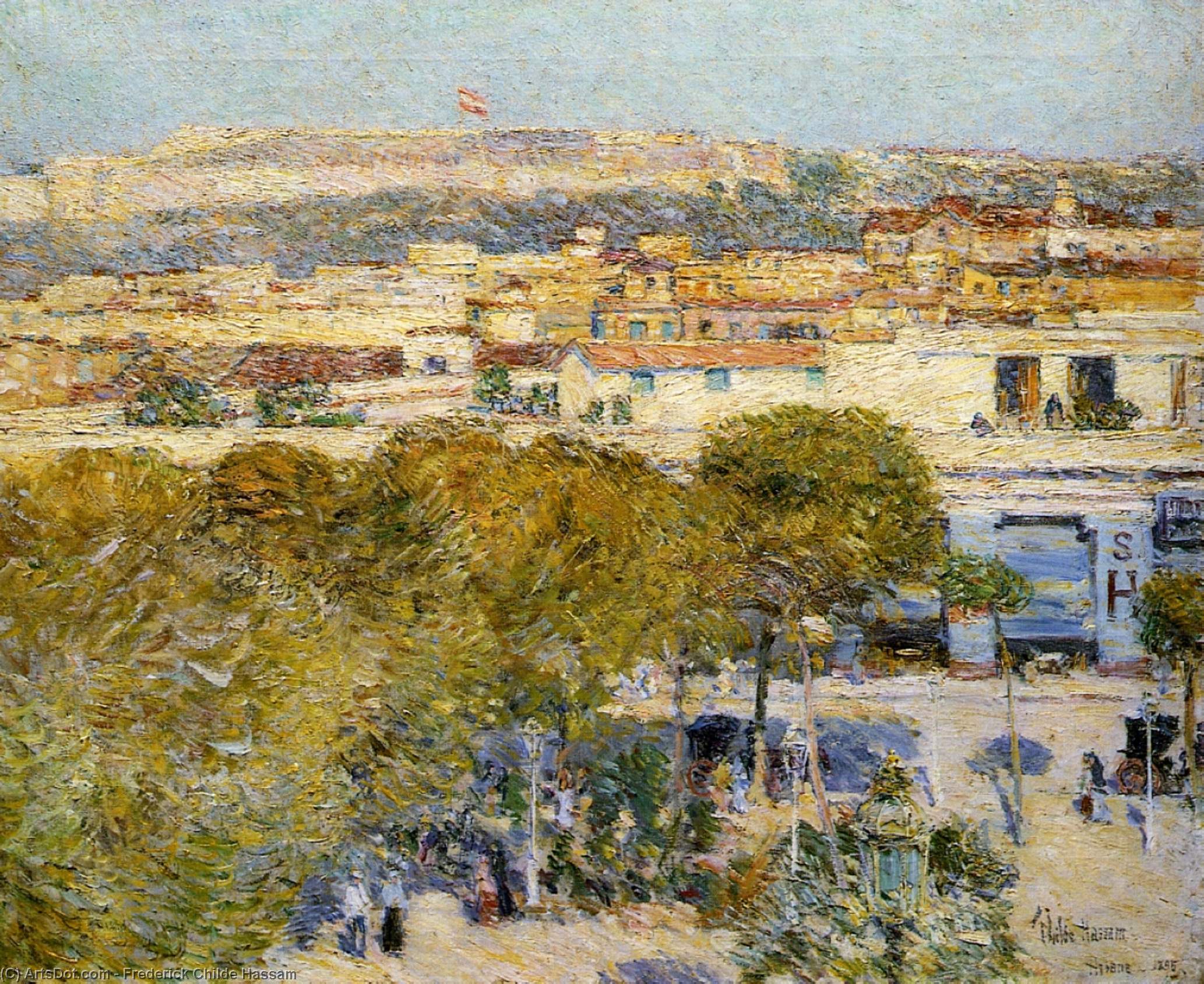
Place Centrale and fort Cabanas, Havana


 Pročitaj više
Ručno rađena uljana reprodukcija
Ručno oslikano uljanim bojama na platnu u dimenzijama i okviru po vašem izboru, izrađeno po porudžbini od strane naših umetnika. ( Kupi print Kupi digitalnu sliku)




P118B $10

P118H $10

P118W $10

P438Z $10

P508JH $12

P508YH $12

P805H $10

P805Z $10

P919BZ $10

P919G $10

P919XJ $10

P959ZH $10

P968JZ $12

W106C $8

W218G $10

W218JH $8

W218Y $10

W307PJ $10

W316G $10

W316PJ $8

W316Y $10

W398PJ $8

W4111J $10

W500HY $15

W500JH $15

W692G $12

W849H $8

W940BG $15

W953PJ $8




Izaberite jednu od naših unapred definisanih veličina koje odgovaraju originalnim proporcijama umetničkog dela.

Можете унети сопствене димензије како бисте прилагодили дело одређеном оквиру или простору. Ако одабрана величина не одговара пропорцијама оригинала, слика ће бити исечена или проширена додатним елементима који се ручно насликавају. Дигитални prikaz ће вам бити послат на одобрење пре почетка производње.
Имајте на уму да преглед на екрану не одражава стварно исецање или проширење. Само приказ (mockup) ће тачно приказати коначну композицију.
Иако су доступне прилагођене величине, препоручујемо да одаберете димензију из дефинисане листе како бисте сачували оригиналне пропорције.
Nakon narudžbine, tim ArtsDot.com će klijentu putem e-pošte poslati uputstva i dostaviti prikaz predloženog rešenja
Isporuka širom sveta () za 3/4 nedelje umesto uobičajenih 5 nedelja. (21 август). Bez kompromisa po pitanju kvaliteta.

Besplatna ekspresna dostava širom sveta

Visokokvalitetno laneno platno

Kompletno osiguranje transporta

Garancija povraćaja carine i uvoznih dažbina

Garancija vernosti boja

Politika povrata u roku od 60 dana (samo u slučaju nedostataka)

Garancija povrata novca od 100%

Popust pri grupnoj kupovini
 Opcija sa staklom dostupna je samo za dimenzije manje od 110 cm

Place Centrale and fort Cabanas, Havana
Tehnika reprodukcije
Dimenzije reprodukcije
-


Konačna cena
$ 263
Opis umetničkog dela
Place Centrale and fort Cabanas, Havana – A Snapshot of Parisian Impressionism’s Embrace
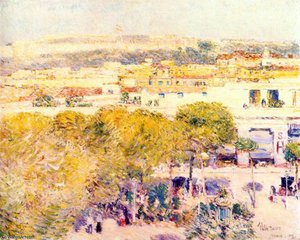
Frederick Childe Hassam's Place Centrale and fort Cabanas, Havana, painted in 1895, stands as a remarkable testament to the burgeoning American Impressionist movement. More than just a depiction of Havana’s cityscape—a city brimming with architectural grandeur and vibrant social life—it embodies Hassam’s profound engagement with capturing fleeting moments of everyday experience, mirroring the core tenets of Impressionism itself. The painting resides within the Detroit Institute of the Arts collection, ensuring its enduring presence as an exemplar of artistic vision during a transformative period in American art history.The Artistic Vision: Harmonizing Observation and Emotion
Hassam’s approach wasn't merely about accurately portraying what he saw; it was about conveying how he *felt*. Like many Impressionists who had traveled to Paris, Hassam absorbed the influence of artists such as Monet and Renoir, adapting their techniques to depict American subjects. He skillfully blended Impressionistic brushstrokes with meticulous detail—a duality that elevates Place Centrale beyond a simple landscape into an emotionally resonant portrayal of urban life. The composition prioritizes balance, positioning Fort Cabanas prominently in the background while simultaneously immersing viewers within the bustling central square. This strategic arrangement directs attention towards the dynamic interplay of light and color, crucial elements in Impressionist aesthetics.Technique and Color Palette: Capturing Light’s Dance
The painting's execution showcases Hassam’s mastery of oil paint on canvas—a medium favored by Impressionists for its ability to capture subtle tonal variations and luminous effects. Loose, visible brushstrokes dominate the surface, creating a textured impression that mimics the dappled sunlight filtering through Havana’s foliage. Hassam employs a warm color palette dominated by ochres, yellows, and reds, mirroring the hues of Havana's buildings and enhancing the painting's overall vibrancy. These colors aren’t merely decorative; they serve to evoke a sense of warmth, energy, and optimism—reflecting the spirit of the era and Hassam’s desire to convey an authentic experience of urban life.Historical Context: Havana as Inspiration
Painted during a period of significant social and economic change in Cuba, Place Centrale reflects Hassam's fascination with documenting the evolving landscape of American cities. Havana was experiencing rapid modernization, attracting tourists and artists alike—a trend that mirrored broader developments across Europe and North America. The inclusion of details like a bicycle parked on the street underscores the burgeoning influence of industrialization and contributes to the painting’s narrative quality. Hassam's work speaks to a larger cultural dialogue about capturing the beauty and dynamism of modern life, cementing his place as one of the foremost chroniclers of American Impressionism.Symbolic Resonance: Beyond Representation
While seemingly straightforward in its depiction of Havana, Place Centrale possesses subtle symbolic resonance. The hill dominating the background represents stability amidst the movement of the city—a visual metaphor for Hassam’s artistic ambition to transcend mere representation and convey deeper emotional truths. Furthermore, the figures scattered throughout the square embody the collective experience of urban life—highlighting the importance of human interaction within a changing environment. Ultimately, Place Centrale invites contemplation on themes of progress, beauty, and the enduring power of observation.Srodna umetnička dela
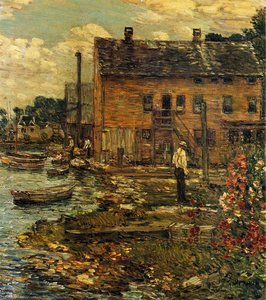
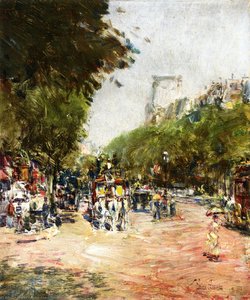
Biografija umetnika
A Pioneer of American Impressionism: The Life and Art of Frederick Childe Hassam
Frederick Childe Hassam was an American Impressionist painter, noted for his urban and coastal scenes. Along with Mary Cassatt and John Henry Twachtman, he championed artistic independence and helped to establish Impressionism as a legitimate movement within the United States. His unwavering commitment to capturing light and color—traits that would define his entire oeuvre—secured his place among the most influential figures in American art history. Born in Boston on October 17, 1859, Hassam’s early life was marked by an innate fascination with drawing and painting. Unlike many aspiring artists of his time who pursued formal training abroad, Hassam honed his skills primarily through self-study and practical experience, initially honing his craft as an illustrator for publications like *Harper's Weekly* and *Scribner’s Monthly*. This formative period instilled in him a keen observational eye—a characteristic that would become central to his distinctive artistic style. He possessed a remarkable ability to distill complex visual information into simplified forms, prioritizing clarity of composition and tonal harmony above elaborate ornamentation.Early Career and Influences: From Illustration to Landscape Painting
Hassam’s initial professional endeavors focused on illustration work for periodicals, providing him with invaluable experience in capturing fleeting moments and conveying narrative through visual imagery. This early exposure to printmaking techniques—particularly etching—influenced his later artistic explorations and contributed to the development of his signature tonalist style. He drew inspiration from European Impressionists like Claude Monet and Edgar Degas, absorbing their innovative approaches to color and brushwork while simultaneously forging a path toward artistic expression that was uniquely American. Monet’s exploration of atmospheric effects—particularly the interplay of light and shadow—served as a guiding principle for Hassam's landscapes, encouraging him to prioritize tonal gradations over precise delineation. Similarly, Degas’s depictions of dancers—characterized by dynamic poses and subtle gestures—inspired Hassam’s interest in capturing movement and conveying emotion through visual form.The Urban Landscape: Capturing the Spirit of Modern New York
Hassam's artistic vision centered on portraying the vibrant energy of urban life, particularly New York City. He recognized that Impressionism could transcend mere topographical representation, transforming ordinary scenes into evocative expressions of mood and atmosphere. His paintings—such as *The Soaring Staircase* (1895) and *Fifth Avenue at Dusk* (1897)—capture the bustling activity of city streets with remarkable precision and sensitivity. Hassam skillfully employed color palettes that mirrored the changing light conditions, creating luminous compositions that conveyed a palpable sense of immediacy. He wasn’t merely documenting architectural structures; he was conveying the psychological impact of urban environments—the exhilaration of movement, the quiet contemplation of domestic interiors, and the social interactions that shaped daily life.Notable Achievements: Artistic Independence and Recognition
Hassam's unwavering dedication to artistic independence culminated in his involvement with “The Ten American Painters,” a collective founded in 1897 as a defiant assertion against the conservative biases of the Society of American Artists. This group—which included luminaries like John Henry Twachtman, Willard Leroy Metcalf, and Edmund Tarbell—challenged prevailing academic conventions and championed a more progressive aesthetic sensibility. Hassam served as the inaugural president of The Ten, solidifying his leadership role within the burgeoning American art scene. His commitment to portraying American subjects—particularly landscapes and urban vistas—earned him widespread acclaim and cemented his reputation as one of the foremost Impressionist painters of his era.Legacy: An Enduring Influence on Subsequent Artists
Frederick Childe Hassam passed away in East Hampton, New York, on August 27, 1935, leaving behind a prodigious artistic legacy that continues to inspire artists today. His pioneering exploration of tonalism—characterized by subtle gradations of color and meticulous attention to detail—established a distinctive stylistic tradition within American Impressionism. Hassam’s unwavering belief in capturing the essence of his time—the dynamism of urban life and the beauty of the natural world—remains profoundly relevant, reminding us that art can serve as both a reflection of history and a catalyst for creative innovation. His paintings—particularly those depicting American flags—stand as enduring symbols of patriotism and civic pride, securing his place among the most revered figures in American artistic heritage.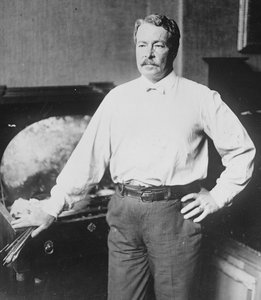
Фредерик Хассам
1859 - 1935 , САД
Osnovne informacije
- Artistic Movement Or Style: Импресионизам
- Artists Or Movements Influenced By This Artist: ['Импресионизам']
- Artists Who Influenced This Artist: ['Клод Моне']
- Date Of Birth: Октобар 17, 1859
- Date Of Death: Август 27, 1935
- Full Name: Frederick Childe Hassam
- Nationality: Американац
- Notable Artworks:
- Мајда у Мисти
- МТ. Бекон при Неубургу
- Јежукс Бокс
- Глостер
- Соната
- Place Of Birth: Бостон, САД
Povezani članci
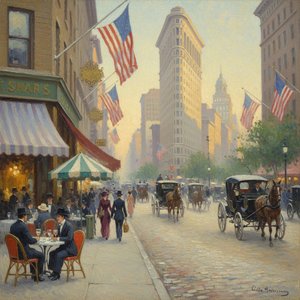
Frederick Childe Hassam: American Impressionism's Chronicler of Light & Modern Life
Explore the captivating world of Frederick Childe Hassam, a pioneer of American Impressionism. Discover his iconic paintings capturing light, urban life & coastal beauty. Learn about his legacy and influence on American art history.
Urban Visions: A Historical & Artistic Exploration of the Cityscape in Painting
Explore the evolution of cityscape painting from historical maps to Impressionist masterpieces. Discover artists like Caillebotte, Utrillo & Matsumoto Shunsuke. Find museum-quality reproductions at ArtsDot.
Concrete Narratives: Exploring Urban Life in Modern & Contemporary Art
Explore the evolution of cityscape painting with ArtsDot. Discover key artists from Realism to contemporary movements & invest in timeless urban visions. Expert guidance, museum-quality reproductions.
Urban Visions: A Historical & Artistic Exploration of the Cityscape in Painting
Explore the evolution of cityscape painting from historical maps to Impressionist masterpieces. Discover artists like Caillebotte & Utrillo. Find museum-quality reproductions at ArtsDot.
Concrete Visions: Exploring the Urban Landscape in Painting – From Realism to Contemporary Art
Explore the evolution of cityscape painting from Realism to contemporary art with ArtsDot. Discover key artists & invest in timeless urban visions. Expert guidance, museum-quality reproductions.