 Pregledaj u prostoru
 Pošalji
 Podeli
 Detalji o delu

 Преузми
 Slični predmeti
 Rendgenski snimak
 Slajdovi
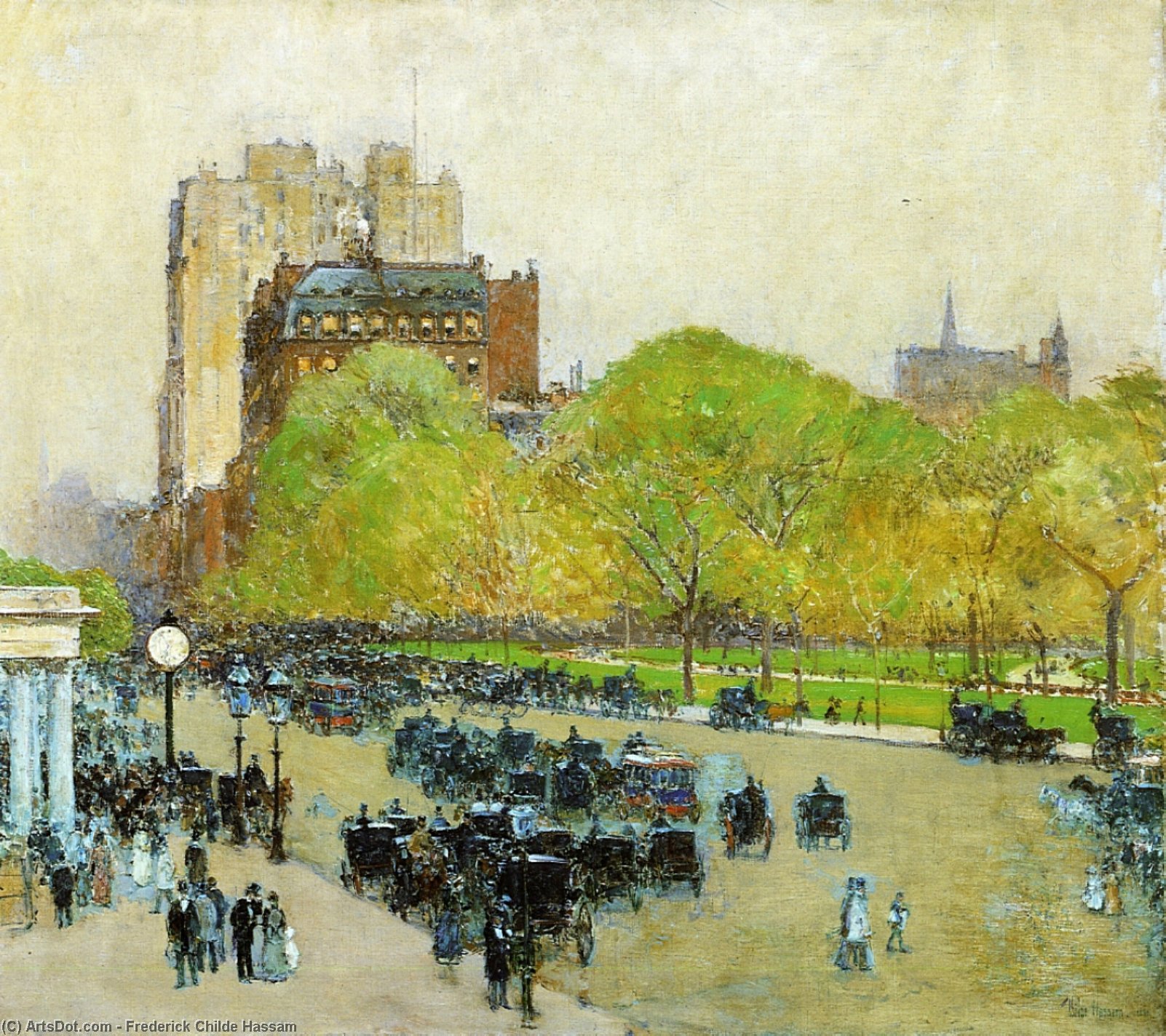
Spring Morning in the Heart of the City (also known as Madison Square, New York)


 Pročitaj više
Giclee štampa / Umetnički otisak
Giclée štampa ili print na platnu muzejskog kvaliteta uz brzu proizvodnju i fleksibilne opcije završne obrade. ( Kupi ručno naslikanu sliku Kupi digitalnu sliku)




P118B $10

P118H $10

P118W $10

P438Z $10

P508JH $12

P508YH $12

P805H $10

P805Z $10

P919BZ $10

P919G $10

P919XJ $10

P959ZH $10

P968JZ $12

W106C $8

W218G $10

W218JH $8

W218Y $10

W307PJ $10

W316G $10

W316PJ $8

W316Y $10

W398PJ $8

W4111J $10

W500HY $15

W500JH $15

W692G $12

W849H $8

W940BG $15

W953PJ $8




Izaberite jednu od naših unapred definisanih veličina koje odgovaraju originalnim proporcijama umetničkog dela.

Možete uneti sopstvene dimenzije kako biste umetničko delo prilagodili specifičnom okviru ili prostoru. Ako odabrani format ne odgovara proporcijama originalne slike, mi ćemo ili iscrtati deo dela ili proširiti sliku pomoću ogledane ivice ili jednobojnog popunjavanja. Digitalni prikaz će vam biti poslat na odobrenje pre početka proizvodnje.
Imajte na umu da pregled na ekranu ne odražava stvarno iscrtavanje ili proširivanje. Samo će prikaz (mockup) precizno pokazati finalnu kompoziciju.
Iako su prilagođene dimenzije dostupne, preporučujemo da odaberete dimenziju sa unapred definisane liste kako biste očuvali originalne proporcije.
Dostava širom sveta () za 2 nedelje umesto uobičajenih 4/5 nedelja. (30 август)

Besplatna ekspresna dostava širom sveta

Visokokvalitetno laneno platno

Kompletno osiguranje transporta

Garancija povraćaja carine i uvoznih dažbina

Garancija vernosti boja

Politika povrata u roku od 60 dana (samo u slučaju nedostataka)

Garancija povrata novca od 100%

Popust pri grupnoj kupovini
 Opcija sa staklom dostupna je samo za dimenzije manje od 110 cm

Spring Morning in the Heart of the City (also known as Madison Square, New York)
Giclee štampa / Umetnički otisak
Dimenzije reprodukcije
-


Konačna cena
$ 62
A Snapshot of Urban Life: Exploring Frederick Childe Hassam’s “Spring Morning in the Heart of the City”
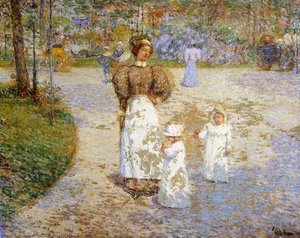
Frederick Childe Hassam's "Spring Morning in the Heart of the City," painted in 1890, stands as a quintessential emblem of American Impressionism and captures a moment frozen in time—a vibrant depiction of Madison Square during the burgeoning days of New York’s industrial era. More than just a picturesque cityscape, this artwork delves into themes of modernity, leisure, and the subtle beauty found within everyday urban experiences. Hassam's masterful technique skillfully blends observation with artistic interpretation, resulting in an image that resonates deeply with viewers even today.The Impressionistic Vision: Technique and Color Palette
Hassam’s approach to painting distinguished him from many European contemporaries who favored meticulous realism. Instead, he embraced the tenets of Impressionism—primarily capturing fleeting impressions of light and color rather than striving for photographic accuracy. Loose brushstrokes dominate the canvas, conveying a sense of movement and atmosphere. Notice how Hassam utilizes broken color – applying pigment in small patches alongside each other – to create luminous hues that shimmer and blend seamlessly. The predominant palette leans towards pastel shades of pinks, yellows, and greens, mirroring the blossoming springtime season and injecting an uplifting mood into the scene. These colors aren’t merely decorative; they actively contribute to conveying the feeling of warmth and vitality characteristic of the period.A Window Into Victorian New York: Historical Context
“Spring Morning” emerged during a transformative era for New York City—the late 1880s and early 1990s witnessed unprecedented growth fueled by immigration and industrial expansion. The painting reflects this dynamism, portraying a bustling square filled with pedestrians engaged in various activities – businessmen hurrying to their offices, families strolling leisurely, and children playing amidst the urban sprawl. The inclusion of clocks serves as a poignant reminder of the relentless march of time against which these figures exist, highlighting the anxieties and aspirations of Victorian society grappling with rapid modernization. Hassam’s depiction isn't simply documenting a place; it’s conveying a particular psychological state—a sense of optimism tempered by awareness of societal shifts.Symbolism Beyond Surface Beauty: Recurring Motifs
Beyond its visual splendor, “Spring Morning” is laden with symbolic significance. The prominent horse, positioned centrally in the composition, represents strength and tradition amidst the burgeoning modernity of the city. Its presence anchors the viewer to a bygone era while simultaneously emphasizing the enduring spirit of American culture. Furthermore, consider the repetition of clocks—they symbolize not only time but also the pressure to achieve success and productivity within this rapidly evolving environment. Hassam subtly invites contemplation on how individuals navigate change and maintain connection to their roots.Emotional Resonance: Capturing a Moment of Tranquility Amidst Chaos
Ultimately, “Spring Morning in the Heart of the City” succeeds in conveying an unexpectedly serene emotional experience. Despite the busy street scene depicted, Hassam’s masterful brushwork creates a palpable sense of calm and beauty—a testament to his ability to distill complex emotions into simple visual elements. The painting encourages viewers to pause and appreciate the subtle wonders of urban life, reminding us that even amidst the hustle and bustle of modern existence, moments of tranquility and inspiration can be found. It’s a piece that speaks to our enduring fascination with capturing fleeting beauty and conveying profound human experience.Srodna umetnička dela
Biografija umetnika
A Pioneer of American Impressionism: The Life and Art of Frederick Childe Hassam
Frederick Childe Hassam was an American Impressionist painter, noted for his urban and coastal scenes. Along with Mary Cassatt and John Henry Twachtman, he championed artistic independence and helped to establish Impressionism as a legitimate movement within the United States. His unwavering commitment to capturing light and color—traits that would define his entire oeuvre—secured his place among the most influential figures in American art history. Born in Boston on October 17, 1859, Hassam’s early life was marked by an innate fascination with drawing and painting. Unlike many aspiring artists of his time who pursued formal training abroad, Hassam honed his skills primarily through self-study and practical experience, initially honing his craft as an illustrator for publications like *Harper's Weekly* and *Scribner’s Monthly*. This formative period instilled in him a keen observational eye—a characteristic that would become central to his distinctive artistic style. He possessed a remarkable ability to distill complex visual information into simplified forms, prioritizing clarity of composition and tonal harmony above elaborate ornamentation.Early Career and Influences: From Illustration to Landscape Painting
Hassam’s initial professional endeavors focused on illustration work for periodicals, providing him with invaluable experience in capturing fleeting moments and conveying narrative through visual imagery. This early exposure to printmaking techniques—particularly etching—influenced his later artistic explorations and contributed to the development of his signature tonalist style. He drew inspiration from European Impressionists like Claude Monet and Edgar Degas, absorbing their innovative approaches to color and brushwork while simultaneously forging a path toward artistic expression that was uniquely American. Monet’s exploration of atmospheric effects—particularly the interplay of light and shadow—served as a guiding principle for Hassam's landscapes, encouraging him to prioritize tonal gradations over precise delineation. Similarly, Degas’s depictions of dancers—characterized by dynamic poses and subtle gestures—inspired Hassam’s interest in capturing movement and conveying emotion through visual form.The Urban Landscape: Capturing the Spirit of Modern New York
Hassam's artistic vision centered on portraying the vibrant energy of urban life, particularly New York City. He recognized that Impressionism could transcend mere topographical representation, transforming ordinary scenes into evocative expressions of mood and atmosphere. His paintings—such as *The Soaring Staircase* (1895) and *Fifth Avenue at Dusk* (1897)—capture the bustling activity of city streets with remarkable precision and sensitivity. Hassam skillfully employed color palettes that mirrored the changing light conditions, creating luminous compositions that conveyed a palpable sense of immediacy. He wasn’t merely documenting architectural structures; he was conveying the psychological impact of urban environments—the exhilaration of movement, the quiet contemplation of domestic interiors, and the social interactions that shaped daily life.Notable Achievements: Artistic Independence and Recognition
Hassam's unwavering dedication to artistic independence culminated in his involvement with “The Ten American Painters,” a collective founded in 1897 as a defiant assertion against the conservative biases of the Society of American Artists. This group—which included luminaries like John Henry Twachtman, Willard Leroy Metcalf, and Edmund Tarbell—challenged prevailing academic conventions and championed a more progressive aesthetic sensibility. Hassam served as the inaugural president of The Ten, solidifying his leadership role within the burgeoning American art scene. His commitment to portraying American subjects—particularly landscapes and urban vistas—earned him widespread acclaim and cemented his reputation as one of the foremost Impressionist painters of his era.Legacy: An Enduring Influence on Subsequent Artists
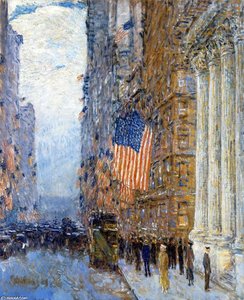
Frederick Childe Hassam passed away in East Hampton, New York, on August 27, 1935, leaving behind a prodigious artistic legacy that continues to inspire artists today. His pioneering exploration of tonalism—characterized by subtle gradations of color and meticulous attention to detail—established a distinctive stylistic tradition within American Impressionism. Hassam’s unwavering belief in capturing the essence of his time—the dynamism of urban life and the beauty of the natural world—remains profoundly relevant, reminding us that art can serve as both a reflection of history and a catalyst for creative innovation. His paintings—particularly those depicting American flags—stand as enduring symbols of patriotism and civic pride, securing his place among the most revered figures in American artistic heritage.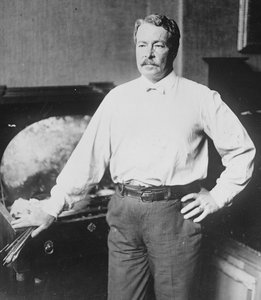
Фредерик Хассам
1859 - 1935 , САД
Osnovne informacije
- Artistic Movement Or Style: Импресионизам
- Artists Or Movements Influenced By This Artist: ['Импресионизам']
- Artists Who Influenced This Artist: ['Клод Моне']
- Date Of Birth: Октобар 17, 1859
- Date Of Death: Август 27, 1935
- Full Name: Frederick Childe Hassam
- Nationality: Американац
- Notable Artworks:
- Мајда у Мисти
- МТ. Бекон при Неубургу
- Јежукс Бокс
- Глостер
- Соната
- Place Of Birth: Бостон, САД
Povezani članci
Frederick Childe Hassam: American Impressionism's Chronicler of Light & Modern Life
Explore the captivating world of Frederick Childe Hassam, a pioneer of American Impressionism. Discover his iconic paintings capturing light, urban life & coastal beauty. Learn about his legacy and influence on American art history.
Capturing a Nation's Light: Exploring the American Impressionist Movement
Explore the captivating world of American Impressionism! Discover key artists, techniques & its lasting impact on art history. Find museum-quality reproductions and expert guidance at ArtsDot.
Herman Armour Webster: Capturing Atmospheric Light in American Impressionism
Explore the captivating world of Herman Armour Webster, an American Impressionist master. Discover his Parisian influences, unique style, and lasting legacy with ArtsDot.
Grant Wood & American Regionalism: Identity, Myth & the Rural Landscape
Explore the world of Grant Wood & American Regionalism with ArtsDot. Discover the symbolism behind 'American Gothic', recurring themes, and the movement's lasting impact on art history. High-quality reproductions available.
American Realism's Defining Works: 10 Masterpieces for Your Home
Explore 10 defining American Realism masterpieces – Hopper, Homer & more. Discover the stories behind these iconic paintings and bring timeless art to your home with ArtsDot's museum-quality reproductions. Explore the full collection online.