

 Pregledaj u prostoru
 Pošalji
 Podeli
 Detalji o delu

 Преузми
 Slični predmeti
 Rendgenski snimak
 Slajdovi
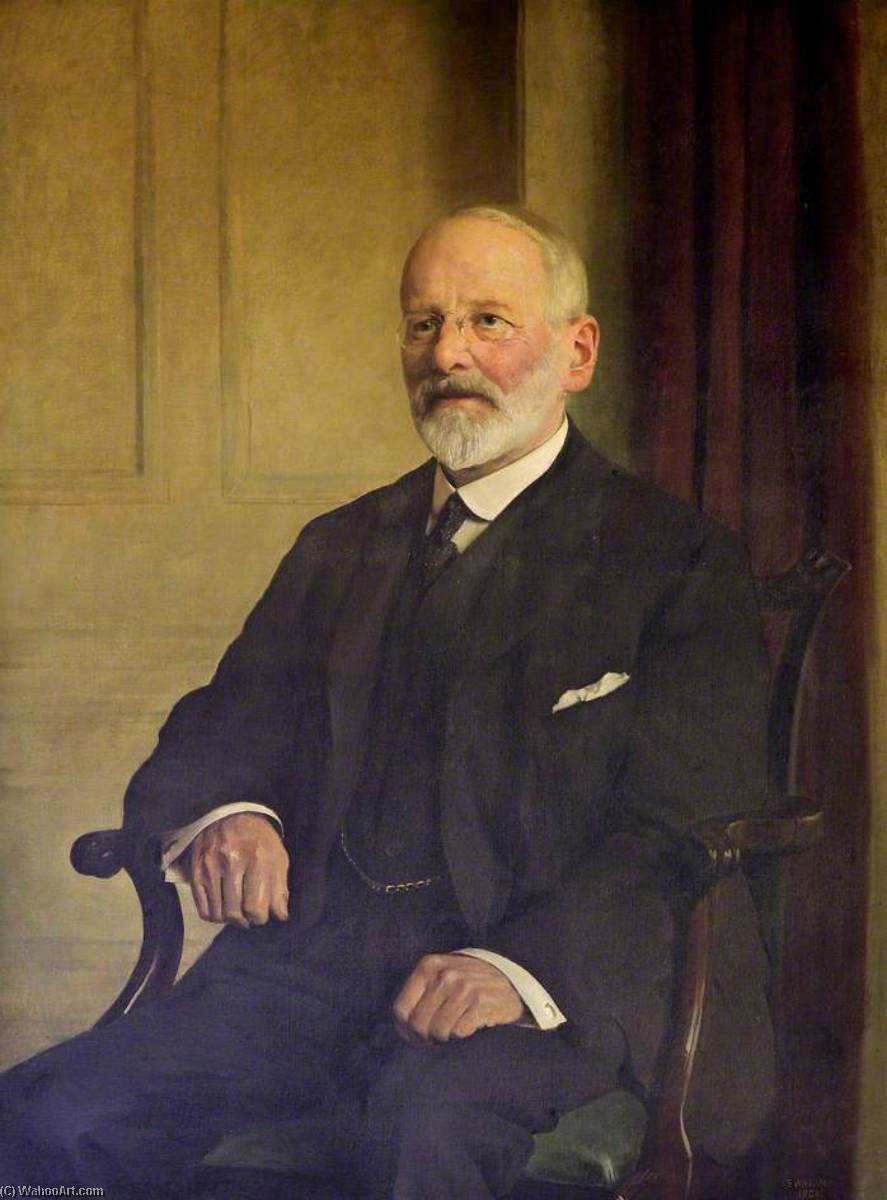
H. H. Wills
 Contemporary Realism
 1921
1921 115.0 x 85.0 cm
 University of Bristol
 Pročitaj više
Ručno rađena uljana reprodukcija
Ručno oslikano uljanim bojama na platnu u dimenzijama i okviru po vašem izboru, izrađeno po porudžbini od strane naših umetnika. ( Kupi print Kupi digitalnu sliku)




































Izaberite jednu od naših unapred definisanih veličina koje odgovaraju originalnim proporcijama umetničkog dela.

Можете унети сопствене димензије како бисте прилагодили дело одређеном оквиру или простору. Ако одабрана величина не одговара пропорцијама оригинала, слика ће бити исечена или проширена додатним елементима који се ручно насликавају. Дигитални prikaz ће вам бити послат на одобрење пре почетка производње.
Имајте на уму да преглед на екрану не одражава стварно исецање или проширење. Само приказ (mockup) ће тачно приказати коначну композицију.
Иако су доступне прилагођене величине, препоручујемо да одаберете димензију из дефинисане листе како бисте сачували оригиналне пропорције.
Nakon narudžbine, tim ArtsDot.com će klijentu putem e-pošte poslati uputstva i dostaviti prikaz predloženog rešenja
Isporuka širom sveta () za 3/4 nedelje umesto uobičajenih 5 nedelja. (23 август). Bez kompromisa po pitanju kvaliteta.

Besplatna ekspresna dostava širom sveta

Visokokvalitetno laneno platno

Kompletno osiguranje transporta

Garancija povraćaja carine i uvoznih dažbina

Garancija vernosti boja

Politika povrata u roku od 60 dana (samo u slučaju nedostataka)

Garancija povrata novca od 100%

Popust pri grupnoj kupovini
 Opcija sa staklom dostupna je samo za dimenzije manje od 110 cm

H. H. Wills
Tehnika reprodukcije
Dimenzije reprodukcije
-


Konačna cena
$ 263
Opis umetničkog dela
The Artist and His Style
Frederick George Swaish was a talented artist known for his realistic and detailed portraits. His style is characterized by the use of rich colors and intricate details, which are evident in the H.H. Wills painting. The artist's ability to capture the essence of his subject is remarkable, making the painting a true masterpiece.The Painting's Significance
The H.H. Wills painting is not only a beautiful work of art but also holds historical significance. It is part of the University of Bristol's collection, which features an impressive array of artworks. Other notable paintings in the collection include Sir Isambard Owen, Vice Chancellor (1909–1921) by Howard Barron and Sir George Alfred Wills, Bt, Treasurer (1909–1913), Chairman of the Council (1914–1926), Pro Chancellor (1921–1928) by Hugh Goldwin Riviere.- The painting is a testament to the artist's skill and attention to detail.
- The subject, H.H. Wills, is depicted with great care and realism.
- The painting is part of the University of Bristol's impressive collection of artworks.
The H.H. Wills painting is a true masterpiece that showcases the artist's skill and attention to detail. Its historical significance and beauty make it a must-see for art lovers and historians alike.
Srodna umetnička dela



Biografija umetnika
Frederick George Swaish: A Maryland Landscape Painter of Subtle Grace
Frederick George Swaish (1879-1931) emerged as a significant figure in late 19th and early 20th-century American art, primarily recognized for his exquisitely detailed watercolor paintings capturing the serene beauty of Maryland’s rural landscapes. Born in Britain but establishing a substantial career in the United States, Swaish possessed a remarkable ability to imbue his scenes with an understated elegance and a profound appreciation for the natural world – qualities that resonated deeply with the aesthetic sensibilities of the Victorian era and beyond.
Swaish’s early life remains somewhat shrouded in detail, though he spent formative years in Guildford, England. His artistic training is believed to have begun under the tutelage of his father, a landscape painter himself, instilling in him a foundational understanding of composition, color theory, and the meticulous observation required for accurate representation. He later studied at the Royal Academy of Arts in London, further refining his technical skills and exposing him to the prevailing artistic trends of the time. However, it was his relocation to America – specifically settling near Baltimore, Maryland – that truly shaped his distinctive style and subject matter.
Maryland’s Pastoral Visions
Swaish's artistic focus quickly settled on the landscapes surrounding Maryland—the rolling hills, verdant farmlands, and quiet waterways of the region. He wasn’t interested in grand vistas or dramatic storms; instead, he sought to capture the subtle nuances of everyday life – a lone farmhouse nestled amongst fields, a meandering stream reflecting the sky, or a gathering of livestock bathed in the golden light of dusk. His paintings are characterized by a remarkable restraint and an avoidance of overt sentimentality. He rarely included human figures, preferring to let the landscape speak for itself, creating a sense of quiet contemplation and timelessness.
His technique was exceptionally precise. Swaish employed a delicate layering of watercolor washes, building up textures and values with painstaking care. He paid close attention to detail, meticulously rendering foliage, water surfaces, and architectural elements. This commitment to realism, combined with his masterful use of light and color, resulted in paintings that possess an almost photographic quality – yet they are far from sterile or detached. There’s a palpable sense of warmth and atmosphere, inviting the viewer to step into the scene and experience its tranquility.
Influences and Artistic Connections
Swaish's artistic development was undoubtedly influenced by the aesthetic currents of his time – particularly the tenets of Aestheticism, which emphasized beauty as an end in itself, independent of moral or utilitarian considerations. He also shared affinities with the Pre-Raphaelites, whose interest in depicting nature and mythology resonated with his own appreciation for the natural world. Furthermore, he was associated with the Royal West of England Academy (RWA), a prestigious organization that fostered artistic exchange and provided opportunities for exhibiting his work.
Notably, Swaish’s portrait of H.H. Wills, a prominent industrialist and art patron, demonstrates his ability to capture both likeness and personality with remarkable skill. This piece showcases his mastery of realism and his understanding of human expression – skills that he applied equally effectively to his landscape paintings.
Legacy and Continuing Appreciation
Despite not achieving widespread fame during his lifetime, Frederick George Swaish’s work has experienced a resurgence in appreciation over the past few decades. His paintings are now recognized for their quiet beauty, technical precision, and evocative portrayal of Maryland's rural landscape. They offer a valuable glimpse into the artistic sensibilities of the late 19th and early 20th centuries – a time when artists sought to find solace and inspiration in the natural world.
His paintings are held in various collections, including those at Art UK and MutualArt, ensuring that his legacy as a skilled landscape painter continues to be celebrated. Swaish’s work serves as a reminder of the enduring power of art to capture the beauty of our surroundings and evoke a sense of peace and contemplation.
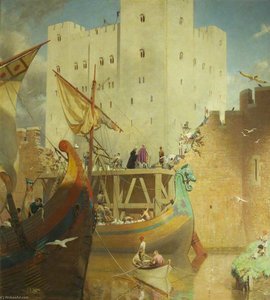
frederick george swaish
1879 - 1931
Osnovne informacije
- Artistic Movement Or Style: Watercolor landscapes
- Artists Or Movements Influenced By This Artist: ['Royal West of England']
- Artists Who Influenced This Artist: ['H. H. Wills']
- Date Of Birth: 1879
- Date Of Death: 1931
- Full Name: Frederick George Swaish
- Nationality: British
- Notable Artworks:
- The Close of Day
- Eve of St Agnes
- Place Of Birth: Britain
Povezani članci

The Enduring Legacy of Oil on Canvas: Technique, History & Aesthetic Impact
Explore the rich history & techniques of oil painting – from Renaissance masters to Impressionism. Discover pigments, layering methods, and why this timeless medium endures. Expert insights for artists & art enthusiasts.

Oil on Canvas: A Historical & Technical Exploration of a Timeless Artistic Medium
Explore the rich history & enduring techniques of oil painting on canvas. Discover the science behind its longevity, conservation practices, and contemporary relevance. Expert insights for art enthusiasts.

The Enduring Power of Painting: A Historical & Contemporary Exploration of Form and Emotion
Explore the rich history & enduring techniques of oil painting with ArtsDot. Discover masterpieces, learn about art collecting, and find authentic handmade reproductions crafted by skilled artists.

Trajnu Ostavština Uljanih Boja na Platnu: Tehnika, Istorija i Savremena Praksa
Istražite bogatu istoriju i savremene tehnike uljanog slikarstva. Saveti stručnjaka, analiza radova velikih majstora i vodiči za biranje kvalitetnih materijala. Otkrijte tajne očuvanja umetničkih dela!
Oil on Board: A Historical Survey of Technique, Aesthetic Qualities & Enduring Appeal
Explore the rich history of oil on board painting! Discover techniques, aesthetic qualities & enduring appeal from early masters to modern practice. Expert insights for collectors and art enthusiasts.

