

 Pregledaj u prostoru
 Pošalji
 Podeli
 Detalji o delu

 Преузми
 Slični predmeti
 Rendgenski snimak
 Slajdovi
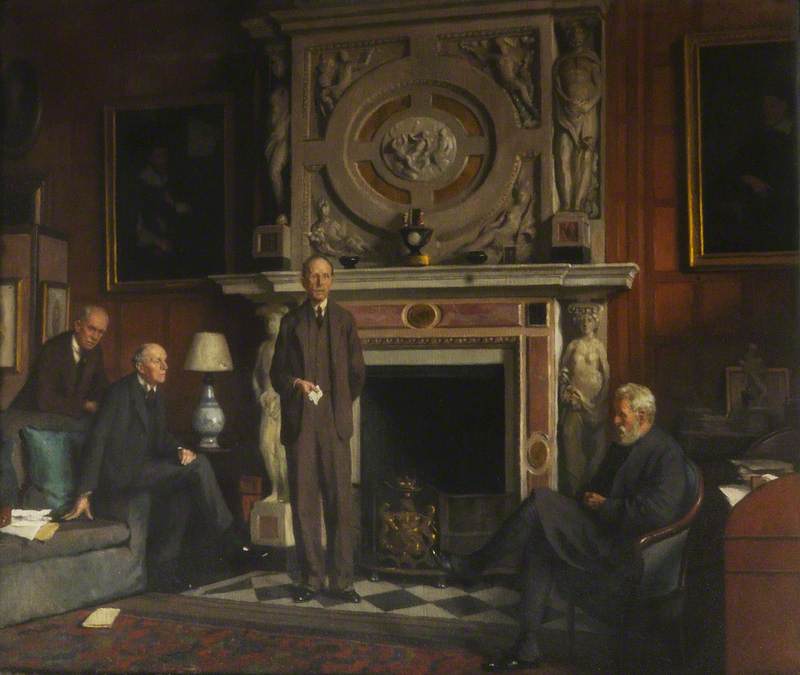
Group Portrait of James (1861–1947), 4th Marquess of Salisbury and His Brothers, Robert (1864–1958), Viscount Cecil of Chelwood Lord William Cecil (1863–1936), Bishop of Exeter Lord Hugh Cecil (1869–1956), Baron Quickswood James, Honorary Fellow (192....
 51.0 x 61.0 cm
 University College
 Pročitaj više
Kupite digitalnu sliku visoke rezolucije i poboljšanog kvaliteta, koja je znatno superiornija od onoga što vidite u online prikazu.
Svaka datoteka je pedantno pripremljena od strane naših stručnjaka koristeći napredne alate i profesionalnu ručnu retušu. Osiguravamo da svaka slika ima izuzetnu oštrinu, preciznu reprodukciju boja i fine detalje.
Konačna datoteka se dostavlja putem e-pošte u roku od 72 sata, optimizovana za neposrednu upotrebu u profesionalnim, izdavačkim i štamparskim okruženjima. To je isti kvalitet kojem veruju vrhunski studiji dizajna, izdavači i galerije.
Digitalna slika
Preuzmite datoteku visoke rezolucije za ličnu upotrebu, štampanje i kreativne projekte. ( Kupi print Kupi ručno naslikanu sliku)
Uključeno uz svaku porudžbinu digitalne slike
Profesionalna digitalna isporuka, zagarantovana
Kada odaberete ArtsDot.com, ne dobijate samo sliku – vi primate profesionalno unapređeno digitalno umetničko delo, izrađeno sa najvećom preciznošću i uz garanciju zadovoljstva. Evo svega što automatski dolazi uz vašu porudžbinu:

Brza dostava putem e-pošte
Vaša digitalna slika visoke rezolucije biće vam poslata putem e-pošte u roku od 72 sata od poručivanja – spremna za trenutnu upotrebu.

Digitalna datoteka unapređena veštačkom inteligencijom
Vaše umetničko delo je profesionalno optimizovano korišćenjem naprednih AI alata i ručne obrade, čime se osiguravaju maksimalni detalji, oštrina i preciznost boja.

Besplatna ponovna isporuka doživotno
Slučajno ste obrisali ili izgubili svoju datoteku? Ne brinite – poslaćemo vam je ponovo u bilo kom trenutku, potpuno besplatno.

Bez troškova uvoza – zauvek
Uživajte u svojim umetničkim delima trenutno, bez carine, dažbina ili troškova dostave – digitalni download je uvek bez poreza.

Garancija vernosti boja
Uz pomoć profesionalnih alata i upravljanja bojama, osiguravamo da vaša digitalna slika što vernije odražava originalne boje.

Garancija zadovoljstva u roku od 60 dana
Ako niste zadovoljni svojom digitalnom slikom, revidirat ćemo je ili vratiti 100% novca u roku od 60 dana – bez ikakvih pitanja.

100% garancija povrata novca
Niste zadovoljni? Obezbedite pun povrat novca u roku od 60 dana od trenutka kada ste primili svoju digitalnu datoteku – bez suvišnih pitanja.

Popusti na velike porudžbine
Kupite 3 slike, uštedite 10% - Kupite 5 slika, uštedite 15% - Kupite 10+ slika, uštedite 20%. Odlično za kreativne projekte, galerije i agencije.
The Subjects
The painting features James Cecil, the 4th Marquess of Salisbury, along with his brothers: Robert Cecil, Viscount Cecil of Chelwood; William Cecil, Bishop of Exeter; and Hugh Cecil, Baron Quickswood. Each brother holds significant titles and positions within British society, reflecting their contributions to politics, religion, and nobility.Artistic Elements
The composition of the painting is notable for its use of a fireplace as a central focal point, around which the brothers are gathered. The inclusion of a couch on the left side and multiple chairs throughout the room suggests a social or intellectual gathering. A clock hanging above the fireplace adds an element of time to the scene, while scattered books indicate a setting conducive to discussion and learning.Historical Context
Robert Cecil, one of the subjects in the painting, was a key figure in the establishment of the League of Nations and received the Nobel Peace Prize in 1937 for his efforts. This historical context adds depth to the painting, highlighting the significance of the individuals depicted.Relevance to Art Collections
This painting is part of a broader collection of artworks that can be found at Exploring the Dover Collections in Dover, United States, which features works by renowned artists such as John Everett Millais and William Richard Waters.Artist's Other Works
Frederick Hawkesworth S Shepherd is known for his detailed and expressive paintings. Some of his other notable works include:- The Music Room (recto)
- Grey Day, Venice (recto)
- Lady Astor Being Introduced to the House of Commons by Lloyd George upon Taking Her Seat
Conclusion
The Group Portrait of James, 4th Marquess of Salisbury and His Brothers by Frederick Hawkesworth S Shepherd is a significant piece that not only showcases the artist's skill but also provides insight into the lives of influential British figures. The painting's detailed composition and historical context make it a valuable addition to any art collection or study of British history. For more information on this painting and other works by Frederick Hawkesworth S Shepherd, visit ArtsDot.com.Srodna umetnička dela









Biografija umetnika
Frederick Hawkesworth Sinclair Shepherd: A Master of Victorian Interiors
Frederick Hawkesworth Sinclair Shepherd (1877 – 1948) remains a quietly significant figure in late nineteenth and early twentieth-century British art, particularly renowned for his evocative depictions of university halls, grand interiors, and intimate portraits. Often overshadowed by the more flamboyant figures of the Aesthetic movement, Shepherd’s work possesses a subtle elegance and profound understanding of light, space, and human connection that deserves greater recognition. His career spanned several decades, marked by consistent artistic refinement and a dedication to capturing the essence of British academic life – from the hallowed halls of Cambridge and Oxford to the comfortable drawing rooms of established families. Shepherd’s early life provided a foundation for his artistic pursuits. Born in Stoke under Ham, Somerset, into a clergyman's family, he received an education at Rugby School, where he honed his observational skills and developed a keen appreciation for classical forms. Further studies at Corpus Christi College, Oxford, and subsequently the Slade School of Fine Art – under the tutelage of Frederick Brown – solidified his technical abilities and exposed him to the burgeoning artistic trends of the time. This formative period instilled in him a deep respect for tradition while simultaneously encouraging experimentation with light and color. Shepherd’s artistic journey truly blossomed as he transitioned from landscapes to interior scenes and portraits. He quickly established himself within the British art world, gaining membership to prestigious organizations such as the New English Art Club in 1912. His work was regularly exhibited at the Royal Academy, a testament to his growing reputation and the quality of his paintings. A pivotal moment in his career came with the commission to paint a “conversation piece” for University College, Oxford – a group portrait capturing the distinguished figures of the college’s dons. This project showcased Shepherd's ability to convey both formality and warmth within a structured composition, reflecting his mastery of portraying human interaction and social dynamics. His style evolved over time, moving from looser, more impressionistic approaches to a refined, almost photographic realism, particularly evident in his detailed renderings of architectural elements and the subtle nuances of light and shadow.The Language of Light and Space: Shepherd’s Technique
Shepherd's paintings are characterized by an extraordinary sensitivity to light – a key element that distinguishes him from many of his contemporaries. He meticulously observed how light interacted with surfaces, creating a sense of depth and atmosphere within his interiors. His use of color was equally deliberate, favoring muted tones and subtle gradations to evoke a feeling of quiet contemplation. He rarely employed dramatic contrasts or bold brushstrokes; instead, he favored a delicate layering technique that allowed the colors to blend seamlessly, producing an almost luminous effect. This approach is particularly evident in works such as “The Music Party,” where the soft glow of candlelight illuminates the figures engaged in musical activity, creating a scene brimming with warmth and conviviality. Furthermore, Shepherd’s meticulous attention to detail – from the intricate carvings on furniture to the textures of fabrics – demonstrates his commitment to capturing the authentic essence of the spaces he depicted. He was not merely painting rooms; he was conveying an experience, a feeling of belonging and connection.Subjects and Influences: Cambridge, Oxford, and Beyond
While Shepherd’s work is often associated with the universities of Cambridge and Oxford – his paintings frequently depict their grand halls, libraries, and common rooms – his subjects extended beyond these academic institutions. He also produced a significant body of portraits, capturing the likenesses of prominent figures from British society, including members of the aristocracy and the upper-middle class. His portraits are notable for their psychological depth, revealing not only the outward appearance of his sitters but also their inner character and personality. Shepherd’s artistic influences were diverse, drawing upon a range of sources – from the academic traditions of the Slade School to the aesthetic ideals of the Pre-Raphaelites and the Impressionists. The influence of the latter is particularly evident in his use of light and color, as well as his interest in capturing fleeting moments of beauty.Legacy and Significance
Frederick Hawkesworth Sinclair Shepherd’s contribution to British art may not be immediately apparent, but his work possesses a quiet dignity and understated elegance that continues to resonate with viewers today. His paintings offer a valuable glimpse into the social and cultural landscape of late Victorian Britain – a period marked by both rapid industrialization and a deep appreciation for tradition. Shepherd’s ability to capture the atmosphere of academic life, combined with his technical skill and psychological insight, ensures his place as a significant, if often overlooked, figure in British art history. His legacy lies not only in his individual paintings but also in their enduring capacity to evoke a sense of nostalgia and contemplation, inviting us to step back in time and experience the beauty and tranquility of bygone eras. His work is now held in several collections, including the Art UK collection, ensuring that his artistic vision continues to be appreciated by future generations.
frederick hawkesworth s shepherd
1877 - 1948
Kratke činjenice
- Artistic Movement Or Style: Victorian Interior Painting
- Artists Or Movements Influenced By This Artist: ['New English Art Club']
- Artists Who Influenced This Artist: ['Frederick Brown']
- Date Of Birth: 1877
- Date Of Death: 1948
- Full Name: Frederick Hawkesworth Sinclair Shepherd
- Nationality: British
- Notable Artworks:
- The Music Party
- Drawing Room Interior
- University College Dons
- Place Of Birth: Stoke under Ham, Somerset, UK

