

 Pregledaj u prostoru
 Pošalji
 Podeli
 Detalji o delu

 Преузми
 Slični predmeti
 Rendgenski snimak
 Slajdovi
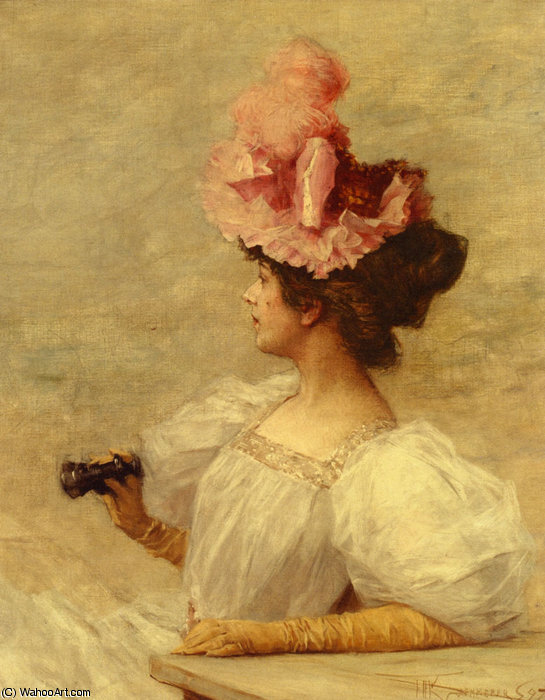
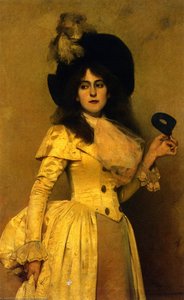
Woman with opera glasses
 Pročitaj više
Ručno rađena uljana reprodukcija
Ručno oslikano uljanim bojama na platnu u dimenzijama i okviru po vašem izboru, izrađeno po porudžbini od strane naših umetnika. ( Kupi print Kupi digitalnu sliku)




































Izaberite jednu od naših unapred definisanih veličina koje odgovaraju originalnim proporcijama umetničkog dela.

Можете унети сопствене димензије како бисте прилагодили дело одређеном оквиру или простору. Ако одабрана величина не одговара пропорцијама оригинала, слика ће бити исечена или проширена додатним елементима који се ручно насликавају. Дигитални prikaz ће вам бити послат на одобрење пре почетка производње.
Имајте на уму да преглед на екрану не одражава стварно исецање или проширење. Само приказ (mockup) ће тачно приказати коначну композицију.
Иако су доступне прилагођене величине, препоручујемо да одаберете димензију из дефинисане листе како бисте сачували оригиналне пропорције.
Nakon narudžbine, tim ArtsDot.com će klijentu putem e-pošte poslati uputstva i dostaviti prikaz predloženog rešenja
Isporuka širom sveta () za 3/4 nedelje umesto uobičajenih 5 nedelja. (1 септембар). Bez kompromisa po pitanju kvaliteta.

Besplatna ekspresna dostava širom sveta

Visokokvalitetno laneno platno

Kompletno osiguranje transporta

Garancija povraćaja carine i uvoznih dažbina

Garancija vernosti boja

Politika povrata u roku od 60 dana (samo u slučaju nedostataka)

Garancija povrata novca od 100%

Popust pri grupnoj kupovini
 Opcija sa staklom dostupna je samo za dimenzije manje od 110 cm

Woman with opera glasses
Tehnika reprodukcije
Dimenzije reprodukcije
-


Konačna cena
$ 263
Srodna umetnička dela
Biografija umetnika
The Luminous Legacy of Frederik Hendrik Kaemmerer
In the grand tapestry of nineteenth-century European art, few threads shimmer with as much delicate elegance and atmospheric grace as those woven by Frederik Hendrik Kaemmerer. Born in The Hague on October 23, 1839, Kaemmerer emerged from a tradition rooted in the Romanticism of his mentor, Salomon Verveer, yet his spirit was far too restless to be confined by the rigid boundaries of classical instruction. His early years at the Royal Academy of Art provided him with a formidable technical foundation, instilling in him a reverence for composition and tonal harmony that would later allow him to master the most fleeting of natural phenomena. While his debut in Rotterdam in 1861 initially presented landscapes reminiscent of the esteemed Hague School, a profound transformation was already stirring within his artistic soul.
The true metamorphosis of Kaemmerer’s style began with his migration to Paris in 1865. Drawn by the electric energy of the burgeoning Impressionist movement and supported by the prestigious art dealer Goupil & Cie, he immersed himself in the academic rigor of the École des Beaux-Arts. Studying under the legendary Jean-Léon Gérôme, Kaemmerer refined a meticulous realism that would become his hallmark. During this period, he became a master of genre painting, recreating the sophisticated social dances of the 18th century. His fascination with the era's sartorial splendor was not merely superficial; he amassed an extensive collection of authentic period costumes and accessories, using them as tactile props to breathe life into scenes of courtiers and elegant ladies. These works were more than mere historical recreations; they were windows into a lost world of refinement and grace.
A Symphony of Light and Sea
As the decades progressed, Kaemmerer’s gaze shifted from the structured interiors of Parisian salons to the boundless, ever-changing horizons of the coast. It was during his frequent retreats to the seaside hotel in Scheveningen that his transition toward Impressionism reached its zenith. The artist found himself captivated by the ephemeral interplay of sunlight dancing upon the waves and the subtle, shifting shadows cast across the damp sand. This period marked a departure from the heavy, narrative-driven compositions of his youth toward a more sensory experience of nature. He began to capture the very essence of light—the way it dissolves form and breathes vitality into the landscape.
His ability to translate these atmospheric nuances earned him significant acclaim on the international stage. The triumphs of his career were punctuated by prestigious recognitions, including:
- A medal at the Paris Salon in 1870, marking his arrival as a formidable force in French genre painting.
- A silver medal at the Exposition Universelle in 1889, celebrating his mastery of light and modern technique.
- Prolific contributions to the "Neerland's Pen en Stift" series, where he demonstrated his versatility as an illustrator for the legendary publisher Elsevier.
The Final Impression
Despite the brilliance of his canvases, Kaemmerer’s personal journey was marked by a poignant complexity. His life, much like his paintings, moved between the structured elegance of the Academy and the fluid, unpredictable beauty of Impressionism. In his later years, he continued to bridge the gap between Dutch tradition and French innovation, leaving behind a body of work that resides in esteemed collections from the Clark Art Institute in Massachusetts to the great museums of Munich and France. His death in Paris in 1902 brought an abrupt end to a career defined by an unwavering pursuit of beauty. Today, we remember Frederik Hendrik Kaemmerer not merely as a chronicler of fashion or a painter of seascapes, but as a visionary who understood that the most profound truths are often found in the most fleeting moments of light.
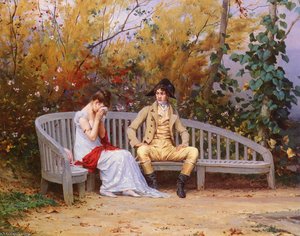
frederik hendrik kaemmerer
1839 - 1902
Osnovne informacije
- Artistic Movement Or Style: Impressionism & Academic
- Artists Or Movements Influenced By This Artist: Jean-Léon Gérôme
- Artists Who Influenced This Artist: Salomon Verveer
- Date Of Birth: October 23, 1839
- Date Of Death: April 4, 1902
- Full Name: Frederik Hendrik Kaemmerer
- Nationality: Dutch
- Notable Artworks:
- Two Strings to his Bow
- Merveilleuses sous le Directoire
- Baptême sous le directoire
- Place Of Birth: The Hague, Netherlands

