

 Pregledaj u prostoru
 Pošalji
 Podeli
 Detalji o delu

 Преузми
 Slični predmeti
 Rendgenski snimak
 Slajdovi
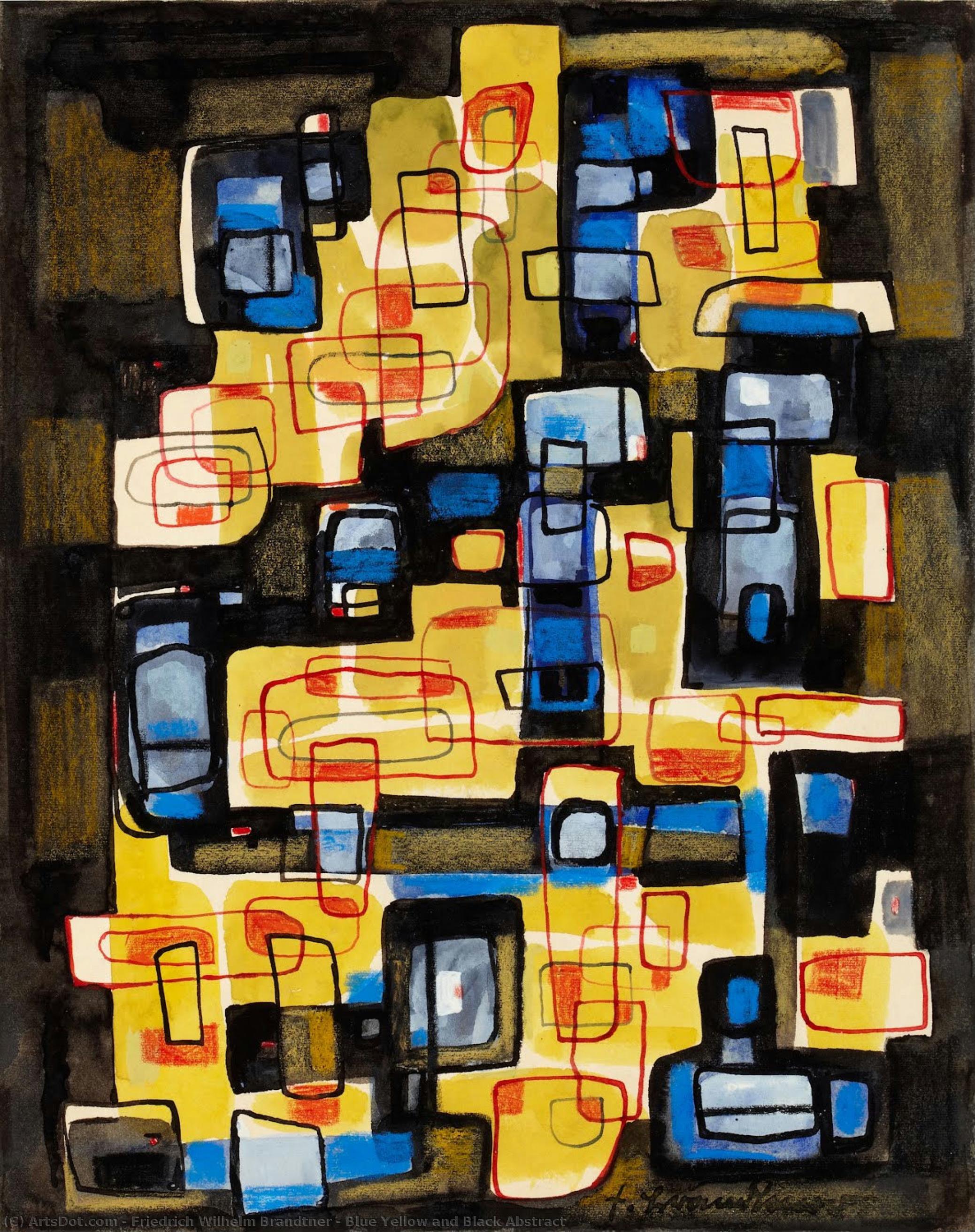
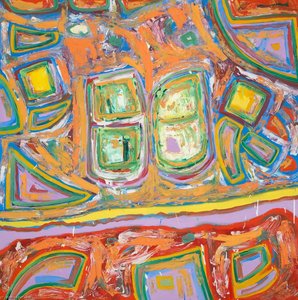
Blue Yellow and Black Abstract


 Pročitaj više
Kupite digitalnu sliku visoke rezolucije i poboljšanog kvaliteta, koja je znatno superiornija od onoga što vidite u online prikazu.
Svaka datoteka je pedantno pripremljena od strane naših stručnjaka koristeći napredne alate i profesionalnu ručnu retušu. Osiguravamo da svaka slika ima izuzetnu oštrinu, preciznu reprodukciju boja i fine detalje.
Konačna datoteka se dostavlja putem e-pošte u roku od 72 sata, optimizovana za neposrednu upotrebu u profesionalnim, izdavačkim i štamparskim okruženjima. To je isti kvalitet kojem veruju vrhunski studiji dizajna, izdavači i galerije.
Digitalna slika
Preuzmite datoteku visoke rezolucije za ličnu upotrebu, štampanje i kreativne projekte. ( Kupi print Kupi ručno naslikanu sliku)
Uključeno uz svaku porudžbinu digitalne slike
Profesionalna digitalna isporuka, zagarantovana
Kada odaberete ArtsDot.com, ne dobijate samo sliku – vi primate profesionalno unapređeno digitalno umetničko delo, izrađeno sa najvećom preciznošću i uz garanciju zadovoljstva. Evo svega što automatski dolazi uz vašu porudžbinu:

Brza dostava putem e-pošte
Vaša digitalna slika visoke rezolucije biće vam poslata putem e-pošte u roku od 72 sata od poručivanja – spremna za trenutnu upotrebu.

Digitalna datoteka unapređena veštačkom inteligencijom
Vaše umetničko delo je profesionalno optimizovano korišćenjem naprednih AI alata i ručne obrade, čime se osiguravaju maksimalni detalji, oštrina i preciznost boja.

Besplatna ponovna isporuka doživotno
Slučajno ste obrisali ili izgubili svoju datoteku? Ne brinite – poslaćemo vam je ponovo u bilo kom trenutku, potpuno besplatno.

Bez troškova uvoza – zauvek
Uživajte u svojim umetničkim delima trenutno, bez carine, dažbina ili troškova dostave – digitalni download je uvek bez poreza.

Garancija vernosti boja
Uz pomoć profesionalnih alata i upravljanja bojama, osiguravamo da vaša digitalna slika što vernije odražava originalne boje.

Garancija zadovoljstva od 100 dana
Ako niste zadovoljni svojom digitalnom slikom, izvršićemo reviziju ili ćemo vam vratiti 100% novca u roku od 100 dana – bez ikakvih pitanja.

100% garancija povrata novca
Niste zadovoljni? Dobijte puni povraćaj novca u roku od 100 dana od prijema digitalne datoteke – bez suvišnih pitanja.

Popusti na velike porudžbine
Kupite 3 slike, uštedite 10% - Kupite 5 slika, uštedite 15% - Kupite 10+ slika, uštedite 20%. Odlično za kreativne projekte, galerije i agencije.
Srodna umetnička dela






Biografija umetnika
John Everett Millais: A Pre-Raphaelite Pioneer of Light and Nature
Born in Southampton, England, on June 8th, 1829, John Everett Millais was a figure of immense importance within the vibrant artistic landscape of Victorian Britain. His life, marked by both prodigious talent and personal complexities, intertwined with the rise of the Pre-Raphaelite Brotherhood – a movement that irrevocably altered the course of art history. From humble beginnings as a child prodigy to his eventual recognition as one of the era’s most celebrated painters, Millais's journey is a compelling narrative of artistic innovation, social commentary, and enduring beauty.
Millais’s early life was shaped by his family’s connections to the art world. His father, John William Millais, was a successful gentleman with an interest in art, and his mother, Mary Jane (née Holland), came from a family of saddlers. This afforded him access to artistic training at a young age, beginning with lessons from Magdalena von Ballenstedt, a former actress and artist who had been involved in the independence movement during the 1830s. At just eleven years old, he entered the Royal Academy Schools, an unprecedented achievement that foreshadowed his remarkable career. His admission was further solidified by winning a silver medal at the Society of Arts in 1843, demonstrating his exceptional drawing skills and establishing him as a serious contender within the established artistic circles.
The formation of the Pre-Raphaelite Brotherhood in 1848 proved to be a pivotal moment in Millais’s life and artistic development. Alongside William Holman Hunt and Dante Gabriel Rossetti, he sought to challenge the prevailing academic style of art, which they viewed as overly artificial and detached from nature. Inspired by the ideals of the early Renaissance – particularly those of Raphael – the Brotherhood advocated for a return to vibrant colors, detailed observation, and a rejection of idealized forms. Millais quickly became the group’s most prominent figure, his paintings embodying their core principles with remarkable clarity and emotional resonance.
Millais's artistic style was characterized by an intense focus on naturalism and meticulous detail. He spent countless hours observing subjects in their natural environments, striving to capture not just their appearance but also the essence of light, atmosphere, and emotion. His most famous work, *Ophelia* (1851-52), exemplifies this approach. Painted from life at the Hogsmill River in Surrey, the scene depicts Ophelia drowning as described in Shakespeare’s *Hamlet*. Millais's rendering of the water lilies, the foliage, and Ophelia’s delicate features is breathtakingly realistic, yet imbued with a haunting sense of melancholy and beauty. The painting initially faced criticism for its perceived realism – some viewers found it unsettlingly lifelike – but it quickly became an iconic image of the Pre-Raphaelite movement.
Beyond *Ophelia*, Millais produced a remarkable body of work that explored a wide range of themes, from biblical scenes to contemporary life. *Christ in the House of His Parents* (1851-52), also known as “The Carpenter’s Shop,” is another masterpiece, depicting Christ as a young boy helping his father at the carpenter's bench. The painting’s meticulous detail and realistic portrayal of domestic life were initially met with controversy, but it ultimately became one of Millais’s most celebrated works. He continued to produce evocative landscapes and portraits throughout his career, often incorporating elements of Pre-Raphaelite symbolism and allegory.
In the mid-1850s, Millais began to move away from the strict conventions of the Pre-Raphaelite Brotherhood, developing a more personal and expressive style. He embraced brighter colors, looser brushwork, and a greater emphasis on capturing the fleeting effects of light and atmosphere. This shift in direction was partly influenced by his marriage to Effie Chalmers, Ruskin’s former wife, in 1856. Their relationship, marked by both love and personal turmoil, played a significant role in Millais's artistic evolution. Despite this change, he remained a respected figure within the art world, continuing to produce commercially successful paintings of children and idyllic landscapes. He was made an Associate of the Royal Academy in 1853 and a full member in 1863, solidifying his position as one of Britain’s leading artists. In 1896, he was elevated to the peerage as Baronet, further recognizing his contributions to British culture. John Everett Millais died on August 13th, 1896, leaving behind a legacy of stunning paintings that continue to captivate and inspire audiences today.
Millais’s Legacy and Influence
John Everett Millais's impact on the art world is undeniable. As one of the founders of the Pre-Raphaelite Brotherhood, he helped to usher in a new era of artistic experimentation and innovation. His commitment to naturalism, his meticulous attention to detail, and his ability to capture the beauty and emotion of the natural world profoundly influenced generations of artists.
- Pre-Raphaelitism: Millais’s work is central to understanding the movement's core tenets – a return to medieval art, detailed observation, vibrant colors, and symbolic imagery.
- Naturalism in Painting: He pioneered a style of painting that prioritized accurate representation of nature, moving beyond idealized forms and embracing the beauty of the everyday world.
- Influence on Landscape Painting: His depictions of landscapes were particularly influential, demonstrating how to capture light, atmosphere, and mood with remarkable skill.
- Popular Appeal: Millais’s paintings achieved widespread popularity during his lifetime, reflecting a broader public interest in art and beauty.
Even after the Pre-Raphaelite Brotherhood dissolved, Millais continued to produce works that were both critically acclaimed and commercially successful. His later paintings of children, such as *Bubbles* (1887), are beloved for their charm and innocence. His portraits, particularly those of prominent figures like Gladstone and Tennyson, demonstrate his mastery of capturing the likeness and personality of his subjects. Millais’s legacy extends beyond his individual works; he helped to shape the course of British art history and inspired countless artists to pursue their own creative visions.
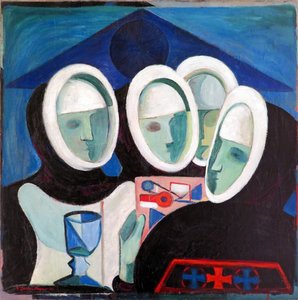
friedrich wilhelm brandtner
1896 - 1969