

 Pregledaj u prostoru
 Pošalji
 Podeli
 Detalji o delu

 Преузми
 Slični predmeti
 Rendgenski snimak
 Slajdovi
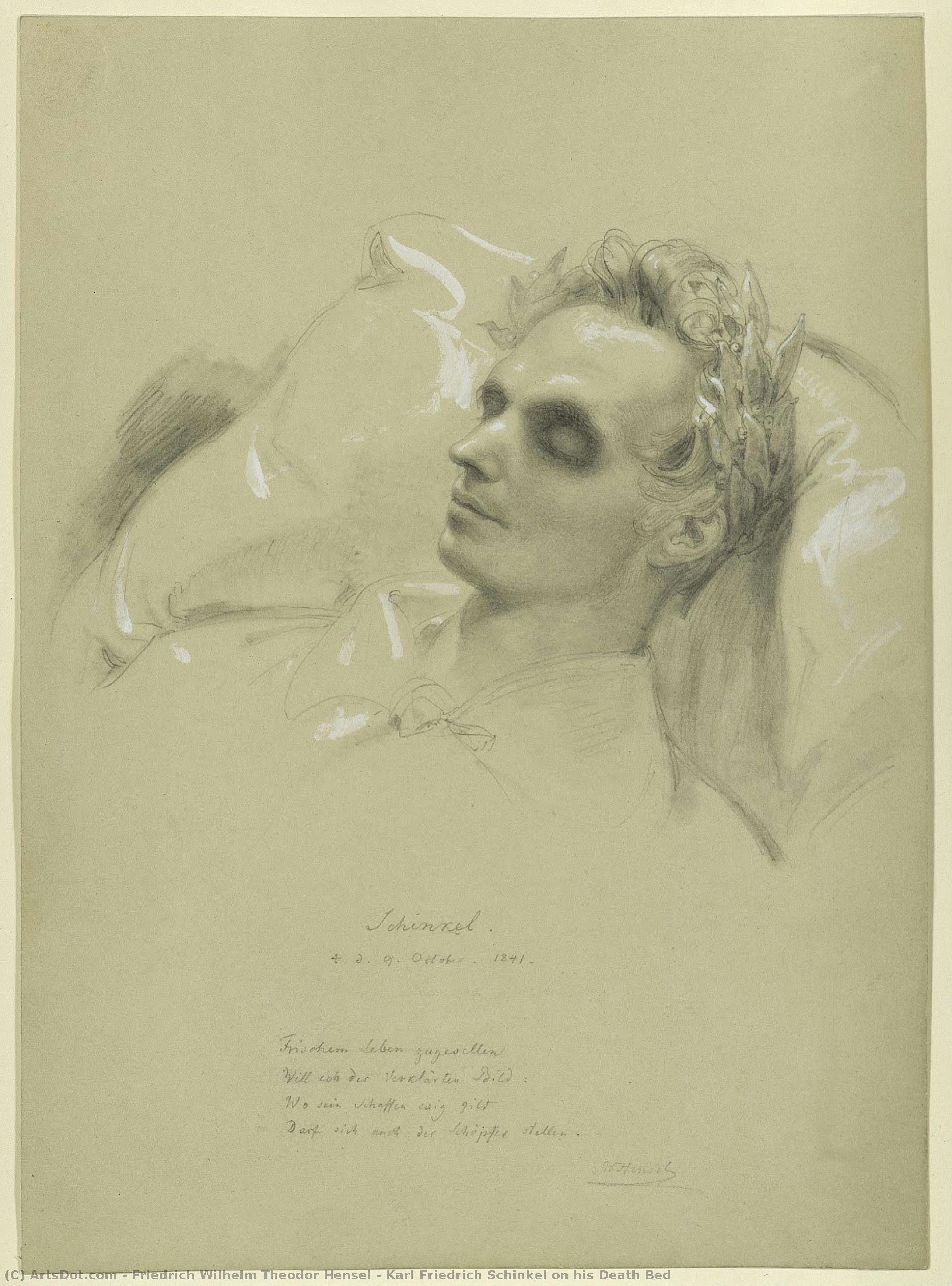
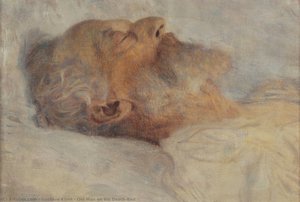
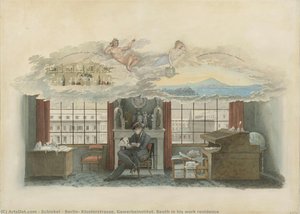
Karl Friedrich Schinkel on his Death Bed
 Acrylic On Canvas
- WallArt
- Romanticism
 22.0 x 30.0 cm
 Kupferstichkabinett
 Pročitaj više
Kupite digitalnu sliku visoke rezolucije i poboljšanog kvaliteta, koja je znatno superiornija od onoga što vidite u online prikazu.
Svaka datoteka je pedantno pripremljena od strane naših stručnjaka koristeći napredne alate i profesionalnu ručnu retušu. Osiguravamo da svaka slika ima izuzetnu oštrinu, preciznu reprodukciju boja i fine detalje.
Konačna datoteka se dostavlja putem e-pošte u roku od 72 sata, optimizovana za neposrednu upotrebu u profesionalnim, izdavačkim i štamparskim okruženjima. To je isti kvalitet kojem veruju vrhunski studiji dizajna, izdavači i galerije.
Digitalna slika
Preuzmite datoteku visoke rezolucije za ličnu upotrebu, štampanje i kreativne projekte. ( Kupi print Kupi ručno naslikanu sliku)
Uključeno uz svaku porudžbinu digitalne slike
Profesionalna digitalna isporuka, zagarantovana
Kada odaberete ArtsDot.com, ne dobijate samo sliku – vi primate profesionalno unapređeno digitalno umetničko delo, izrađeno sa najvećom preciznošću i uz garanciju zadovoljstva. Evo svega što automatski dolazi uz vašu porudžbinu:

Brza dostava putem e-pošte
Vaša digitalna slika visoke rezolucije biće vam poslata putem e-pošte u roku od 72 sata od poručivanja – spremna za trenutnu upotrebu.

Digitalna datoteka unapređena veštačkom inteligencijom
Vaše umetničko delo je profesionalno optimizovano korišćenjem naprednih AI alata i ručne obrade, čime se osiguravaju maksimalni detalji, oštrina i preciznost boja.

Besplatna ponovna isporuka doživotno
Slučajno ste obrisali ili izgubili svoju datoteku? Ne brinite – poslaćemo vam je ponovo u bilo kom trenutku, potpuno besplatno.

Bez troškova uvoza – zauvek
Uživajte u svojim umetničkim delima trenutno, bez carine, dažbina ili troškova dostave – digitalni download je uvek bez poreza.

Garancija vernosti boja
Uz pomoć profesionalnih alata i upravljanja bojama, osiguravamo da vaša digitalna slika što vernije odražava originalne boje.

Garancija zadovoljstva u roku od 60 dana
Ako niste zadovoljni svojom digitalnom slikom, revidirat ćemo je ili vratiti 100% novca u roku od 60 dana – bez ikakvih pitanja.

100% garancija povrata novca
Niste zadovoljni? Obezbedite pun povrat novca u roku od 60 dana od trenutka kada ste primili svoju digitalnu datoteku – bez suvišnih pitanja.

Popusti na velike porudžbine
Kupite 3 slike, uštedite 10% - Kupite 5 slika, uštedite 15% - Kupite 10+ slika, uštedite 20%. Odlično za kreativne projekte, galerije i agencije.
Opis kolekcionarskog dela
Karl Friedrich Schinkel on His Death Bed – A Portrait of Renewal
Wilhelm Hensel’s masterful depiction of Karl Friedrich Schinkel—a figure synonymous with Prussian Romantic architecture—captures not merely the physical form of a dying artist but embodies an enduring spirit of transformation. Executed in 1841, shortly before Schinkel's passing, this drawing transcends mere representation; it strives to convey the profound influence of his artistic vision on his final days.
Hensely’s technique—characterized by meticulous pencil shading and heightened white—demonstrates an unwavering commitment to capturing subtle nuances of light and shadow. The artist skillfully employs these elements to imbue Schinkel's likeness with a youthful vitality, countering the inevitable decline associated with mortality. This deliberate juxtaposition speaks volumes about Hensel’s belief in the enduring power of creativity to transcend temporal limitations.
The Symbolism of Laurel Wreath and Tranquil Pillow
The laurel wreath encircling Schinkel's head serves as a potent emblem of honor and achievement—a testament to his prolific architectural career. Simultaneously, the sketchily drawn pillow beneath his head symbolizes repose and acceptance, suggesting a serene transition into eternity. These carefully chosen symbols underscore Hensel’s artistic intention to portray Schinkel not as merely fading away but as embracing a state of profound peace.
Furthermore, the accompanying verse—a cornerstone of Romantic thought—echoes this sentiment of renewal. Its words articulate the belief that Schinkel's artistic legacy would continue to inspire future generations, forging an unbreakable link between his life’s work and the promise of everlasting beauty.
A Reflection of Berlin Society and Artistic Patronage
Hensely’s portrait reflects the cultural milieu of Berlin during the Romantic era—a period marked by fervent intellectual debate and a burgeoning appreciation for artistic expression. Commissioned by members of prominent Berlin society, including Fanny Mendelssohn Bartholdy—whose marriage undoubtedly fueled Hensel's renown—the artwork exemplifies the collaborative spirit characteristic of this influential artistic circle.
The drawing’s subdued palette—dominated by muted browns and grays—contributes to its contemplative atmosphere. Hensel’s masterful rendering of Schinkel’s skin—characterized by delicate shading that mimics the play of light on his closed eyes—demonstrates an unparalleled sensitivity to detail, capturing not just physical likeness but also conveying a palpable sense of inner calm.
The Legacy of Romantic Landscape Painting
Like many artists of his time, Hensel drew inspiration from the tenets of Romantic landscape painting—a movement that championed emotion, imagination, and the sublime. This influence is evident in Schinkel’s posture—relaxed yet dignified—reflecting the artist's unwavering conviction in the transformative power of nature.
The drawing’s composition—simple yet balanced—highlights Schinkel’s face as its focal point, emphasizing his gaze—directed upward—suggesting a yearning for transcendence. Hensel’s meticulous attention to detail—particularly in capturing the subtle contours of Schinkel's skin—underscores his artistic prowess and embodies the core principles of Romanticism.
Concluding Thoughts: An Image Beyond Mortality
Ultimately, Wilhelm Hensel’s “Karl Friedrich Schinkel on His Death Bed” transcends mere biographical portraiture; it presents a profound meditation on life, death, and the enduring legacy of artistic genius. The drawing stands as a testament to Hensel's ability to distill complex emotions onto canvas—capturing not just Schinkel’s physical form but also conveying an unwavering belief in the transformative power of creativity.
Srodna umetnička dela
![Life Of Saint Francis - [04] - Death And Ascension Of St Francis — Đijoto Di Bondone, Italian Renaissance](/media/artworks/images-thumb/08/8b/088b102b13c1a379233690905590f156.jpg)
Biografija umetnika
Friedrich Wilhelm Theodor Hensel: A Romantic Soul Captured in Brushstrokes
Born on July 6, 1794, in the tranquil town of Trebbin, Brandenburg, Friedrich Wilhelm Theodor Hensel’s life unfolded as a fascinating blend of military service, artistic discovery, and a deep engagement with the burgeoning German Romantic movement. His early years were marked by a formal education at the Royal School of Architecture – an unexpected path for a man destined to become one of Germany's most evocative landscape painters. However, it was his encounter with the world of art that truly ignited his passion, leading him away from architectural pursuits and towards a life dedicated to capturing the beauty and emotion of the natural world.
Hensel’s artistic journey wasn’t without interruption. Military service provided him with invaluable opportunities for study, particularly in Paris, where he immersed himself in the techniques of established masters. Yet, it was his connection to the intellectual and cultural circles surrounding his brother-in-law, Felix Mendelssohn, that profoundly shaped his artistic sensibilities. This environment fostered a deep appreciation for emotion, imagination, and the sublime – core tenets of Romanticism. His marriage to Fanny Mendelssohn further solidified this influence, creating a shared space for artistic exploration and mutual inspiration.
A Painter of Landscapes and Portraits
Hensel’s oeuvre is characterized by a remarkable versatility, encompassing landscapes, portraits, and still-life paintings. While he produced numerous works across these genres, it was his landscapes that truly resonated with audiences and cemented his reputation as a master of capturing the essence of the German countryside. His paintings are immediately recognizable for their meticulous detail, vibrant color palettes, and an underlying sense of drama – elements deeply rooted in the Romantic aesthetic.
His portraits, often commissioned by prominent figures, demonstrate a keen ability to capture not just physical likeness but also the inner character of his subjects. He skillfully employed light and shadow to create depth and atmosphere, imbuing each portrait with a sense of personality and emotion. Hensel’s still-life paintings, though less frequently exhibited, reveal a similar attention to detail and an appreciation for the beauty of everyday objects.
The Seven Sorrows of the Virgin: A Masterpiece
Among Hensel's most celebrated works is “The Seven Sorrows of the Virgin: Mother of Sorrows,” now housed in the Alte Pinakothek in Munich. This monumental painting exemplifies his artistic prowess and embodies the core principles of Romanticism. The composition, rich with symbolism and imbued with a palpable sense of sorrow and compassion, showcases Hensel’s ability to translate complex emotions onto canvas. The dramatic lighting, the carefully rendered details of Mary's face, and the overall atmosphere of grief all contribute to the painting’s profound emotional impact.
This work, along with others like “Kaiser Wenzel” and “Italienische Landleute am antiken Brunnen,” demonstrates Hensel’s ability to evoke a sense of place and time. His landscapes are not merely depictions of scenery; they are imbued with the spirit of the region and reflect the emotional state of the artist.
Influences and Legacy
Hensel's artistic style was profoundly influenced by the German Romantic movement, which prioritized emotion, imagination, and a deep connection to nature. He embraced the movement’s emphasis on subjective experience, striving to express his own feelings and perceptions through his art. His use of bold colors, dramatic lighting, and evocative compositions created a sense of tension and drama – hallmarks of Romantic painting.
Furthermore, Hensel's work demonstrates an element of Expressionism, anticipating later developments in the movement. He sought to convey inner feelings and emotions through his art, often employing symbolic imagery and heightened color palettes. Friedrich Wilhelm Theodor Hensel’s legacy extends beyond his individual works; he represents a pivotal figure in the development of German landscape painting during the 19th century. His paintings continue to be exhibited in museums worldwide, including the National Gallery of Art in Washington, D.C., and are readily available for reproduction through platforms like ArtsDot.com, ensuring that his evocative vision continues to inspire and captivate audiences today.
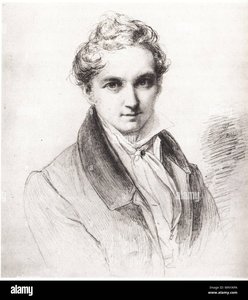
friedrich wilhelm theodor hensel
1794 - 1861 , Germany
Kratke činjenice
- Artistic Movement Or Style: Romanticism, Expressionism
- Artists Or Movements Influenced By This Artist: ['Felix Mendelssohn']
- Artists Who Influenced This Artist: ['Romanticism']
- Date Of Birth: July 6, 1794
- Date Of Death: November 26, 1861
- Full Name: Friedrich Wilhelm Theodor Hensel
- Nationality: German
- Notable Artworks:
- Seven Sorrows Virgin
- Mother of Sorrows
- Place Of Birth: Trebbin, Germany

