

 Pregledaj u prostoru
 Pošalji
 Podeli
 Detalji o delu

 Преузми
 Slični predmeti
 Rendgenski snimak
 Slajdovi
 Stats
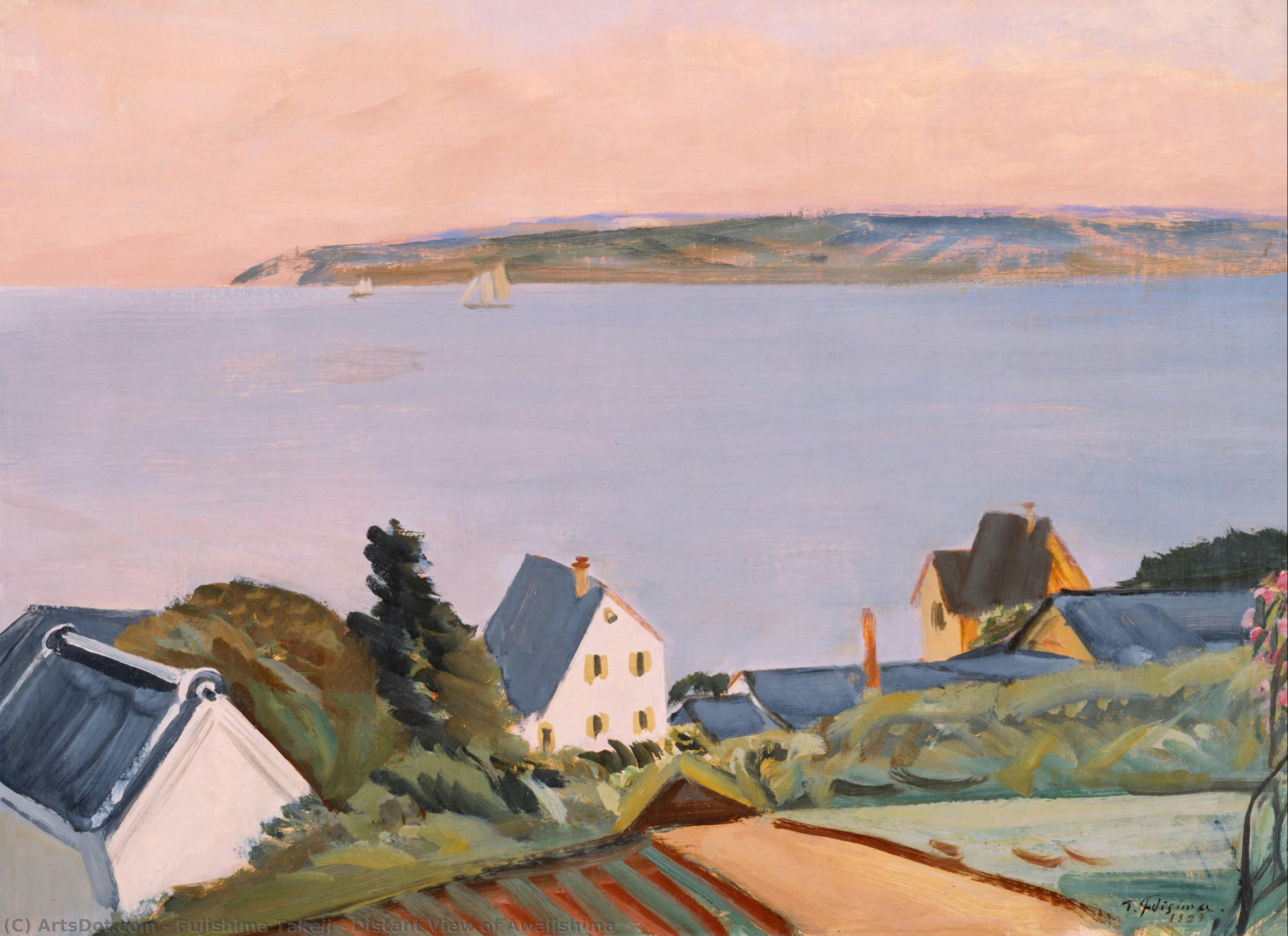
StatsDistant View of Awajishima
 Oil On Canvas
- WallArt
- Impressionism
 1929
1929 729.0 x 530.0 cm
 Artizon Museum
 Pročitaj više
Giclee štampa / Umetnički otisak
Giclée štampa ili print na platnu muzejskog kvaliteta uz brzu proizvodnju i fleksibilne opcije završne obrade. ( Kupi ručno naslikanu sliku Switch to Digital Image)




P118B $10

P118H $10

P118W $10

P438Z $10

P508JH $12

P508YH $12

P805H $10

P805Z $10

P919BZ $10

P919G $10

P919XJ $10

P959ZH $10

P968JZ $12

W106C $8

W218G $10

W218JH $8

W218Y $10

W307PJ $10

W316G $10

W316PJ $8

W316Y $10

W398PJ $8

W4111J $10

W500HY $15

W500JH $15

W692G $12

W849H $8

W940BG $15

W953PJ $8




Izaberite jednu od naših unapred definisanih veličina koje odgovaraju originalnim proporcijama umetničkog dela.

Možete uneti sopstvene dimenzije kako biste umetničko delo prilagodili specifičnom okviru ili prostoru. Ako odabrani format ne odgovara proporcijama originalne slike, mi ćemo ili iscrtati deo dela ili proširiti sliku pomoću ogledane ivice ili jednobojnog popunjavanja. Digitalni prikaz će vam biti poslat na odobrenje pre početka proizvodnje.
Imajte na umu da pregled na ekranu ne odražava stvarno iscrtavanje ili proširivanje. Samo će prikaz (mockup) precizno pokazati finalnu kompoziciju.
Iako su prilagođene dimenzije dostupne, preporučujemo da odaberete dimenziju sa unapred definisane liste kako biste očuvali originalne proporcije.
Dostava širom sveta () za 2 nedelje umesto uobičajenih 4/5 nedelja. (7 септембар)

Besplatna ekspresna dostava širom sveta

Visokokvalitetno laneno platno

Kompletno osiguranje transporta

Garancija povraćaja carine i uvoznih dažbina

Garancija vernosti boja

Politika povraćaja u roku od 100 dana (isključivo u slučaju nedostataka)

Garancija povrata novca od 100%

Popust pri grupnoj kupovini
 Opcija sa staklom dostupna je samo za dimenzije manje od 110 cm

Distant View of Awajishima
Giclee štampa / Umetnički otisak
Dimenzije reprodukcije
-


Konačna cena
$ 62
A Window Into Tranquility: Exploring Fujishima Takeji’s “Distant View of Awajishima”
This painting by Fujishima Takeji, completed in 1929, transcends mere landscape depiction; it embodies the spirit of Romanticism and Impressionism within Japan's burgeoning Yōga movement. More than just capturing a scenic vista, "Distant View of Awajishima" invites contemplation on beauty, solitude, and the harmonious relationship between humanity and nature—themes central to Japanese artistic sensibilities during this transformative era.The Scene: Awajishima’s Coastal Embrace
The artwork portrays Awajishima Island from Maiko, a region renowned for its summer residences and breathtaking views of the Akashi Straits. Fujishima meticulously renders the strait's narrowest point, now dominated by the monumental Akashi Kaikyo Bridge—a symbol of Japan’s modernization project—creating a juxtaposition between tradition and progress. The artist skillfully depicts a hillside village nestled against the sea, featuring several houses arranged in an organic composition that emphasizes balance and serenity. Noticeably absent are turbulent waves or dramatic weather conditions; instead, Fujishima presents a deceptively simple surface reflecting the tranquil essence of twilight.Impressionistic Technique: Brushstrokes That Breathe
Fujishima’s masterful technique exemplifies Impressionism's core principles. Loose brushstrokes dominate the canvas, prioritizing color and light over precise detail—a deliberate choice that captures the fleeting atmosphere of dusk or dawn. The artist utilizes oil paints on canvas to build up texture and depth, subtly hinting at materiality without resorting to photorealistic representation. Observe how Fujishima employs muted hues of pink, orange, and blue to evoke a sense of warmth and tranquility, mirroring the soft glow of fading sunlight. These expressive brushstrokes convey not just what is seen but also *how* it feels—a palpable connection to the natural world.Symbolism Beyond Representation
“Distant View of Awajishima” resonates with deeper symbolic meanings rooted in Japanese aesthetics. The horizontal expanse of the sea symbolizes infinity and openness, contrasting with the sloping hillside representing stability and grounding. The placement of houses on the slope reinforces this duality—a harmonious blend of human habitation and natural grandeur. Furthermore, the painting’s stillness speaks to a meditative state, encouraging viewers to appreciate the beauty of quiet contemplation. Like many Impressionist works, it prioritizes emotional resonance over intellectual analysis, inviting us to immerse ourselves in its serene atmosphere.A Legacy of Romantic Vision
Fujishima Takeji's "Distant View of Awajishima" stands as a testament to his pioneering role in establishing Romanticism and Impressionism within Japanese art. Influenced by Western artistic trends but firmly anchored in traditional sensibilities, he achieved a remarkable synthesis—a style that continues to inspire artists today. Its enduring appeal lies in its ability to convey profound emotions through deceptively simple visual elements, cementing Fujishima’s place as one of Japan's most celebrated landscape painters and a pivotal figure in the evolution of modern Japanese art.Srodna umetnička dela
Biografija umetnika
A Bridge Between Worlds: The Life and Art of Fujishima Takeji
Fujishima Takeji, born in Kagoshima in 1867, emerged as a pivotal figure during a period of profound transformation in Japanese art. His life coincided with the rapid modernization of Japan following the Meiji Restoration, an era that witnessed a fervent embrace of Western ideas alongside a deep reverence for traditional culture. This dynamic tension became the defining characteristic of Takeji’s artistic journey, positioning him at the forefront of the *yōga* movement – the adoption of Western painting techniques by Japanese artists. His early life, rooted in the samurai class through his father's lineage as a retainer to the Shimazu clan, instilled within him a sense of discipline and tradition that would subtly inform his later artistic explorations. Though initially studying traditional *nihonga* painting with Hirayama Tōgaku, Takeji felt an undeniable pull towards the innovations unfolding in Western art, leading him to Tokyo and a dedicated pursuit of oil painting under masters like Yamamoto Hōsui and Yukihiko Soyama.Forging a New Aesthetic: Romanticism, Impressionism, and Art Nouveau
Takeji’s artistic style wasn't defined by strict adherence to any single Western school but rather by a masterful synthesis of various influences. He absorbed the tenets of Romanticism, imbuing his works with a sense of emotional depth and dramatic narrative. This was coupled with an appreciation for Impressionism’s emphasis on capturing fleeting moments and the effects of light – though filtered through a distinctly Japanese sensibility. His 1891 debut piece, “Muzan” (Cruelty), garnered attention from the influential novelist Mori Ōgai, signaling his rising prominence within the art world. Later, a sojourn to Europe in 1905 proved transformative. Studying under Fernand Cormon and Carolus-Duran in Paris and Italy respectively, he honed his technical skills while further refining his artistic vision. The influence of Art Nouveau began to subtly weave its way into his compositions, adding an element of decorative elegance and flowing lines. This unique blend resulted in a style that was both distinctly Japanese and undeniably modern – a harmonious fusion of East and West. Works like “Woman of Italy” (1909) beautifully demonstrate this synthesis, showcasing Western portraiture techniques applied to a subject imbued with a delicate Japanese aesthetic.Themes and Techniques: A Celebration of Beauty and Nostalgia
Throughout his career, Fujishima Takeji consistently explored themes that resonated deeply within the Japanese cultural landscape. He frequently depicted women – often historical figures or idealized representations of feminine beauty – rendered with a sensitivity and grace that captivated audiences. Flowers, butterflies, and landscapes also featured prominently in his oeuvre, serving as vehicles for expressing both aesthetic pleasure and subtle emotional undertones. “From the Notebooks: Mourning for Butterflies” exemplifies this approach; its delicate watercolor rendering evokes a sense of wistful melancholy and fleeting beauty, reminiscent of *ukiyo-e* prints yet executed with a distinctly Western painterly technique. His landscapes, such as "Distant View of Awajishima" (1929), are not merely representations of scenery but rather evocative mood pieces that capture the serene atmosphere and subtle nuances of the natural world. Takeji’s technical mastery was evident in his skillful handling of oil paint and watercolor, achieving a remarkable balance between realism and expressive brushwork.Legacy and Influence: Shaping Modern Japanese Art
Fujishima Takeji's impact on the development of modern Japanese painting is undeniable. As a professor at the Tokyo Art School and a member of the Imperial Art Academy, he played a crucial role in shaping the next generation of artists. While not directly involved with the *nihonga* movement – which sought to revitalize traditional Japanese art forms – his work within the *yōga* sphere indirectly influenced its development by demonstrating the possibilities of incorporating Western techniques while retaining a distinctly Japanese identity. He paved the way for other artists to explore new avenues of artistic expression, bridging the gap between tradition and modernity. His recognition with the prestigious Order of Culture in 1937 solidified his position as one of Japan’s most important artists. Today, his works are held in prominent collections, including the Fujikawa Galleries in Japan, continuing to inspire and captivate audiences with their timeless beauty and enduring artistic significance. He remains a testament to the power of cross-cultural exchange and the transformative potential of art.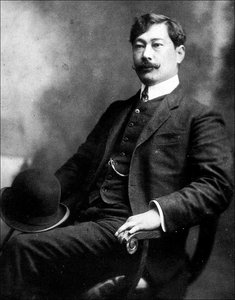
Fujishima Takeji
1867 - 1943 , Japan
Osnovne informacije
- Artistic Movement Or Style:
- Yōga
- Post-Impressionism
- Art Nouveau
- Romanticism
- Artists Or Movements Influenced By This Artist: ['Nihonga movement']
- Artists Who Influenced This Artist:
- Yamamoto Hōsui
- Kuroda Seiki
- Date Of Birth: October 15, 1867
- Date Of Death: 1943
- Full Name: Fujishima Takeji
- Nationality: Japanese
- Notable Artworks:
- Mourning for Butterflies
- Woman of Italy
- Distant View Awajishima
- Place Of Birth: Kagoshima, Japan
Povezani članci

Katsushika Hokusai: 25 Remek-dela Japanskog Umetnika za Vaš Dom | ArtsDot
Uronite u svet Katsushike Hokusaija! Otkrijte 25 remek-dela japanskog umetnika, uključujući čuveni 'Veliki talas'. Ukiyo-e štampe, pejzaži i istorija iza svakog dela. Pronađite inspiraciju za dekor enterijera i kupite reprodukcije slika vrhunskog kvaliteta na ArtsDot.com.

25 Remek-dela Džona Konstebla: Lepota Engleske na Platnu | ArtsDot
Uronite u svet Džona Konstebla! Otkrijte 25 remek-dela engleskog pejzaža, romantizma i seoske idile. Kupite reprodukcije slika vrhunskog kvaliteta za dekoraciju enterijera na ArtsDot.com.

Glavna dela koja su definisala Romantični pejzaž: 10 remek-dela za vaš dom
Otkrijte 10 remek-dela romantičnog pejzažnog slikarstva! Uronite u svet Claude Lorraina, Caspara David Friedricha i Turnera. Ispričane priče umetnosti, inspiracija za dekoraciju doma. Kvalitetne reprodukcije na ArtsDot.com – istražite celu kolekciju online!
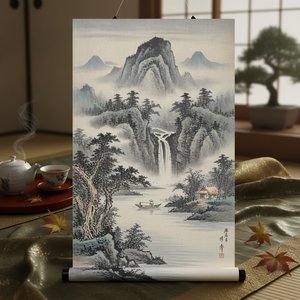
Serenity on Canvas: A Guide to the Timeless Beauty of Japanese Landscape Painting
Discover the serene beauty of Japanese landscape painting. From Hokusai's iconic woodblock prints to meditative sumi-e ink washes, explore a visual journey through the 'floating world' and learn how to bring this timeless Zen aesthetic into your modern home decor.

Evocations of Place: A Historical Journey Through Landscape Art
Explore the rich history of landscape art with ArtsDot. Discover renowned artists, movements like Impressionism & Romanticism, and expert guidance for collecting timeless pieces. Find your perfect serene escape today!