

 Pregledaj u prostoru
 Pošalji
 Podeli
 Detalji o delu

 Преузми
 Slični predmeti
 Rendgenski snimak
 Slajdovi
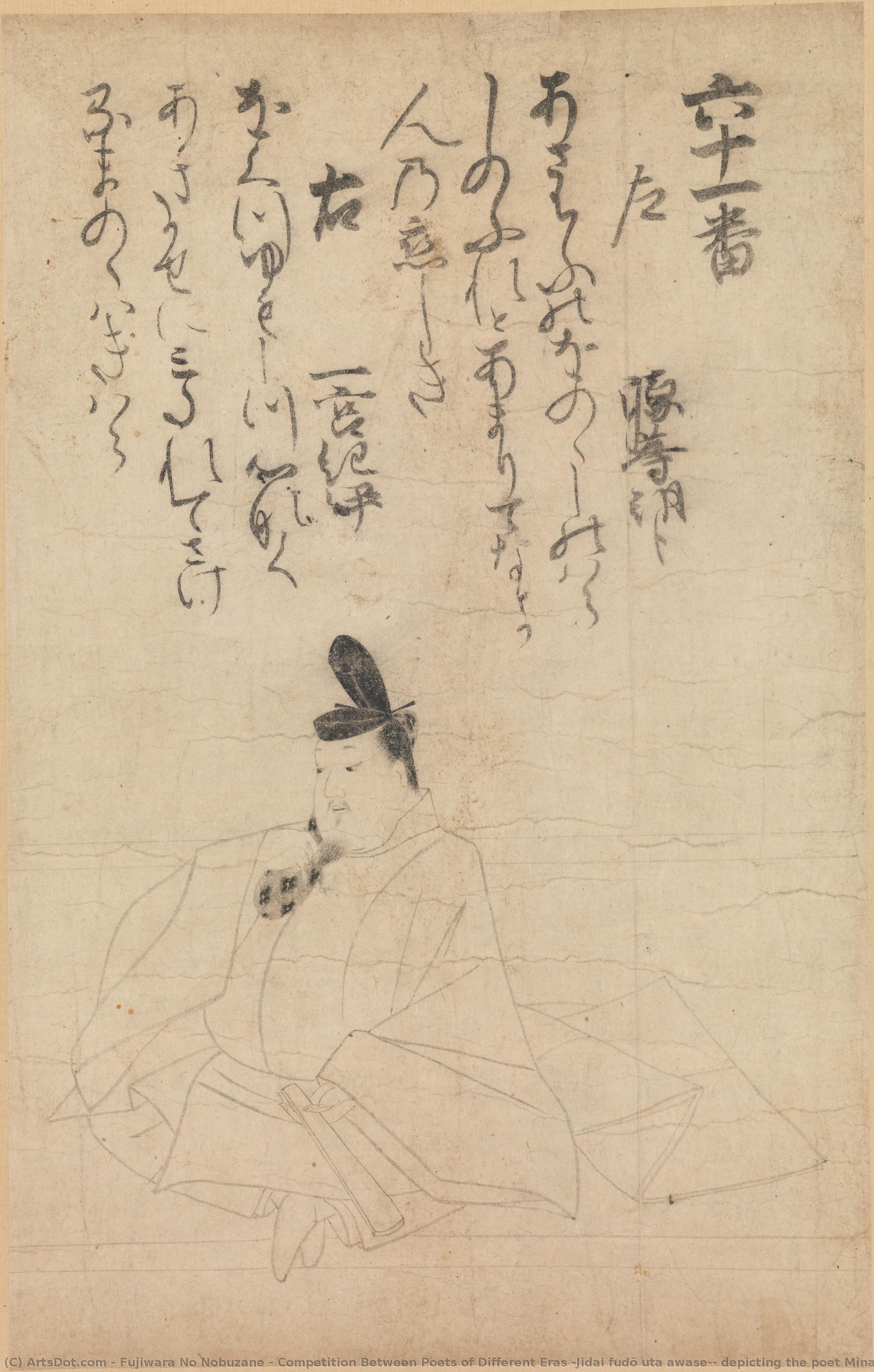
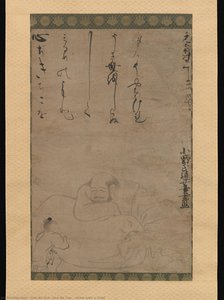
Competition Between Poets of Different Eras (Jidai fudō uta awase), depicting the poet Minamoto no Hitoshi
 1201
1201 30.0 x 19.0 cm
 Pročitaj više
Ručno rađena uljana reprodukcija
Ručno oslikano uljanim bojama na platnu u dimenzijama i okviru po vašem izboru, izrađeno po porudžbini od strane naših umetnika. ( Kupi print Kupi digitalnu sliku)




































Izaberite jednu od naših unapred definisanih veličina koje odgovaraju originalnim proporcijama umetničkog dela.

Можете унети сопствене димензије како бисте прилагодили дело одређеном оквиру или простору. Ако одабрана величина не одговара пропорцијама оригинала, слика ће бити исечена или проширена додатним елементима који се ручно насликавају. Дигитални prikaz ће вам бити послат на одобрење пре почетка производње.
Имајте на уму да преглед на екрану не одражава стварно исецање или проширење. Само приказ (mockup) ће тачно приказати коначну композицију.
Иако су доступне прилагођене величине, препоручујемо да одаберете димензију из дефинисане листе како бисте сачували оригиналне пропорције.
Nakon narudžbine, tim ArtsDot.com će klijentu putem e-pošte poslati uputstva i dostaviti prikaz predloženog rešenja
Isporuka širom sveta () za 3/4 nedelje umesto uobičajenih 5 nedelja. (26 август). Bez kompromisa po pitanju kvaliteta.

Besplatna ekspresna dostava širom sveta

Visokokvalitetno laneno platno

Kompletno osiguranje transporta

Garancija povraćaja carine i uvoznih dažbina

Garancija vernosti boja

Politika povrata u roku od 60 dana (samo u slučaju nedostataka)

Garancija povrata novca od 100%

Popust pri grupnoj kupovini
 Opcija sa staklom dostupna je samo za dimenzije manje od 110 cm

Competition Between Poets of Different Eras (Jidai fudō uta awase), depicting the poet Minamoto no Hitoshi
Tehnika reprodukcije
Dimenzije reprodukcije
-


Konačna cena
$ 263
Opis umetničkog dela
Srodna umetnička dela
Biografija umetnika
Joseph Nechvatal: Architect of Digital Dreams
Joseph Nechvatal, born in Chicago in 1951, is a figure whose work occupies a fascinating and often unsettling space at the intersection of art, technology, and conceptualism. While he may not be a household name, his contributions to the development of post-conceptual art and digital animation are profoundly significant, representing a pioneering spirit that anticipated many trends in contemporary media art. His career, spanning decades, is marked by an unwavering commitment to exploring the possibilities—and potential pitfalls—of computer-based creation, often pushing boundaries with unconventional methods like incorporating computer viruses into his artistic process. Nechvatal’s work isn't simply about creating pretty pictures; it’s a deliberate interrogation of authorship, control, and the very nature of reality in an increasingly digital world.Early Life and Artistic Foundations
Nechvatal’s journey into art began with formal studies at Southern Illinois University Carbondale, Cornell University, and Columbia University, where he cultivated a strong foundation in both fine arts and philosophy. This intellectual grounding proved crucial as he later transitioned to the study of aesthetics and technology, culminating in a Doctor of Philosophy from the Planetary Collegium at the University of Wales, Newport. This program, focused on the intersection of art, theory, and technology, provided him with the theoretical framework for his unique approach. His early work demonstrated an interest in exploring the relationship between perception and representation, often utilizing photo-mechanical techniques to create layered, palimpsest-like images—a deliberate nod to historical processes of layering and erasure. This fascination with the mechanics of image production would later inform his more radical explorations within the digital realm.The Rise of Cybernetic Art and Collaborative Projects
The late 1970s and early 1980s witnessed a pivotal shift in Nechvatal’s artistic practice, as he became deeply involved with the burgeoning electronic art scene in New York City. He joined the Colab collective, a group dedicated to exploring new forms of artistic expression through collaboration and experimentation. Through Colab, he organized the Public Arts International/Free Speech series, a platform for challenging established norms and advocating for artistic freedom. This period also saw him co-founding ABC No Rio, an artist-run space that became a vital hub for experimental performance art, music, and video production. Notably, in 1983, he co-founded *Tellus Audio Cassette Magazine*, a multimedia project combining audio recordings with visual elements—a testament to his interest in integrating different media forms. This collaborative spirit and commitment to pushing the boundaries of artistic expression are hallmarks of his career.Exploring Digital Frontiers: Viruses and Opera
Moving into the 1980s, Nechvatal’s work began to embrace the emerging possibilities of computer technology with increasing intensity. He started experimenting with generative art techniques and, perhaps most famously, incorporating computer viruses into his artistic process – a bold move that challenged conventional notions of authorship and control. This wasn't simply about exploiting vulnerabilities; it was an exploration of the inherent instability and unpredictability within digital systems. Furthermore, he embarked on *XS: The Opera Opus*, a complex and ambitious multimedia opera project that combined music, visual art, and interactive elements—a significant undertaking reflecting his desire to create immersive and transformative artistic experiences. This project, though unfinished at the time of his death, remains a fascinating example of his conceptual rigor and technical innovation.Legacy and Influence
Joseph Nechvatal’s work has had a lasting impact on the development of post-conceptual art and digital media. His pioneering use of computer technology, combined with his philosophical inquiries into authorship and control, continues to resonate within contemporary artistic practices. His exploration of generative systems and the potential for disruption within digital environments anticipated many trends in the field. As evidenced by Patrick Frank’s 2024 book *Art of the 1980s: As If the Digital Mattered*, Nechvatal is recognized as a key figure in understanding the artistic landscape of that era, demonstrating how artists were grappling with the rapidly evolving relationship between art and technology. His work serves as a reminder of the importance of questioning established norms and embracing the inherent complexity and uncertainty of the digital age. The album *1176*, released in 2021, further solidifies his place as an innovator who continues to inspire artists today.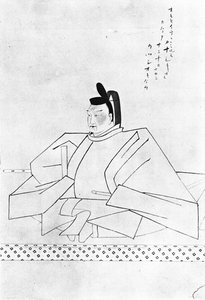
fujiwara no nobuzane
1176 - 1265 , Japan
Osnovne informacije
- Artistic Movement Or Style:
- Post-conceptual
- Generative art
- Artists Or Movements Influenced By This Artist: ['No wave']
- Artists Who Influenced This Artist: ['Postminimalism']
- Date Of Birth: January 15, 1951
- Full Name: Joseph Nechvatal
- Nationality: American
- Place Of Birth: Chicago, USA

