

 Pregledaj u prostoru
 Pošalji
 Podeli
 Detalji o delu

 Преузми
 Slični predmeti
 Rendgenski snimak
 Slajdovi
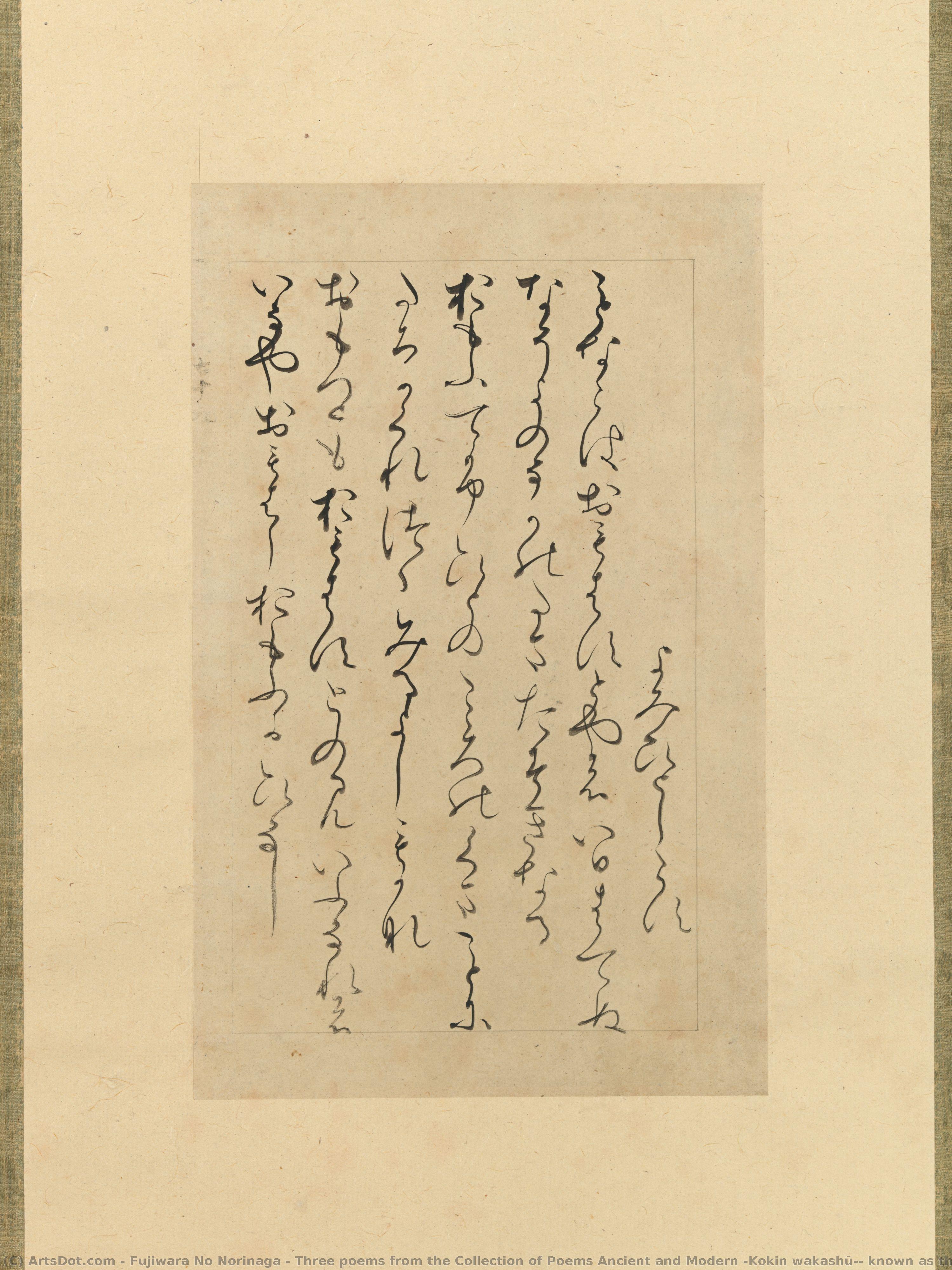
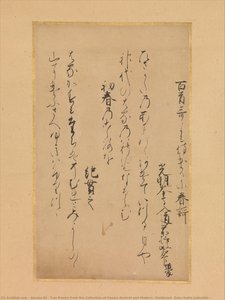
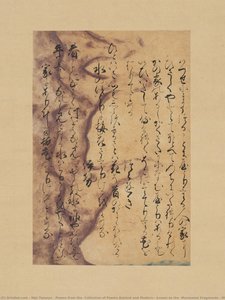
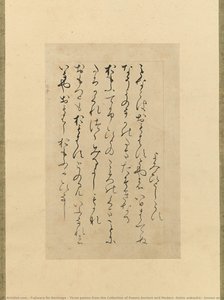
Three poems from the Collection of Poems Ancient and Modern (Kokin wakashū), known as the “Imaki Fragment” (Imaki-gire)
 1101
1101 25.0 x 16.0 cm
 Pročitaj više
Giclee štampa / Umetnički otisak
Giclée štampa ili print na platnu muzejskog kvaliteta uz brzu proizvodnju i fleksibilne opcije završne obrade. ( Kupi ručno naslikanu sliku Kupi digitalnu sliku)




































Izaberite jednu od naših unapred definisanih veličina koje odgovaraju originalnim proporcijama umetničkog dela.

Možete uneti sopstvene dimenzije kako biste umetničko delo prilagodili specifičnom okviru ili prostoru. Ako odabrani format ne odgovara proporcijama originalne slike, mi ćemo ili iscrtati deo dela ili proširiti sliku pomoću ogledane ivice ili jednobojnog popunjavanja. Digitalni prikaz će vam biti poslat na odobrenje pre početka proizvodnje.
Imajte na umu da pregled na ekranu ne odražava stvarno iscrtavanje ili proširivanje. Samo će prikaz (mockup) precizno pokazati finalnu kompoziciju.
Iako su prilagođene dimenzije dostupne, preporučujemo da odaberete dimenziju sa unapred definisane liste kako biste očuvali originalne proporcije.
Dostava širom sveta () za 2 nedelje umesto uobičajenih 4/5 nedelja. (28 август)

Besplatna ekspresna dostava širom sveta

Visokokvalitetno laneno platno

Kompletno osiguranje transporta

Garancija povraćaja carine i uvoznih dažbina

Garancija vernosti boja

Politika povrata u roku od 60 dana (samo u slučaju nedostataka)

Garancija povrata novca od 100%

Popust pri grupnoj kupovini
 Opcija sa staklom dostupna je samo za dimenzije manje od 110 cm

Three poems from the Collection of Poems Ancient and Modern (Kokin wakashū), known as the “Imaki Fragment” (Imaki-gire)
Giclee štampa / Umetnički otisak
Dimenzije reprodukcije
-


Konačna cena
$ 62
Srodna umetnička dela


Biografija umetnika
The Sacred Brush of the Heian Twilight
In the fading light of Japan’s Heian period, a time defined by unparalleled courtly elegance and profound spiritual introspection, the figure of Fujiwara no Norinaga emerged as a bridge between the earthly splendor of the aristocracy and the transcendent mysteries of Buddhist devotion. Known also by his monastic name, ninkan, Norinaga was far more than a mere scribe; he was a master of the brush whose life embodied the delicate tension between noble lineage and monastic discipline. Born around 1101 in the imperial heart of Kyoto, his early years were steeped in the sophisticated traditions of the influential Fujiwara clan. This upbringing provided him with a deep-seated appreciation for the scholarly and aesthetic nuances that governed the Japanese court, yet it was his connection to the Daigo-ji lineage that would ultimately define his artistic soul.
The development of Norinaga’s artistry was profoundly shaped by his intellectual and spiritual mentorship under his elder brother, Shōkazu. Through this bond, Norinaga was introduced to the esoteric depths of Shingon Buddhism, a tradition where the act of visualization and ritual serves as a pathway to enlightenment. This spiritual framework did not exist in isolation from his art; rather, it became the very foundation of his creative expression. As he ascended to the role of a protector monk, or gojisō, for Prince Sukehito, Norinaga gained unprecedented access to the imperial court’s vast resources. This unique position allowed him to merge the meticulous precision of calligraphy with the ethereal beauty of natural motifs, creating works that felt both grounded in the physical world and elevated by divine intent.
A Legacy Written in Ink and Nature
The true brilliance of Norinaga’s work lies in his ability to weave the ephemeral qualities of nature into the permanence of ink and silk. His contributions to Japanese calligraphy and painting helped pave the way for what would later be recognized as the Tachikawa-ryū style, a branch of Shingon Buddhism that placed significant emphasis on artistic expression as a form of spiritual contemplation. One of his most captivating achievements can be seen in the delicate interplay of text and imagery found in works such as the Poem by Fujiwara no Norinaga on Paper Decorated with Butterflies. In such pieces, the silver-micaed butterflies appear to dance across the page, their movement contrasting beautifully with the rhythmic flow of his kana calligraphy. These works often utilized subtle tonal variations and seasonal motifs that captured the fleeting essence of life—a concept deeply rooted in the Japanese aesthetic of mono no aware.
Beyond the visual splendor of his paintings, Norinaga’s literary contributions left an indelible mark on the Japanese canon. His involvement with the Kokin Wakashū, Japan's first imperial anthology of poetry, remains a cornerstone of his historical significance. Specifically, the Imaki Fragment—a collection of three poems—serves as a testament to his mastery of the written word. Through these verses, Norinaga demonstrated how the evolution of writing styles could reflect the changing sensibilities of an era. His ability to manipulate the brush to create both structural firmness and lyrical grace helped establish a new framework for kana writing, influencing generations of courtiers and artists who followed in his footsteps.
Ultimately, the life and work of Fujiwara no Norinaga represent a singular moment in history where the boundaries between the sacred and the aesthetic dissolved. His legacy is not merely found in the surviving fragments of paper and silk, but in the enduring spirit of an art form that seeks to find the infinite within the infinitesimal. Through his meticulous brushstrokes, he ensured that the spiritual whispers of the Heian period would continue to resonate through the centuries, reminding us that true beauty is often found in the quietest transitions of the natural world.
fujiwara no norinaga
1101 - 1114 , Japan
Osnovne informacije
- Artistic Movement Or Style: Shingon Buddhism
- Artists Or Movements Influenced By This Artist: ['Rinpa']
- Artists Who Influenced This Artist: ['Shōkaku']
- Date Of Birth: 1101
- Date Of Death: 1114
- Full Name: Fujiwara no Norinaga
- Nationality: Japanese
- Notable Artworks: ['Three poems from Kokin Wakashū']
- Place Of Birth: Kyoto, Japan

