

 Pregledaj u prostoru
 Pošalji
 Podeli
 Detalji o delu

 Преузми
 Slični predmeti
 Rendgenski snimak
 Slajdovi
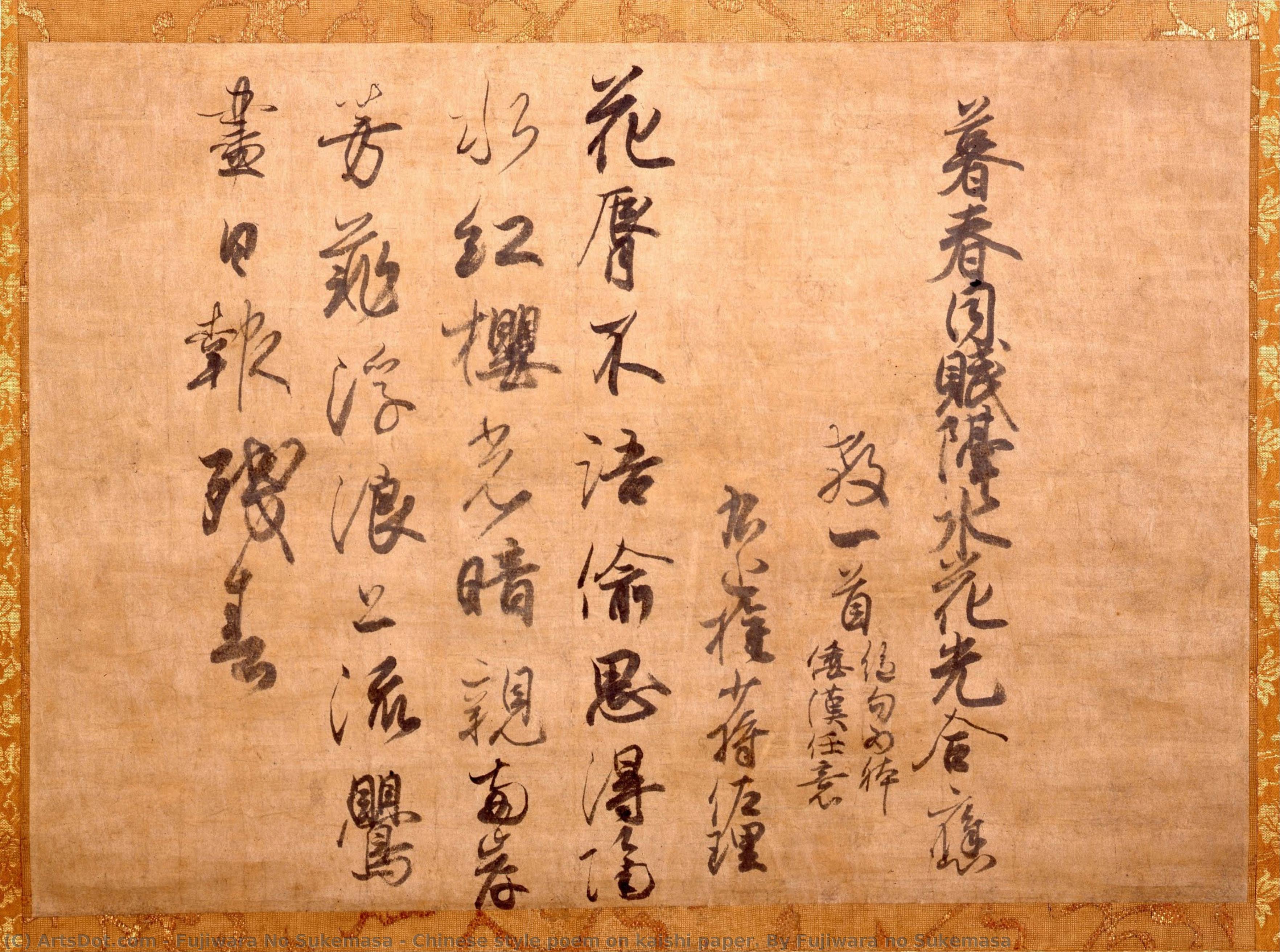
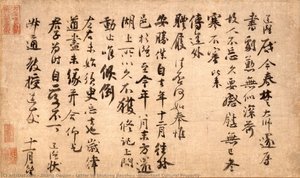
Chinese style poem on kaishi paper. By Fujiwara no Sukemasa

 Pročitaj više
Kupite digitalnu sliku visoke rezolucije i poboljšanog kvaliteta, koja je znatno superiornija od onoga što vidite u online prikazu.
Svaka datoteka je pedantno pripremljena od strane naših stručnjaka koristeći napredne alate i profesionalnu ručnu retušu. Osiguravamo da svaka slika ima izuzetnu oštrinu, preciznu reprodukciju boja i fine detalje.
Konačna datoteka se dostavlja putem e-pošte u roku od 72 sata, optimizovana za neposrednu upotrebu u profesionalnim, izdavačkim i štamparskim okruženjima. To je isti kvalitet kojem veruju vrhunski studiji dizajna, izdavači i galerije.
Digitalna slika
Preuzmite datoteku visoke rezolucije za ličnu upotrebu, štampanje i kreativne projekte. ( Kupi print Kupi ručno naslikanu sliku)
Uključeno uz svaku porudžbinu digitalne slike
Profesionalna digitalna isporuka, zagarantovana
Kada odaberete ArtsDot.com, ne dobijate samo sliku – vi primate profesionalno unapređeno digitalno umetničko delo, izrađeno sa najvećom preciznošću i uz garanciju zadovoljstva. Evo svega što automatski dolazi uz vašu porudžbinu:

Brza dostava putem e-pošte
Vaša digitalna slika visoke rezolucije biće vam poslata putem e-pošte u roku od 72 sata od poručivanja – spremna za trenutnu upotrebu.

Digitalna datoteka unapređena veštačkom inteligencijom
Vaše umetničko delo je profesionalno optimizovano korišćenjem naprednih AI alata i ručne obrade, čime se osiguravaju maksimalni detalji, oštrina i preciznost boja.

Besplatna ponovna isporuka doživotno
Slučajno ste obrisali ili izgubili svoju datoteku? Ne brinite – poslaćemo vam je ponovo u bilo kom trenutku, potpuno besplatno.

Bez troškova uvoza – zauvek
Uživajte u svojim umetničkim delima trenutno, bez carine, dažbina ili troškova dostave – digitalni download je uvek bez poreza.

Garancija vernosti boja
Uz pomoć profesionalnih alata i upravljanja bojama, osiguravamo da vaša digitalna slika što vernije odražava originalne boje.

Garancija zadovoljstva u roku od 60 dana
Ako niste zadovoljni svojom digitalnom slikom, revidirat ćemo je ili vratiti 100% novca u roku od 60 dana – bez ikakvih pitanja.

100% garancija povrata novca
Niste zadovoljni? Obezbedite pun povrat novca u roku od 60 dana od trenutka kada ste primili svoju digitalnu datoteku – bez suvišnih pitanja.

Popusti na velike porudžbine
Kupite 3 slike, uštedite 10% - Kupite 5 slika, uštedite 15% - Kupite 10+ slika, uštedite 20%. Odlično za kreativne projekte, galerije i agencije.
Srodna umetnička dela




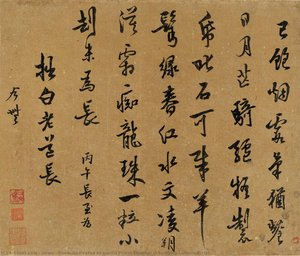
Biografija umetnika
The Poet of Elegance: The Life and Legacy of Fujiwara no Sukemasa
In the golden twilight of the Heian period, an era defined by unparalleled aesthetic refinement and the delicate whispers of the imperial court, one name emerged as a beacon of calligraphic mastery: Fujiwara no Sukemasa. Known also by the evocative name Sari, he was far more than a mere statesman; he was a virtuoso of the brush, a man whose ink flowed with the grace of the natural world and the structured elegance of Japanese tradition. As one of the legendary Sanseki, or "Three Brush Traces," alongside Ono no Michikaze and Fujiwara Yukinari, Sukemasa helped forge a distinct national identity in art, moving away from heavy Chinese influences toward a uniquely Japanese fluidity known as wayōshodō.
Born in 944 into the illustrious Fujiwara clan, Sukemasa’s very existence was steeped in the politics and prestige of the imperial court. His lineage provided him with an education that blended military discipline—inherited from his father, the major general Fujiwara no Atsutoshi—with the profound scholarly pursuits required of a high-ranking noble. This duality of character, a blend of strength and sensitivity, would later manifest in his calligraphy. Following the death of his biological father, he was adopted by the powerful Fujiwara no Saneyori, a move that catapulted him into the inner sanctums of power. By his early twenties, Sukemasa had already ascended to the rank of chamberlain, placing him at the heart of imperial life where every brushstroke and poetic verse carried immense social weight.
A Master of Flow and Form
The true genius of Sukemasa lay in his ability to command the kana script, a phonetic Japanese writing system that demanded a delicate touch and an intuitive sense of rhythm. Unlike the more rigid, structural styles of earlier eras, Sukemasa’s work embraced a lyrical movement. His calligraphy was characterized by a seamless transition between characters, where the energy of one stroke seemed to bleed poetically into the next, creating a visual melody on the paper. This technique allowed him to capture not just words, but the very essence of the emotions expressed within them—a quality that earned him his reputation as a "poet of elegance."
His artistic development was deeply intertwined with the shifting political tides of the reigns of Emperors Kazan and Ichijō. While his career in the bureaucracy saw periods of both rapid ascent and frustrating stagnation, his artistic output remained a constant source of brilliance. He navigated a court where influence was often dictated by familial ties, and though he occasionally found himself overshadowed by ambitious relatives of the throne, his mastery of the brush remained unassailable. To witness a piece of Sukemasa’s calligraphy is to experience the jōdai-yō style—an ancient, refined way of writing that prioritized harmony, balance, and a profound connection to the ephemeral beauty of the moment.
Historical Significance and Enduring Spirit
The historical importance of Fujiwara no Sukemasa cannot be overstated. He was a pivotal figure in the transition of Japanese calligraphy from an imitation of continental styles to a self-assured, indigenous art form. Through his work, the brush became a tool for expressing the uniquely Japanese sensibilities of mono no aware—the pathos of things and the bittersweet realization of impermanence. His legacy is preserved not only in the physical remnants of his ink on paper but in the very DNA of Japanese aesthetic tradition.
Even as the political structures of the Heian period eventually gave way to new eras, the "Three Brush Traces" remained the standard against which all subsequent calligraphers were measured. Sukemasa’s life, marked by both the heights of imperial prestige and the quiet struggles of a dedicated artist, serves as a testament to the power of creative devotion. He remains an eternal figure in the annals of art history, reminding us that true elegance is found in the perfect balance between disciplined technique and the free, uninhibited spirit of the soul.
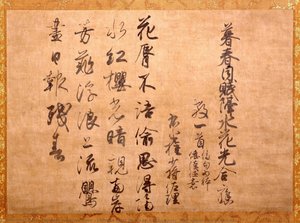
fujiwara no sukemasa
Japan
Kratke činjenice
- Artistic Movement Or Style: Kana Script
- Artists Or Movements Influenced By This Artist: ['Shodoka Artist']
- Artists Who Influenced This Artist:
- Ono no Michikaze
- Fujiwara Yukinari
- Date Of Death: August 19, 998
- Full Name: Fujiwara no Sukemasa
- Nationality: Japanese
- Notable Artworks: ['Rirakujō']
- Place Of Birth: Japan

