

 Pregledaj u prostoru
 Pošalji
 Podeli
 Detalji o delu

 Преузми
 Slični predmeti
 Rendgenski snimak
 Slajdovi
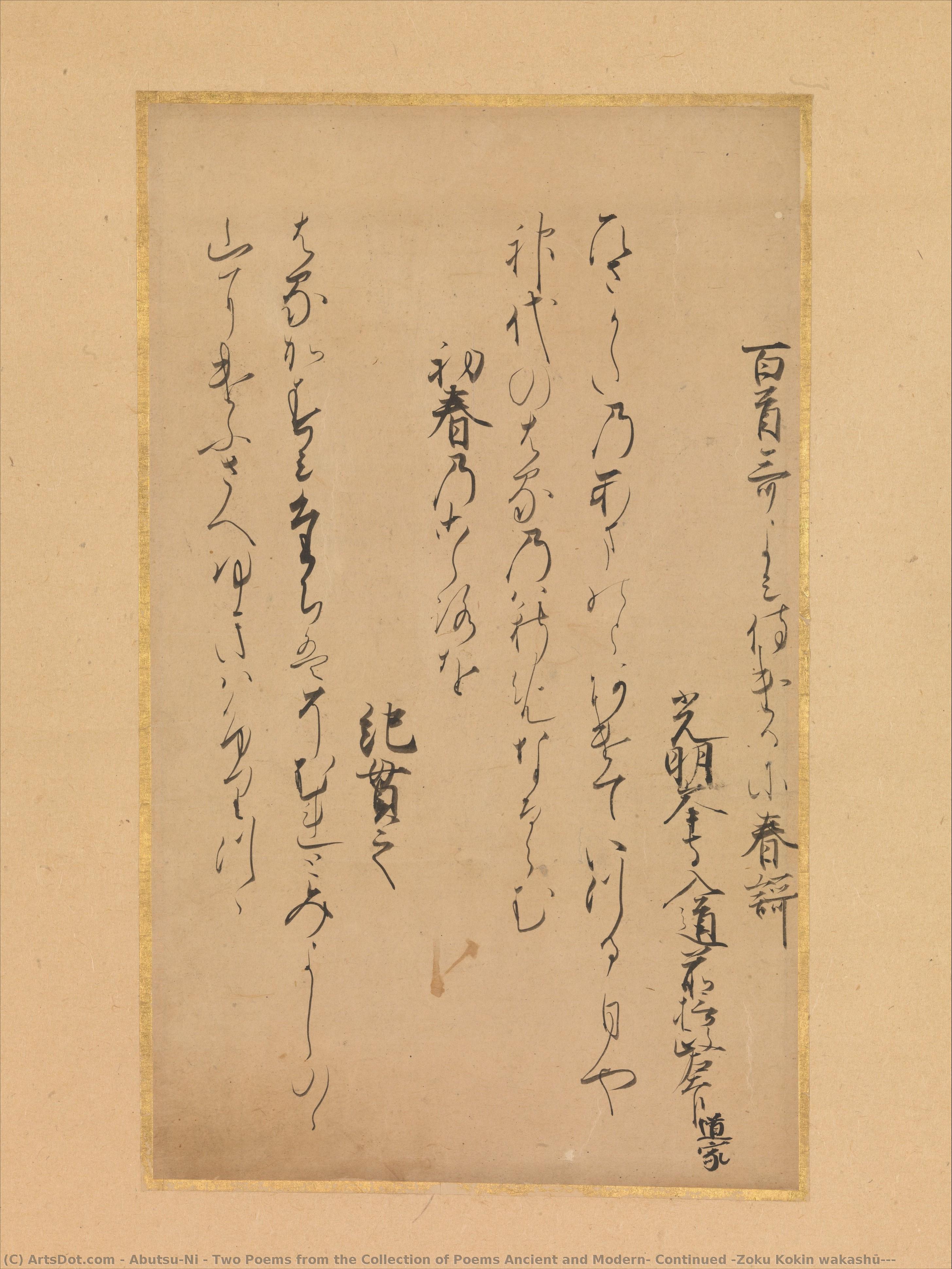
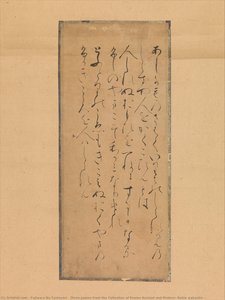
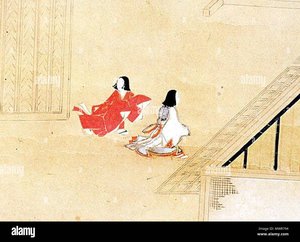
Two Poems from the Collection of Poems Ancient and Modern, Continued (Zoku Kokin wakashū)
 1201
1201 24.0 x 14.0 cm
 Pročitaj više
Kupite digitalnu sliku visoke rezolucije i poboljšanog kvaliteta, koja je znatno superiornija od onoga što vidite u online prikazu.
Svaka datoteka je pedantno pripremljena od strane naših stručnjaka koristeći napredne alate i profesionalnu ručnu retušu. Osiguravamo da svaka slika ima izuzetnu oštrinu, preciznu reprodukciju boja i fine detalje.
Konačna datoteka se dostavlja putem e-pošte u roku od 72 sata, optimizovana za neposrednu upotrebu u profesionalnim, izdavačkim i štamparskim okruženjima. To je isti kvalitet kojem veruju vrhunski studiji dizajna, izdavači i galerije.
Digitalna slika
Preuzmite datoteku visoke rezolucije za ličnu upotrebu, štampanje i kreativne projekte. ( Kupi print Kupi ručno naslikanu sliku)
Uključeno uz svaku porudžbinu digitalne slike
Profesionalna digitalna isporuka, zagarantovana
Kada odaberete ArtsDot.com, ne dobijate samo sliku – vi primate profesionalno unapređeno digitalno umetničko delo, izrađeno sa najvećom preciznošću i uz garanciju zadovoljstva. Evo svega što automatski dolazi uz vašu porudžbinu:

Brza dostava putem e-pošte
Vaša digitalna slika visoke rezolucije biće vam poslata putem e-pošte u roku od 72 sata od poručivanja – spremna za trenutnu upotrebu.

Digitalna datoteka unapređena veštačkom inteligencijom
Vaše umetničko delo je profesionalno optimizovano korišćenjem naprednih AI alata i ručne obrade, čime se osiguravaju maksimalni detalji, oštrina i preciznost boja.

Besplatna ponovna isporuka doživotno
Slučajno ste obrisali ili izgubili svoju datoteku? Ne brinite – poslaćemo vam je ponovo u bilo kom trenutku, potpuno besplatno.

Bez troškova uvoza – zauvek
Uživajte u svojim umetničkim delima trenutno, bez carine, dažbina ili troškova dostave – digitalni download je uvek bez poreza.

Garancija vernosti boja
Uz pomoć profesionalnih alata i upravljanja bojama, osiguravamo da vaša digitalna slika što vernije odražava originalne boje.

Garancija zadovoljstva u roku od 60 dana
Ako niste zadovoljni svojom digitalnom slikom, revidirat ćemo je ili vratiti 100% novca u roku od 60 dana – bez ikakvih pitanja.

100% garancija povrata novca
Niste zadovoljni? Obezbedite pun povrat novca u roku od 60 dana od trenutka kada ste primili svoju digitalnu datoteku – bez suvišnih pitanja.

Popusti na velike porudžbine
Kupite 3 slike, uštedite 10% - Kupite 5 slika, uštedite 15% - Kupite 10+ slika, uštedite 20%. Odlično za kreativne projekte, galerije i agencije.
Srodna umetnička dela
Biografija umetnika
A Life Woven in Poetry: The World of Abutsu-ni
Abutsu-ni, born Ankamon’in no Shijo around 1222 in Kyoto, Japan, was a figure whose life unfolded against the backdrop of a shifting political and cultural landscape. The Kamakura period was dawning, a time marked by the rise of warrior clans and a subtle but profound reorientation of power away from the imperial court. Though born into an aristocratic family with strong ties to the court—her mother served Princess Kuni-naishinnō, later Empress Ankamon-in—Abutsu-ni’s story is not one of grand political maneuvering, but rather of deeply personal expression and a tenacious dedication to preserving poetic tradition. Her name itself reflects this journey; “Abutsu-ni” signifies her status as a Buddhist nun, a path she embraced after the death of her husband, Fujiwara no Tameie.
Her early life was steeped in the refined arts of the Heian court. She received an education befitting her station, cultivating skills in poetry and calligraphy—disciplines considered essential for a woman of noble birth. Around 1250, she married Fujiwara no Tameie, a poet from a prominent literary clan. This union was not merely a social arrangement; it was a meeting of minds, a partnership forged through shared passion for waka poetry. Together they formed a vibrant intellectual and artistic household, raising two children while continuing to contribute to the rich tapestry of Japanese verse.
The Izayoi Nikki and a Legacy in Dispute
Abutsu-ni’s most celebrated work is undoubtedly the Izayoi Nikki (Diary of the Waning Moon). Written during her arduous journey from Kyoto to Kamakura in either 1277 or 1279, it transcends a simple travelogue. It's a poignant and deeply moving account of a woman navigating both physical hardship and emotional turmoil. The diary details her legal battle to secure the poetic inheritance of her late husband, Fujiwara no Tameie, against his sons from a previous marriage. This dispute became legendary—the longest literary quarrel in Japanese history—and the Izayoi Nikki offers an intimate glimpse into the complexities of family relationships, societal expectations, and the fierce protectiveness Abutsu-ni felt towards her husband’s artistic legacy.
The diary is remarkable for its delicate blend of poetry and prose. Abutsu-ni masterfully weaves waka verses into her narrative, using them not merely as ornamentation but as a means to express her innermost feelings—her grief, her determination, her loneliness, and her unwavering devotion to her children. The poems are often imbued with subtle allusions to classical literature, demonstrating her profound knowledge of poetic tradition. The journey itself becomes a metaphor for the challenges she faced, each step fraught with uncertainty yet undertaken with quiet dignity.
Artistic Style and Influences
Abutsu-ni’s poetry is characterized by its simplicity, elegance, and deeply spiritual quality. While rooted in the classical tradition of waka, her work possesses a unique voice—one that reflects her personal experiences and emotional depth. She often depicted scenes from nature, employing imagery evocative of the nanga school of Japanese painting (also known as bunjinga). This style, influenced by monochrome-ink landscape paintings of Chinese literati artists, emphasized subtlety, restraint, and a profound connection to the natural world.
Her work shares affinities with that of other prominent poets of her time, such as Yosa Buson, known for his haiku capturing fleeting moments of beauty in nature. However, Abutsu-ni’s poetry distinguishes itself through its intensely personal focus and the emotional weight it carries. She wasn't simply describing nature; she was using it to explore her inner landscape—her grief, her hopes, and her unwavering commitment to preserving her husband’s artistic heritage.
A Lasting Impression on Japanese Aesthetics
Abutsu-ni’s legacy extends far beyond the Izayoi Nikki. Her other works, including essays and poetic critiques, demonstrate her profound understanding of waka poetry and its aesthetic principles. She played a crucial role in preserving and transmitting classical literary traditions during a period of significant social change. Her dedication to safeguarding her husband’s work—and the fierce legal battle she waged to achieve this goal—established her as a formidable figure in Japanese literary history.
Today, Abutsu-ni is celebrated not only for her poetic talent but also for her resilience and unwavering spirit. Her account of her journey from Kyoto to Kamakura remains a powerful testament to the strength and dignity of women in medieval Japan. Her work continues to inspire readers with its beauty, emotional depth, and profound insights into the human condition—a lasting legacy woven in poetry and etched in the annals of Japanese art and literature.
fujiwara no tameie's wife
1283 , Japan
Kratke činjenice
- Artistic Movement Or Style: Nanga/Bunjinga (Monochrome)
- Artists Or Movements Influenced By This Artist: ['yosa buson']
- Artists Who Influenced This Artist: ['Fujiwara no Teika']
- Date Of Birth: c. 1222
- Date Of Death: 1283
- Full Name: Fujiwara no Teika's wife
- Nationality: Japanese
- Notable Artworks: ['Izayoi Nikki']
- Place Of Birth: Kyoto, Japan

